Issue · Environment

Environment (Wildlife)

Every environment bill, vote, and legislator stance in United States, automatically classified by Maddy, our AI policy reader.

Total bills
194
119th Congress
Top supporter
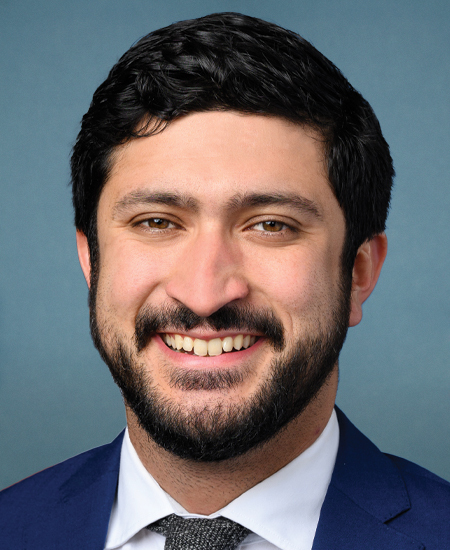
Greg Casar
83% support rate
Top opponent
Susan M. Collins
0% support rate
Ranked legislators
10
5 support · 5 oppose
Key legislators

Who's moving wildlife in United States

Legislators moving wildlife in United States
Legislator Party Stance Support rate Votes
Greg Casar
Greg Casar House · District 35
D
Strong +
83% 12
Judy Chu
Judy Chu House · District 28
D
Strong +
81% 16
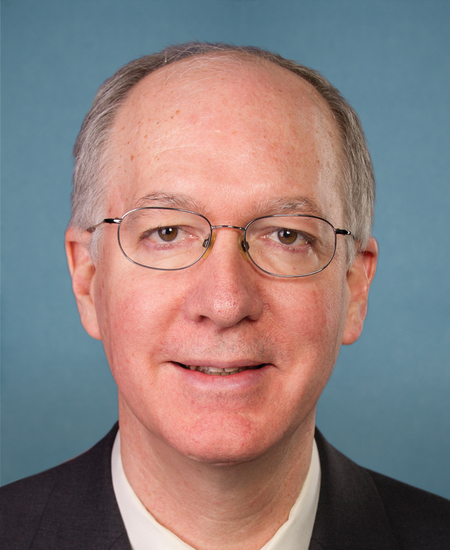
Bill Foster
Bill Foster House · District 11
D
Strong +
80% 15
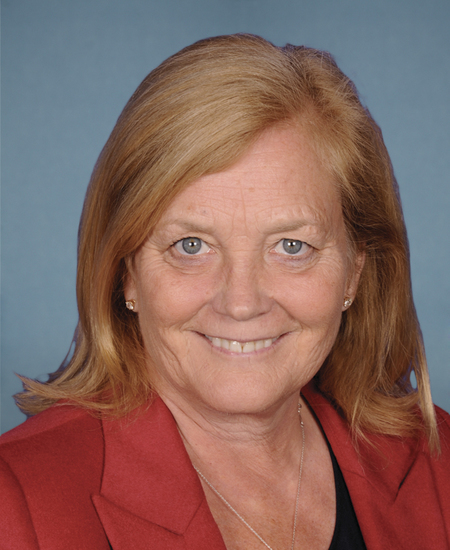
Chellie Pingree
Chellie Pingree House · District 1
D
Strong +
80% 15
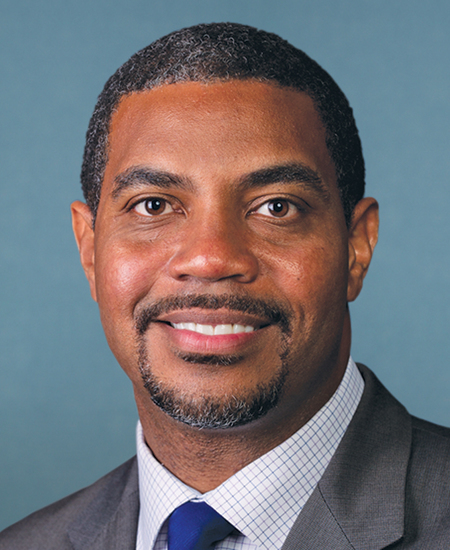
Steven Horsford
Steven Horsford House · District 4
D
Strong +
80% 15
Susan M. Collins
Susan M. Collins Senate
R
Strong −
0% 5
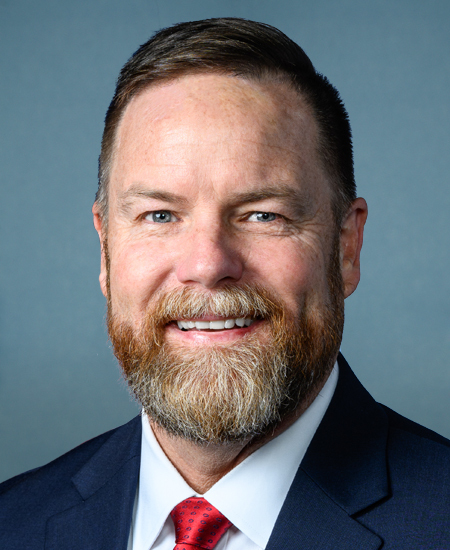
Aaron Bean
Aaron Bean House · District 4
R
Strong −
19% 16
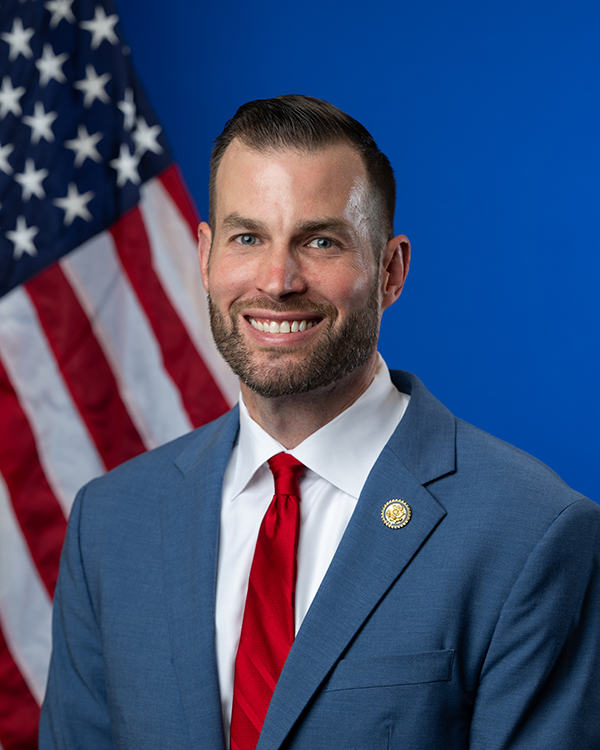
Clay Fuller
Clay Fuller House · District 14
R
Strong −
20% 5
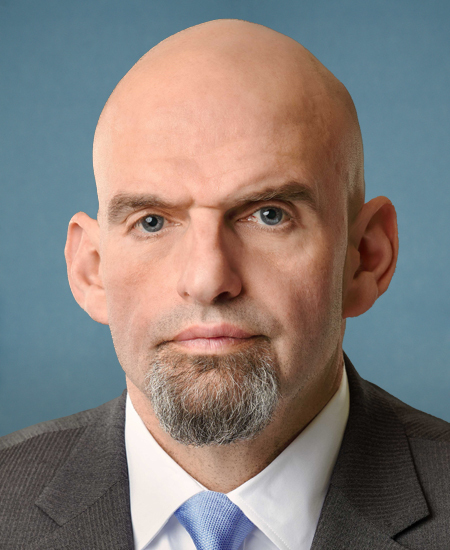
John Fetterman
John Fetterman Senate
D
Strong −
20% 5
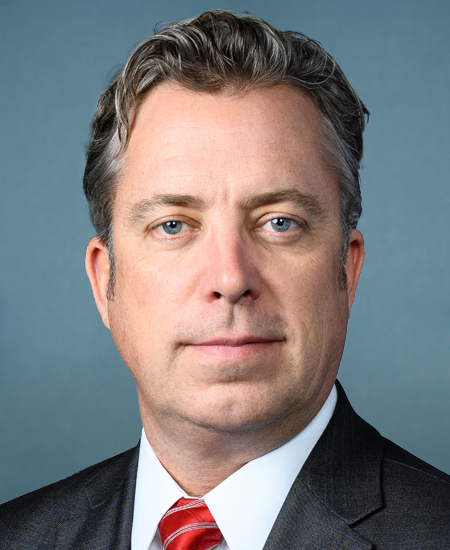
Andrew Ogles
Andrew Ogles House · District 5
R
Oppose
21% 14
Showing 141–150 of 194 bills

All environment bills

in committee · United States · House Apr 17, 2025

HR 2944: Cerro de la Olla Wilderness Establishment Act

This bill designates approximately 12,295 acres of Bureau of Land Management land in Taos County, New Mexico, as the Cerro de la Olla Wilderness. It modifies the boundary of the Río Grande del Norte National Monument to align with this new wilderness area. The bill permits the maintenance of existing wildlife water structures (like guzzlers) within the wilderness if they enhance wildlife values and minimize visual impacts, and requires the federal government to establish a cooperative agreement with New Mexico State within one year to outline wildlife management terms. These changes directly affect federal land management practices and wildlife conservation activities in the designated area.
in committee · United States · Senate Feb 12, 2026

S 1349: Ruby Mountains Protection Act

The Ruby Mountains Protection Act (S 1349) withdraws approximately 309,272 acres of Humboldt-Toiyabe National Forest land and 39,926 acres of Ruby Lake National Wildlife Refuge from mineral leasing and development. This protects these specific areas from future mining or mineral extraction activities, directly affecting potential developers and federal land management decisions. The bill allows noncommercial wildlife management activities by the U.S. Fish and Wildlife Service but prohibits all mineral leasing under federal law. Maps defining the exact boundaries are available for public inspection at relevant federal offices.
in committee · United States · Senate May 6, 2025

S 1615: Northwest Wetlands Voluntary Incentives Program Act

S 1615 establishes a voluntary grant program to restore habitats for migratory birds in the Oregon and Washington coastal zone and Columbia River Basin. It provides competitive grants to eligible entities - including state/local governments, tribes, nonprofits, and private landowners - to fund habitat restoration projects focused on shorebirds, waterfowl, and other wetlands-dependent species. Projects must include a 25% non-Federal matching contribution and prioritize areas with rapid habitat loss or limited public access. The program authorizes $10 million annually (2026-2030) for grants and technical assistance, with strict rules prohibiting use for existing environmental compliance obligations. Grants cover project planning, infrastructure, and ecosystem assessment (up to 10% each), but not routine maintenance.
in committee · United States · House Aug 27, 2026

HR 4219: National Wildlife Refuge System Invasive Species Strike Team Act of 2025

This bill establishes a formal National Wildlife Refuge System Invasive Species Strike Team Program under the U.S. Fish and Wildlife Service. It requires regional teams trained in early detection and rapid response to prevent, control, and eradicate invasive species harming native wildlife and habitats on or near National Wildlife Refuges, using science-based methods and partnerships with states, tribes, and local entities. The program is funded at $15 million annually from 2026-2030 and mandates annual reports to Congress on progress in managing priority invasive species. It directly affects National Wildlife Refuge lands and adjacent properties by coordinating invasive species management with nearby landowners and agencies.
Sub-Topics Wildlife
in committee · United States · House May 21, 2026

HR 184: Action Versus No Action Act

HR 184, the "Action Versus No Action Act," requires the Secretary of Agriculture or Interior to limit environmental reviews for specific forest management activities to only two alternatives: the proposed activity or "no action." It applies when projects occur on lands suitable for timber production and meet conditions like being part of a collaborative process, developed via a resource advisory committee, or covered by a community wildfire protection plan. The bill mandates that "no action" alternatives must explicitly analyze impacts on forest health, wildfire risk, habitat, water supply, and economic factors. This directly affects federal land managers conducting environmental assessments under the National Environmental Policy Act (NEPA) for these designated projects.
in committee · United States · House Dec 2, 2025

HR 5365: ENABLE Conservation Act of 2025

This bill amends the Food Security Act of 1985 to streamline enrollment in a conservation program focused on wildlife habitat. It adds a new enrollment category for land under the "State acres for wildlife enhancement initiative" and updates acreage limitation rules to reference this specific program. The changes directly affect farmers and landowners participating in conservation programs who enroll land for wildlife habitat improvements. The bill simplifies administrative processes for this specific initiative without altering conservation requirements or funding.
in committee · United States · House May 29, 2025

HCONRES 34: Expressing the need for the Senate to provide advice and consent to ratification of the United Nations Convention on Biological Diversity.

HCONRES 34 is a non-binding resolution urging the U.S. Senate to ratify the United Nations Convention on Biological Diversity (CBD), which the U.S. signed in 1993 but has never formally joined. The resolution states that without ratification, the U.S. lacks voting rights and full influence in global biodiversity decisions affecting national security and economic interests. It notes the U.S. currently operates as an observer (not a party) despite aligning many federal programs with CBD goals. The resolution argues that ratification would restore U.S. leadership in international conservation efforts. This bill does not change U.S. law or create new obligations, as the U.S. is already compliant with the CBD’s requirements under existing domestic law.
Sub-Topics Conservation Wildlife
in committee · United States · Senate Feb 25, 2025

S 704: Voluntary Public Access Improvement Act of 2025

This bill establishes a mandatory $150 million funding stream (2025-2029) from the Commodity Credit Corporation to improve public access to conservation lands. It specifically allocates $3 million to encourage public access to wetland reserve easement lands through agreements with states and tribal governments. The program directly affects landowners holding these easements and state/tribal entities managing conservation areas. The key mechanism is using federal funds to incentivize voluntary agreements that make existing wetland conservation areas more accessible to the public.
in committee · United States · House Aug 20, 2026

HR 3276: Local Communities & Bird Habitat Stewardship Act of 2026

The Local Communities & Bird Habitat Stewardship Act of 2025 establishes the Urban Bird Treaty Program, which provides grants and technical assistance to local groups - including cities, nonprofits, community organizations, and academic institutions - to protect and restore urban bird habitats. Key provisions include funding for habitat restoration (e.g., removing invasive species and planting native plants), reducing urban bird hazards, and engaging communities in monitoring and education. The program, administered by the National Fish and Wildlife Foundation, authorizes $1 million annually from 2026 to 2032 for projects focused on conserving urban bird populations through collaborative local efforts. It directly affects communities seeking to enhance green spaces and support bird conservation in populated areas.
Sub-Topics Conservation Wildlife
in committee · United States · Senate Jun 9, 2025

S 1999: USDA CROP Act of 2025

This bill requires the EPA Administrator to coordinate with the USDA Secretary on pesticide regulations. It mandates that EPA publish economic analyses of costs to growers and other affected entities when implementing pesticide risk mitigation measures. The law also requires EPA to share and consider USDA's agronomic data and information about alternative pesticides during registration reviews. These coordination rules apply to pesticide decisions affecting growers, state agencies, and pesticide companies, with specific protocols for Endangered Species Act consultations. The bill establishes formal processes for data sharing and joint decision-making between EPA and USDA.
Sub-Topics Wildlife Tags Agriculture
Showing 141 to 150 of 194 bills
Previous 1 14 15 16 20 Next