Issue · Environment

Environment (Wildlife)

Every environment bill, vote, and legislator stance in United States, automatically classified by Maddy, our AI policy reader.

Total bills
194
119th Congress
Top supporter
Greg Casar
83% support rate
Top opponent
Susan M. Collins
0% support rate
Ranked legislators
10
5 support · 5 oppose
Key legislators

Who's moving wildlife in United States

Legislators moving wildlife in United States
Legislator Party Stance Support rate Votes
Greg Casar
Greg Casar House · District 35
D
Strong +
83% 12
Judy Chu
Judy Chu House · District 28
D
Strong +
81% 16
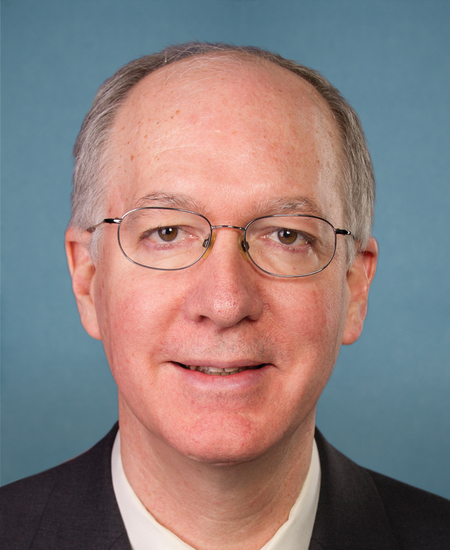
Bill Foster
Bill Foster House · District 11
D
Strong +
80% 15
Chellie Pingree
Chellie Pingree House · District 1
D
Strong +
80% 15
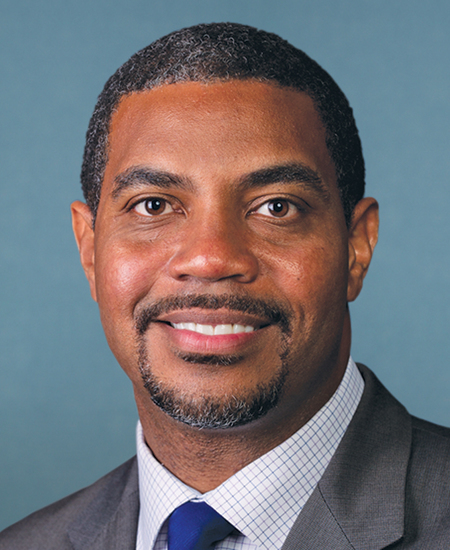
Steven Horsford
Steven Horsford House · District 4
D
Strong +
80% 15
Susan M. Collins
Susan M. Collins Senate
R
Strong −
0% 5
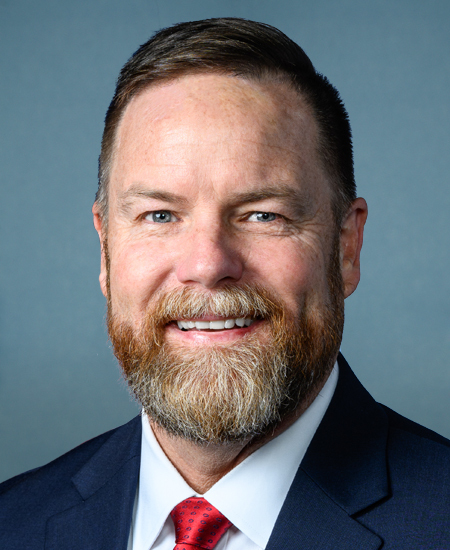
Aaron Bean
Aaron Bean House · District 4
R
Strong −
19% 16
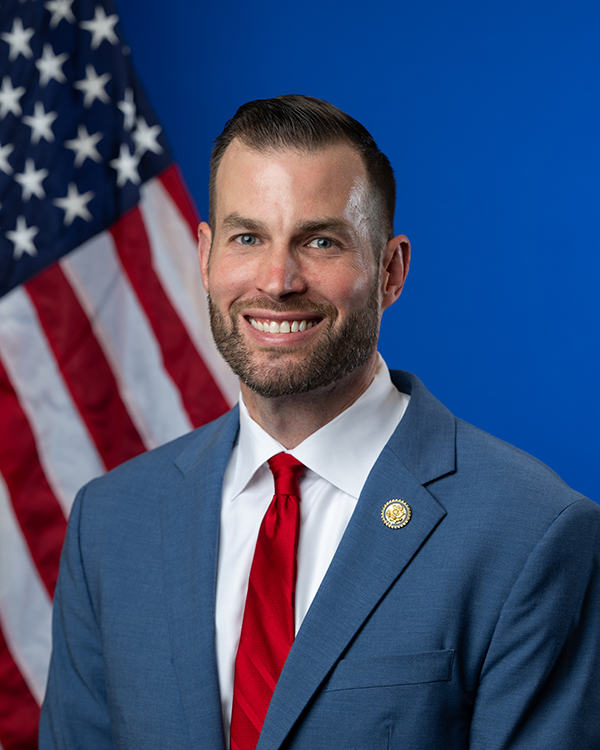
Clay Fuller
Clay Fuller House · District 14
R
Strong −
20% 5
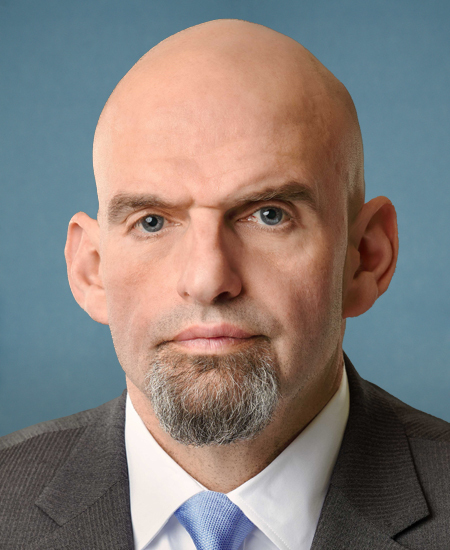
John Fetterman
John Fetterman Senate
D
Strong −
20% 5
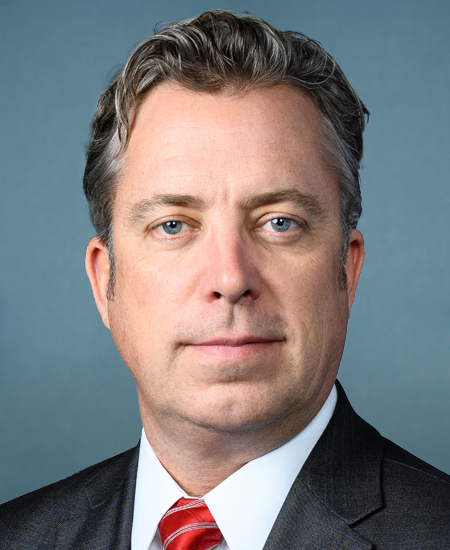
Andrew Ogles
Andrew Ogles House · District 5
R
Oppose
21% 14
Showing 101–110 of 194 bills

All environment bills

in committee · United States · Senate Feb 4, 2026

S 291: Lower Colorado River Multi-Species Conservation Program Amendment Act of 2025

Lower Colorado River Multi-Species Conservation Program Amendment Act of 2025 This bill establishes an interest-bearing account for the nonfederal contributions for the Lower Colorado River Multi-Species Conservation Program, a cooperative effort between federal and nonfederal entities in Arizona, California, and Nevada. The program works to recover multiple species listed under the Endangered Species Act.
Sub-Topics Conservation Wildlife
in committee · United States · House Jul 22, 2025

HR 4033: Sturgeon Conservation and Sustainability Act of 2025

HR 4033 exempts farmed sturgeon and their offspring from certain protections under the Endangered Species Act until they are intentionally returned to the wild. This directly affects sturgeon farmers and aquaculture facilities operating in controlled environments, allowing them to continue their activities without ESA compliance for captive sturgeon. The bill requires these operators to maintain records proving their sturgeon qualify under the exemption and to provide documentation to the Secretary upon request. It does not create new conservation measures but clarifies existing ESA rules for commercial sturgeon farming.
Sub-Topics Conservation Wildlife
in committee · United States · House Feb 7, 2025

HR 1150: SPEAR Act of 2025

The SPEAR Act of 2025 amends the Endangered Species Act to prevent the federal government from listing lake sturgeon populations in Wisconsin as threatened or endangered. This change allows Wisconsin to continue its state-led management plan, including the annual sturgeon spearing season, without federal restrictions. The bill adds a specific provision to the Endangered Species Act explicitly prohibiting the Secretary of the Interior from determining that Wisconsin's lake sturgeon are threatened or endangered. The law directly affects federal regulatory actions for these sturgeon, supporting Wisconsin's conservation program and the cultural and economic significance of the spearing season to local communities.
Sub-Topics Conservation Wildlife
in committee · United States · House Jun 24, 2025

HR 4108: Refuge From Cruel Trapping Act

HR 4108, the Refuge From Cruel Trapping Act, bans the possession or use of body-gripping traps (traps that kill or severely injure wildlife) in National Wildlife Refuges. It directly affects visitors, hunters, and trappers using such traps within refuge boundaries, with limited exceptions for federal agencies managing invasive species or endangered wildlife, dismantling traps, Alaska-specific use, and tribal subsistence hunting. The bill includes penalties of up to $500 per trap, potential jail time, and forfeiture of traps or captured wildlife for violations. It requires the Secretary of the Interior to issue implementing regulations within 120 days but takes effect 120 days after enactment.
Sub-Topics Conservation Wildlife
in committee · United States · House Feb 28, 2025

HR 598: FIR Act

HR 598, the Forest Information Reform Act (FIR Act), modifies federal land management rules to eliminate a requirement for reinitiating consultations under the Endangered Species Act (ESA). It applies directly to the U.S. Forest Service and Bureau of Land Management (BLM), preventing them from needing to restart ESA consultations when managing land plans if: (1) a new species is listed as endangered or critical habitat is designated, or (2) new information reveals impacts on listed species not previously considered. The bill removes a specific procedural step that would otherwise trigger federal agencies to reassess their land management plans in response to new ESA-related developments. This changes how agencies handle species conservation updates within their planning processes.
in committee · United States · House Dec 2, 2025

HR 5564: To amend the Federal Insecticide, Fungicide, and Rodenticide Act to provide for improved coordination between the Administrator of the Environmental Protection Agency and the Secretary of Agriculture, and for other purposes.

This bill requires the Environmental Protection Agency (EPA) to coordinate closely with the U.S. Department of Agriculture (USDA) when making decisions about pesticide safety rules. It mandates that the EPA conduct economic analyses of costs for farmers, state agencies, and businesses affected by pesticide safety measures, and share data on pesticide use and alternatives. The EPA must also coordinate with USDA and other agencies (like Interior and Commerce) on Endangered Species Act protections related to pesticides. These changes directly affect pesticide manufacturers, farmers, state agricultural agencies, and federal agencies involved in pesticide regulation.
Sub-Topics Wildlife Tags Agriculture
in committee · United States · House Jun 24, 2025

HR 3538: Wildlife Confiscations Network Act of 2025

HR 3538, the Wildlife Confiscations Network Act of 2025, establishes a national network to handle the care of live wildlife seized at U.S. borders due to illegal trafficking. It creates a coordinated system where Federal wildlife law enforcement (like the U.S. Fish and Wildlife Service) can partner with qualified facilities - including zoos, sanctuaries, and rehabilitation centers - to provide immediate care, maintain evidence integrity, and manage long-term placement for confiscated animals. The bill expands a successful Southern California pilot that already placed over 4,100 animals by creating a centralized database and single point of contact for law enforcement. It authorizes $5 million annually (2026-2030) to support this network, directly affecting border agencies and participating care facilities while addressing capacity gaps at ports of entry.
Sub-Topics Wildlife
in committee · United States · Senate Mar 27, 2025

S 1193: America’s Red Rock Wilderness Act

The America's Red Rock Wilderness Act (S 1193) would designate approximately 3.3 million acres across nine distinct wilderness areas in Utah as protected wilderness. These areas include the Great Basin, Grand Staircase-Escalante, Moab-La Sal Canyons, Henry Mountains, Glen Canyon, San Juan, Canyonlands Basin, San Rafael Swell, and Book Cliffs-Greater Dinosaur regions. The bill would manage these areas under the Wilderness Act, preserving them for recreation, wildlife habitat, and cultural values while allowing continued livestock grazing under existing regulations. It also includes provisions to protect Tribal rights and water rights within the designated wilderness areas, with specific administrative guidelines for roads, land management, and Tribal consultation.
passed · United States · House Jan 24, 2025

HR 375: Continued Rapid Ohia Death Response Act of 2025

This bill continues federal efforts to combat Rapid Ohia Death, a fungal disease threatening Hawaii's native ohia trees (Metrosideros polymorpha). It mandates ongoing research on disease transmission, management of invasive animals (like goats) that spread the disease, and funding for forest restoration through collaboration between federal agencies (Interior, Agriculture), Hawaii state, and local stakeholders. The key provisions require the U.S. Geological Survey and Forest Service to sustain research, partner on land management, and provide financial assistance to prevent disease spread and restore native forests. The bill directly affects Hawaii's ecosystems, particularly the culturally significant ohia tree species and the state's native forest habitats.
in committee · United States · House Jan 6, 2026

HR 6939: Bycatch Reduction and Research Act of 2026

The Bycatch Reduction and Research Act of 2026 establishes a Bycatch Reduction and Research Task Force to guide research on reducing bycatch of Alaska-origin salmon. It requires new salmon migration research through tagging and genetic analysis, along with ecosystem studies on habitat impacts in the Bering Sea, Aleutian Islands, and Gulf of Alaska. The bill creates a Flume Tank Assistance Fund to support testing of fishing gear that reduces bycatch and habitat damage, and mandates improved electronic monitoring systems for fisheries. It also reauthorizes a Bycatch Reduction Engineering Program with $4 million annually and establishes a Bycatch Mitigation and Habitat Protection Assistance Fund administered by the National Fish and Wildlife Foundation.
Sub-Topics Wildlife
Showing 101 to 110 of 194 bills
Previous 1 10 11 12 20 Next