

Issue · Environment
Environment
Every environment bill, vote, and legislator stance in United States, automatically classified by Maddy, our AI policy reader.
Total bills
496
119th Congress
Top supporter
Martin Heinrich
84% support rate
Top opponent
Marsha Blackburn
11% support rate
Ranked legislators
10
5 support · 5 oppose
Key legislators
Who's moving environment in United States
| Legislator | Party | Stance | Support rate | Votes |
|---|---|---|---|---|
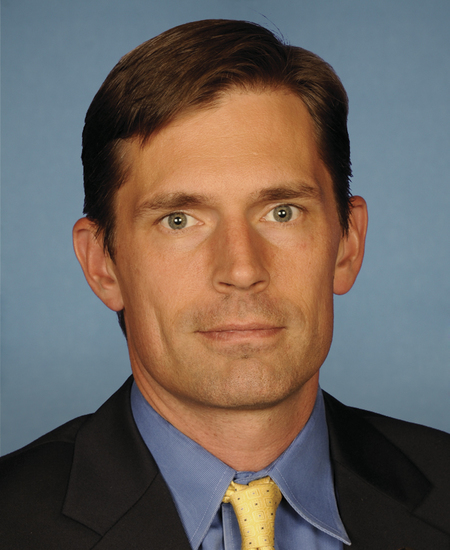
Martin Heinrich
Senate
|
D |
Strong +
|
84% | 215 |
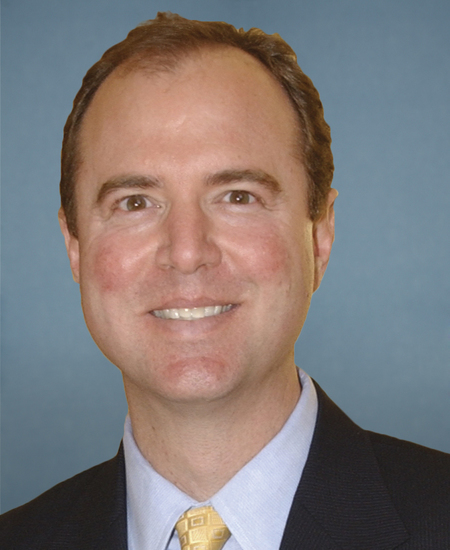
Adam B. Schiff
Senate
|
D |
Support
|
79% | 231 |
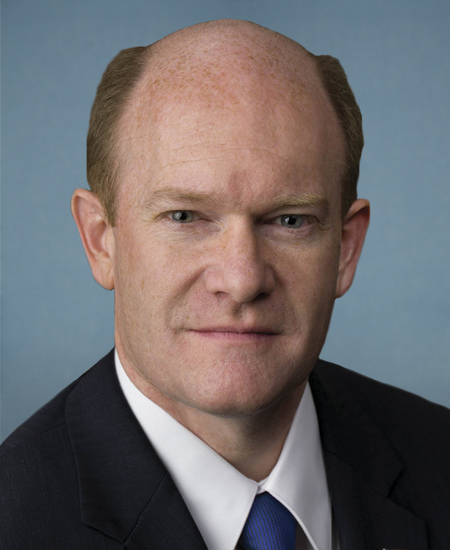
Christopher A. Coons
Senate
|
D |
Support
|
79% | 229 |

Jeanne Shaheen
Senate
|
D |
Support
|
78% | 232 |
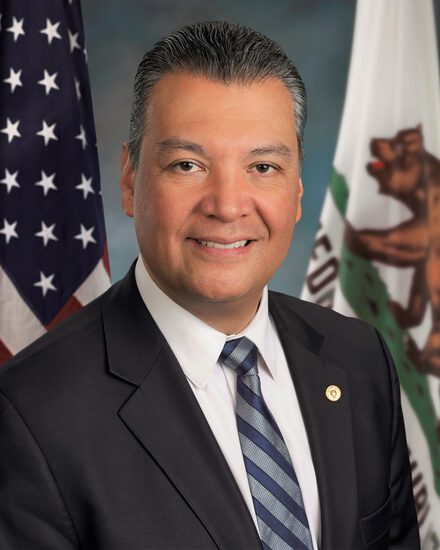
Alex Padilla
Senate
|
D |
Support
|
78% | 232 |

Marsha Blackburn
Senate
|
R |
Strong −
|
11% | 211 |

Ted Budd
Senate
|
R |
Strong −
|
20% | 220 |
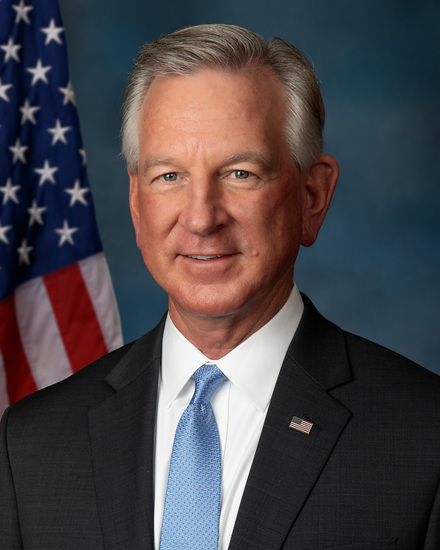
Tommy Tuberville
Senate
|
R |
Oppose
|
21% | 229 |

Bill Cassidy
Senate
|
R |
Oppose
|
22% | 221 |
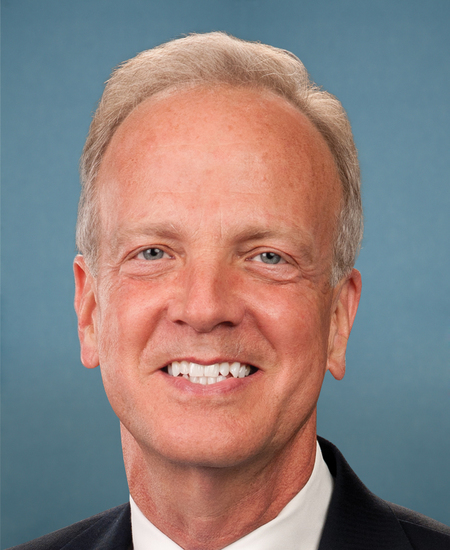
Jerry Moran
Senate
|
R |
Oppose
|
23% | 228 |
Showing 101–110 of 496
bills
All environment bills
S 2992: Gas Can Freedom Act of 2025
Topics
✗ EnvironmentOpposes EnvironmentBill removes safety requirements for fuel containers, potentially increasing spill risks and environmental contamination from gasoline leaks.
✗ Labor & EmploymentOpposes Labor & EmploymentRepeals workplace safety requirements for fuel containers, weakening worker protection standards by removing flame mitigation and safety features mandated in existing laws.
✗ TransportationOpposes TransportationBill repeals safety laws requiring flame mitigation and child-resistant features in fuel containers, weakening transportation safety standards under vehicle regulations.
HR 3960: Connecting Communities Post Disasters Act of 2025
Topics
✗ EnvironmentOpposes EnvironmentBill exempts disaster recovery projects from NEPA environmental review requirements, weakening environmental protections for infrastructure projects.
✓ TechnologySupports TechnologyExempts communications infrastructure recovery from reviews, enabling faster restoration of internet access post-disaster, aligning with tech infrastructure support.
✓ TransportationSupports TransportationExempts disaster-recovery infrastructure projects from regulatory reviews, expediting rebuilding of transportation facilities like roads/highways post-disaster.
Sub-Topics
Conservation
Natural Disasters
Broadband Access
Telecommunications
Traffic Safety
Tags
Emergency Management
SJRES 80: A joint resolution providing for congressional disapproval under chapter 8 of title 5, United States Code, of the rule submitted by the Bureau of Land Management relating to "National Petroleum Reserve in Alaska Integrated Activity Plan Record of Decision".
Topics
✗ EnergyOpposes EnergyBlocks BLM rule enabling oil/gas drilling in Alaska reserve, limiting fossil fuel development under Congressional Review Act.
✗ EnvironmentOpposes EnvironmentBill disapproves BLM rule protecting National Petroleum Reserve in Alaska, blocking oil/gas drilling plans and weakening environmental conservation efforts.
SJRES 55: A joint resolution providing for congressional disapproval under chapter 8 of title 5, United States Code, of the rule submitted by the National Highway Traffic Safety Administration relating to "Federal Motor Vehicle Safety Standards; Fuel System Integrity of Hydrogen Vehicles; Compressed Hydrogen Storage System Integrity; Incorporation by Reference".
Topics
✗ EnergyOpposes EnergyBlocks NHTSA safety standards for hydrogen vehicle fuel systems, hindering renewable energy infrastructure development and hydrogen vehicle adoption.
✗ EnvironmentOpposes EnvironmentBill blocks NHTSA hydrogen vehicle safety standards, potentially limiting clean energy adoption and environmental protection measures for hydrogen fuel systems.
✗ TransportationOpposes TransportationBill blocks NHTSA safety standards for hydrogen vehicle fuel systems, weakening regulatory requirements for new transportation technology.
S 90: Historic Roadways Protection Act
Topics
✗ EnvironmentOpposes EnvironmentBill restricts federal funding for travel management plans on public lands, limiting conservation efforts and environmental protection in designated areas.
✗ TransportationOpposes TransportationBlocks federal funding for travel management plans (transportation infrastructure) on public lands, directly restricting implementation of road-related projects per BLM plans.
HJRES 60: Providing for congressional disapproval under chapter 8 of title 5, United States Code, of the rule submitted by the National Park Service relating to "Glen Canyon National Recreation Area: Motor Vehicles".
Topics
✗ EnvironmentOpposes EnvironmentBill nullifies NPS rule limiting off-road vehicles, weakening environmental protections in Glen Canyon National Recreation Area
✓ TransportationSupports TransportationBill overturns rule limiting off-road vehicle access in Glen Canyon recreation area, supporting broader vehicle use under transportation regulations.
S 1759: Supersonic Aviation Modernization Act
Topics
✗ EnvironmentOpposes EnvironmentBill permits supersonic flight without sonic booms, likely increasing noise pollution and requiring new emissions standards, potentially weakening environmental protections.
✓ TransportationSupports TransportationBill modernizes FAA regulations to enable supersonic commercial flights, advancing aviation infrastructure and innovation within transportation policy.
S 3383: Unlocking Native Lands and Opportunities for Commerce and Key Economic Developments Act of 2025
Tags
Tribal Nations
S 2108: VARIANCE Act
Topics
✗ EnvironmentOpposes EnvironmentAllowing trucks to exceed weight limits may increase fuel consumption and emissions, weakening environmental protections.
✓ TransportationSupports TransportationAllows 10% weight variance for dry bulk trucking, facilitating efficient transport of specific goods under regulated conditions, directly supporting vehicle regulation aspects of transportation policy.