Issue · Environment

Environment

Every environment bill, vote, and legislator stance in United States, automatically classified by Maddy, our AI policy reader.

Total bills
40
119th Congress
Top supporter
Martin Heinrich
84% support rate
Top opponent
Marsha Blackburn
11% support rate
Ranked legislators
10
5 support · 5 oppose
Key legislators

Who's moving environment in United States

Legislators moving environment in United States
Legislator Party Stance Support rate Votes
Martin Heinrich
Martin Heinrich Senate
D
Strong +
84% 215
Adam B. Schiff
Adam B. Schiff Senate
D
Support
79% 231
Christopher A. Coons
Christopher A. Coons Senate
D
Support
79% 229
Jeanne Shaheen
Jeanne Shaheen Senate
D
Support
78% 232
Alex Padilla
Alex Padilla Senate
D
Support
78% 232
Marsha Blackburn
Marsha Blackburn Senate
R
Strong −
11% 211
Ted Budd
Ted Budd Senate
R
Strong −
20% 220
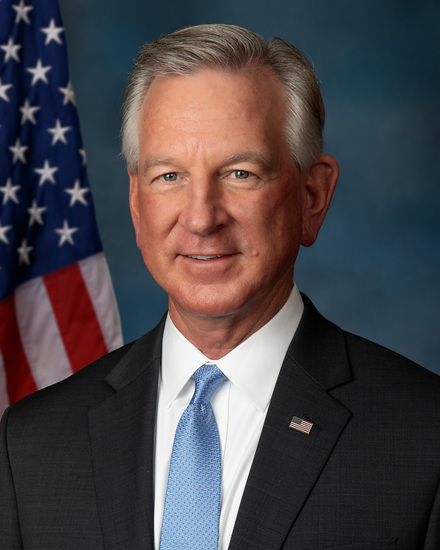
Tommy Tuberville
Tommy Tuberville Senate
R
Oppose
21% 229
Bill Cassidy
Bill Cassidy Senate
R
Oppose
22% 221
Jerry Moran
Jerry Moran Senate
R
Oppose
23% 228
Showing 31–40 of 40 bills

All environment bills

passed · United States · House May 20, 2025

HRES 426: Providing for consideration of the joint resolution (S.J. Res. 13) providing for congressional disapproval under chapter 8 of title 5, United States Code, of the rule submitted by the Office of the Comptroller of the Currency of the Department of the Treasury relating to the review of applications under the Bank Merger Act; providing for consideration of the joint resolution (S.J. Res. 31) providing for congressional disapproval under chapter 8 of title 5, United States Code, of the rule submitted by the Environmental Protection Agency relating to "Review of Final Rule Reclassification of Major Sources as Area Sources Under Section 112 of the Clean Air Act"; and waiving a requirement of clause 6(a) of rule XIII with respect to consideration of certain resolutions reported from the Committee on Rules.

HRES 426 is a procedural resolution that allows the House to vote on two separate disapproval resolutions. It sets up consideration for S.J. Res. 13, which would reverse a Treasury rule affecting bank merger reviews, and S.J. Res. 31, which would reverse an EPA rule changing how pollution sources are regulated under the Clean Air Act. The resolution waives normal procedural hurdles to expedite these votes. It does not change policy but enables Congress to potentially block these specific federal rules. The affected parties would include financial institutions (for the bank rule) and industrial facilities subject to EPA regulations (for the Clean Air Act rule).
signed · United States · House May 9, 2025

HJRES 75: Providing for congressional disapproval under chapter 8 of title 5, United States Code, of the rule submitted by the Office of Energy Efficiency and Renewable Energy, Department of Energy relating to "Energy Conservation Program: Energy Conservation Standards for Commercial Refrigerators, Freezers, and Refrigerator-Freezers".

This joint resolution eliminates new, more stringent energy conservation standards for commercial refrigerators, freezers, and refrigerator-freezers. Under the joint resolution, such equipment is no longer required to comply with the new standards. Specifically, the joint resolution nullifies the rule titled Energy Conservation Program: Energy Conservation Standards for Commercial Refrigerators, Freezers, and Refrigerator-Freezers  and published by the Department of Energy's Office of Energy Efficiency and Renewable Energy on January 21, 2025. Under the rule, the office adopted new energy conservation standards for commercial refrigeration equipment to achieve the maximum improvement in energy efficiency that is technologically feasible and economically justified. The rule required the equipment to comply with the those standards by January 22, 2029.
signed · United States · House May 9, 2025

HJRES 42: Providing for congressional disapproval under chapter 8 of title 5, United States Code, of the rule submitted by the Department of Energy relating to "Energy Conservation Program for Appliance Standards: Certification Requirements, Labeling Requirements, and Enforcement Provisions for Certain Consumer Products and Commercial Equipment".

H.J. Res. 42 is a congressional disapproval resolution that voids a Department of Energy (DOE) rule on appliance energy efficiency standards. The resolution specifically targets the DOE's 2024 rule requiring certification, labeling, and enforcement for energy-efficient appliances and commercial equipment. By disapproving this rule under federal law (5 U.S.C. § 801), the resolution prevents the rule from taking effect, meaning appliance manufacturers and retailers would not need to comply with its requirements. This resolution directly affects the implementation of the DOE's energy conservation program for consumer products and commercial equipment.
signed · United States · House May 9, 2025

HJRES 24: Providing for congressional disapproval under chapter 8 of title 5, United States Code, of the rule submitted by the Department of Energy relating to "Energy Conservation Program: Energy Conservation Standards for Walk-In Coolers and Walk-In Freezers".

H.J.Res. 24, enacted May 9, 2025, disapproves a Department of Energy (DOE) rule establishing energy efficiency standards for walk-in coolers and freezers. This resolution, passed under the Congressional Review Act, blocks the rule (published December 23, 2024) from taking effect, meaning the DOE’s proposed standards will have no legal force. The action directly affects commercial food equipment manufacturers and businesses using such cooling systems by preventing the implementation of new energy conservation requirements.
signed · United States · House May 9, 2025

HJRES 20: Providing for congressional disapproval under chapter 8 of title 5, United States Code, of the rule submitted by the Department of Energy relating to "Energy Conservation Program: Energy Conservation Standards for Consumer Gas-fired Instantaneous Water Heaters".

This resolution blocks a Department of Energy rule that would have set new energy efficiency standards for gas-fired instant water heaters. It prevents the rule from taking effect, meaning appliance manufacturers would not have to meet the proposed efficiency requirements. The rule, submitted in December 2024, directly affected manufacturers of these water heaters and consumers purchasing them. Congress approved this disapproval through a joint resolution passed on May 9, 2025.
passed · United States · House May 5, 2025

HJRES 78: Providing for congressional disapproval under chapter 8 of title 5, United States Code, of the rule submitted by the United States Fish and Wildlife Service relating to "Endangered and Threatened Wildlife and Plants; Endangered Species Status for the San Francisco Bay-Delta Distinct Population Segment of the Longfin Smelt".

HJRES 78 is a joint resolution seeking congressional disapproval of a U.S. Fish and Wildlife Service rule that granted endangered species status to the San Francisco Bay-Delta population of the longfin smelt, a fish native to California's Bay-Delta region. If passed, this resolution would block the rule from taking effect, preventing the smelt from receiving federal protections under the Endangered Species Act. The rule, published in the Federal Register in July 2024, aimed to protect this specific fish population from threats like habitat loss and water management practices. This resolution does not create new policy but directly reverses an existing regulatory action affecting the smelt and its ecosystem.
passed · United States · House Mar 25, 2025

HRES 242: Providing for consideration of the joint resolution (H.J. Res. 24) providing for congressional disapproval under chapter 8 of title 5, United States Code, of the rule submitted by the Department of Energy relating to "Energy Conservation Program: Energy Conservation Standards for Walk-In Coolers and Walk-In Freezers"; providing for consideration of the joint resolution (H.J. Res. 75) providing for congressional disapproval under chapter 8 of title 5, United States Code, of the rule submitted by the Office of Energy Efficiency and Renewable Energy, Department of Energy relating to "Energy Conservation Program: Energy Conservation Standards for Commercial Refrigerators, Freezers, and Refrigerator-Freezers"; and providing for consideration of the bill (H.R. 1048) to amend the Higher Education Act of 1965 to strengthen disclosure requirements relating to foreign gifts and contracts, to prohibit contracts between institutions of higher education and certain foreign entities and countries of concern, and for other purposes.

HRES 242 is a procedural resolution that sets the rules for the House to consider three specific legislative items: two resolutions (H.J. Res. 24 and H.J. Res. 75) seeking to block Department of Energy energy efficiency rules for commercial refrigeration equipment (walk-in coolers/freezers and commercial refrigerators/freezers), and a bill (H.R. 1048) to amend the Higher Education Act regarding foreign gifts and contracts. It establishes one hour of debate for each measure, waives objections to their consideration, and specifies voting procedures. The resolution itself does not change policy but enables the House to vote on these underlying bills. This procedural step affects only the legislative process, not the final outcome of the bills.
signed · United States · House Mar 14, 2025

HJRES 35: Providing for congressional disapproval under chapter 8 of title 5, United States Code, of the rule submitted by the Environmental Protection Agency relating to "Waste Emissions Charge for Petroleum and Natural Gas Systems: Procedures for Facilitating Compliance, Including Netting and Exemptions".

HJRES 35 is a congressional resolution disapproving an Environmental Protection Agency (EPA) rule that established procedures for emissions charges on petroleum and natural gas systems. Specifically, it targets the EPA’s November 2024 rule titled "Waste Emissions Charge for Petroleum and Natural Gas Systems: Procedures for Facilitating Compliance, Including Netting and Exemptions," which would have required companies to pay fees based on emissions. The resolution, passed by both chambers in February 2025, nullifies the rule, preventing it from taking effect. This directly affects oil and gas companies subject to the EPA’s emissions regulations, removing a specific compliance mechanism they would have faced.
passed · United States · House Mar 4, 2025

HRES 177: Providing for consideration of the joint resolution (H.J. Res. 42) providing for congressional disapproval under chapter 8 of title 5, United States Code, of the rule submitted by the Department of Energy relating to "Energy Conservation Program for Appliance Standards: Certification Requirements, Labeling Requirements, and Enforcement Provisions for Certain Consumer Products and Commercial Equipment"; providing for consideration of the joint resolution (H.J. Res. 61) providing for congressional disapproval under chapter 8 of title 5, United States Code, of the rule submitted by the Environmental Protection Agency relating to "National Emission Standards for Hazardous Air Pollutants: Rubber Tire Manufacturing"; and providing for consideration of the joint resolution (S.J. Res. 11) providing for congressional disapproval under chapter 8 of title 5, United States Code, of the rule submitted by the Bureau of Ocean Energy Management relating to "Protection of Marine Archaeological Resources".

HRES 177 is a procedural resolution that sets the rules for the House to consider three separate disapproval resolutions. It enables debate and voting on H.J. Res. 42 (to disapprove a Department of Energy appliance energy efficiency rule), H.J. Res. 61 (to disapprove an EPA rule on tire manufacturing emissions), and S.J. Res. 11 (to disapprove a Bureau of Ocean Energy Management rule protecting marine archaeological resources). The resolution waives most procedural objections and limits debate to one hour per disapproval measure. It does not change any regulations itself but provides the process for Congress to potentially reject them.
passed · United States · House Feb 25, 2025

HRES 161: Providing for consideration of the joint resolution (H.J. Res. 20) providing for congressional disapproval under chapter 8 of title 5, United States Code, of the rule submitted by the Department of Energy relating to ‘‘Energy Conservation Program: Energy Conservation Standards for Consumer Gas-fired Instantaneous Water Heaters’’; providing for consideration of the joint resolution (H.J. Res. 35) providing for congressional disapproval under chapter 8 of title 5, United States Code, of the rule submitted by the Environmental Protection Agency relating to ‘‘Waste Emissions Charge for Petroleum and Natural Gas Systems: Procedures for Facilitating Compliance, Including Netting and Exemptions’’; and providing for consideration of the concurrent resolution (H. Con. Res. 14) establishing the congressional budget for the United States Government for fiscal year 2025 and setting forth the appropriate budgetary levels for fiscal years 2026 through 2034.

HRES 161 is a procedural resolution that establishes rules for the House of Representatives to consider three specific measures: (1) a joint resolution disapproving an Energy Department rule on water heater efficiency standards, (2) a joint resolution disapproving an EPA rule on emissions charges for gas systems, and (3) a concurrent resolution setting the federal budget for fiscal year 2025 and future years. It waives procedural objections, sets time limits for debate (one hour each for the first two), and outlines the voting process for these items. This resolution itself does not change policy but enables Congress to vote on the underlying disapproval measures and budget resolution. It affects House members and the legislative process, not direct policy outcomes for the public or industries.
Showing 31 to 40 of 40 bills
Previous 1 2 3 4