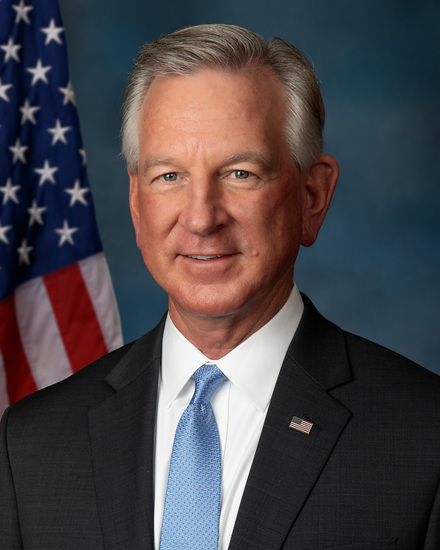
The Freedom to Frack Act would amend the Energy Independence and Security Act of 2007 to make states banning hydraulic fracturing (fracking) ineligible for certain federal energy grants. Specifically, states that establish or maintain a fracking prohibition would lose eligibility for grants under Section 545(c) of that law. This directly affects states with existing fracking bans, potentially reducing their access to federal funding for energy programs. The key mechanism ties grant eligibility to the absence of state-level fracking restrictions, without directly altering state laws.
HRES 161 is a procedural resolution that establishes rules for the House of Representatives to consider three specific measures: (1) a joint resolution disapproving an Energy Department rule on water heater efficiency standards, (2) a joint resolution disapproving an EPA rule on emissions charges for gas systems, and (3) a concurrent resolution setting the federal budget for fiscal year 2025 and future years. It waives procedural objections, sets time limits for debate (one hour each for the first two), and outlines the voting process for these items. This resolution itself does not change policy but enables Congress to vote on the underlying disapproval measures and budget resolution. It affects House members and the legislative process, not direct policy outcomes for the public or industries.
This bill prohibits new federal oil and gas leasing and drilling in specific offshore areas near Florida. It directly affects federal energy leasing decisions by banning exploration, development, and production in three designated zones: the eastern Gulf of Mexico (per a 2006 law), a portion of the South Atlantic Planning Area south of 30°43'N latitude, and the Straits of Florida. The key mechanism is an amendment to federal law that blocks new leases in these areas, though existing leases remain unaffected. This policy change prevents future offshore drilling in these environmentally sensitive Florida coastal waters.
HR 408 would reverse two January 2025 presidential memoranda that blocked oil and gas leasing in specific offshore areas. It directly affects federal offshore leasing by making these memoranda unenforceable, restoring access to the Gulf of Mexico, Atlantic, Pacific coasts, and the Northern Bering Sea Climate Resilience Area. The bill's key mechanism is a simple statutory reversal: it declares the memoranda "shall have no force or effect." This changes policy by removing existing restrictions on leasing without creating new rules. The bill focuses solely on undoing the executive action, not on new environmental or energy policies.
HJRES 131 blocks a Bureau of Land Management (BLM) rule that would have allowed oil and gas leasing in Alaska's Arctic National Wildlife Refuge Coastal Plain. The bill uses the Congressional Review Act to formally disapprove this specific rule, making it legally void. It directly affects the BLM's ability to advance the leasing program and companies seeking permits for oil and gas development in that area. The resolution became law after passing both chambers of Congress in late 2025.
This bill (SJRES 80) is a joint resolution disapproving a specific rule issued by the Bureau of Land Management (BLM) concerning oil and gas activities in the National Petroleum Reserve in Alaska. It directly affects the BLM's management of the reserve by nullifying its 2022 "Integrated Activity Plan Record of Decision," which outlined drilling and leasing plans. The resolution invokes the Congressional Review Act (chapter 8 of title 5 U.S. Code) to formally block the rule, stating it "shall have no force or effect." This procedural action was passed by Congress and signed into law on December 5, 2025, reversing the BLM's regulatory framework for the Alaska reserve.
The "BIG OIL from the Cabinet Act" (S 170) prohibits appointing individuals who served as executives of fossil fuel companies, fossil fuel lobbyists, or executives of fossil fuel trade associations within the past decade to specific high-level government roles. It directly affects positions such as the Secretary of Energy, Secretary of the Interior, EPA Administrator, and other defined "covered department heads" or "covered political appointees." The law bars these individuals from both permanent appointments and acting service in these roles, with "fossil fuel" defined to include oil, natural gas, coal, and similar energy sources. The bill aims to reduce direct industry influence in policymaking on energy and environmental matters.
This joint resolution seeks congressional disapproval of an Environmental Protection Agency (EPA) rule that would have extended deadlines for oil and gas companies to meet emissions standards under the "Oil and Natural Gas Sector Climate Review." The rule, published in the Federal Register on December 3, 2025 (90 Fed. Reg. 55671), aimed to delay compliance with existing emissions guidelines for new and modified sources. If enacted, this resolution would block the EPA rule from taking effect, requiring companies to adhere to the original deadlines instead of the extended timelines. The measure directly affects oil and gas industry compliance obligations under federal environmental regulations.
HR 4835, the Strategic Resources Non-discrimination Act, amends the Defense Production Act of 1950 to prevent discrimination against fossil fuel industries in financial support decisions. It prohibits the President from denying financial support (under sections 301, 302, or 303) for fossil fuel exploration, development, production, or sale, except when the denial is specifically for environmental protection purposes. This directly affects energy companies seeking federal financial assistance under the Defense Production Act and federal agencies administering those programs. The bill’s key provision ensures fossil fuel-related activities cannot be excluded from support solely based on their energy source, with environmental protection being the sole permitted exception.
SJRES 76 is a joint resolution seeking to block an Environmental Protection Agency (EPA) rule that extended deadlines for oil and natural gas companies to meet emissions standards. The rule, published in the Federal Register on July 31, 2025, would have delayed compliance with existing climate-related regulations for these companies. If passed, this resolution would prevent the EPA rule from taking effect, requiring companies to meet the original deadlines instead. It uses the Congressional Review Act - a standard procedure for Congress to disapprove agency rules - to formally reject the EPA's extension.