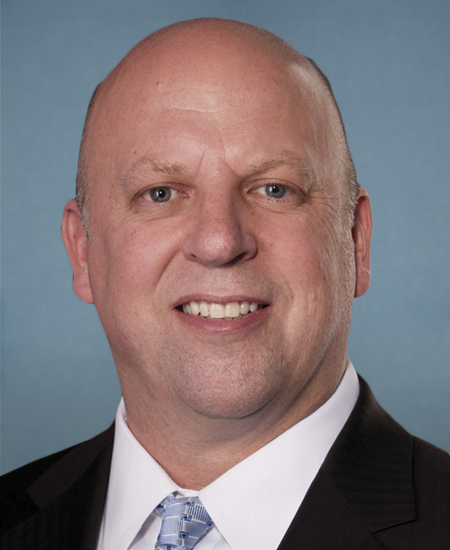
Key legislators
Who's moving energy in United States
Showing 3 of 3
bills
All energy bills
This joint resolution seeks to officially disapprove a specific rule issued by the Environmental Protection Agency regarding emissions from coal- and oil-fired power plants. If passed, the measure would prevent the EPA's proposed repeal of existing national emission standards for hazardous air pollutants from taking effect. The legislation directly impacts the EPA and the electric utility industry by maintaining current regulatory requirements for these power generation units. It operates as a legislative veto, allowing Congress to reject a federal agency's rule without passing new laws.
SJRES 60 is a joint resolution that would disapprove an Environmental Protection Agency (EPA) rule setting pollution emission limits and allocating allowances for Indiana under a revised cross-state air pollution plan. The rule, published in the Federal Register on May 20, 2025, would have required Indiana-based power plants and industrial facilities to adhere to specific emissions caps and manage pollution allowances. If passed, this resolution would cancel the EPA rule, preventing it from taking effect and halting its implementation. The resolution uses the congressional disapproval process under the Congressional Review Act to nullify the agency's regulation.
This joint resolution (SJRES 11) directs Congress to disapprove a specific rule issued by the Bureau of Ocean Energy Management (BOEM) concerning "Protection of Marine Archaeological Resources," which was published in the Federal Register on September 3, 2024 (89 Fed. Reg. 71160). The resolution blocks the rule from taking effect, meaning it will have no legal force or authority. This action directly affects activities regulated under the rule, such as offshore energy projects that may impact marine archaeological sites like shipwrecks or submerged cultural resources. The resolution uses the statutory process under Chapter 8 of Title 5, U.S. Code, to override the agency's regulation without creating new policy.