Issue · Criminal Justice

Criminal Justice (Sentencing)

Every criminal justice bill, vote, and legislator stance in United States, automatically classified by Maddy, our AI policy reader.

Total bills
63
119th Congress
Top supporter
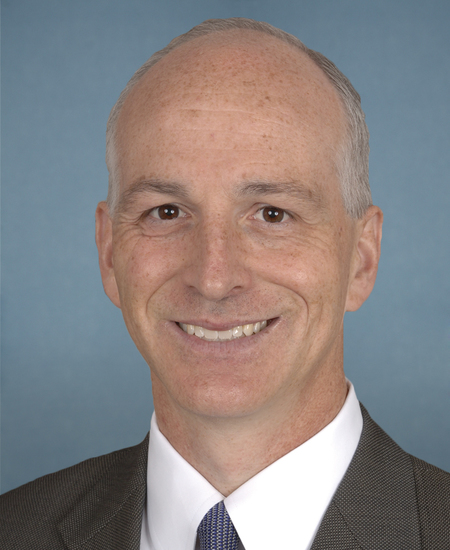
Adam Smith
100% support rate
Top opponent
Aaron Bean
0% support rate
Ranked legislators
10
5 support · 5 oppose
Key legislators

Who's moving sentencing in United States

Legislators moving sentencing in United States
Legislator Party Stance Support rate Votes
Adam Smith
Adam Smith House · District 9
D
Strong +
100% 3
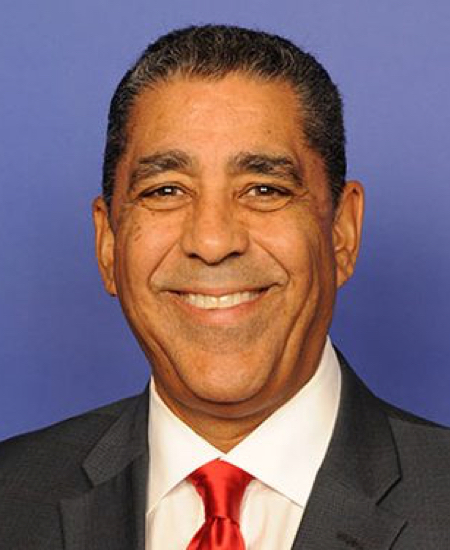
Adriano Espaillat
Adriano Espaillat House · District 13
D
Strong +
100% 3
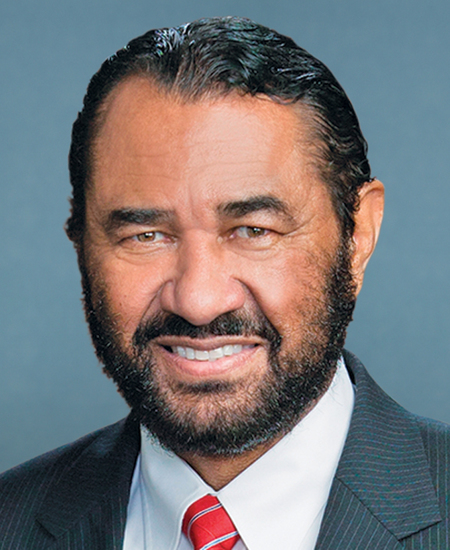
Al Green
Al Green House · District 9
D
Strong +
100% 3
Alexandria Ocasio-Cortez
Alexandria Ocasio-Cortez House · District 14
D
Strong +
100% 3
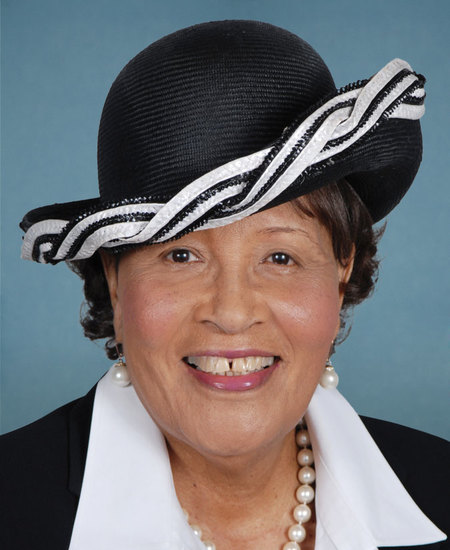
Alma S. Adams
Alma S. Adams House · District 12
D
Strong +
100% 3
Aaron Bean
Aaron Bean House · District 4
R
Strong −
0% 3
Abraham J. Hamadeh
Abraham J. Hamadeh House · District 8
R
Strong −
0% 3
Adrian Smith
Adrian Smith House · District 3
R
Strong −
0% 3
Andrew Ogles
Andrew Ogles House · District 5
R
Strong −
0% 3
Andrew R. Garbarino
Andrew R. Garbarino House · District 2
R
Strong −
0% 3
Showing 1–10 of 63 bills

All criminal justice bills

in committee · United States · Senate Aug 7, 2026

S 5372: Kayleigh’s Law Act of 2026

The Kayleigh’s Law Act of 2026 requires federal courts to issue permanent no-contact orders against individuals convicted of specific violent felonies or sexual offenses. These orders, which take effect at sentencing, prohibit any direct or indirect communication or physical interaction between the defendant and the victim for the rest of the defendant's life. Victims can request these injunctions without paying any fees, and violations are punishable as contempt of court. The only ways to end or suspend the order are if the victim petitions the court due to a pardon or changed circumstances, or if the defendant proves their conviction was dismissed or overturned on appeal.
in committee · United States · House Jul 22, 2026

HR 9850: No Deliveries Act

The No Deliveries Act amends federal immigration laws to increase penalties for individuals who knowingly enter the United States specifically to give birth and misrepresent their true purpose. Under this bill, anyone convicted of this offense could face fines and imprisonment of up to 25 years, with a mandatory minimum of 10 years if the child is born in the U.S. Additionally, the legislation grants federal courts the authority to immediately order the removal of convicted aliens at the time of sentencing. This law directly affects non-citizens attempting to bypass immigration requirements by using childbirth as a means to gain entry.
in committee · United States · House Jul 23, 2026

HR 9937: No Leniency for Fentanyl Dealers Act

This bill, known as the No Leniency for Fentanyl Dealers Act, aims to increase penalties for trafficking fentanyl and other synthetic opioids while enhancing detection efforts by the U.S. Postal Service. It lowers the quantity thresholds required for federal felony charges and mandates that sentencing guidelines be updated to reflect these stricter penalties. Additionally, the legislation directs the Postmaster General to purchase more chemical screening devices and hire scientists to identify illegal drugs in mail shipments, authorizing $9 million in funding to support these interdiction activities.
Sub-Topics Drug Policy Sentencing
in committee · United States · House Jul 20, 2026

HR 9775: Concealed Crime Prevention Act

The Concealed Crime Prevention Act amends Washington, D.C. law to impose stricter prison sentences for individuals who wear ski masks or similar head coverings that conceal their identity while committing a crime. This provision specifically targets balaclavas and comparable gear while explicitly excluding religious headwear from the definition. Under the new rules, anyone found guilty of a misdemeanor while wearing such a mask faces a mandatory minimum of six months in prison, and those convicted of a felony face a mandatory minimum of two years. These additional sentences must be served consecutively to any other prison time given for the underlying offense and apply to crimes committed on or after the bill's enactment date.
Sub-Topics Corrections Sentencing
in committee · United States · Senate Jun 10, 2026

S 4729: Biosecurity Smuggling Deterrence Act of 2026

The Biosecurity Smuggling Deterrence Act of 2026 strengthens federal penalties for the illegal transport of biological agents or toxins into the United States. It directly affects individuals convicted of conspiring to smuggle these materials, making false statements related to their importation, and attempting to smuggle them. Under the new provisions, anyone found guilty of conspiring to smuggle biological agents faces a mandatory minimum prison sentence of 20 years, while those who make false statements in connection with such activities face a mandatory minimum of 5 years. The bill also updates existing smuggling laws to explicitly include biological agents and ensures that forfeiture rules apply to these specific offenses. These changes take effect immediately upon the bill's enactment.
Sub-Topics Corrections Sentencing
in committee · United States · House Jun 4, 2026

HR 9146: Millstone Act

The Millstone Act amends federal criminal laws to increase penalties for specific sexual offenses involving violence, exploitation, or minors. Directly affecting individuals charged with these crimes, the bill mandates that they face the possibility of the death penalty or life imprisonment alongside fines. Key provisions include expanding the death penalty for acts such as female genital mutilation, civil rights offenses involving sexual misconduct, sex trafficking of children, and the production or distribution of child pornography. By removing previous caps on sentencing, the legislation ensures that these serious violations can result in the most severe punishments allowed under federal law.
in committee · United States · House May 21, 2026

HR 8951: Zero Tolerance for Fraudsters Act of 2026

The Zero Tolerance for Fraudsters Act of 2026 establishes mandatory minimum prison sentences for individuals convicted of specific federal fraud offenses involving large sums of money. This legislation directly affects people charged with crimes such as making false statements to the government, mail fraud, wire fraud, and bank fraud. Under the new rules, anyone convicted of these crimes who involved at least $1 million but less than $5 million would face a minimum of one year in prison, while those involved with $5 million or more would face a minimum of five years. The bill sets these floors only when the existing laws for a specific crime do not already require a longer sentence, ensuring that serious financial fraud results in significant incarceration time.
Sub-Topics Corrections Sentencing
in committee · United States · House May 7, 2026

HR 8678: Zero Tolerance for Political Violence Act of 2026

This bill, titled the Zero Tolerance for Political Violence Act of 2026, proposes to increase the mandatory minimum prison sentences for individuals who attempt to assassinate specific federal officials. The legislation directly impacts anyone attempting to kill the President, Cabinet members, Supreme Court justices, and members of Congress. Under the new provisions, a conviction for such an attempt would result in a minimum of 25 years in prison or life imprisonment. These changes amend existing federal statutes to enforce stricter penalties uniformly for designated targets.
in committee · United States · House May 7, 2026

HR 8685: Protect the Presidency Act

The Protect the Presidency Act amends federal law to allow for the death penalty as a punishment for assassinating certain high-ranking government officials. This change directly affects the sentencing guidelines for crimes involving the killing of the President, Vice President, or other protected individuals under Title 18 of the United States Code. Previously, the maximum penalty for such offenses was imprisonment, but this legislation adds the option of execution to the list of potential punishments. The bill modifies existing statutes without creating new criminal offenses.
Sub-Topics Sentencing
in committee · United States · Senate Mar 26, 2026

S 4224: Dalilah’s Law Act

This bill, known as Dalilah's Law Act, prohibits individuals with certain immigration statuses from obtaining or using commercial driver's licenses in interstate commerce. It requires state officials to verify an applicant's employment eligibility through E-Verify before issuing such licenses and imposes criminal penalties, including mandatory minimum sentences for accidents causing injury or death. The legislation also establishes civil penalties for businesses that assist in violations and allows victims of accidents caused by these drivers to sue for triple damages. Additionally, it adds the use of commercial licenses by these individuals as an aggravated felony and grounds for deportation under immigration law.
Showing 1 to 10 of 63 bills
1 2 3 7 Next