Issue · Criminal Justice

Criminal Justice (Policing)

Every criminal justice bill, vote, and legislator stance in United States, automatically classified by Maddy, our AI policy reader.

Total bills
18
119th Congress
Top supporter
Adam Smith
100% support rate
Top opponent
Dave Min
0% support rate
Ranked legislators
10
5 support · 5 oppose
Key legislators

Who's moving policing in United States

Legislators moving policing in United States
Legislator Party Stance Support rate Votes
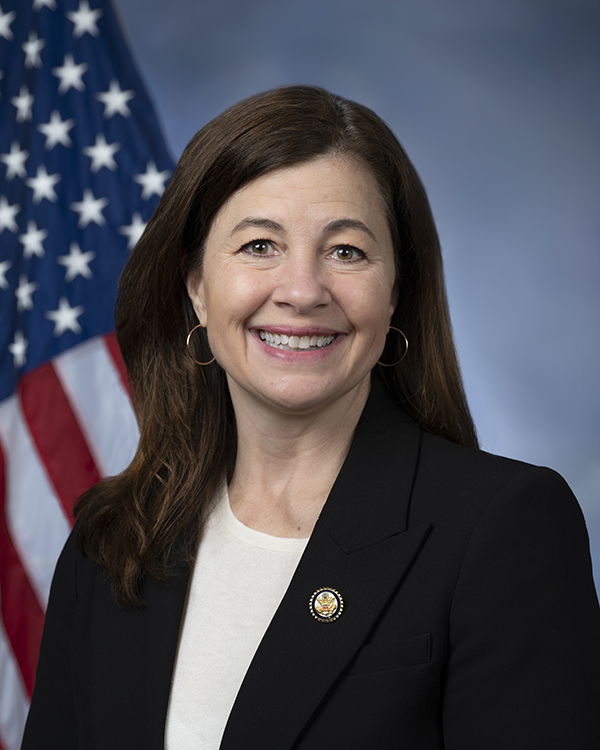
Adam Smith
Adam Smith House · District 9
D
Strong +
100% 3
Ami Bera
Ami Bera House · District 6
D
Strong +
100% 3
Gabe Vasquez
Gabe Vasquez House · District 2
D
Strong +
100% 3
John W. Mannion
John W. Mannion House · District 22
D
Strong +
100% 3
Kristen McDonald Rivet
Kristen McDonald Rivet House · District 8
D
Strong +
100% 3
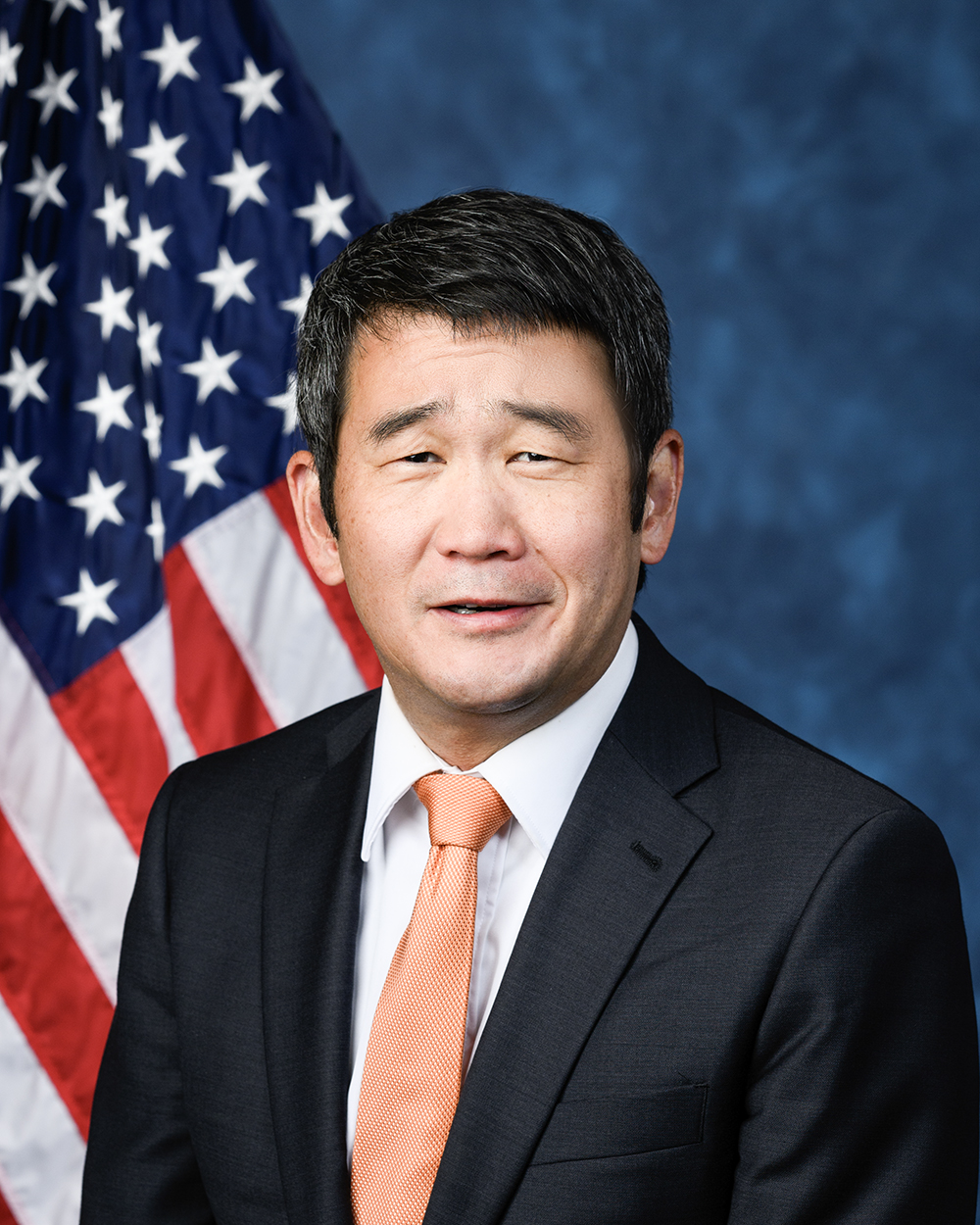
Dave Min
Dave Min House · District 47
D
Strong −
0% 3
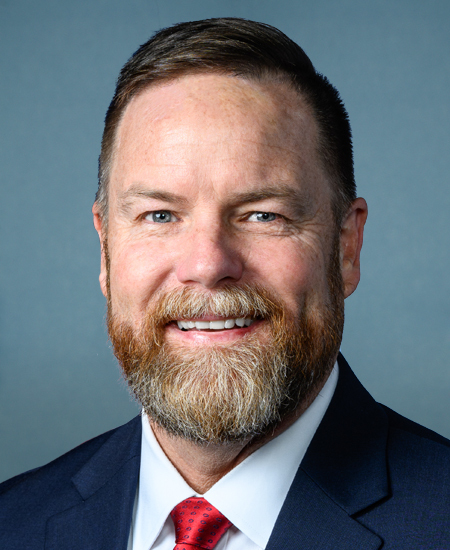
Aaron Bean
Aaron Bean House · District 4
R
Oppose
33% 3
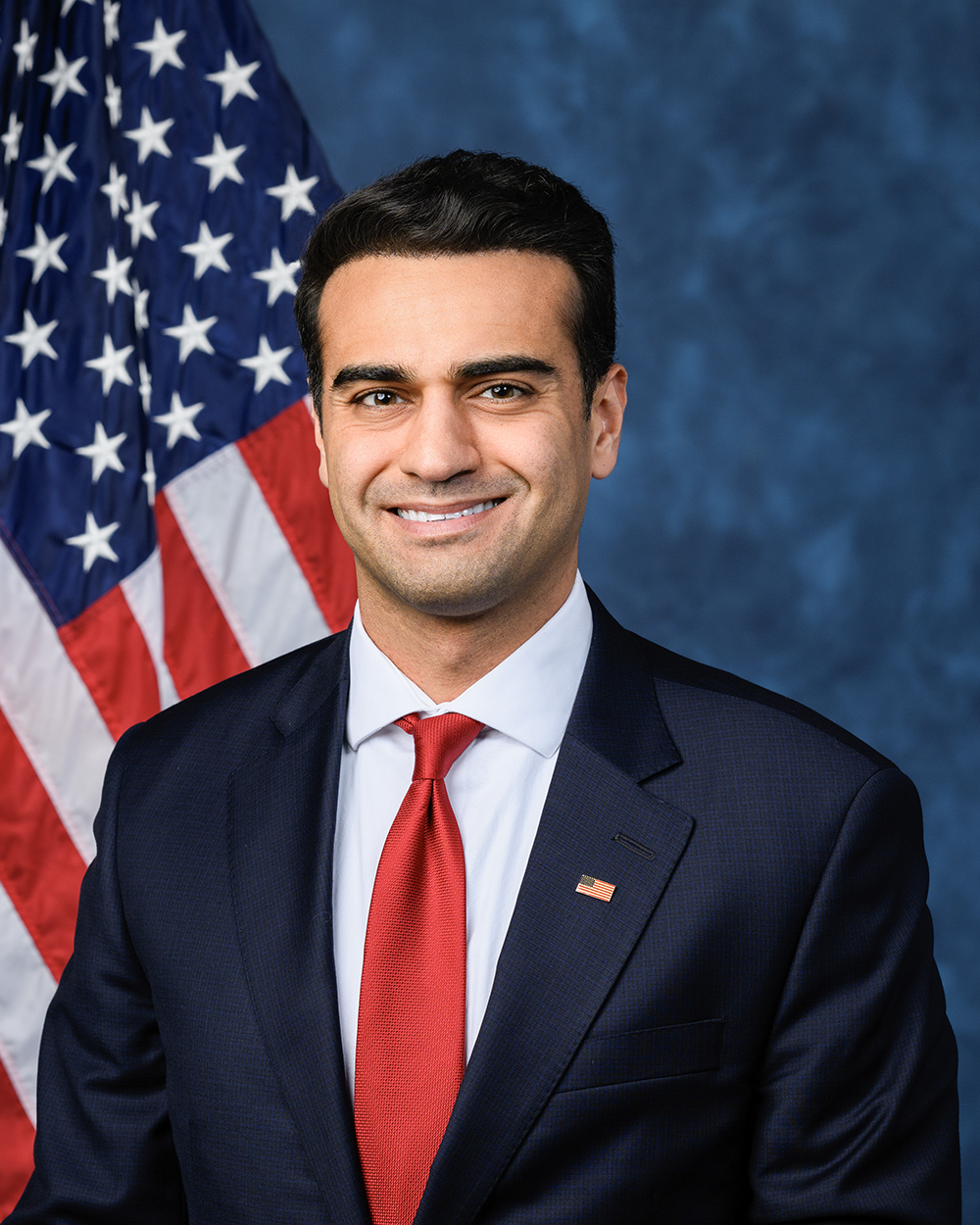
Abraham J. Hamadeh
Abraham J. Hamadeh House · District 8
R
Oppose
33% 3
Addison P. McDowell
Addison P. McDowell House · District 6
R
Oppose
33% 3
Andrew Ogles
Andrew Ogles House · District 5
R
Oppose
33% 3
Showing 1–10 of 18 bills

All criminal justice bills

in committee · United States · House May 15, 2026

HR 8843: FAFO Act

The Federal Accountability for Felony Obstruction Act expands the legal definition of domestic terrorism to include acts that obstruct law enforcement officers or individuals seeking medical attention. By amending existing federal statutes, the bill ensures that property damage occurring during such obstructions is counted as part of the terrorist classification. This change directly affects individuals who engage in violent resistance against police or emergency responders, potentially increasing the severity of charges they face. The legislation focuses on tightening the criteria for what constitutes domestic terrorism rather than altering the underlying penalties for the acts themselves.
in committee · United States · House May 11, 2026

HR 8727: No Illegal Captivity and Extensions Act of 2026

The No Illegal Captivity and Extensions Act of 2026 prohibits the Department of Homeland Security from issuing or enforcing immigration detainers, which are requests for local law enforcement to hold individuals beyond their scheduled release. This change directly affects federal immigration authorities and local police departments by removing the legal basis for holding people based solely on immigration status. The bill achieves this by amending the Immigration and Nationality Act to strike specific detention provisions and adding a general ban on detainers, including those used through agreements with other government agencies. Consequently, local law enforcement agencies would no longer be legally required to detain individuals after their criminal sentences are completed if the federal government requests it.
in committee · United States · House Mar 21, 2025

HR 2273: UPRISERS Act

HR 2273, the UPRISERS Act, would require the revocation of student visas for international students on F-1, J-1, or M-1 visas who are convicted of assaulting a police officer or committing specific riot-related offenses. These offenses include inciting riots, organizing or participating in riots, committing violence during riots, or aiding others in such acts. The bill adds these convictions as automatic grounds for deportation under existing immigration law. It directly affects international students holding these specific visa types who face criminal convictions for the listed violent or disruptive conduct. The policy change would make visa revocation and deportation mandatory for these offenses, rather than leaving it to discretionary enforcement.
in committee · United States · House Jun 10, 2025

HR 3859: Returning Illegals over Turmoil Act

This bill would make non-citizens deportable if they incite or participate in riots during civil unrest involving assaults on law enforcement or military personnel, or destruction of public property, and who were unlawfully present, had DACA, or were lawful permanent residents at the time of the offense. It permanently bars such individuals from reentering the U.S. or accessing any relief from deportation, including asylum, cancellation of removal, or future DACA benefits. During declared emergencies (such as national disasters or state emergencies), the law mandates expedited removal and mandatory detention for those covered, with no discretion for enforcement.
in committee · United States · Senate Sep 2, 2025

S 2687: CLEAN DC Act

S 2687, the CLEAN DC Act, repeals the Comprehensive Policing and Justice Reform Amendment Act of 2022 (D.C. Law 24-345). This bill directly affects Washington, D.C.'s policing laws and regulations by restoring all prior legal provisions that were amended or repealed by the 2022 law. The key mechanism is a straightforward repeal, returning the District's policing framework to its pre-2022 state without creating new policies. The bill does not introduce new provisions but reverses specific changes enacted in 2022.
in committee · United States · Senate Jul 21, 2025

S 2366: SAFE Cities Act

S 2366, the SAFE Cities Act, defines an "anarchist jurisdiction" as a state or local government that fails to take reasonable steps to stop violence or property destruction. The bill requires the Attorney General to publish and update a list of such jurisdictions within 14 days of enactment and every 180 days thereafter, considering factors like policies restricting police intervention or refusing federal law enforcement assistance. It directs the Office of Management and Budget to issue guidance urging federal agencies to restrict or disfavor anarchist jurisdictions in federal grant programs where legally permitted. The bill directly affects states and local governments identified under this definition by potentially limiting their access to federal funding.
passed · United States · House Jun 11, 2025

HR 2096: Protecting Our Nation’s Capital Emergency Act

HR 2096, the "Protecting Our Nation’s Capital Emergency Act," aims to address rising crime in Washington, D.C., by reversing specific District of Columbia police policies. It directly affects Metropolitan Police Department officers and civilian employees by restoring two key provisions: (1) the right for officers to negotiate discipline matters through collective bargaining, and (2) the statute of limitations for claims against police personnel. The bill repeals related sections of the 2022 D.C. Comprehensive Policing and Justice Reform Act, which had previously limited these rights. These changes are intended to improve police recruitment and retention amid staffing shortages and rising crime rates.
in committee · United States · Senate Jan 17, 2025

S 149: Public Safety First Act

This bill amends immigration law to require the immediate detention of certain non-citizens who are charged with, arrested for, convicted of, or admit to committing specific crimes - including burglary, theft, shoplifting, assault on police officers, or crimes causing death/serious injury. It directly affects non-citizens facing these offenses by expanding mandatory detention under existing immigration rules. The key provision requires the Homeland Security Secretary to issue a detainer and take custody of such individuals if not already detained by authorities, using definitions of crimes based on the jurisdiction where the offense occurred.
in committee · United States · Senate Sep 4, 2025

S 2705: Keep Violent Criminals Off Our Streets Act

This bill prohibits federal grants for states or local governments that maintain policies limiting cash bail for individuals charged with specific violent or disorderly crimes. It defines "covered offenses" as violent acts (murder, rape, robbery) or crimes promoting public disorder (looting, rioting, fleeing police). Starting October 1 after enactment, the Attorney General cannot award or renew such grants to jurisdictions with bail policies that substantially limit cash bail for these offenses. The bill directly affects state and local governments whose bail laws for these crimes conflict with the federal grant eligibility rules.
passed · United States · House Nov 20, 2025

HR 5107: Common-Sense Law Enforcement and Accountability Now in DC Act of 2025

HR 5107, the Common-Sense Law Enforcement and Accountability Now in DC Act (CLEAN DC Act), repeals D.C. Law 24-345 (the 2022 Comprehensive Policing and Justice Reform Amendment Act). This bill directly affects Washington, D.C.'s policing and justice systems by reversing all changes made under that 2022 law. The key mechanism is a straightforward repeal, restoring all prior District laws as if the 2022 reform had never been enacted. The bill does not introduce new provisions but undoes existing reforms to the District’s law enforcement framework.
Showing 1 to 10 of 18 bills
1 2 Next