Issue · Criminal Justice

Criminal Justice (Corrections)

Every criminal justice bill, vote, and legislator stance in United States, automatically classified by Maddy, our AI policy reader.

Total bills
109
119th Congress
Top supporter
Adam B. Schiff
100% support rate
Top opponent
Frank J. Mrvan
0% support rate
Ranked legislators
10
5 support · 5 oppose
Key legislators

Who's moving corrections in United States

Legislators moving corrections in United States
Legislator Party Stance Support rate Votes
Adam B. Schiff
Adam B. Schiff Senate
D
Strong +
100% 3
Chris Van Hollen
Chris Van Hollen Senate
D
Strong +
100% 3
Christopher Murphy
Christopher Murphy Senate
D
Strong +
100% 3
Cory A. Booker
Cory A. Booker Senate
D
Strong +
100% 3
Edward J. Markey
Edward J. Markey Senate
D
Strong +
100% 3
Frank J. Mrvan
Frank J. Mrvan House · District 1
D
Strong −
0% 5
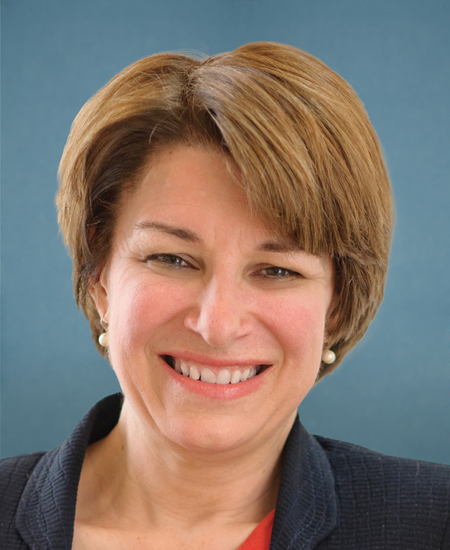
Amy Klobuchar
Amy Klobuchar Senate
D
Strong −
0% 3
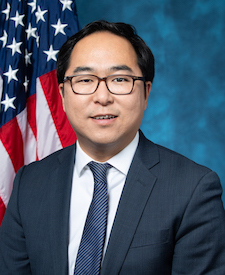
Andy Kim
Andy Kim Senate
D
Strong −
0% 3
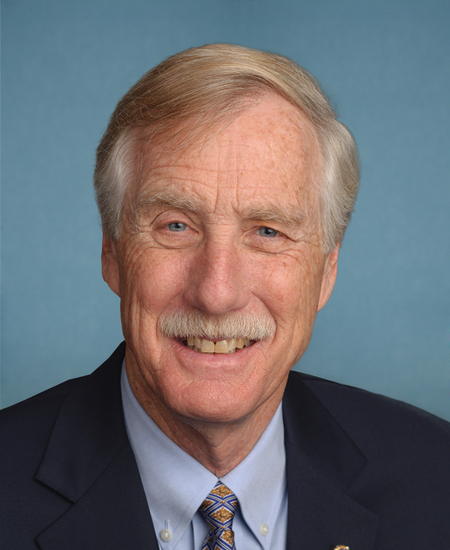
Angus S. King, Jr.
Angus S. King, Jr. Senate
I
Strong −
0% 3
Ashley Moody
Ashley Moody Senate
R
Strong −
0% 3
Showing 1–10 of 109 bills

All criminal justice bills

in committee · United States · House Sep 3, 2026

HR 10269: Stop Auto Fraud Act of 2026

The Stop Auto Fraud Act of 2026 creates a new federal crime for individuals who knowingly stage or fabricate motor vehicle accidents to submit false insurance claims. The bill directly affects people involved in these schemes by imposing penalties that include fines and up to 10 years in prison, with sentences increasing to 20 years if serious bodily injury occurs and potentially life imprisonment if the fraud results in death. Additionally, any criminal fines collected under this new law must be deposited into the Highway Trust Fund rather than general government revenue.
Sub-Topics Corrections
in committee · United States · Senate Aug 4, 2026

S 5229: SWIPES Act

The SWIPES Act strengthens federal laws against financial fraud by explicitly including gift cards and digital credentials in the definition of "access devices" under existing statutes. It significantly increases prison sentences for individuals who traffic large quantities of counterfeit or unauthorized access devices, with penalties reaching up to 30 years for offenses involving more than 1,000 items. Additionally, the bill introduces a new federal offense that mandates an extra two-year consecutive prison sentence for anyone who commits fraud against victims over the age of 60.
Sub-Topics Corrections
in committee · United States · House Jul 23, 2026

HR 9904: Deputy Darren Almendarez Act

This bill, known as the Deputy Darren Almendarez Act, adds a new federal crime for knowingly possessing or purchasing catalytic converters removed from vehicles with the intent to sell or distribute them. It directly affects individuals involved in the removal and resale of these parts, as well as businesses like scrap yards and repair shops, by establishing penalties of up to five years in prison and fines of $100,000 for first offenses. The law includes specific exceptions that allow for legal possession or purchase if the converter was removed by a vehicle owner, acquired during official duties by authorized entities, or bought from licensed businesses that follow state and local identification rules. For repeat offenders, the potential prison sentence increases to ten years and the fine limit rises to $200,000.
in committee · United States · House Jul 20, 2026

HR 9775: Concealed Crime Prevention Act

The Concealed Crime Prevention Act amends Washington, D.C. law to impose stricter prison sentences for individuals who wear ski masks or similar head coverings that conceal their identity while committing a crime. This provision specifically targets balaclavas and comparable gear while explicitly excluding religious headwear from the definition. Under the new rules, anyone found guilty of a misdemeanor while wearing such a mask faces a mandatory minimum of six months in prison, and those convicted of a felony face a mandatory minimum of two years. These additional sentences must be served consecutively to any other prison time given for the underlying offense and apply to crimes committed on or after the bill's enactment date.
Sub-Topics Corrections Sentencing
in committee · United States · Senate Jun 10, 2026

S 4729: Biosecurity Smuggling Deterrence Act of 2026

The Biosecurity Smuggling Deterrence Act of 2026 strengthens federal penalties for the illegal transport of biological agents or toxins into the United States. It directly affects individuals convicted of conspiring to smuggle these materials, making false statements related to their importation, and attempting to smuggle them. Under the new provisions, anyone found guilty of conspiring to smuggle biological agents faces a mandatory minimum prison sentence of 20 years, while those who make false statements in connection with such activities face a mandatory minimum of 5 years. The bill also updates existing smuggling laws to explicitly include biological agents and ensures that forfeiture rules apply to these specific offenses. These changes take effect immediately upon the bill's enactment.
Sub-Topics Corrections Sentencing
in committee · United States · Senate Jun 3, 2026

S 4671: Federal Firearms Licensee Protection Act of 2026

The Federal Firearms Licensee Protection Act of 2026 increases penalties for individuals who knowingly violate federal laws regarding the possession of firearms by licensed dealers. Specifically, it raises the maximum prison sentence for such violations to 20 years and mandates a minimum of three years in prison if the offense occurs during a burglary of a licensed business. The law also sets a five-year minimum sentence if the violation happens during a robbery. These changes directly affect federal firearms licensees and anyone attempting to illegally possess firearms from them.
in committee · United States · House Jun 3, 2026

HR 9131: Protecting Kids from Creeps Act

The Protecting Kids from Creeps Act prohibits surrogacy agencies, their employees, and sex offenders from participating in surrogacy agreements, directly affecting fertility clinics, staff, and individuals required to register as sex offenders. The bill mandates severe criminal penalties, including fines and prison sentences of at least 10 to 20 years, for knowingly or recklessly facilitating such agreements, while also stripping convicted agencies of their tax-exempt status and eligibility for federal grants. Any surrogacy agreement formed in violation of these rules is declared legally void and unenforceable, meaning it cannot be used to establish parental rights. In cases where a child is born from an illegal agreement, custody decisions will be made solely based on the best interests of the child under the laws of the state where the surrogate lives, ignoring any prior contracts. Additionally, the Attorney General can pursue civil penalties equal to the compensation received or offered for prohibited conduct.
Sub-Topics Corrections
in committee · United States · Senate Apr 30, 2026

S 4461: Visual Protection of Strategic Assets Act

The Visual Protection of Strategic Assets Act strengthens federal laws to prevent espionage by targeting individuals from specific countries, including China, Russia, Iran, and North Korea. It requires the Department of Defense to create and publicly update lists of high-value military assets and critical installations, which must be marked with signs prohibiting photography and surveillance. The bill expands criminal penalties for taking photos or videos of these sites, introducing stricter rules for digital imagery and artificial intelligence enhancements, and mandates longer prison sentences and visa revocations for citizens of the listed nations who commit violations.
Sub-Topics Corrections
in committee · United States · Senate Apr 15, 2026

S 4305: Safer Prisons Act of 2026

The Safer Prisons Act of 2026 increases the maximum prison sentence and fine for individuals convicted of assaulting correctional officers at the Bureau of Prisons. This change specifically targets attacks on federal prison staff by doubling the potential punishment compared to similar assaults on other law enforcement officers. The bill amends existing federal law to ensure that violence against these specific officers carries a heavier penalty.
in committee · United States · Senate May 18, 2026

S 4553: Aaron Salter, Jr., Responsible Body Armor Possession Act

This bill, known as the Aaron Salter, Jr., Responsible Body Armor Possession Act, prohibits civilians from buying, owning, or possessing enhanced body armor. The law defines enhanced body armor as protective gear that meets or exceeds the ballistic resistance of RF1 armor, which includes certain helmets and shields. Exceptions are made for law enforcement officers, government agencies, and individuals who already legally owned such armor before the law takes effect. Violating this ban could result in a fine, up to five years in prison, or both penalties.
Showing 1 to 10 of 109 bills
1 2 3 11 Next