Issue · Criminal Justice

Criminal Justice

Every criminal justice bill, vote, and legislator stance in United States, automatically classified by Maddy, our AI policy reader.

Total bills
985
119th Congress
Top supporter
Alan Armstrong
86% support rate
Top opponent
Amy Klobuchar
13% support rate
Ranked legislators
10
5 support · 5 oppose
Key legislators

Who's moving criminal justice in United States

Legislators moving criminal justice in United States
Legislator Party Stance Support rate Decisive votes
AA
Alan Armstrong Senate
R
Strong +
86% 28
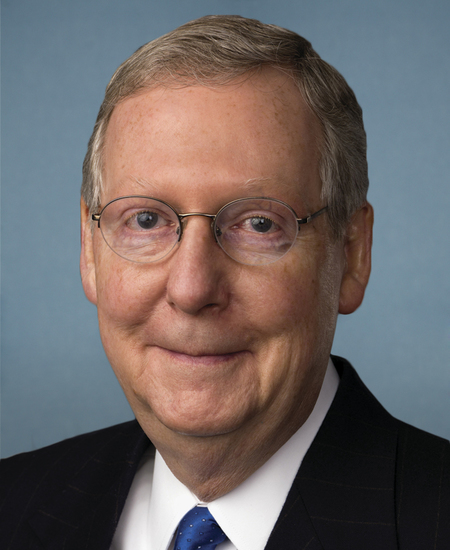
Mitch McConnell
Mitch McConnell Senate
R
Strong +
84% 31
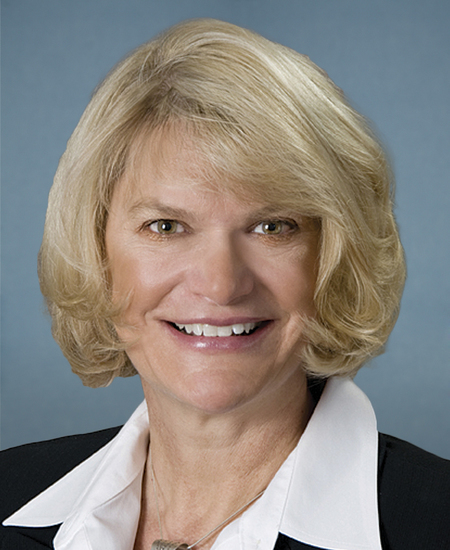
Cynthia M. Lummis
Cynthia M. Lummis Senate
R
Strong +
80% 30
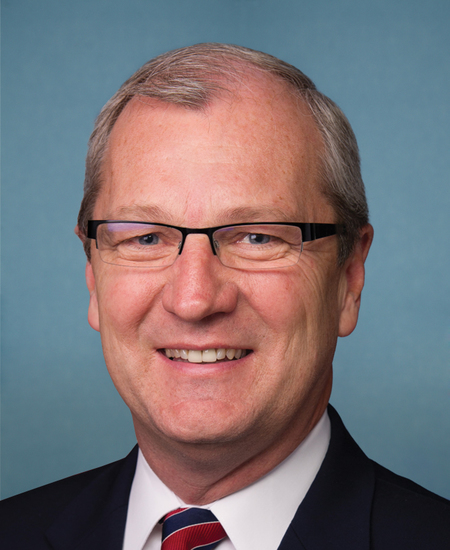
Kevin Cramer
Kevin Cramer Senate
R
Strong +
80% 30
Bernie Moreno
Bernie Moreno Senate
R
Support
77% 31
Amy Klobuchar
Amy Klobuchar Senate
D
Strong −
13% 31
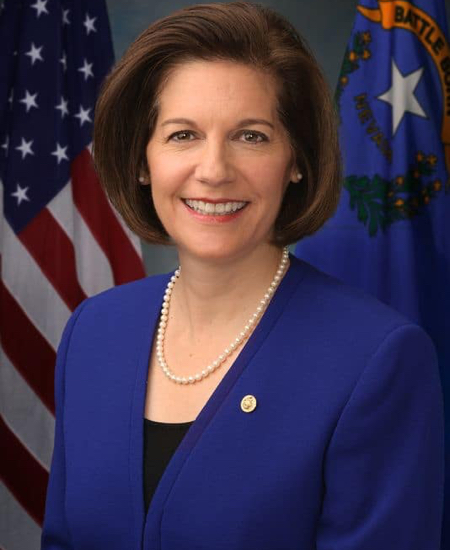
Catherine Cortez Masto
Catherine Cortez Masto Senate
D
Strong −
13% 31
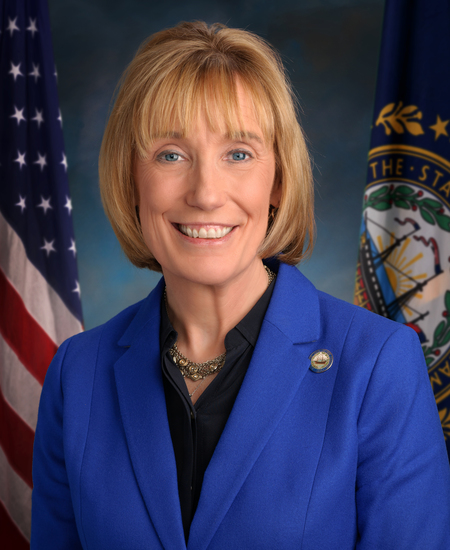
Margaret Wood Hassan
Margaret Wood Hassan Senate
D
Strong −
13% 31
Andy Kim
Andy Kim Senate
D
Strong −
16% 31
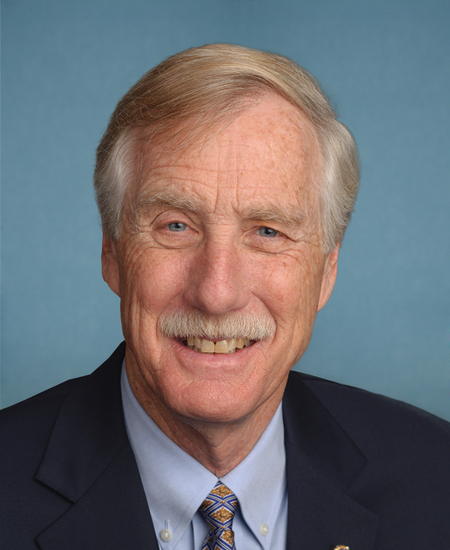
Angus S. King, Jr.
Angus S. King, Jr. Senate
I
Strong −
16% 31
Showing 901–910 of 985 bills

All criminal justice bills

in committee · United States · Senate Nov 20, 2025

S 3239: JAIL Act

This bill allows victims (or their families if the victim is deceased) to sue judges or government entities in federal court if a repeat violent offender - someone with a prior conviction for a violent crime under federal law - is released on bail before trial and then harms another person. It removes judicial immunity, meaning judges cannot claim protection from such lawsuits. The law specifically targets cases involving defendants charged with violent crimes who have a history of violent offenses, focusing on accountability for pre-trial release decisions. It directly affects judges, prosecutors, and other officials involved in bail decisions, as well as victims of crimes committed by released offenders.
in committee · United States · Senate Oct 30, 2025

S 3077: Safer Supervision Act of 2025

Senate Bill 3077, the Safer Supervision Act of 2025, would reform federal supervised release by requiring courts to make individualized assessments about whether to impose supervision and for how long, rather than automatically applying it. The bill establishes a presumption for early termination of supervised release after defendants serve 50% of their term (or 66.6% for certain offenses), provided they've demonstrated good conduct, compliance, and early termination won't jeopardize public safety. It also modifies probation officer compensation to match criminal investigators' pay, expands opportunities for prisoners not sentenced to supervised release to earn early release through time credits, and requires a GAO study on federal post-release supervision and reentry services. These changes aim to reduce probation officer caseloads, encourage rehabilitation, and better align supervision with public safety needs.
in committee · United States · Senate May 22, 2025

S 1914: Andrew Kearse Accountability for Denial of Medical Care Act of 2025

This bill requires federal law enforcement officers, Bureau of Prisons staff, and U.S. Marshals to immediately obtain or provide medical care when someone in federal custody shows medical distress (like breathing difficulties). It makes it a federal offense for covered officials to negligently fail to act, punishable by fines, up to one year in prison, or both. The bill mandates Inspector General investigations into such failures that cause harm and establishes confidential complaint processes. It also requires agencies to train covered officials on responding to medical distress in custody. The law directly affects individuals in federal custody and the specific federal officials responsible for their care.
in committee · United States · Senate May 1, 2025

S 1580: Clean Slate Act of 2025

The Clean Slate Act of 2025 provides two pathways to seal certain criminal records. It automatically seals records of individuals arrested but not convicted for federal offenses after 180 days, and seals records of those convicted of specific marijuana offenses after completing their sentences. For other nonviolent offenses, individuals can petition courts for record sealing after completing sentences, with courts weighing rehabilitation against public safety concerns. Sealed records cannot be used in most background checks, though law enforcement and security positions may access them, and employers hiring individuals with sealed records are protected from liability for related misconduct.
in committee · United States · House Sep 30, 2025

HR 5640: Northern Mariana Islands and American Samoa Criminal Justice Support Act

This bill amends the definition of "State" in the Omnibus Crime Control and Safe Streets Act to explicitly include the Northern Mariana Islands, removing redundant language. It ensures the Northern Mariana Islands qualifies for federal criminal justice funding typically available to states. The bill directly affects the Northern Mariana Islands by enabling its access to these funds for local law enforcement and justice programs. The provided text does not detail provisions for American Samoa, though the bill title references both territories.
Sub-Topics Law Enforcement
in committee · United States · Senate Jan 15, 2026

S 3663: NDO Fairness Act of 2026

The NDO Fairness Act of 2026 amends federal law to regulate when law enforcement can delay notifying individuals whose electronic communications data is accessed via warrants or subpoenas. It requires courts to issue written findings before granting "preclusion of notice" orders, limiting delays to 1 year for child exploitation cases or 90 days for other investigations, and mandates that such orders must be narrowly tailored to avoid unnecessary secrecy. After the delay period ends, law enforcement must notify the affected person within 5 business days and provide a copy of the warrant, along with details about the investigation and the data accessed (with redactions for sensitive materials like child exploitation evidence). This bill directly affects law enforcement agencies, technology providers (like internet or phone companies), and customers whose data is accessed under these orders, while requiring annual public reports on how often these orders are used.
Sub-Topics Courts Law Enforcement
in committee · United States · Senate Dec 15, 2025

S 3470: Accountability for Federal Law Enforcement Act

This bill amends Section 1983 of federal law to make federal law enforcement agencies financially liable when officers violate constitutional rights during searches, seizures, or arrests. It directly affects federal agencies (like the FBI or DHS) and citizens who experience such rights violations. Key provisions remove the requirement that a violation must stem from an agency's policy or custom, and waive the U.S. government's sovereign immunity - meaning agencies can be sued directly in court regardless of officer defenses or immunities. The law expands legal recourse for victims by enabling lawsuits against the agency itself, not just individual officers.
Sub-Topics Courts Law Enforcement Tags Civil Liberties
in committee · United States · House Sep 3, 2025

HR 5118: Protecting Law Enforcement from Doxxing Act

HR 5118, the "Protecting Law Enforcement from Doxxing Act," makes it a federal crime to publicly release the name of a federal law enforcement officer with the intent to obstruct a criminal investigation or immigration enforcement operation. The bill directly affects federal officers, including those working on immigration enforcement, by adding new protections to Title 18 of the U.S. Code. Key provisions create a new offense under Section 1510(f), punishable by fines, up to five years in prison, or both. The law specifically targets doxxing intended to interfere with official operations, not general public disclosure of officer identities.
in committee · United States · House Jun 26, 2025

HR 4197: LGBTQ+ Panic Defense Prohibition Act of 2025

This bill prohibits defendants in federal criminal cases from using a victim's LGBTQ identity (sexual orientation, gender identity, or expression) as a defense to excuse or reduce punishment for violent crimes. It amends federal law to ban arguments that claim a "nonviolent sexual advance" or inaccurate perception of someone's LGBTQ status justified the defendant's actions. The law allows limited admission of past trauma evidence under standard federal rules but requires the Attorney General to annually report on federal prosecutions involving bias-motivated violence against LGBTQ individuals. This directly affects defendants in federal court cases where such defenses were previously used, aiming to end the practice of treating LGBTQ victims' identities as justification for violence.
Sub-Topics Courts
in committee · United States · Senate Feb 9, 2026

S 3803: Right to Redress Act

S 3803, the Right to Redress Act, allows individuals to request a jury trial when filing civil claims against the U.S. government for property damage, personal injury, or death caused by negligent or wrongful acts of federal law enforcement officers during official duties. It directly affects people harmed by federal officers (such as FBI agents or border patrol agents) while they are performing their jobs. The bill adds a new provision (28 U.S.C. § 2675(d)) requiring courts to provide jury trials for these specific claims upon the claimant's request. This changes the existing process by giving claimants a choice between administrative review or a jury trial, while clarifying that "federal law enforcement officer" includes agents and employees authorized to enforce federal law.
Sub-Topics Law Enforcement
Showing 901 to 910 of 985 bills
Previous 1 … 90 91 92 … 99 Next