Issue · Criminal Justice

Criminal Justice (Firearms)

Every criminal justice bill, vote, and legislator stance in United States, automatically classified by Maddy, our AI policy reader.

Total bills
112
119th Congress
Top supporter
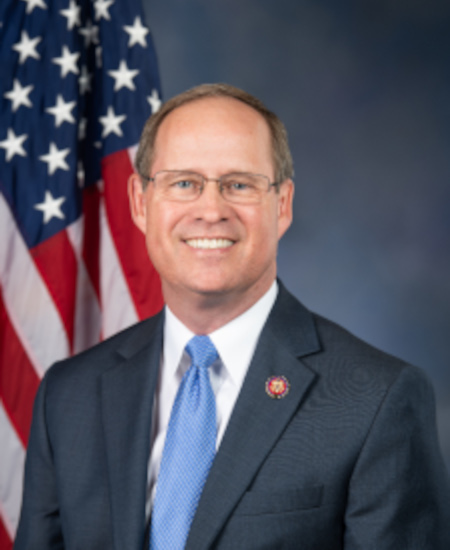
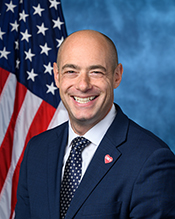
Gregory F. Murphy
75% support rate
Top opponent
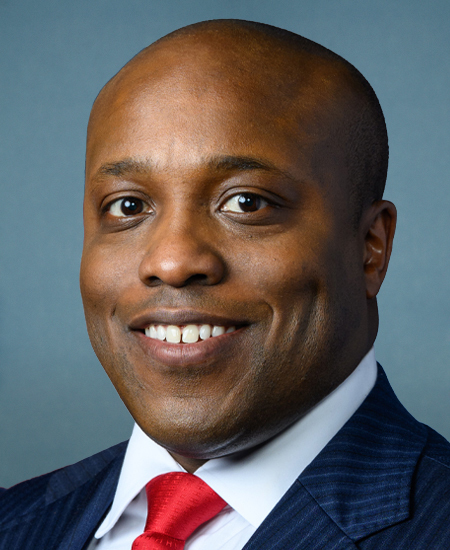
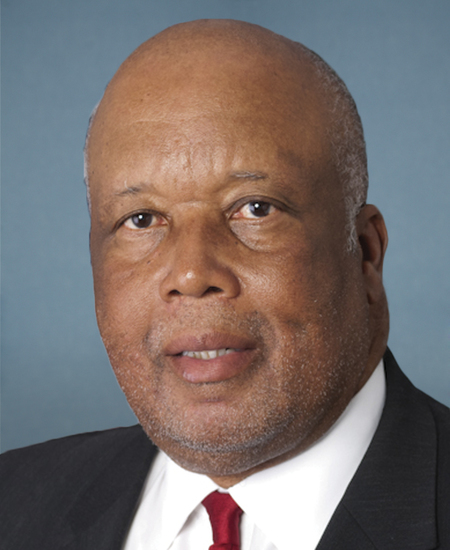
Bennie G. Thompson
20% support rate
Ranked legislators
10
5 support · 5 oppose
Key legislators

Who's moving firearms in United States

Legislators moving firearms in United States
Legislator Party Stance Support rate Decisive votes
Gregory F. Murphy
Gregory F. Murphy House · District 3
R
Support
75% 4
Mike Johnson
Mike Johnson House · District 4
R
Support
75% 4
Russ Fulcher
Russ Fulcher House · District 1
R
Support
75% 4
Wesley Hunt
Wesley Hunt House · District 38
R
Support
75% 4
Adelita S. Grijalva
Adelita S. Grijalva House · District 7
D
Support
67% 3
Bennie G. Thompson
Bennie G. Thompson House · District 2
D
Strong −
20% 5
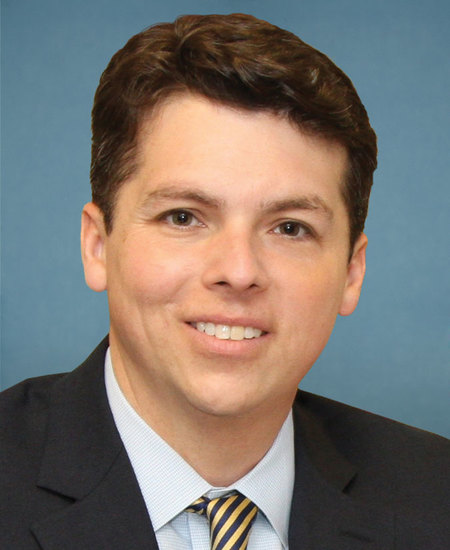
Brendan F. Boyle
Brendan F. Boyle House · District 2
D
Strong −
20% 5
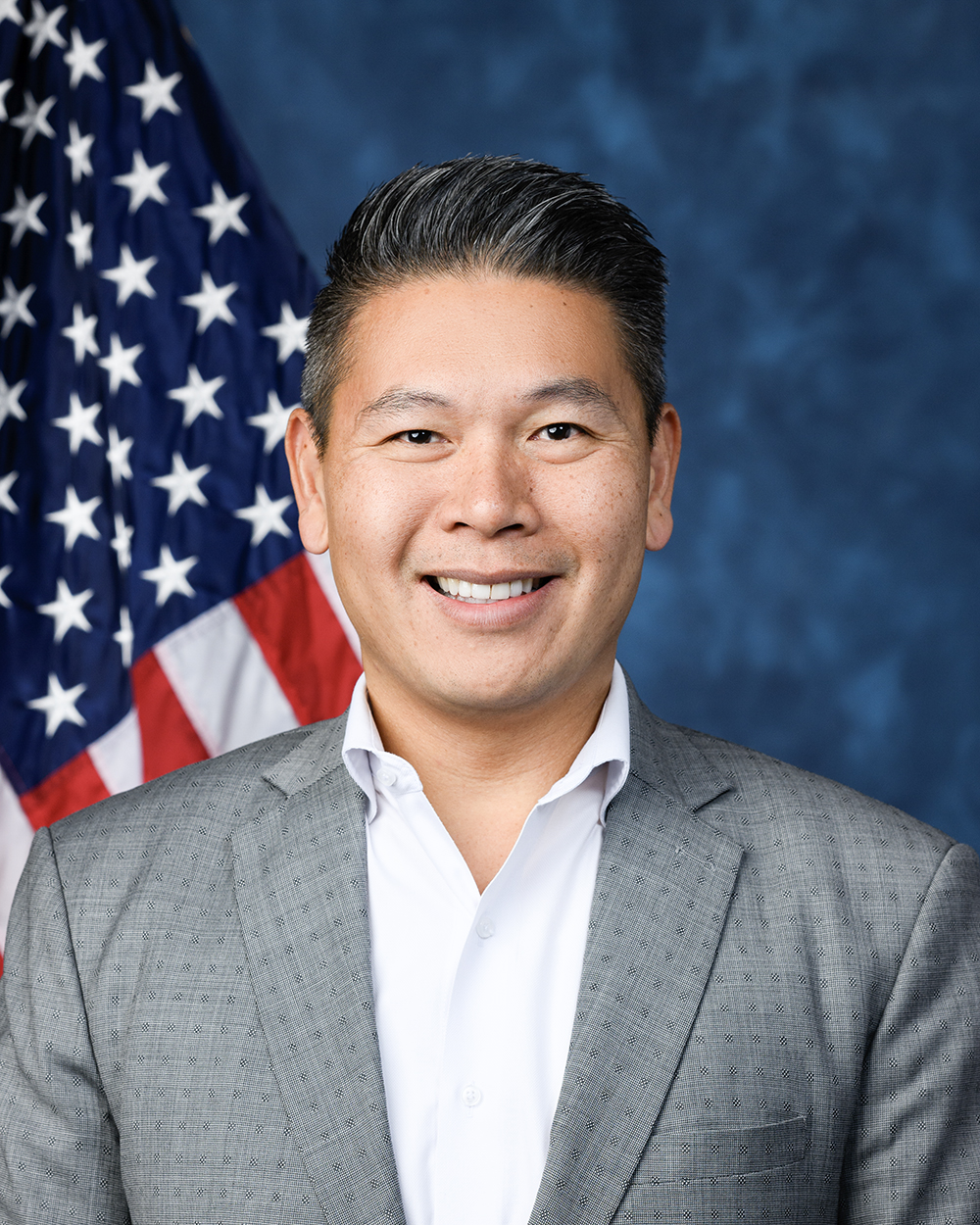
Derek Tran
Derek Tran House · District 45
D
Strong −
20% 5
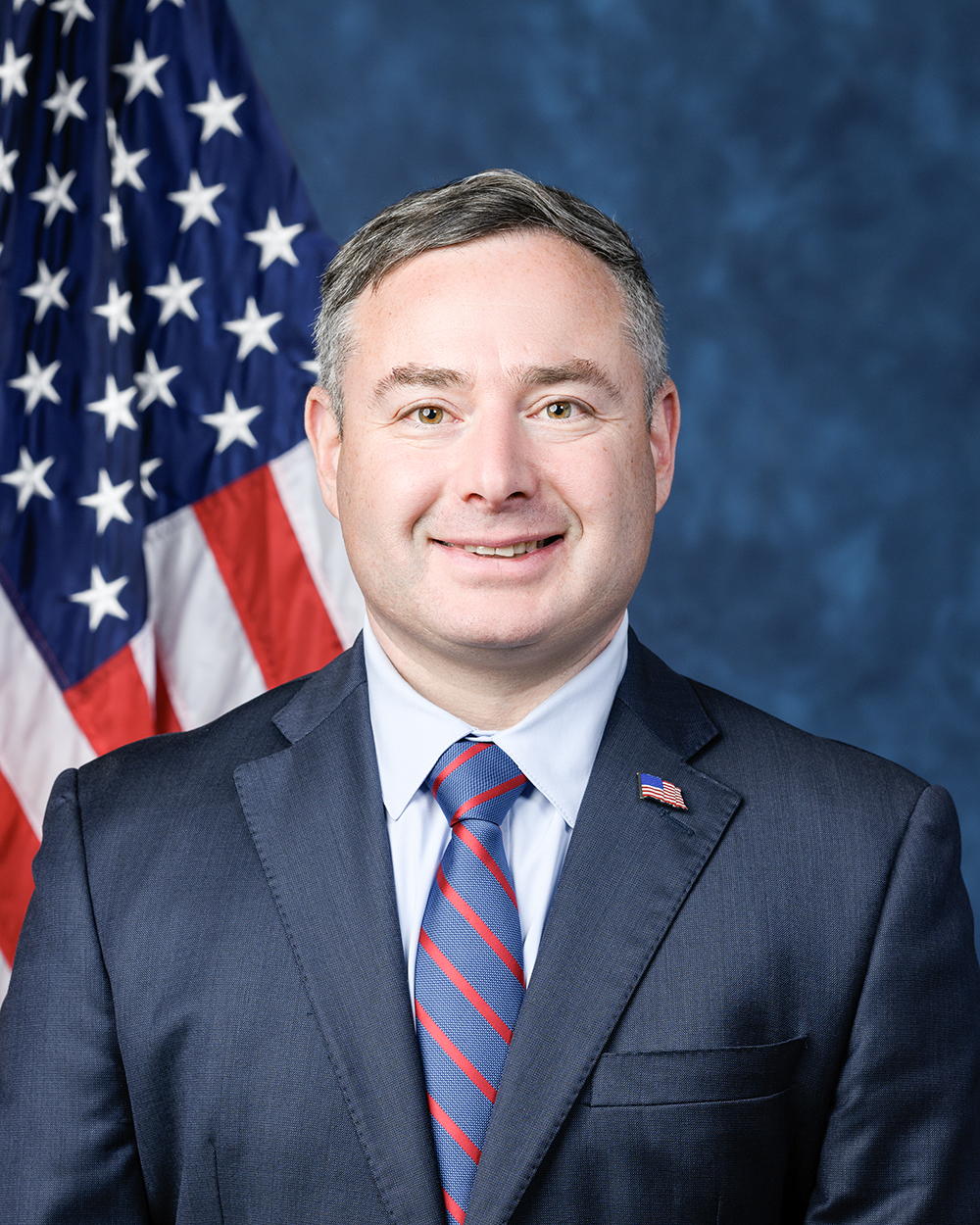
Eugene Simon Vindman
Eugene Simon Vindman House · District 7
D
Strong −
20% 5
Greg Landsman
Greg Landsman House · District 1
D
Strong −
20% 5
Showing 71–80 of 112 bills

All criminal justice bills

in committee · United States · House Jan 16, 2025

HR 545: To direct the Attorney General to conduct a study on the efficacy of extreme risk protection orders on reducing gun violence, and for other purposes.

HR 545 requires the Attorney General to study how effectively extreme risk protection orders (ERPOs) reduce gun violence. The study must be completed within one year of the bill's enactment and conducted by the Bureau of Justice Assistance. This bill does not change existing laws or impose new requirements on individuals; it only directs a federal study on ERPOs, which are court-ordered temporary firearm removals for high-risk individuals. The summary focuses solely on the bill's procedural mandate, not on policy outcomes.
in committee · United States · House Nov 21, 2025

HR 6258: Disarm Hate Act

This bill, the Disarm Hate Act (HR 6258), bars individuals convicted of a hate-motivated misdemeanor crime or who received an enhanced sentence for such a crime from purchasing, possessing, shipping, or transporting firearms under federal law. It directly affects people convicted in any court of a misdemeanor that involved hate or bias (based on race, religion, sexual orientation, gender identity, or disability) and included physical force, threats, or credible safety threats. The bill amends existing federal gun laws (Section 922(d) and 922(g)) to add these new prohibitions, preventing gun sales to and possession by these individuals. It does not apply to expunged convictions, pardons, or cases where legal rights were properly waived.
in committee · United States · Senate Jun 24, 2025

S 2155: Keeping Gun Dealers Honest Act of 2025

The Keeping Gun Dealers Honest Act of 2025 requires gun dealers to undergo three federal inspections annually (up from one) and increases penalties for violations, raising the maximum prison sentence from one to five years. It mandates secure firearm storage at dealerships and imposes civil fines of up to $10,000 per violation for noncompliance, including for transferring armor-piercing ammunition. The law allows the federal government to suspend a dealer's license or require a physical inventory of firearms if they unlawfully transfer a gun or 10+ crime guns are traced to them. Additionally, it mandates hiring 80 new ATF staff and requires biennial congressional reports on implementation.
Sub-Topics Corrections Firearms
in committee · United States · House Mar 14, 2025

HR 2105: Preventing Illegal Weapons Trafficking Act of 2025

HR 2105, the Preventing Illegal Weapons Trafficking Act of 2025, requires federal agencies (Attorney General, Homeland Security, and Treasury) to develop a strategy within 120 days to stop the illegal trafficking of machinegun conversion devices - parts that turn standard firearms into automatic weapons. The strategy must improve detection at ports, coordinate federal and local law enforcement (including ATF and FBI), trace devices used in crimes, train officers, and address 3D-printed devices. It also amends tax law to forfeit profits from illegal machinegun trafficking and mandates annual reports tracking crimes involving these devices and their origins (U.S. or foreign). The bill directly affects federal, state, and local law enforcement agencies responsible for weapons enforcement.
in committee · United States · House Feb 17, 2026

HR 7599: Federal Extreme Risk Protection Order Act of 2026

HR 7599 creates a federal framework for extreme risk protection orders (ERPOs), allowing family members or law enforcement to petition courts to temporarily prohibit individuals from possessing firearms when they pose a risk of harm to themselves or others. The bill establishes a process for issuing ex parte orders (up to 14 days) followed by a hearing within 72 hours to determine if a longer-term order (up to 180 days) should be issued, requiring respondents to surrender firearms to U.S. Marshals or designated law enforcement. Courts must consider specific factors like recent threats, violence, substance abuse, or cruelty to animals before issuing orders, with no fees for petitioners. The law requires law enforcement training to address bias, includes annual reporting requirements, and ensures firearms are returned once the order expires and the individual is eligible to own firearms under federal law.
in committee · United States · House Feb 12, 2026

HR 7564: Jaime’s Law

HR 7564, "Jaime’s Law," amends federal law to require background checks for ammunition transfers between unlicensed individuals. It mandates that unlicensed people cannot directly buy or receive ammunition; instead, they must go through a licensed dealer who conducts background checks and provides required notices. The bill specifically exempts transfers between family members, law enforcement, temporary safety-related transfers, and certain sporting activities. It does not create a national ammunition registry and leaves state laws intact.
in committee · United States · Senate Feb 12, 2026

S 3883: Language Access to Gun Violence Prevention Strategies Act of 2026

This bill requires the Department of Justice and Health and Human Services to translate key gun violence prevention materials - including extreme risk protection orders and safe storage guides - into priority languages (like Mandarin, Spanish, and others spoken by 3%+ of a population) for limited English proficiency (LEP) communities. It mandates that translated materials undergo review by community-based organizations serving those language groups before release. Grant applications for gun violence prevention programs must include targeted outreach plans for LEP populations, and federal agencies must develop public awareness campaigns in multiple languages. The law directly affects federal agencies, community organizations, and LEP populations seeking access to gun safety resources and prevention strategies.
Sub-Topics Firearms
in committee · United States · House Feb 25, 2026

HR 7699: Tribal Police Department Parity Act

HR 7699, the Tribal Police Department Parity Act, removes barriers for tribal law enforcement by amending federal firearm and tax laws. It directly affects tribal police departments (as defined under the Indian Self-Determination Act) by allowing them to transfer, possess, and import firearms under the same rules that apply to state police. The bill amends Title 18 (firearm regulations) and the Internal Revenue Code to explicitly include "Indian Tribe" in provisions about firearm transfers and tax exemptions. This ensures tribal departments can access necessary equipment without additional restrictions and qualify for tax exemptions previously limited to state entities. The changes apply to firearms transferred or made after the bill’s enactment.
Sub-Topics Drug Policy Firearms Law Enforcement Tags Tribal Nations
in committee · United States · Senate Jan 16, 2025

S 123: Handgun Permit to Purchase Act

The Handgun Permit to Purchase Act establishes a federal grant program to help states, local governments, and tribes develop or improve handgun purchaser licensing systems. These licensing systems would require background checks to prevent people banned from owning firearms under federal law from purchasing handguns, along with minimum age (21+), residency verification, and reapplication every five years. The bill cites research showing that such licensing laws are linked to reduced gun homicides and suicides in states like Connecticut and Maryland. The grant program is competitive and requires applicants to already have a licensing law meeting specific standards before receiving funding.
Sub-Topics Firearms
in committee · United States · Senate Feb 20, 2025

S 679: LEOSA Reform Act

S 679 amends federal law to clarify that active and retired law enforcement officers meeting specific criteria can carry concealed firearms in more locations, including national parks and certain federal facilities like public areas of federal buildings. The bill requires retired officers to have completed recent firearms training (within 12-36 months) and provide certification from their former agency, state, or a certified instructor. It also specifies that these provisions do not apply to property used by common carriers (such as airports) or public property. These changes update the Law Enforcement Officers Safety Act of 2004 to expand officers' ability to carry concealed weapons under federal law.
Showing 71 to 80 of 112 bills
Previous 1 … 7 8 9 … 12 Next