Issue · Criminal Justice

Criminal Justice (Courts)

Every criminal justice bill, vote, and legislator stance in United States, automatically classified by Maddy, our AI policy reader.

Total bills
123
119th Congress
Top supporter
Adam B. Schiff
100% support rate
Top opponent
Amy Klobuchar
0% support rate
Ranked legislators
10
5 support · 5 oppose
Key legislators

Who's moving courts in United States

Legislators moving courts in United States
Legislator Party Stance Support rate Decisive votes
Adam B. Schiff
Adam B. Schiff Senate
D
Strong +
100% 3
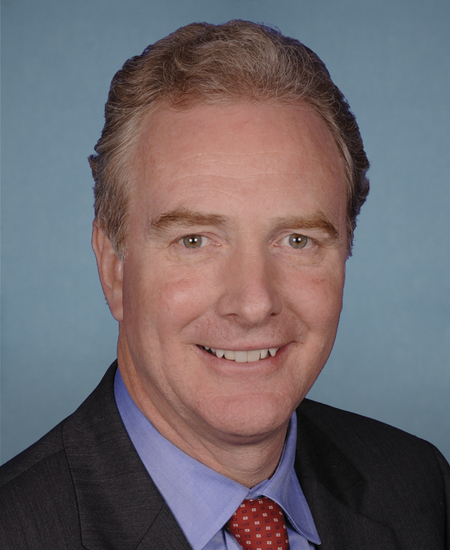
Chris Van Hollen
Chris Van Hollen Senate
D
Strong +
100% 3
Christopher Murphy
Christopher Murphy Senate
D
Strong +
100% 3
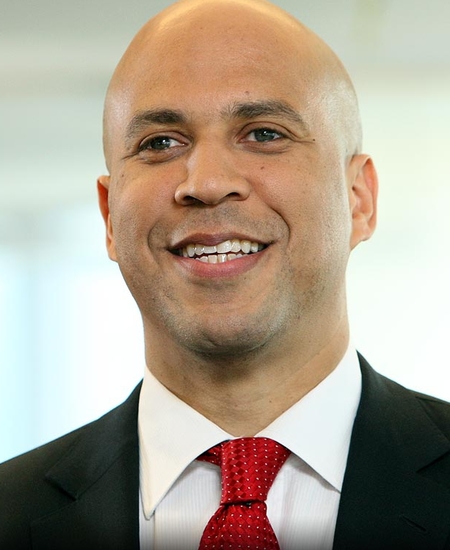
Cory A. Booker
Cory A. Booker Senate
D
Strong +
100% 3
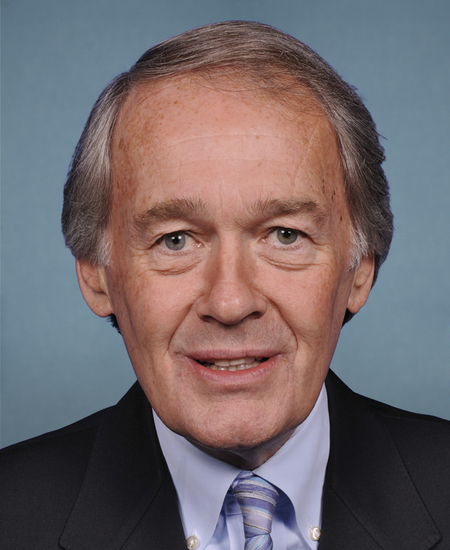
Edward J. Markey
Edward J. Markey Senate
D
Strong +
100% 3
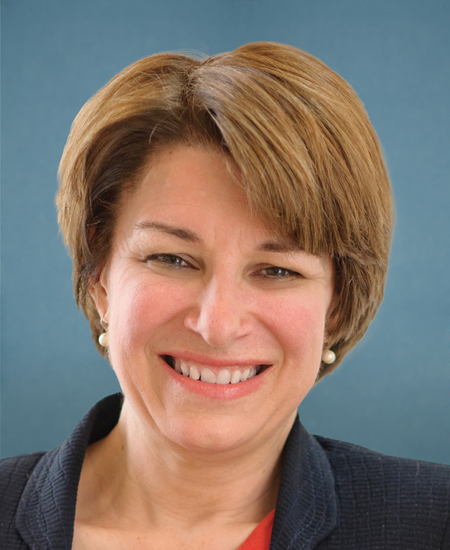
Amy Klobuchar
Amy Klobuchar Senate
D
Strong −
0% 3
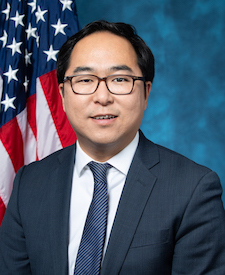
Andy Kim
Andy Kim Senate
D
Strong −
0% 3
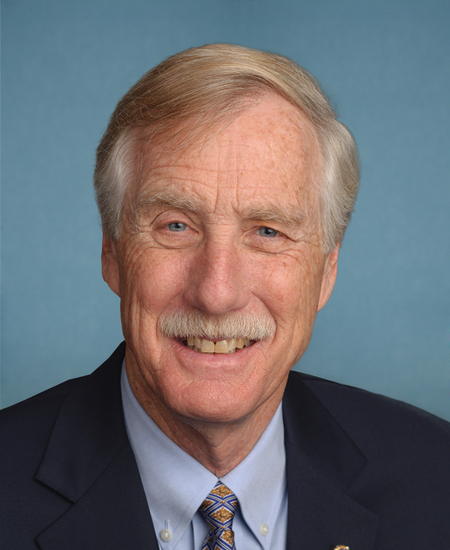
Angus S. King, Jr.
Angus S. King, Jr. Senate
I
Strong −
0% 3
Ashley Moody
Ashley Moody Senate
R
Strong −
0% 3
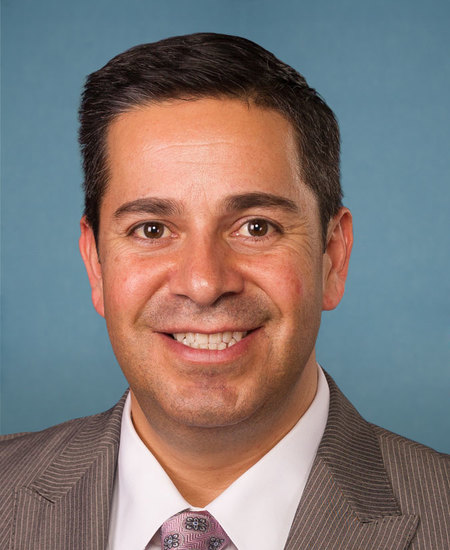
Ben Ray Luján
Ben Ray Luján Senate
D
Strong −
0% 3
Showing 71–80 of 123 bills

All criminal justice bills

in committee · United States · House Nov 21, 2025

HR 6258: Disarm Hate Act

This bill, the Disarm Hate Act (HR 6258), bars individuals convicted of a hate-motivated misdemeanor crime or who received an enhanced sentence for such a crime from purchasing, possessing, shipping, or transporting firearms under federal law. It directly affects people convicted in any court of a misdemeanor that involved hate or bias (based on race, religion, sexual orientation, gender identity, or disability) and included physical force, threats, or credible safety threats. The bill amends existing federal gun laws (Section 922(d) and 922(g)) to add these new prohibitions, preventing gun sales to and possession by these individuals. It does not apply to expunged convictions, pardons, or cases where legal rights were properly waived.
in committee · United States · Senate Jun 27, 2025

S 2201: LGBTQ+ Panic Defense Prohibition Act of 2025

This bill prohibits defendants in federal criminal cases from using a victim's LGBTQ+ sexual orientation, gender identity, or expression as a legal excuse for violent crimes like assault or murder. It directly affects defendants who attempt to justify violence by claiming the victim's identity provoked them, and it protects LGBTQ+ victims by preventing their identities from being used to reduce sentences. The law bans such defenses entirely, except when evidence of the defendant's past trauma is admitted under standard federal evidence rules. It also requires the Attorney General to annually report on federal prosecutions involving violence against LGBTQ+ individuals motivated by bias. This is a concrete policy change to end the use of discriminatory defenses in federal court.
Sub-Topics Courts Violent Crime
in committee · United States · House Aug 1, 2025

HR 4846: ROAD Act

HR 4846, the ROAD Act, creates a new legal defense for drivers involved in vehicle-related injuries or property damage during riots. It allows defendants to claim this defense if they were convicted of rioting under 18 U.S.C. § 2101 or if the court finds rioting occurred by a preponderance of evidence. The bill requires courts to pause civil cases during related criminal trials unless a conviction wouldn't support the defense. This applies specifically to cases involving motor vehicle incidents stemming from riots, directly affecting defendants with prior riot convictions. The law amends Title 18 to add Section 40B as a procedural change.
Sub-Topics Courts
in committee · United States · House Feb 17, 2026

HR 7599: Federal Extreme Risk Protection Order Act of 2026

HR 7599 creates a federal framework for extreme risk protection orders (ERPOs), allowing family members or law enforcement to petition courts to temporarily prohibit individuals from possessing firearms when they pose a risk of harm to themselves or others. The bill establishes a process for issuing ex parte orders (up to 14 days) followed by a hearing within 72 hours to determine if a longer-term order (up to 180 days) should be issued, requiring respondents to surrender firearms to U.S. Marshals or designated law enforcement. Courts must consider specific factors like recent threats, violence, substance abuse, or cruelty to animals before issuing orders, with no fees for petitioners. The law requires law enforcement training to address bias, includes annual reporting requirements, and ensures firearms are returned once the order expires and the individual is eligible to own firearms under federal law.
in committee · United States · Senate Mar 26, 2025

S 1154: Congressional Whistleblower Protection Act of 2025

The Congressional Whistleblower Protection Act of 2025 extends protections to federal employees, job applicants, and workers for government contractors who report wrongdoing. It updates existing law to provide clear administrative processes for seeking remedies against retaliation, with tailored procedures for different groups (e.g., FBI staff or intelligence community workers). If administrative remedies aren't resolved within 180 days, whistleblowers can sue in federal court for double back pay, reinstatement, legal fees, or other damages. This bill aims to strengthen accountability by making it easier for covered individuals to seek redress for retaliation.
Sub-Topics Courts
in committee · United States · House May 11, 2026

HR 7529: Fresh Starts for Foster Youth Act

The Fresh Starts for Foster Youth Act amends the John H. Chafee Foster Care Program to require states to provide legal counseling access for youth aging out of foster care, directly affecting current and former foster youth aged 18-21 transitioning to adulthood. Key provisions mandate that states certify their case planning processes address legal barriers impacting housing, education, employment, and family connections - such as court records, custody issues, and family relationship recognition. This ensures foster care systems proactively help youth navigate legal challenges during their transition to independence. The law applies to state plans approved one year after enactment, requiring states to integrate legal support into their transition services. It does not change funding but adds specific requirements for how states must address legal obstacles for foster youth.
Sub-Topics Courts
in committee · United States · House Feb 10, 2026

HR 7467: Virginia’s Law

This federal bill (HR 7467) adds civil remedies for victims of specific federal crimes, primarily sexual abuse (18 U.S.C. §§ 2241-2243) and sex trafficking-related transportation crimes (18 U.S.C. §§ 2421-2423). It allows victims to sue perpetrators for damages and legal costs in federal court, with key changes to time limits: most cases must be filed within 10 years of the offense or until the victim turns 18 (if a minor), but no time limit applies to cases involving the specified sections. Civil lawsuits must pause during related criminal trials. The bill directly affects victims of these crimes, particularly minors, by expanding legal options for seeking compensation.
in committee · United States · House May 21, 2025

HR 3537: Targeting Child Predators Act of 2025

This bill modifies how federal officials issue subpoenas in child predator investigations. It requires recipients (like banks or internet companies) to keep the existence of such subpoenas secret for 180 days, unless a court approves disclosure. Recipients can seek court review within 30 days if they believe the secrecy rule is unjustified, with courts requiring proof that disclosure could endanger victims, hinder investigations, or risk evidence tampering. The law applies specifically to administrative subpoenas issued under Homeland Security authority for active child predator cases.
Sub-Topics Courts
in committee · United States · Senate Mar 13, 2025

S 1069: RECLAIM Act

This bill amends the Civil Rights Act of 1964 to strengthen consequences for organizations violating federal civil rights laws while receiving federal funding. It requires recipients found noncompliant to repay all federal funds received for the entire fiscal year (even if unspent) and expands penalties from single programs to all programs/activities funded by the recipient. It also blocks all new federal funding to such recipients for up to one year after a court issues an injunction for violations, requiring agencies to notify all federal departments. The bill directly affects schools, hospitals, and nonprofits receiving federal funds who violate civil rights laws. The changes aim to ensure accountability by making financial penalties more severe and systemic.
Sub-Topics Civil Rights Courts
in committee · United States · Senate May 20, 2025

S 539: PROTECT Our Children Reauthorization Act of 2025

This bill reauthorizes the PROTECT Our Children Act of 2008 with updated requirements. It mandates a National Strategy for child exploitation prevention to be reviewed every four years (instead of every two), requiring detailed analyses of trends, resource needs, and ICAC task force performance. The bill modifies ICAC task force operations to include prioritizing victim identification, expands coordination with tribal/military agencies, and adds limited liability protections for task forces regarding investigative decisions. It increases annual funding for the program from $70 million (2026) to $90 million (2028), directly affecting federal agencies (DOJ, FBI, ICE), state/local law enforcement, and ICAC task forces nationwide.
Sub-Topics Courts Law Enforcement
Showing 71 to 80 of 123 bills
Previous 1 … 7 8 9 … 13 Next