Issue · Criminal Justice

Criminal Justice (Drug Policy)

Every criminal justice bill, vote, and legislator stance in United States, automatically classified by Maddy, our AI policy reader.

Total bills
120
119th Congress
Top supporter
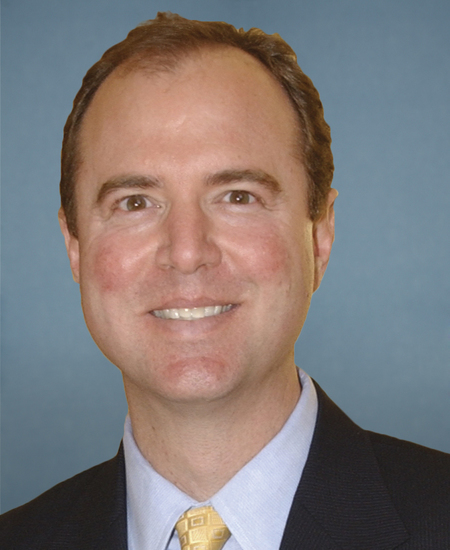
Adam B. Schiff
100% support rate
Top opponent
Amy Klobuchar
0% support rate
Ranked legislators
10
5 support · 5 oppose
Key legislators

Who's moving drug policy in United States

Legislators moving drug policy in United States
Legislator Party Stance Support rate Decisive votes
Adam B. Schiff
Adam B. Schiff Senate
D
Strong +
100% 3
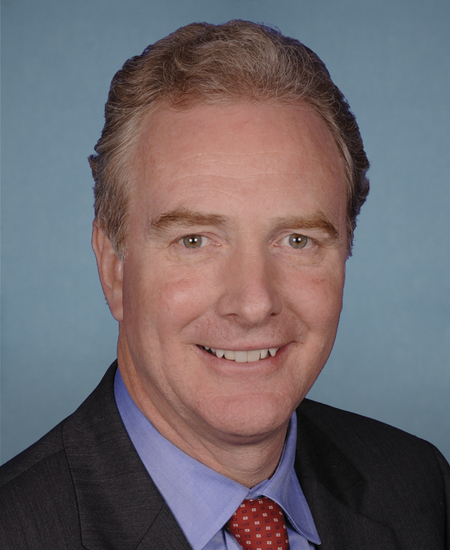
Chris Van Hollen
Chris Van Hollen Senate
D
Strong +
100% 3
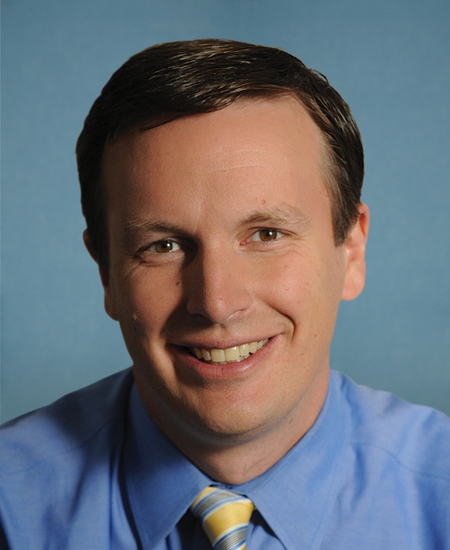
Christopher Murphy
Christopher Murphy Senate
D
Strong +
100% 3
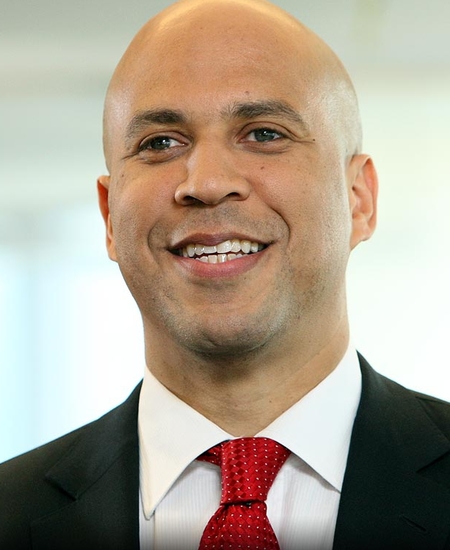
Cory A. Booker
Cory A. Booker Senate
D
Strong +
100% 3
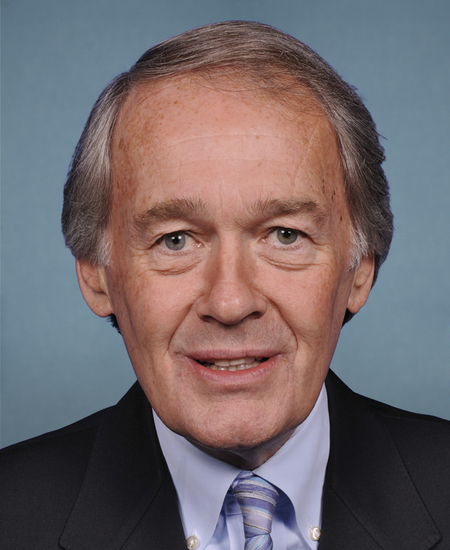
Edward J. Markey
Edward J. Markey Senate
D
Strong +
100% 3
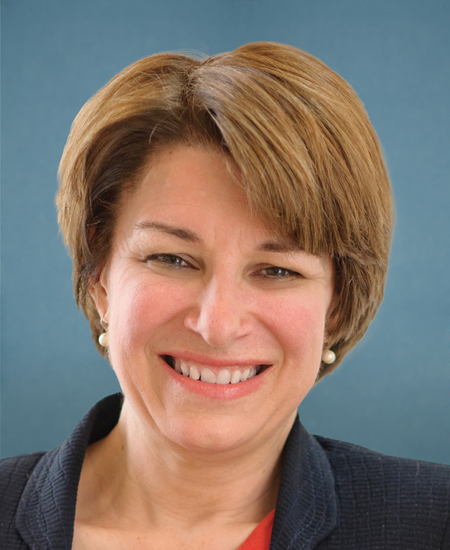
Amy Klobuchar
Amy Klobuchar Senate
D
Strong −
0% 3
Andrea Salinas
Andrea Salinas House · District 6
D
Strong −
0% 3
Andy Kim
Andy Kim Senate
D
Strong −
0% 3
Angus S. King, Jr.
Angus S. King, Jr. Senate
I
Strong −
0% 3
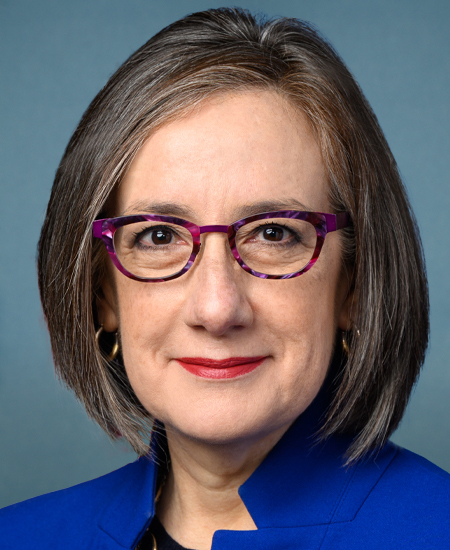
April McClain Delaney
April McClain Delaney House · District 6
D
Strong −
0% 3
Showing 61–70 of 120 bills

All criminal justice bills

in committee · United States · House Jun 5, 2025

HR 3764: Death Penalty for Dealing Fentanyl Act of 2025

This bill adds a death penalty option for individuals convicted of distributing, manufacturing, or possessing fentanyl with intent to distribute when their actions cause a death. It directly affects fentanyl traffickers and dealers found guilty under specific drug trafficking laws (sections 401(a)(1) or 416 of the Controlled Substances Act) if their distribution results in a fatality. The key provision allows courts to impose the death penalty, life imprisonment, or any term of years, along with fines under federal law. This policy change specifically targets fentanyl-related offenses causing death, not other drugs or non-fatal cases.
Sub-Topics Drug Policy
in committee · United States · House Jun 10, 2025

HR 18: Bipartisan Background Checks Act of 2025

This bill requires private firearm transfers between individuals to go through a licensed dealer who must conduct a background check. It applies to most private sales but includes exceptions for transfers between family members (like parents and children), law enforcement, emergencies preventing harm, and temporary loans at shooting ranges or for hunting. Dealers must provide background check notices in both English and Spanish. The law aims to prevent prohibited individuals from obtaining firearms through private transactions while maintaining existing state authority on firearm laws.
in committee · United States · House Apr 29, 2025

HR 3065: Felony Murder for Deadly Fentanyl Distribution Act of 2025

This bill amends federal murder law to treat distributing fentanyl that causes death as felony murder, directly affecting individuals who distribute fentanyl in specified quantities resulting in fatalities. It defines "distributing fentanyl" as distributing at least 2 grams of a mixture containing fentanyl or 0.5 grams of its analogues, knowing it contains the substance and causing death. The key provision adds a new felony murder category under Section 1111(b)(2), imposing the death penalty or life imprisonment for such acts. The bill explicitly ties the penalty to the specific fentanyl quantities and the causal link to death, without altering other murder definitions.
Sub-Topics Drug Policy Sentencing
in committee · United States · Senate Apr 10, 2025

S 1461: Safe SHORES Act of 2025

This bill reauthorizes a federal pilot program (extending it through 2030) to provide housing support for individuals recovering from substance use disorders. It requires states receiving funds to use at least $50 million annually for stable housing, including a new allowance for up to 1% of funds to purchase furniture for temporary housing. States must report annually on housing projects, resident demographics, program outcomes, and strategies for expanding recovery housing. The program directly affects states administering housing grants and individuals seeking stable housing during opioid recovery.
in committee · United States · House Oct 10, 2025

HR 5744: Targeting Online Sales of Fentanyl Act

This bill directs the Government Accountability Office (GAO) to study how fentanyl, synthetic opioids, and methamphetamine are sold online. The GAO will examine online sellers' business models, financial transactions on illicit platforms (especially impacting users 18+), federal government efforts to combat these sales, and how online platforms detect and enforce against such activity. The study will analyze government coordination, platform enforcement mechanisms, and referral data to law enforcement over the past decade. The GAO must submit a report to Congress within one year of the bill's enactment. This is a research-focused bill with no direct policy changes or immediate effects on individuals or entities.
in committee · United States · House Jan 28, 2025

HR 780: Alexandra’s Law Act of 2025

HR 780, the Alexandra’s Law Act of 2025, amends the Controlled Substances Act to require courts to advise defendants convicted of drug-related offenses involving synthetic opioids (like fentanyl analogues) that caused death about the lethal risks of illicit drugs. It creates new evidence rules: prior convictions for similar drug offenses involving death can be used to prove a defendant knew the substance contained fentanyl analogues, and court advisements from state cases may be admitted in federal courts. The law directly affects individuals convicted of drug sales or distribution linked to overdose deaths involving these substances. It excludes minors from these evidentiary provisions, focusing on holding accountable those who knowingly distribute dangerous synthetic drugs.
Sub-Topics Courts Drug Policy
in committee · United States · Senate Jun 4, 2025

S 1949: Combating Violent and Dangerous Crime Act

This bill (S 1949) creates new penalties for manufacturing or distributing candy-flavored drugs marketed to minors. It specifically targets producers who combine schedule I or II controlled substances with candy/beverage products, market them to appear like candy, or modify them with candy-like flavors/coloring, knowing they’ll be sold to people under 18. First offenses carry up to 10 additional years in prison, while repeat offenses carry up to 20 additional years. Exceptions apply for FDA-approved medications sold as prescribed and products altered under a doctor’s direction for legitimate medical use.
in committee · United States · House Jul 22, 2025

HR 4607: SEEK HELP Act

The SEEK HELP Act provides legal protections for individuals responding to opioid overdoses. It shields people who administer reversal drugs (like naloxone) in good faith from civil lawsuits, and protects those who call for help (e.g., 911) from drug possession charges related to the overdose. States can use federal funds to run public awareness campaigns about these protections and train law enforcement and healthcare workers. The bill also requires a federal report to assess how well these protections are working across states and their impact on overdose outcomes.
passed · United States · Senate Dec 17, 2025

S 3021: ENFORCE Act

The ENFORCE Act strengthens federal laws against child exploitation by clarifying what constitutes producing child pornography and removing time limits for prosecuting certain crimes involving child sexual abuse material. It adds these offenses to sex offender registration requirements, prohibits reproducing abusive images during legal proceedings, and creates a presumption for detainment before trial for violations. The bill directly affects federal prosecutors, courts handling these cases, sex offenders subject to registration, and victims whose images are involved. Key changes include ensuring evidence remains under court control and allowing victims access to depictions in the same manner as victims of child pornography cases.
passed · United States · House Sep 16, 2026

HR 1266: Combating Illicit Xylazine Act

HR 1266, the Combating Illicit Xylazine Act, adds xylazine - a veterinary sedative increasingly found in illicit drug mixtures - to Schedule III of the Controlled Substances Act, regulating its use and trafficking. It directly affects veterinarians, animal owners, and manufacturers by allowing xylazine to be legally dispensed for animal use under specific veterinary prescriptions, while prohibiting non-veterinary human use. The bill includes transition periods (60 days for practitioners, 1 year for labeling) to ease compliance for manufacturers and practitioners, and requires the DEA and FDA to expedite necessary applications. It also mandates two congressional reports on xylazine's illicit use and trafficking patterns, and directs the Sentencing Commission to review penalties for offenses involving xylazine.
Sub-Topics Drug Policy Sentencing
Showing 61 to 70 of 120 bills
Previous 1 … 6 7 8 … 12 Next