Issue · Criminal Justice

Criminal Justice

Every criminal justice bill, vote, and legislator stance in United States, automatically classified by Maddy, our AI policy reader.

Total bills
301
119th Congress
Top supporter
Alan Armstrong
86% support rate
Top opponent
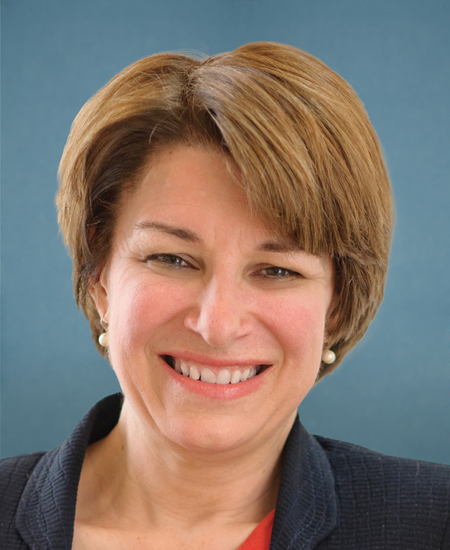
Amy Klobuchar
13% support rate
Ranked legislators
10
5 support · 5 oppose
Key legislators

Who's moving criminal justice in United States

Legislators moving criminal justice in United States
Legislator Party Stance Support rate Decisive votes
AA
Alan Armstrong Senate
R
Strong +
86% 28
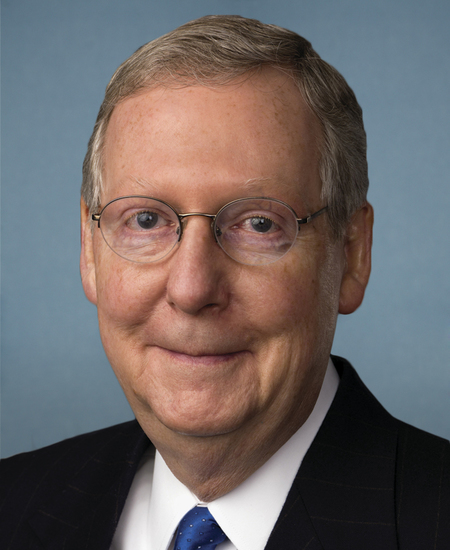
Mitch McConnell
Mitch McConnell Senate
R
Strong +
84% 31
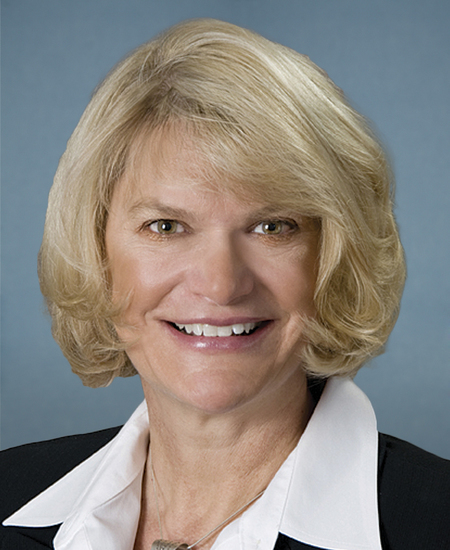
Cynthia M. Lummis
Cynthia M. Lummis Senate
R
Strong +
80% 30
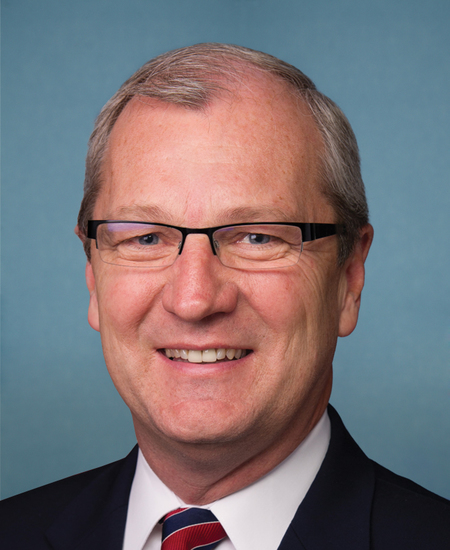
Kevin Cramer
Kevin Cramer Senate
R
Strong +
80% 30
Bernie Moreno
Bernie Moreno Senate
R
Support
77% 31
Amy Klobuchar
Amy Klobuchar Senate
D
Strong −
13% 31
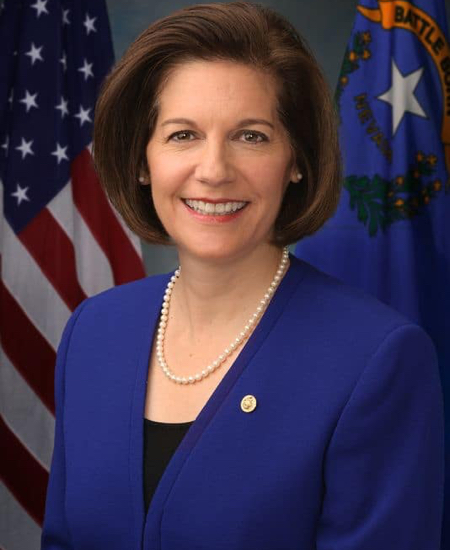
Catherine Cortez Masto
Catherine Cortez Masto Senate
D
Strong −
13% 31
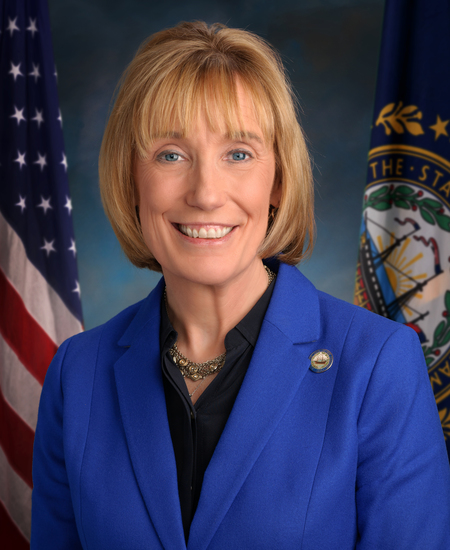
Margaret Wood Hassan
Margaret Wood Hassan Senate
D
Strong −
13% 31
Andy Kim
Andy Kim Senate
D
Strong −
16% 31
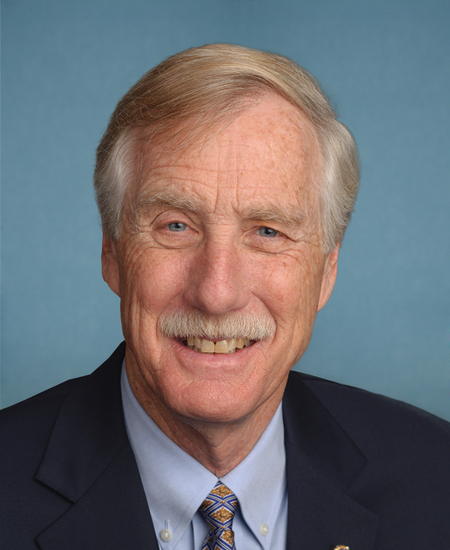
Angus S. King, Jr.
Angus S. King, Jr. Senate
I
Strong −
16% 31
Showing 61–70 of 301 bills

All criminal justice bills

in committee · United States · House May 21, 2026

HR 8951: Zero Tolerance for Fraudsters Act of 2026

The Zero Tolerance for Fraudsters Act of 2026 establishes mandatory minimum prison sentences for individuals convicted of specific federal fraud offenses involving large sums of money. This legislation directly affects people charged with crimes such as making false statements to the government, mail fraud, wire fraud, and bank fraud. Under the new rules, anyone convicted of these crimes who involved at least $1 million but less than $5 million would face a minimum of one year in prison, while those involved with $5 million or more would face a minimum of five years. The bill sets these floors only when the existing laws for a specific crime do not already require a longer sentence, ensuring that serious financial fraud results in significant incarceration time.
Sub-Topics Corrections Sentencing
in committee · United States · House Apr 30, 2026

HR 8628: End U Visa Abuse Act

The End U Visa Abuse Act proposes to completely eliminate the U visa program, which currently provides immigration benefits and work authorization to alleged crime victims and their family members. The bill is based on findings that the program has been exploited through fraud, including staged crimes and forged law enforcement certifications, leading to a massive backlog of over 400,000 pending applications. By repealing the specific sections of the Immigration and Nationality Act that create the U visa category, the legislation would remove the legal pathway for these individuals to obtain lawful status through this specific mechanism. The text argues that existing alternatives, such as S visas for witnesses or humanitarian parole, are sufficient to assist genuine victims without the risks of abuse associated with the current system.
in committee · United States · House May 7, 2026

HR 8678: Zero Tolerance for Political Violence Act of 2026

This bill, titled the Zero Tolerance for Political Violence Act of 2026, proposes to increase the mandatory minimum prison sentences for individuals who attempt to assassinate specific federal officials. The legislation directly impacts anyone attempting to kill the President, Cabinet members, Supreme Court justices, and members of Congress. Under the new provisions, a conviction for such an attempt would result in a minimum of 25 years in prison or life imprisonment. These changes amend existing federal statutes to enforce stricter penalties uniformly for designated targets.
in committee · United States · House May 7, 2026

HR 8685: Protect the Presidency Act

The Protect the Presidency Act amends federal law to allow for the death penalty as a punishment for assassinating certain high-ranking government officials. This change directly affects the sentencing guidelines for crimes involving the killing of the President, Vice President, or other protected individuals under Title 18 of the United States Code. Previously, the maximum penalty for such offenses was imprisonment, but this legislation adds the option of execution to the list of potential punishments. The bill modifies existing statutes without creating new criminal offenses.
Sub-Topics Sentencing
signed · United States · Senate Jun 10, 2026

S 2: Secure America Act

The Secure America Act appropriates billions of dollars to U.S. Customs and Border Protection and Immigration and Customs Enforcement for fiscal year 2026 to expand staffing and operations. These funds are specifically designated for hiring agents to conduct functions other than immigration enforcement and customs duties, as well as for purchasing new technology to combat drug trafficking and improve border surveillance. The legislation includes restrictions that prohibit using the money to recruit processing coordinators after October 2028 and bans the deployment of untested autonomous surveillance towers. A portion of the funding is also set aside to hire investigators and analysts dedicated to identifying and rescuing victims of child sexual exploitation.
in committee · United States · House Apr 23, 2026

HR 8460: Territorial Protection and Sovereignty Act

This bill, titled the Territorial Protection and Sovereignty Act, ends the Temporary Protected Status program for individuals currently holding that status in the United States. It requires that any existing status grants terminate immediately upon the law's enactment. Affected individuals must depart the country within 60 days of the bill becoming effective to avoid being classified as unlawfully present. The legislation removes the specific legal protections previously established under Section 244 of the Immigration and Nationality Act.
Sub-Topics Enforcement
in committee · United States · House Apr 24, 2026

HR 8494: To prohibit the Department of Homeland Security from entering into, modifying, extending, or renewing, any contract or intergovernmental service agreement to establish or operate any new immigration detention model, including the use of warehouses, modular facilities, soft-sided structures, tent systems, and processing centers.

This bill prohibits the Department of Homeland Security from using federal funds to create or expand new immigration detention facilities, including warehouses, tents, and modular structures. It directly affects immigration enforcement agencies by banning the construction, renovation, or operation of non-traditional detention centers and preventing the transfer of funds to such projects. The legislation requires any money previously allocated for these facilities to be redirected toward affordable healthcare and housing services instead. Effective immediately upon enactment, the ban applies to all existing federal funds and prevents the use of current budgets for establishing or operating alternative detention models.
in committee · United States · House May 12, 2026

HR 8766: Deal Death, Face Death Act

This bill, known as the Deal Death, Face Death Act, modifies federal drug laws to impose the death penalty on individuals convicted of distributing fentanyl or fentanyl-related substances if the use of those drugs results in a death. Currently, the Controlled Substances Act allows for life imprisonment in cases where drug use causes death or serious injury, but this legislation specifically targets fentanyl by mandating capital punishment for such outcomes. The law also increases maximum fines for these offenses, raising the limit for individuals to $2 million and for organizations to $10 million. Directly affecting drug traffickers and distributors, the bill aims to strengthen penalties for the distribution of synthetic opioids by adding a specific provision that triggers the ultimate punishment when fatalities occur.
Sub-Topics Drug Policy
in committee · United States · House May 13, 2026

HR 8796: Federal Halo Act

The Federal Halo Act creates a new federal crime for approaching or staying within 15 feet of a law enforcement officer after receiving a verbal warning to stop. This provision applies to any individual who knowingly violates such a warning with the intent to interfere with the officer's duties, threaten them, or harass them. The bill defines harassment as a course of conduct that intentionally causes substantial emotional distress to the officer without a legitimate purpose. Anyone convicted of this offense could face a fine, up to five years in prison, or both penalties.
in committee · United States · House Apr 15, 2026

HR 8302: Stop Illegal Aliens Drunk Driving

This bill, HR 8302, amends the Immigration and Nationality Act to change how certain driving offenses are treated for immigration purposes. It expands the definition of an "aggravated felony" to include offenses where a non-citizen drives while intoxicated or impaired and causes death or serious bodily injury to another person, regardless of whether the conviction is classified as a misdemeanor or felony under local law. Consequently, any non-citizen convicted of such an offense would be deemed "inadmissible" to the United States. These provisions take effect upon enactment and apply to relevant actions taken on or after that date, even if the underlying conviction occurred before the bill's passage.
Showing 61 to 70 of 301 bills
Previous 1 … 6 7 8 … 31 Next