Issue · Criminal Justice

Criminal Justice (Law Enforcement)

Every criminal justice bill, vote, and legislator stance in United States, automatically classified by Maddy, our AI policy reader.

Total bills
380
119th Congress
Top supporter
James Gallagher
100% support rate
Top opponent
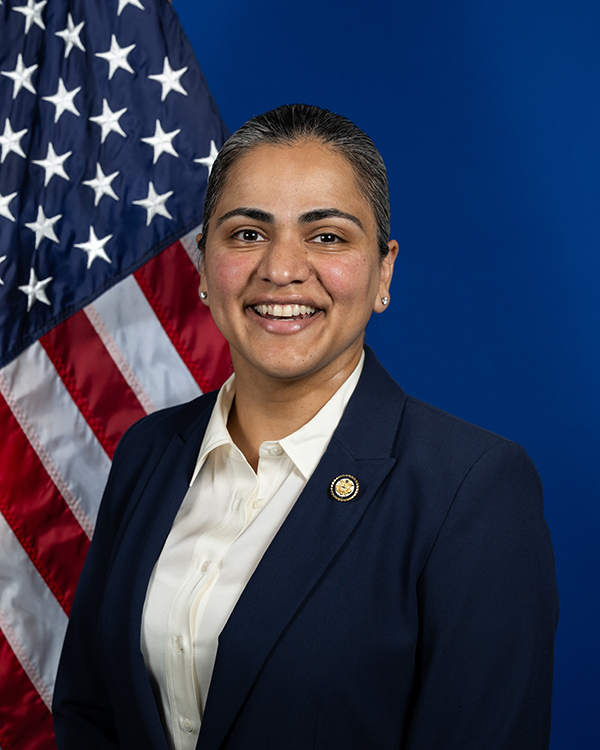
Aisha Wahab
0% support rate
Ranked legislators
10
5 support · 5 oppose
Key legislators

Who's moving law enforcement in United States

Legislators moving law enforcement in United States
Legislator Party Stance Support rate Decisive votes
James Gallagher
James Gallagher House · District 1
R
Strong +
100% 3
Mitch McConnell
Mitch McConnell Senate
R
Strong +
93% 28
AA
Alan Armstrong Senate
R
Strong +
86% 28
Bernie Moreno
Bernie Moreno Senate
R
Strong +
86% 28
Bill Hagerty
Bill Hagerty Senate
R
Strong +
86% 28
Aisha Wahab
Aisha Wahab House · District 14
D
Strong −
0% 3
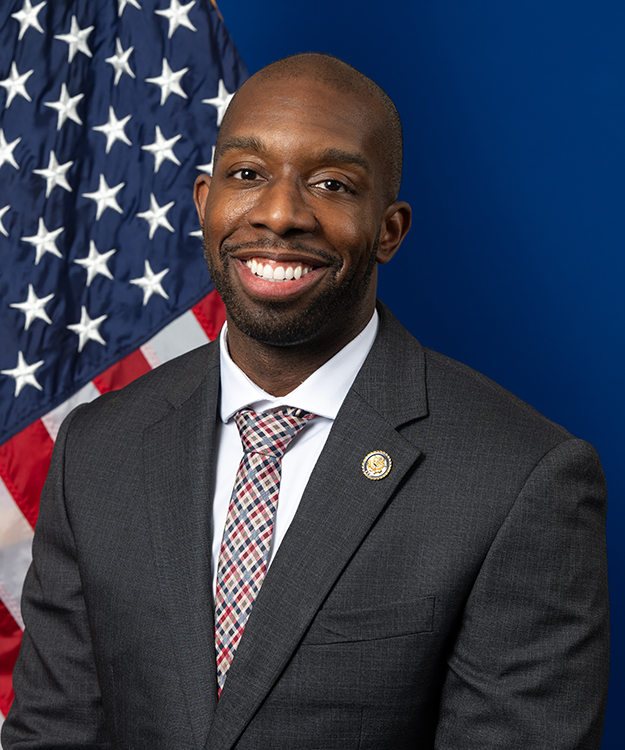
Everton Blair Jr.
Everton Blair Jr. House · District 13
D
Strong −
0% 3
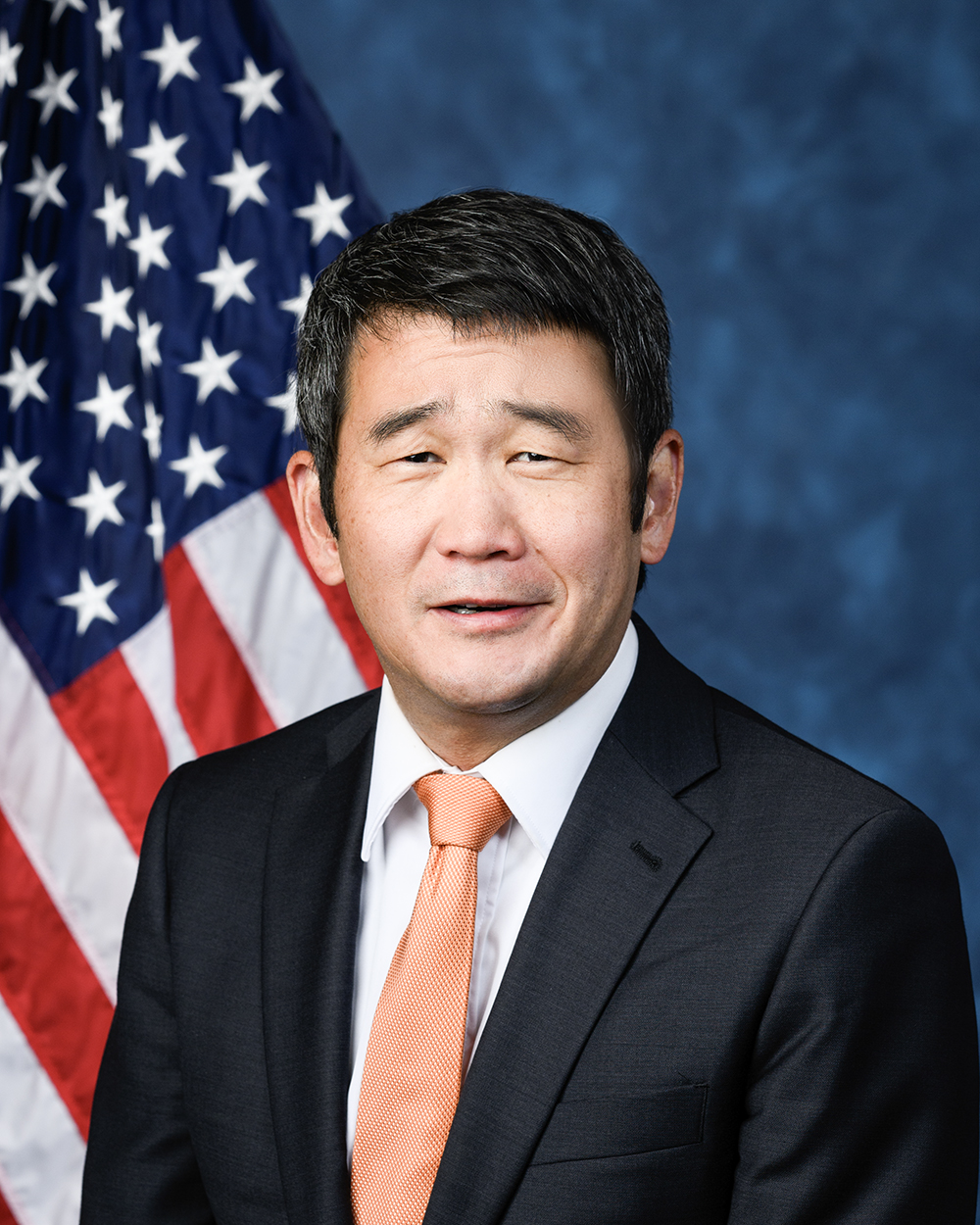
Dave Min
Dave Min House · District 47
D
Strong −
13% 15
Marcy Kaptur
Marcy Kaptur House · District 9
D
Strong −
13% 15
Amy Klobuchar
Amy Klobuchar Senate
D
Strong −
14% 28
Showing 41–50 of 380 bills

All criminal justice bills

in committee · United States · Senate Jun 8, 2026

S 4696: Right to Record Act of 2026

The Right to Record Act of 2026 establishes a federal legal right for individuals to record, observe, or peacefully protest federal law enforcement officers in public spaces, while explicitly stating that this right does not apply if a person physically restrains an officer. The bill creates a new cause of action allowing individuals to sue both the officer and the United States government for civil damages, including up to $25,000 per violation and up to $100,000 in punitive damages if the violation was committed with malice or reckless disregard. It defines specific prohibited actions such as arresting, ticketing, or intimidating someone for recording, and mandates that federal agencies provide annual training to officers on respecting these rights.
Sub-Topics Law Enforcement
in committee · United States · House May 20, 2026

HR 8916: CHIERS Act of 2026

The CHIERS Act of 2026 authorizes federal grants to help individuals with substance use disorders reach treatment and supportive services by covering transportation costs. Eligible recipients include nonprofit organizations, government agencies, and health centers that will use the funds to provide rides, purchase vehicles, or pay for taxi services for these individuals. The program specifically targets people experiencing homelessness or living in low-income areas where travel barriers limit access to care, while explicitly excluding involuntary treatment transport and law enforcement use. To ensure effectiveness, grant recipients must submit detailed plans and performance reports focused on reducing missed appointments, and the funding is designed to supplement rather than replace existing local resources.
in committee · United States · House May 29, 2026

HR 9071: Preventing Trafficking of Minors Act of 2026

The Preventing Trafficking of Minors Act of 2026 strengthens federal laws against exploiting individuals under 18 by expanding the definition of prohibited conduct to include engaging in or soliciting commercial sex acts with minors. It removes the legal requirement to prove force, fraud, or coercion when the victim is a minor and establishes that a defendant's lack of knowledge about the victim's age is not a valid defense if they had a reasonable opportunity to observe them. The bill also clarifies that law enforcement officers posing as minors cannot use this as a defense against prosecution and increases the minimum prison sentence to 15 years for offenses involving victims under 14. These changes apply to actions taken 180 days after the law is enacted.
in committee · United States · House May 29, 2026

HR 9078: LEASH Act of 2026

The LEASH Act of 2026 requires law enforcement agencies seeking federal Byrne Justice Assistance Grants to report data on felony animal cruelty convictions, including the names of those convicted. To qualify for these grants, local governments must submit information on such crimes to the Attorney General and join a specific category of jurisdictions that provide this data. The bill also mandates the creation of a publicly accessible database by the Attorney General to store and periodically update these animal cruelty records. These changes directly affect law enforcement agencies and local governments that apply for federal crime prevention funding.
Sub-Topics Law Enforcement
in committee · United States · House May 29, 2026

HR 9059: National Police Athletic/Activities League Youth Enrichment Reauthorization Act

This bill, titled the National Police Athletic/Activities League Youth Enrichment Reauthorization Act, provides federal funding to expand youth programs run by the National Police Athletic/Activities League. The legislation authorizes $16 million annually from 2028 to 2032 to help the organization establish 250 new chapters in distressed areas and expand existing ones to serve more children. Grant funds must be used for after-school activities that include mentorship, academic support, sports, and training to prevent drug use and gang involvement. The program is designed to foster positive relationships between law enforcement and youth while offering alternatives to risky behaviors in communities with high numbers of at-risk children. Recipients of the funds are required to submit reports on their progress and ensure that local communities help design the specific activities offered.
in committee · United States · House May 20, 2026

HR 8932: Hate Crimes Commission Act of 2026

The Hate Crimes Commission Act of 2026 establishes a temporary United States Commission on Hate Crimes to investigate the rising number of bias-motivated incidents and improve how they are reported. The ten-member commission, appointed by congressional leaders and the Attorney General, will examine factors like social media's role in hate crimes and identify barriers preventing local law enforcement from fully participating in federal reporting systems. Within one year of its formation, the commission must submit a report to Congress and the President with findings and recommendations for better prevention and data collection. Additionally, the bill requires an independent audit by the Government Accountability Office to verify the accuracy of hate crime data collected by the FBI.
in committee · United States · House Jun 4, 2026

HR 9155: CONSENT Act

The CONSENT Act establishes a federal civil remedy for individuals who receive unsolicited intimate visual depictions, such as non-consensual deepfakes, sent via interstate commerce. It defines consent as a voluntary authorization free from coercion and specifically prohibits the transmission of intimate digital forgeries created using artificial intelligence or other technological means. Victims can sue senders for up to $1,000 in statutory damages, emotional distress compensation, and court-ordered injunctions to stop the behavior, while also allowing minors to file under a pseudonym for privacy. The law explicitly excludes good faith transmissions for medical, educational, or law enforcement purposes and states that it does not override existing criminal laws or First Amendment rights.
in committee · United States · Senate May 21, 2026

S 4643: LEO K9 Protection Act

The LEO K9 Protection Act strengthens penalties for harming law enforcement dogs and horses used in official duties, increasing the maximum prison sentence to 15 years. It clarifies that these protections apply to animals assisting federal, state, and local agencies in tasks like crime detection, search and rescue, and military operations, while explicitly exempting individuals acting in good faith to provide emergency veterinary care. Additionally, the bill requires the Department of Transportation to create guidelines and regulations allowing emergency medical personnel to treat injured police dogs at the scene and transport them to veterinary facilities. These measures aim to ensure that injured working dogs receive timely medical attention comparable to that provided to human officers.
in committee · United States · House Jul 7, 2026

HR 9109: Stop ANTIFA Act of 2026

HR 9109, the Stop ANTIFA Act of 2026, officially designates Antifa as a domestic terrorist organization and mandates that federal agencies investigate and dismantle its networks. The bill requires the National Joint Terrorism Task Force to coordinate a national strategy to prosecute crimes related to political violence, including doxing, riots, and assaults on law enforcement, while also targeting the financial supporters and funders of these groups. Additionally, the Act directs the Department of Justice to prioritize investigations into specific violent offenses and instructs the Treasury and IRS to disrupt funding streams and revoke tax-exempt status for entities supporting domestic terrorism.
Sub-Topics Law Enforcement
in committee · United States · House Sep 8, 2026

HR 9098: Congressional Records Protection Act of 2026

This bill, known as the Congressional Records Protection Act, aims to shield the personal and official communications of Members of Congress and their employees from government searches and subpoenas. It directly affects federal, state, and local law enforcement agencies by prohibiting them from obtaining records related to these individuals unless the person is the specific target of a criminal investigation. Under the new rules, agencies must notify the affected Member or employee before searching their records, except in urgent cases where notice could endanger lives or destroy evidence. Additionally, any materials found during a search that belong to a protected individual cannot be reviewed for 30 days to ensure they are not accessed without proper oversight.
Sub-Topics Law Enforcement
Showing 41 to 50 of 380 bills
Previous 1 … 4 5 6 … 38 Next