Issue · Criminal Justice

Criminal Justice (Law Enforcement)

Every criminal justice bill, vote, and legislator stance in United States, automatically classified by Maddy, our AI policy reader.

Total bills
318
119th Congress
Top supporter
James Gallagher
100% support rate
Top opponent
Aisha Wahab
0% support rate
Ranked legislators
10
5 support · 5 oppose
Key legislators

Who's moving law enforcement in United States

Legislators moving law enforcement in United States
Legislator Party Stance Support rate Decisive votes
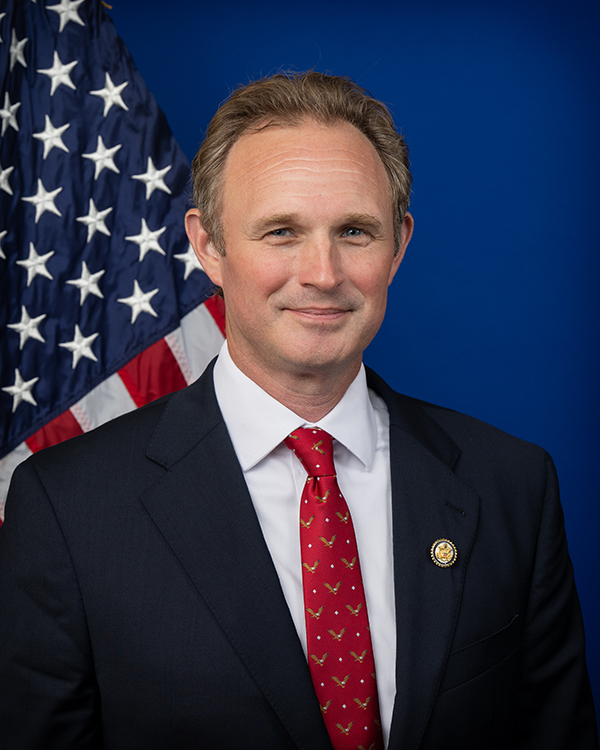
James Gallagher
James Gallagher House · District 1
R
Strong +
100% 3
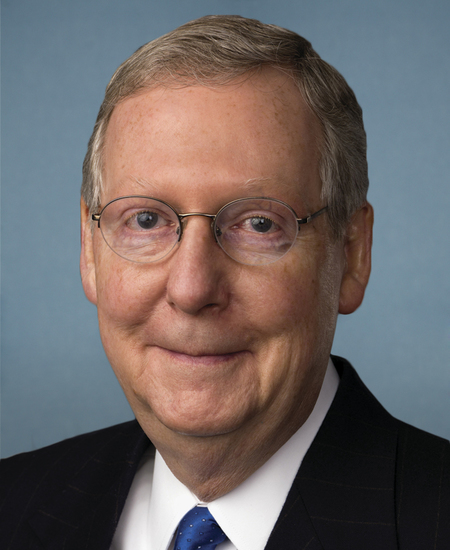
Mitch McConnell
Mitch McConnell Senate
R
Strong +
93% 28
AA
Alan Armstrong Senate
R
Strong +
86% 28
Bernie Moreno
Bernie Moreno Senate
R
Strong +
86% 28
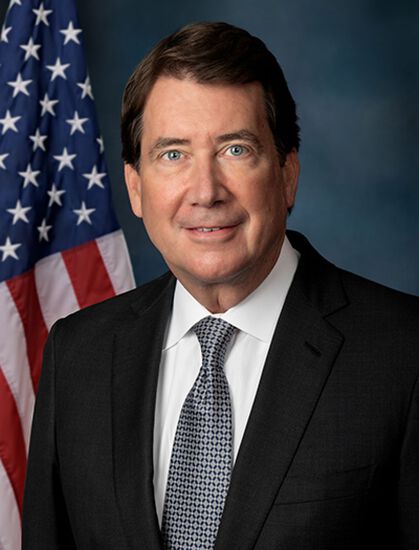
Bill Hagerty
Bill Hagerty Senate
R
Strong +
86% 28
Aisha Wahab
Aisha Wahab House · District 14
D
Strong −
0% 3
Everton Blair Jr.
Everton Blair Jr. House · District 13
D
Strong −
0% 3
Dave Min
Dave Min House · District 47
D
Strong −
13% 15
Marcy Kaptur
Marcy Kaptur House · District 9
D
Strong −
13% 15
Amy Klobuchar
Amy Klobuchar Senate
D
Strong −
14% 28
Showing 41–50 of 318 bills

All criminal justice bills

in committee · United States · House Jul 7, 2026

HR 9109: Stop ANTIFA Act of 2026

HR 9109, the Stop ANTIFA Act of 2026, officially designates Antifa as a domestic terrorist organization and mandates that federal agencies investigate and dismantle its networks. The bill requires the National Joint Terrorism Task Force to coordinate a national strategy to prosecute crimes related to political violence, including doxing, riots, and assaults on law enforcement, while also targeting the financial supporters and funders of these groups. Additionally, the Act directs the Department of Justice to prioritize investigations into specific violent offenses and instructs the Treasury and IRS to disrupt funding streams and revoke tax-exempt status for entities supporting domestic terrorism.
Sub-Topics Law Enforcement
in committee · United States · House May 29, 2026

HR 9069: KIDS Act

The KIDS Act restricts U.S. immigration authorities from detaining children, individuals with cognitive disabilities, and their primary caregivers, with limited exceptions for criminal warrants. It also prohibits law enforcement from conducting immigration actions within 1,000 feet of sensitive locations such as schools, hospitals, places of worship, and disaster relief sites. If a violation occurs, the bill mandates the immediate release of wrongfully detained individuals and bars the use of information gathered during illegal enforcement actions in future court cases. Additionally, the law requires that any necessary detentions be reported to Congress within 24 hours and prioritizes placing children with parents or designated guardians.
in committee · United States · House Apr 30, 2026

HR 8601: Veterans Protection from Fraud Act of 2026

The Veterans Protection from Fraud Act of 2026 strengthens federal penalties for crimes targeting veterans of any age. It achieves this by amending the U.S. Code to explicitly include "targeted veterans" as a specific category of victims for certain offenses. This legislative change ensures that fraud or crimes directed at veterans are treated with the same legal severity as those committed against other protected groups. The bill directly affects law enforcement, prosecutors, and the veterans community by closing a potential gap in how such crimes are classified and punished.
in committee · United States · House May 19, 2026

HR 8886: SMART Community Policing Act

The SMART Community Policing Act expands federal funding for community policing programs to help law enforcement better assist individuals facing mental health crises, homelessness, or substance use disorders. It authorizes the use of COPS funds to create mobile crisis teams staffed with mental health professionals and paramedics, as well as co-responder programs that pair officers with behavioral health clinicians to de-escalate volatile situations. Additionally, the bill supports hiring case management teams to connect people with needed services and help them adhere to treatment plans, aiming to reduce repeated interactions with emergency responders.
in committee · United States · House May 29, 2026

HR 9076: Postal Data Privacy Act of 2026

The Postal Data Privacy Act of 2026 restricts the use of mail covers by requiring governmental entities to obtain a court order before accessing postal records for criminal investigations. To qualify for such an order, authorities must provide specific facts demonstrating that the requested data is relevant and material to an ongoing case, while state laws prohibiting mail covers would override federal requirements. Additionally, the bill mandates that postal officials preserve relevant records for up to 180 days while a court order is being sought or renewed. These provisions directly affect federal and state law enforcement agencies as well as the United States Postal Inspection Service by establishing new procedural safeguards for accessing mail data.
passed · United States · Senate Apr 29, 2026

SRES 704: A resolution supporting the mission and goals of National Fentanyl Awareness Day in 2026, including increasing individual and public awareness of the impact of fake or counterfeit fentanyl pills on families and young people.

This Senate resolution designates April 29, 2026, as National Fentanyl Awareness Day to highlight the dangers of fake or counterfeit pills containing lethal doses of fentanyl. The bill aims to increase public awareness among families and young people about how drug traffickers exploit the opioid crisis by selling dangerous counterfeit pills that mimic legitimate prescription medications. By supporting this day, the Senate encourages law enforcement efforts to combat the spread of these illicit drugs and urges the public to recognize the severe risks associated with counterfeit pills found across all states.
in committee · United States · House Apr 30, 2026

HR 8608: Federal Law Enforcement and Public Protection Act

This bill, known as the Federal Law Enforcement and Public Protection Act, mandates that federal law enforcement agencies establish strict rules for safely locking and storing service firearms when they are not in active use. To enforce these rules, the legislation requires officers and their assistants to use specific storage methods like smart locks or safes, prohibits leaving guns in vehicles except under limited circumstances, and mandates training and written materials on the risks of home storage. Additionally, the act requires agencies to report any lost or stolen firearms to relevant authorities and to impose disciplinary actions for violations of these safety protocols.
Sub-Topics Law Enforcement
in committee · United States · House May 14, 2026

HR 8818: End Fentanyl Trafficking with Local Task Forces Act of 2026

This bill authorizes the federal government to provide up to $70 million annually from 2027 to 2031 to help local law enforcement agencies combat the trafficking of fentanyl and other opioids. The funds are intended for eligible entities such as states, local governments, and tribal organizations to hire and train officers, purchase necessary equipment, and establish or expand multi-jurisdictional task forces that cross city or state lines. A specific requirement of the program is that at least 20 percent of the money must be set aside for direct grants to Indian Tribes and multi-jurisdictional task forces. To receive these funds, applicants must submit detailed plans explaining how they will use the money and agree to report on their progress, while the Attorney General is tasked with streamlining the application process to reduce paperwork. The legislation also mandates that the Office of Community Oriented Policing Services provide training and technical assistance to support these efforts and submit annual reports to Congress on the program's effectiveness.
Sub-Topics Law Enforcement
in committee · United States · House May 13, 2026

HR 8776: Officer Wellness and Peer Support Act of 2026

The Officer Wellness and Peer Support Act of 2026 directs the Attorney General to submit a report on strategies for improving mental health support for law enforcement officers. This report, due within 270 days of enactment, will outline best practices for reducing mental health stigma, encouraging access to counseling and screening, and ensuring the confidentiality of these services. The requirement involves consulting with various law enforcement agencies, professional organizations, and mental health groups to gather input. Additionally, the bill defines "law enforcement officer" broadly to include police, corrections, probation, parole, and judicial officers. Ultimately, the legislation mandates the collection of information and recommendations rather than establishing new federal programs or funding.
in committee · United States · House May 13, 2026

HR 8774: Bulletproof Law Enforcement Vehicles Act

This bill, known as the Bulletproof Law Enforcement Vehicles Act, directs the Department of Homeland Security to allow funding for upgrading law enforcement vehicles with security features like bulletproof windows. By amending an existing law, it expands the types of vehicle enhancements that can be financed with current federal assistance programs. The change specifically authorizes the use of these funds for protective upgrades without creating new budgetary requirements. Law enforcement agencies that receive federal financial assistance would be the primary beneficiaries of this expanded eligibility.
Sub-Topics Law Enforcement
Showing 41 to 50 of 318 bills
Previous 1 … 4 5 6 … 32 Next