Issue · Criminal Justice

Criminal Justice (Law Enforcement)

Every criminal justice bill, vote, and legislator stance in United States, automatically classified by Maddy, our AI policy reader.

Total bills
380
119th Congress
Top supporter
James Gallagher
100% support rate
Top opponent
Aisha Wahab
0% support rate
Ranked legislators
10
5 support · 5 oppose
Key legislators

Who's moving law enforcement in United States

Legislators moving law enforcement in United States
Legislator Party Stance Support rate Decisive votes
James Gallagher
James Gallagher House · District 1
R
Strong +
100% 3
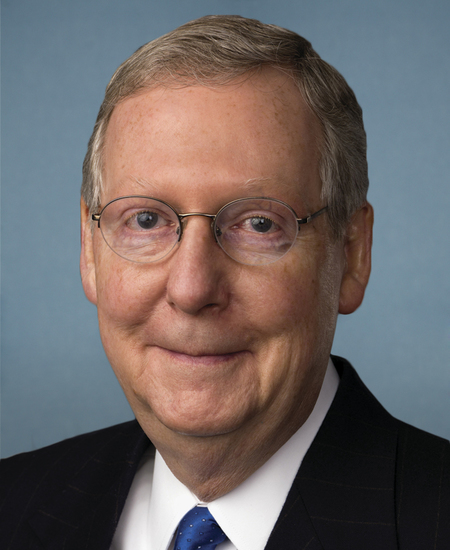
Mitch McConnell
Mitch McConnell Senate
R
Strong +
93% 28
AA
Alan Armstrong Senate
R
Strong +
86% 28
Bernie Moreno
Bernie Moreno Senate
R
Strong +
86% 28
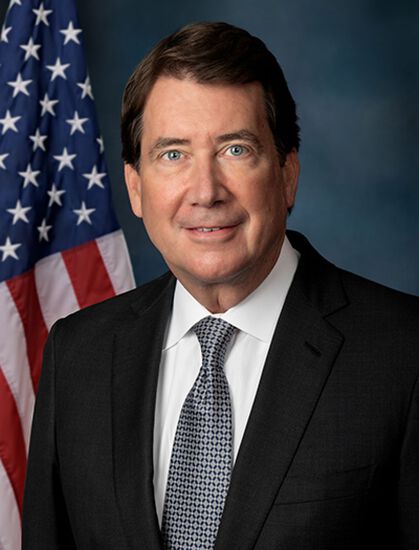
Bill Hagerty
Bill Hagerty Senate
R
Strong +
86% 28
Aisha Wahab
Aisha Wahab House · District 14
D
Strong −
0% 3
Everton Blair Jr.
Everton Blair Jr. House · District 13
D
Strong −
0% 3
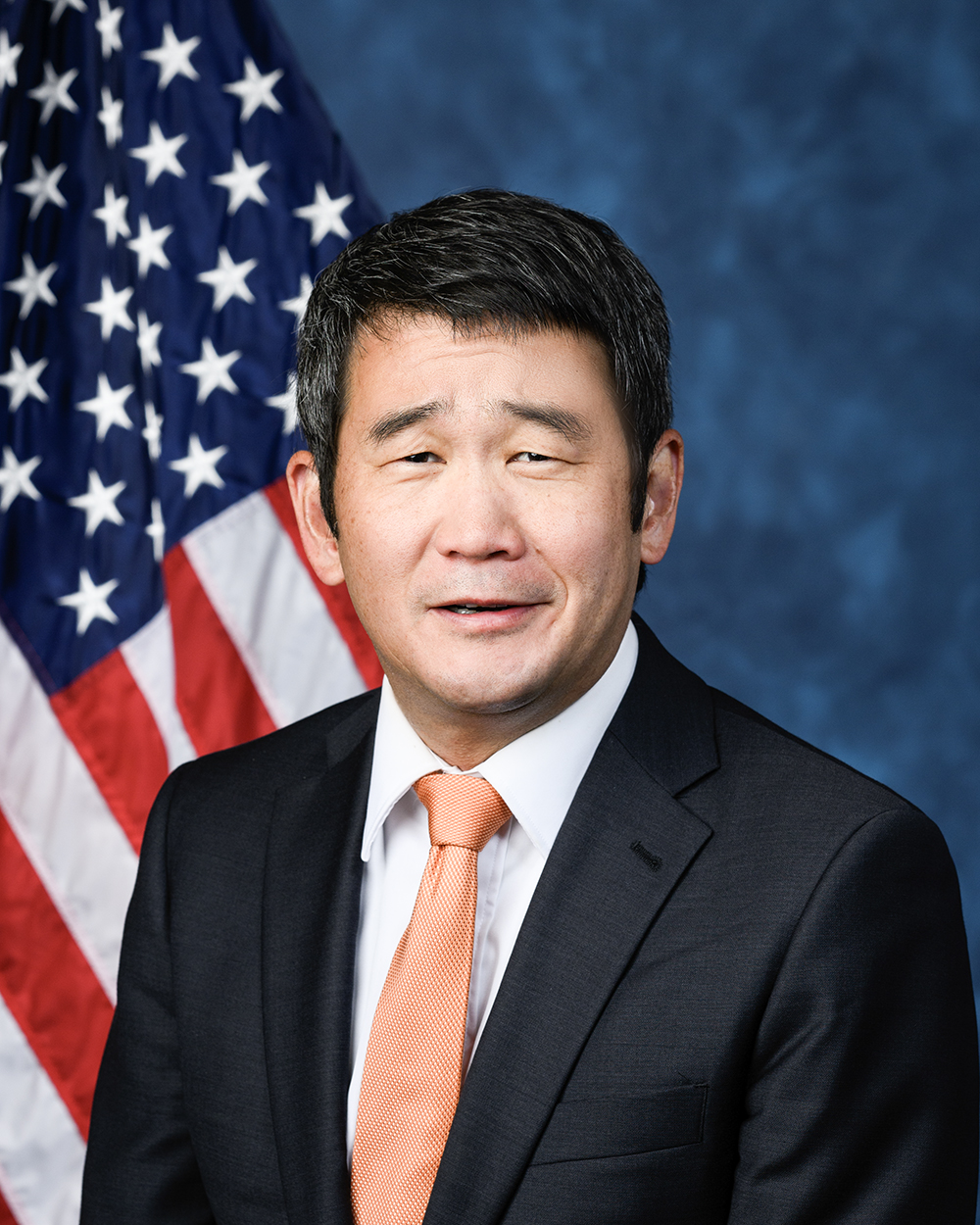
Dave Min
Dave Min House · District 47
D
Strong −
13% 15
Marcy Kaptur
Marcy Kaptur House · District 9
D
Strong −
13% 15
Amy Klobuchar
Amy Klobuchar Senate
D
Strong −
14% 28
Showing 31–40 of 380 bills

All criminal justice bills

in committee · United States · House May 20, 2026

HR 8927: Stop the Doxx Act

The Stop the Doxx Act makes it a federal crime to publicly share personal information, such as home addresses or phone numbers, about law enforcement officers, prosecutors, judges, or their immediate family members with the intent to threaten or intimidate them. Under this law, individuals found guilty face prison sentences of up to 10 years for a first offense, with penalties increasing to 20 years for repeat offenses or up to 40 years if the act results in injury or death. The bill also allows victims to sue for damages and requires the Attorney General to create a free, annual training program to help these public servants protect their personal data online.
in committee · United States · House Jul 17, 2026

HR 9472: The Protecting Homeowners from Squatters Act

This bill, known as the Protecting Homeowners from Squatters Act, aims to stop people from illegally occupying homes by defining squatting as entering a property and staying there for at least 10 to 14 days without the owner's permission or payment of rent. It directs local law enforcement to quickly remove squatters and prosecute them according to local laws while prohibiting the use of federal benefits to support or encourage such behavior. The legislation also ties federal housing funds to local compliance by withholding Community Development Block Grant money from jurisdictions that allow squatting or grant special tenant rights to squatters, and it bars federal mortgage support for loans secured by properties in those non-compliant areas.
in committee · United States · House Jun 11, 2026

HR 9276: Federal Cryptocurrency Theft Enforcement and Coordination Act

The Federal Cryptocurrency Theft Enforcement and Coordination Act establishes a new task force within the Department of Justice to coordinate efforts against cryptocurrency theft. Led by the Attorney General, this group will include representatives from agencies such as the FBI and the Treasury to improve how federal, state, and local law enforcement investigate and prosecute these crimes. The task force is responsible for sharing information, providing training on digital evidence collection, and identifying gaps in current laws without creating new criminal offenses or regulating digital assets. Additionally, the Attorney General must submit annual reports to Congress detailing the task force's activities and offering recommendations for future improvements.
in committee · United States · Senate Jun 3, 2026

S 4670: Enhanced Alerts for Missing Loved Ones with Disabilities Act of 2026

This bill updates federal guidelines to better assist law enforcement in locating missing adults and children with developmental disabilities, Alzheimer's disease, or dementia. It requires alert systems to explicitly include these specific conditions and mandates new training programs for agencies on how to effectively respond to cases involving these vulnerable populations. By amending existing laws, the legislation ensures that search efforts are tailored to the unique needs of individuals with cognitive or developmental impairments.
Sub-Topics Law Enforcement
in committee · United States · House Jun 8, 2026

HR 9189: Right to Record Act of 2026

The Right to Record Act of 2026 establishes a federal legal right for individuals to record, observe, or peacefully protest federal law enforcement activities in public view. It creates a new civil cause of action that allows individuals to sue federal officers and the United States government for specific retaliatory actions, such as arresting someone for recording or threatening them with database inclusion. Under this bill, violators could face civil penalties of up to $100,000 in punitive damages if the misconduct was done with malice or reckless disregard for rights. The law also mandates annual training for federal officers on respecting these rights while enforcing the law and clarifies that the right does not extend to physically restraining an officer.
Sub-Topics Law Enforcement
in committee · United States · Senate Jun 8, 2026

S 4695: CONSENT Act

The CONSENT Act establishes a federal civil remedy for individuals who receive unsolicited intimate visual depictions, including those created using artificial intelligence or deepfake technology, without their consent. It defines consent as a voluntary and conscious authorization and prohibits the transmission of such images when the sender knows or should know the recipient has not agreed to receive them. Victims can sue for damages up to $1,000 or compensation for emotional distress, along with court orders to stop the distribution, while minors can file suit through guardians with their identities kept private. The law explicitly excludes good faith transmissions for medical, educational, or law enforcement purposes and clarifies that it does not override existing criminal laws or First Amendment rights.
in committee · United States · House Jun 8, 2026

HR 9208: HEAR Act of 2026

The HEAR Act of 2026 makes it illegal for most people to import, sell, manufacture, transfer, or possess firearm silencers and mufflers. The law allows exceptions for law enforcement officers, campus security personnel, nuclear facility employees, and licensed manufacturers conducting authorized testing. To help individuals comply with the new restrictions, the bill requires the Attorney General to create a nationwide buy-back program that pays people who surrender their silencers. These changes would take effect 90 days after the bill is signed into law.
in committee · United States · Senate Jun 3, 2026

S 4678: SIMS Act

The SIMS Act prohibits companies from creating or operating chatbots that simulate minors engaging in sexually explicit conduct or conversations. This law applies to any person offering such software in the United States and defines a minor as anyone under 18 years old. While the ban covers simulations of real or fictional minors, it includes specific exemptions for law enforcement agencies investigating child sexual exploitation. Violations can result in criminal fines of up to $100,000 or civil penalties, and the Attorney General is required to submit annual reports on enforcement actions and investigations related to the new rules.
Sub-Topics Law Enforcement
in committee · United States · House Jun 10, 2026

HR 9236: HAILEY Act of 2026

The HAILEY Act of 2026 amends the PROTECT Act to update the criteria for issuing AMBER Alerts. It allows law enforcement to request these alerts for any missing person under 18 who is considered a high-risk individual, expanding the program beyond its previous focus on child abduction cases. This change applies to police agencies and the national AMBER Alert communication network, ensuring that alerts can be triggered for a broader range of endangered youth. The legislation does not alter the core requirements for issuing an alert but clarifies that the system covers all high-risk missing minors.
in committee · United States · House May 21, 2026

HR 8976: Women in Criminal Justice Reform Act

The Women in Criminal Justice Reform Act aims to improve how the federal justice system treats women by mandating gender-informed training for law enforcement and probation officers, ensuring they understand the unique needs of female justice-involved individuals. The bill requires federal officers to allow arrested parents to arrange care for their children before taking them into custody and establishes grant programs to support these training initiatives and recruit more women into law enforcement. It also introduces significant changes to sentencing and incarceration, such as expanding pretrial diversion options for women with trauma histories, limiting penalties for conspiracy charges, and requiring the Bureau of Prisons to provide specific medical screenings, trauma-informed care, and gender-responsive programming. Furthermore, the legislation seeks to keep families together by allowing temporary releases to maintain community ties, updating custody laws to preserve parental rights, and ensuring that reentry programs are tailored to the specific challenges women face upon release.
Showing 31 to 40 of 380 bills
Previous 1 … 3 4 5 … 38 Next