Issue · Criminal Justice

Criminal Justice (Drug Policy)

Every criminal justice bill, vote, and legislator stance in United States, automatically classified by Maddy, our AI policy reader.

Total bills
85
119th Congress
Top supporter
Adam B. Schiff
100% support rate
Top opponent
Amy Klobuchar
0% support rate
Ranked legislators
10
5 support · 5 oppose
Key legislators

Who's moving drug policy in United States

Legislators moving drug policy in United States
Legislator Party Stance Support rate Decisive votes
Adam B. Schiff
Adam B. Schiff Senate
D
Strong +
100% 3
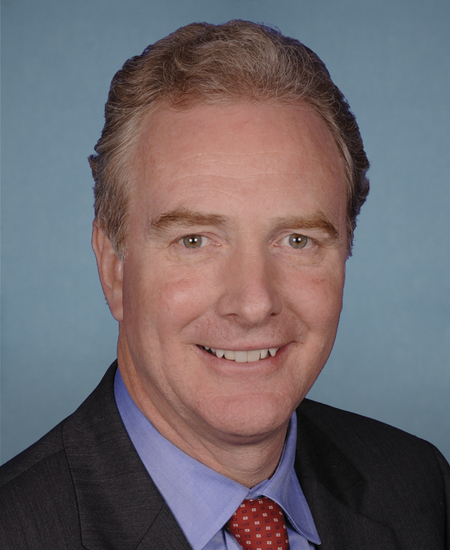
Chris Van Hollen
Chris Van Hollen Senate
D
Strong +
100% 3
Christopher Murphy
Christopher Murphy Senate
D
Strong +
100% 3
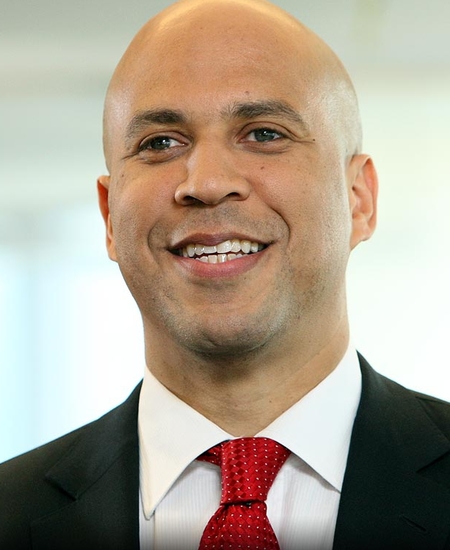
Cory A. Booker
Cory A. Booker Senate
D
Strong +
100% 3
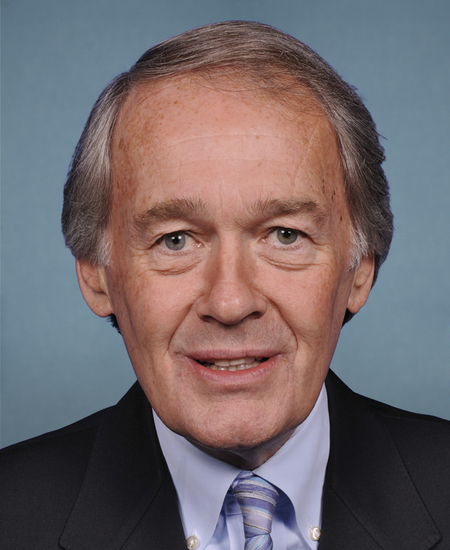
Edward J. Markey
Edward J. Markey Senate
D
Strong +
100% 3
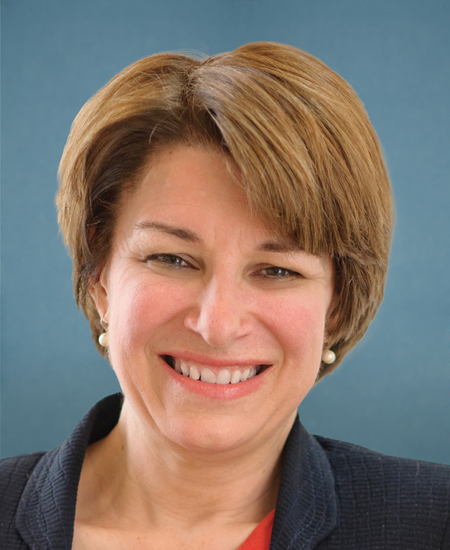
Amy Klobuchar
Amy Klobuchar Senate
D
Strong −
0% 3
Andrea Salinas
Andrea Salinas House · District 6
D
Strong −
0% 3
Andy Kim
Andy Kim Senate
D
Strong −
0% 3
Angus S. King, Jr.
Angus S. King, Jr. Senate
I
Strong −
0% 3
April McClain Delaney
April McClain Delaney House · District 6
D
Strong −
0% 3
Showing 31–40 of 85 bills

All criminal justice bills

in committee · United States · Senate Apr 9, 2025

S 1374: BUMP Act

The BUMP Act (S 1374) bans devices that increase the firing rate of semiautomatic firearms to mimic machineguns, directly affecting owners of modified firearms. It prohibits importing, selling, or possessing devices (like "bump stocks") that speed up firing or eliminate the need for separate trigger pulls, and requires registration of existing modified semiautomatics within 120 days. The law exempts government agencies and pre-enactment modifications that are registered. This targets specific firearm modifications, not all semiautomatic weapons.
Sub-Topics Drug Policy Firearms
in committee · United States · Senate Dec 17, 2025

S 3522: No Red Tape For Addiction Treatment Act

This bill requires states to cover medication-assisted treatment (MAT) for opioid use disorder under Medicaid without prior authorization or dosage limits for at least one formulation of each approved drug. It directly affects Medicaid patients with opioid use disorder and their healthcare providers, removing administrative barriers that previously required extra approvals or restricted dosing. The bill amends Medicaid law to mandate this coverage, while also requiring a federal report analyzing how current state policies (like dosing limits or counseling requirements) impact access to MAT. The changes apply starting one year after enactment, with states needing time to adjust if new state laws are required.
in committee · United States · House Jul 24, 2025

HR 4683: Securing America’s Ports of Entry Act of 2025

HR 4683, the Securing America’s Ports of Entry Act of 2025, requires U.S. Customs and Border Protection (CBP) to hire at least 1,000 additional officers annually until staffing targets are met based on workload data. This directly affects CBP officers, port operations, and facilities like airports and land borders by mandating increased staffing and infrastructure improvements for drug interdiction. Key provisions include a report on port infrastructure needs to enhance opioid detection, requiring CBP to identify technology gaps and safety equipment for officers. The bill also adds reporting requirements for temporary officer reassignments and agreements with ports, ensuring transparency for congressional committees. These changes aim to strengthen border security operations through concrete staffing and resource planning.
in committee · United States · Senate Oct 30, 2025

S 3080: Nitazene Sanctions Act

The Nitazene Sanctions Act (S 3080) targets synthetic opioids called nitazenes, which are significantly more potent than fentanyl and can be produced using widely available chemicals, often linked to Chinese chemical manufacturers. It requires the U.S. State Department and Justice Department to submit a report within 120 days detailing China’s role in producing nitazene precursors and a strategy to address this, including working with Chinese authorities and European allies. The bill amends the Fentanyl Sanctions Act to explicitly include nitazenes in controlled substance definitions and authorizes sanctions against Chinese entities or officials that fail to prevent opioid trafficking or support precursor production. It also extends the Fentanyl Sanctions Act’s enforcement period from 5 to 10 years. The law directly affects Chinese chemical companies, government agencies, and officials involved in precursor production or trafficking, with sanctions potentially targeting financial institutions and government entities.
Sub-Topics Drug Policy
in committee · United States · House Jul 15, 2026

HR 5880: Fight Illicit Pill Presses Act

HR 5880, the "Fight Illicit Pill Presses Act," requires manufacturers and distributors of pill-making machines (like tableting machines) and their critical parts (such as punches and dies) to affix permanent serial numbers to these items. It mandates that these businesses report transactions involving such machines to the Attorney General and maintain records of the serial numbers. The law prohibits tampering with or knowingly distributing machines with removed or altered serial numbers. This directly affects manufacturers, distributors, and sellers of these specific pill-production machines and parts, aiming to improve tracking of equipment used in illicit drug manufacturing.
Sub-Topics Drug Policy
in committee · United States · Senate Feb 3, 2025

S 367: Stop Arming Cartels Act of 2025

The Stop Arming Cartels Act of 2025 bans the civilian sale, transfer, or possession of rifles capable of firing .50 caliber ammunition, directly affecting individuals and businesses handling these weapons. It includes exceptions for government use and rifles owned before the law's enactment, and requires owners to register such rifles with the federal registry within 12 months without fees. The bill also adds new liability for sellers who knowingly transfer these rifles to foreign narcotics traffickers or individuals designated under the Foreign Narcotics Kingpin Act. Additionally, it expands firearm sales reporting to include rifles and creates a new federal prohibition on firearm transfers to designated foreign traffickers.
Sub-Topics Drug Policy Firearms
in committee · United States · House Apr 17, 2025

HR 2935: PREPARE Act of 2025

The PREPARE Act of 2025 establishes a federal commission to develop a regulatory framework for cannabis, modeled after alcohol regulations, in preparation for the end of federal prohibition. The commission, to be created within 30 days, will study barriers like criminalization impacts, research restrictions, financial access for businesses, and youth protection, with a final report due within one year. This bill directly affects federal agencies (e.g., Justice, Health, Agriculture) and indirectly impacts communities disproportionately affected by cannabis prohibition, cannabis businesses, and medical patients. It does not change current laws but mandates a structured study to inform future regulation.
Sub-Topics Drug Policy
in committee · United States · House Jul 21, 2025

HR 4571: Combating Online Fentanyl Trafficking Act

HR 4571, the Combating Online Fentanyl Trafficking Act, authorizes up to 25% additional pay for Department of Justice employees with specialized computer expertise who work on fentanyl trafficking cases. It directly affects DOJ staff in roles requiring significant cyber skills to detect, prevent, or prosecute online fentanyl trafficking. The bill establishes a new incentive pay program, with special accounting rules ensuring this bonus doesn't count toward standard pay limits or retirement calculations. This is a funding mechanism for existing DOJ personnel, not a new law targeting fentanyl users or distributors.
Sub-Topics Drug Policy
in committee · United States · House Aug 12, 2025

HR 4963: Marijuana 1-to-3 Act of 2025

This bill reschedules marijuana from the most restrictive Schedule I to Schedule III under federal law. It requires the Attorney General to issue an order effecting this change within 60 days of the bill's enactment. This classification shift would make marijuana less restricted federally, affecting all federal regulations and penalties related to the substance. The change directly impacts federal enforcement, research, and medical access policies for marijuana nationwide.
Sub-Topics Drug Policy
in committee · United States · House Dec 5, 2025

HR 5223: RESTORE Act of 2025

This bill removes barriers for people with past drug-related convictions to access federal assistance programs. It amends welfare law to allow states to provide Temporary Assistance for Needy Families (TANF) benefits to individuals with such convictions and prohibits states from denying Supplemental Nutrition Assistance Program (SNAP) benefits based on drug convictions. The bill also adds "incarcerated individuals scheduled for release within 30 days" to SNAP household eligibility criteria. These changes directly affect individuals with past drug convictions seeking welfare or food assistance, removing state-level restrictions that previously barred them.
Sub-Topics Drug Policy
Showing 31 to 40 of 85 bills
Previous 1 … 3 4 5 … 9 Next