Issue · Criminal Justice

Criminal Justice (Law Enforcement)

Every criminal justice bill, vote, and legislator stance in United States, automatically classified by Maddy, our AI policy reader.

Total bills
318
119th Congress
Top supporter
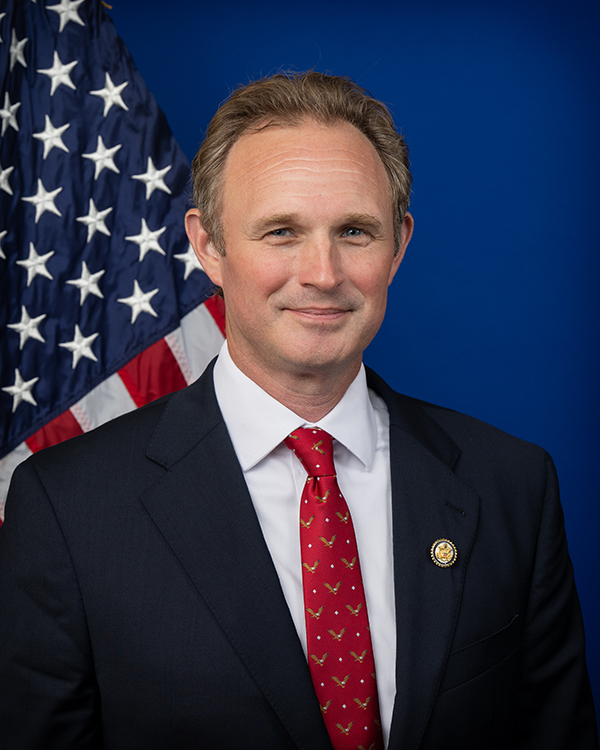
James Gallagher
100% support rate
Top opponent
Aisha Wahab
0% support rate
Ranked legislators
10
5 support · 5 oppose
Key legislators

Who's moving law enforcement in United States

Legislators moving law enforcement in United States
Legislator Party Stance Support rate Decisive votes
James Gallagher
James Gallagher House · District 1
R
Strong +
100% 3
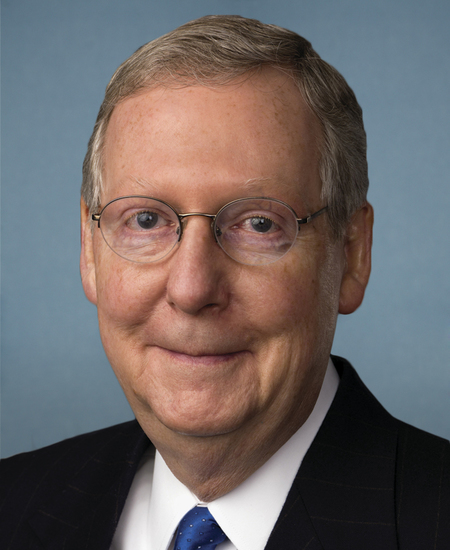
Mitch McConnell
Mitch McConnell Senate
R
Strong +
93% 28
AA
Alan Armstrong Senate
R
Strong +
86% 28
Bernie Moreno
Bernie Moreno Senate
R
Strong +
86% 28
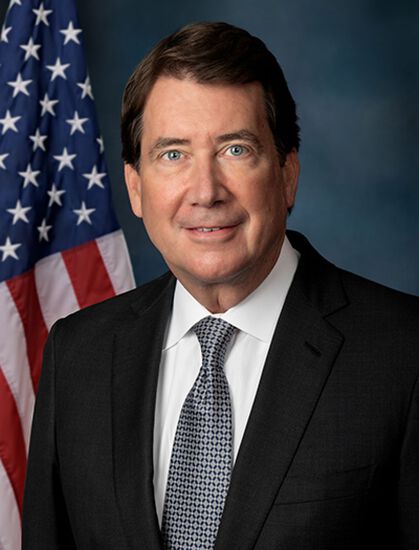
Bill Hagerty
Bill Hagerty Senate
R
Strong +
86% 28
Aisha Wahab
Aisha Wahab House · District 14
D
Strong −
0% 3
Everton Blair Jr.
Everton Blair Jr. House · District 13
D
Strong −
0% 3
Dave Min
Dave Min House · District 47
D
Strong −
13% 15
Marcy Kaptur
Marcy Kaptur House · District 9
D
Strong −
13% 15
Amy Klobuchar
Amy Klobuchar Senate
D
Strong −
14% 28
Showing 291–300 of 318 bills

All criminal justice bills

in committee · United States · House Jan 15, 2026

HR 7114: No Bounties on Badges Act

HR 7114, the "No Bounties on Badges Act," would amend federal law to allow the Attorney General to offer rewards for information leading to the arrest or conviction of individuals who harm, kill, or conspire to harm or kill U.S. federal law enforcement officers. The bill creates a new provision authorizing monetary rewards for tips that result in arrests, convictions, or prevention of attacks against officers, including in foreign countries. This policy change directly affects federal law enforcement officers by expanding reward mechanisms for information about threats against them, and it grants the Attorney General new authority under Title 18. The bill does not prohibit bounties but instead establishes a formal reward program for information related to violence against officers.
Sub-Topics Law Enforcement
in committee · United States · Senate Feb 19, 2025

S 634: Korematsu-Takai Civil Liberties Protection Act of 2025

This bill (S 634) amends U.S. Code § 4001 to prohibit federal authorities from detaining individuals solely based on protected characteristics. It directly affects anyone detained by federal law enforcement, banning detention based on race, ethnicity, national origin, religion, sex, gender identity, sexual orientation, disability, or any additional characteristic the Attorney General designates. The key provision adds a new subsection requiring that no one be imprisoned or detained "based solely on an actual or perceived protected characteristic," with the Attorney General having authority to expand the list of protected traits. This creates a clear legal standard to prevent discriminatory detention practices under federal law.
in committee · United States · House Dec 19, 2025

HR 6911: COPS Anti-Organized Crime and Cartel Enforcement Act of 2025

This bill creates new federal grants to help local law enforcement combat organized crime, cartels, and transnational criminal groups. It allocates $50 million annually (2026-2030) for specialized units to purchase equipment like tactical vehicles and non-weaponized drones, train officers in counter-crime tactics, and hire additional personnel. Jurisdictions with documented high levels of cartel or gang activity must certify how funds will be used. The grants are funded by rescinding previously allocated Labor Department funds, and the Attorney General must report annually on grant usage to Congress.
Sub-Topics Law Enforcement
in committee · United States · House Apr 8, 2025

HR 2711: Invest to Protect Act of 2025

The Invest to Protect Act of 2025 establishes a $50 million annual grant program (2027-2031) for local governments employing fewer than 175 law enforcement officers, including counties, municipalities, and Tribal governments. Grants fund de-escalation training, victim-centered domestic violence response training, evidence-based safety training for scenarios like mental health crises or active shooters, recruitment/retention bonuses (capped at 20% of salary), and mental health resources for officers. Recipients must report on program use, disclose bonus amounts publicly, and comply with audits to prevent misuse of funds. The bill aims to improve officer safety and community relations through targeted support for smaller law enforcement agencies.
Sub-Topics Domestic Violence Law Enforcement Mental Health Tags Public Safety
in committee · United States · House Jan 20, 2025

HR 568: Auto Theft Prevention Act

This bill creates a federal grant program to help state and local law enforcement combat auto theft and stolen vehicle trafficking. It authorizes $30 million annually (2026-2030) based on each state’s prior year auto theft rates, requiring states to allocate at least 50% of funds to local agencies in high-theft areas and 25% to state agencies. Funds can be used for specific auto theft prevention activities, including purchasing equipment (like license plate readers), hiring staff, training officers, and funding data collection. The program directly affects state and local law enforcement agencies by providing targeted funding for proven anti-theft measures.
in committee · United States · Senate Jun 4, 2025

S 1952: Protecting Law Enforcement from Doxxing Act

This bill, the Protecting Law Enforcement from Doxxing Act (S 1952), makes it a federal crime to publicly release a federal law enforcement officer's name with the intent to obstruct criminal investigations or immigration enforcement operations. It defines "federal law enforcement officer" broadly to include anyone authorized to prevent, detect, investigate, or prosecute federal criminal or immigration violations. Violators face penalties including fines, up to five years in prison, or both. The law directly affects federal officers and individuals who disclose their names with obstructive intent, while updating related sections of federal law to include this new prohibition.
in committee · United States · House Oct 10, 2025

HR 5727: ERRPA

The End Racial and Religious Profiling Act of 2025 (ERRPA) prohibits law enforcement agencies from using race, ethnicity, national origin, religion, gender, or sexual orientation in deciding which individuals to stop or investigate. The bill requires federal, state, local, and tribal law enforcement agencies to implement policies eliminating racial profiling, including mandatory training, data collection on stops and searches disaggregated by protected characteristics, and complaint procedures. Agencies must track "hit rates" (percentage of stops resulting in finding contraband) to identify potential disparities in enforcement practices. The Attorney General will issue regulations for data collection and analysis, and must submit annual reports to Congress on racial profiling practices.
in committee · United States · Senate Feb 12, 2026

S 3874: Prohibiting Political Prosecutions Act of 2026

S 3874, the Prohibiting Political Prosecutions Act of 2026, prohibits federal prosecutors and law enforcement from considering a person’s political views, associations, or activities when deciding whether to bring charges or investigations. It requires prosecutors to attest in legal filings that political beliefs weren’t a factor, mandates disclosure of exculpatory evidence to grand juries, and allows defendants to seek dismissal if political bias is suspected. The bill also bans White House interference in individual prosecution decisions and requires DOJ staff to report political bias allegations to oversight offices. It directly affects federal prosecutors, FBI agents, and White House staff involved in criminal investigations or prosecutions.
in committee · United States · Senate Feb 25, 2026

S 3918: Government Surveillance Transparency Act of 2026

The Government Surveillance Transparency Act of 2026 requires federal, state, and tribal courts to publicly disclose criminal surveillance orders, applications, and inventories after a maximum 180-day sealing period, with strict requirements for extensions. The bill mandates courts to publish detailed public reports about surveillance requests, including the nature of investigations and the agencies involved, and requires electronic filing of all surveillance documents. It creates a unique case numbering system for surveillance orders and requires automatic unsealing of documents after the sealing period expires. The law applies to all courts conducting surveillance, with implementation phased to allow time for system upgrades, and aims to increase transparency around government surveillance activities while balancing legitimate law enforcement needs.
Sub-Topics Courts Law Enforcement Tags Government Transparency
in committee · United States · Senate Feb 9, 2026

S 3804: Under Color of Law Accountability Act

This bill would create new federal criminal offenses for law enforcement officers and government officials who use excessive force, steal property, or obstruct investigations into misconduct. It prohibits intentionally causing bodily injury through excessive force (with penalties up to 30 years for serious cases), stealing money or property valued over $25, and destroying evidence related to misconduct (with penalties up to 20 years). The legislation defines "excessive force" as objectively unreasonable force and establishes a 7-year statute of limitations for most offenses, except for those resulting in death, which have no time limit. This directly affects government officials acting under color of law by creating new accountability mechanisms for misconduct.
Showing 291 to 300 of 318 bills
Previous 1 … 29 30 31 … 32 Next