Issue · Criminal Justice

Criminal Justice (Law Enforcement)

Every criminal justice bill, vote, and legislator stance in United States, automatically classified by Maddy, our AI policy reader.

Total bills
380
119th Congress
Top supporter
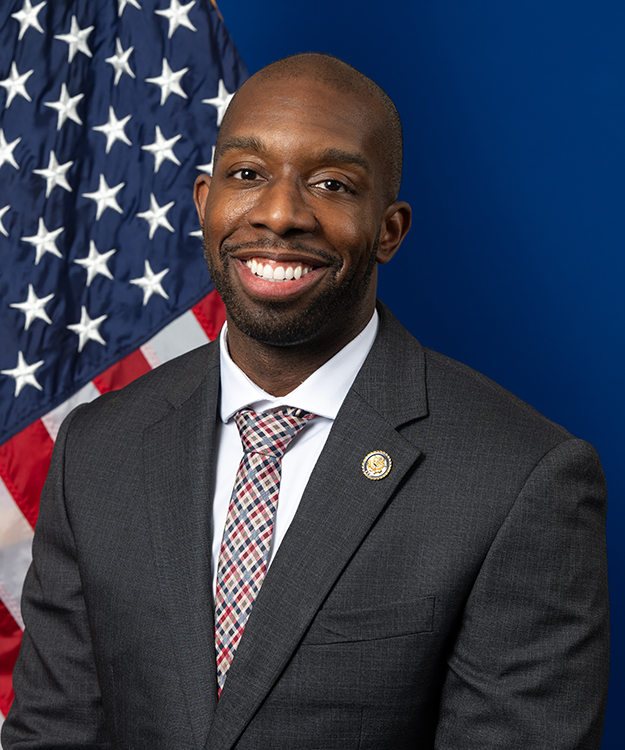
James Gallagher
100% support rate
Top opponent
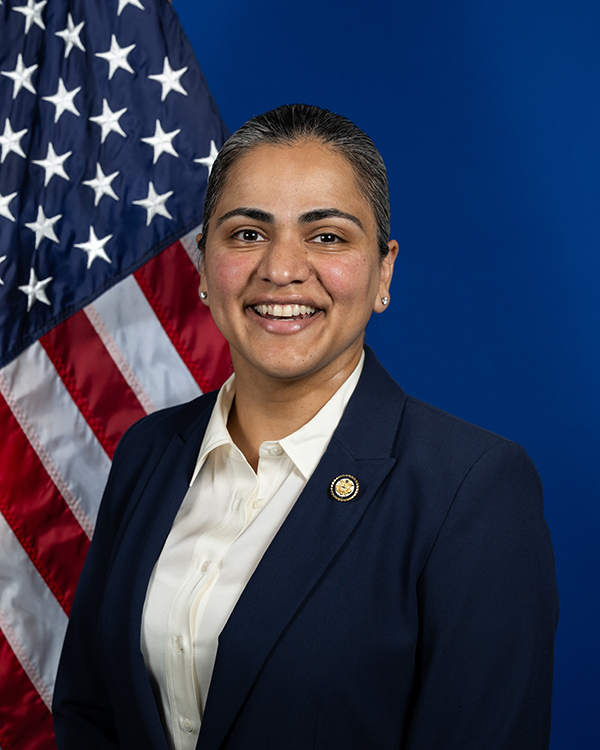
Aisha Wahab
0% support rate
Ranked legislators
10
5 support · 5 oppose
Key legislators

Who's moving law enforcement in United States

Legislators moving law enforcement in United States
Legislator Party Stance Support rate Decisive votes
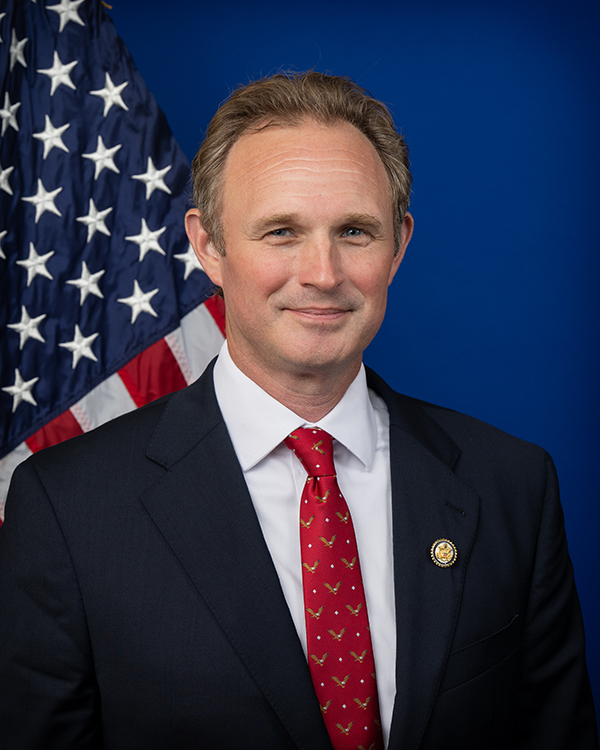
James Gallagher
James Gallagher House · District 1
R
Strong +
100% 3
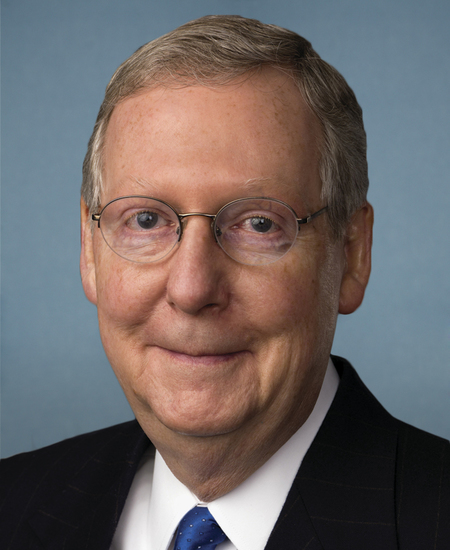
Mitch McConnell
Mitch McConnell Senate
R
Strong +
93% 28
AA
Alan Armstrong Senate
R
Strong +
86% 28
Bernie Moreno
Bernie Moreno Senate
R
Strong +
86% 28
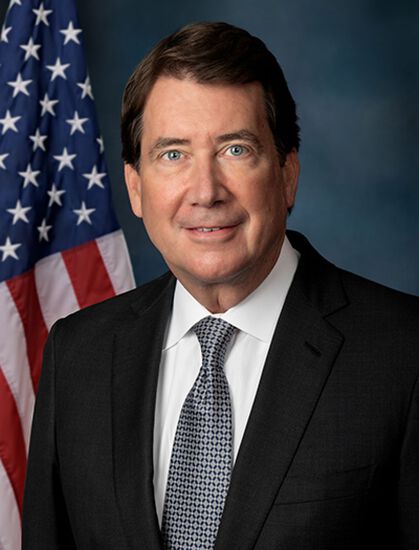
Bill Hagerty
Bill Hagerty Senate
R
Strong +
86% 28
Aisha Wahab
Aisha Wahab House · District 14
D
Strong −
0% 3
Everton Blair Jr.
Everton Blair Jr. House · District 13
D
Strong −
0% 3
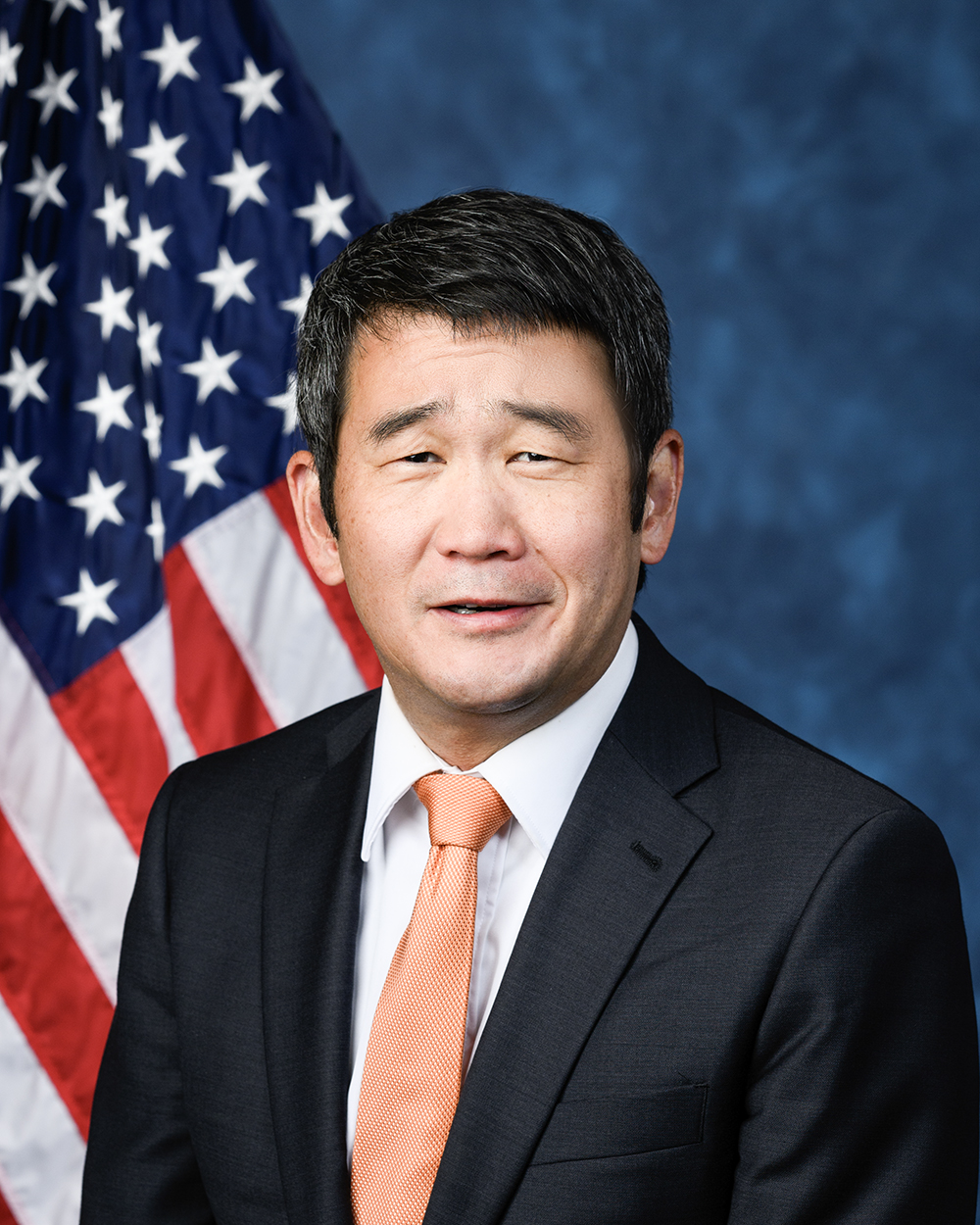
Dave Min
Dave Min House · District 47
D
Strong −
13% 15
Marcy Kaptur
Marcy Kaptur House · District 9
D
Strong −
13% 15
Amy Klobuchar
Amy Klobuchar Senate
D
Strong −
14% 28
Showing 21–30 of 380 bills

All criminal justice bills

in committee · United States · Senate Jul 15, 2026

S 5005: Epstein Files Transparency Act II

This bill, known as the Epstein Files Transparency Act II, strengthens the ability of state attorneys general, district attorneys, and victims to legally challenge the U.S. Attorney General for withholding or redacting records related to the Jeffrey Epstein investigation. It grants these parties the right to sue in federal court to force the release of unredacted documents, including classified materials, while requiring courts to expedite these cases. The legislation clarifies that federal agencies cannot use standard legal privileges to hide relevant evidence and explicitly defines who qualifies as a victim for the purposes of accessing these files. Additionally, it ensures that state and local law enforcement can use the released information in their own investigations without being restricted by federal privacy regulations.
Sub-Topics Courts Law Enforcement Tags Government Transparency
in committee · United States · House Jul 16, 2026

HR 9759: Turn the Tide Act

The Turn the Tide Act primarily increases federal funding for substance use disorder treatment, prevention, and recovery services, directing billions of dollars to states, tribes, and local organizations for the years 2027 through 2030. Key provisions include expanding Medicaid coverage for mental health and behavioral health services, removing insurance barriers to medication-assisted treatment, and limiting cost-sharing requirements for opioid overdose reversal medications. The bill also establishes new grant programs to support recovery housing, train first responders, and assist law enforcement with mental health and wellness initiatives. Additionally, it targets funding toward states with the highest rates of drug overdose deaths and extends existing waivers to improve Medicaid delivery systems in those areas.
in committee · United States · House Jul 20, 2026

HR 9793: Weaponization Offender Claims Ban Act of 2026

The Weaponization Offender Claims Ban Act of 2026 restricts the ability of certain individuals to file civil lawsuits under the Federal Tort Claims Act. Specifically, it bars private citizens from bringing these claims if they have been convicted of crimes such as assaulting federal law enforcement officers, interfering with federal elections, obstructing government processes, or committing felonies involving theft or misuse of federal funds. This provision applies regardless of whether the convicted person has received a pardon or had their sentence commuted. The bill directly affects individuals with these specific criminal convictions who might otherwise seek legal redress against the federal government.
Sub-Topics Law Enforcement
in committee · United States · House Aug 31, 2026

HRES 1430: Providing for consideration of the bill (H.R.185) to advance responsible policies.

This resolution allows the House of Representatives to immediately consider and pass H.R. 185, known as the Epstein Files Transparency Act II, which strengthens rules for releasing government documents related to the Jeffrey Epstein case. The bill empowers state attorneys general and victims to sue the U.S. Attorney General in federal court if they believe records are being unlawfully withheld, redacted, or delayed, while also requiring courts to expedite these legal cases. It mandates that victims receive unredacted copies of records pertaining to them and grants state law enforcement full access to previously sealed or classified materials for their investigations. Additionally, the law imposes criminal penalties on federal officials who conceal or falsify records and requires Members of Congress to receive unredacted documents within seven days of requesting them.
Sub-Topics Courts Law Enforcement
in committee · United States · House Jul 15, 2026

HR 9716: PRIVACY Act

The PRIVACY Act restricts Federal law enforcement agencies from accessing surveillance data collected by State or local agencies without a warrant issued by a Federal judge. It establishes a "Jurisdictional Wall List" maintained by the Attorney General that includes technologies like automated license plate readers and long-range microphones, prohibiting the use of Federal funds to purchase these specific devices. While the bill allows for limited exceptions in emergencies or with consent, it mandates strict rules on data retention, requiring agencies to delete most collected information within 30 days unless it becomes evidence in an active prosecution. Additionally, the legislation bans the use of this data to monitor individuals exercising First Amendment rights and requires regular reporting to Congress on how these surveillance tools are utilized.
Sub-Topics Judges Law Enforcement
in committee · United States · House Jul 22, 2026

HR 9665: VA Police Security Enhancement Act

The VA Police Security Enhancement Act expands the authority of Department of Veterans Affairs police officers to include protection of property and ensuring facility security, while also defining the specific areas where they have jurisdiction. To support these expanded duties, the bill requires the VA to create memoranda of understanding with local, state, and federal law enforcement agencies to facilitate coordination and allows officers to operate off VA property only in specific circumstances like hot pursuit or under a written agreement. The legislation mandates modernization of security measures, including access controls and surveillance systems, and establishes a dedicated funding account for officer employment, training, and security infrastructure that expires after three years. Additionally, the bill strengthens oversight by requiring the VA Secretary to provide Congress with regular reports on staffing, training, and enforcement activities, as well as data on arrests and use of force.
in committee · United States · House Jul 13, 2026

HR 9656: Illegal Alien Patient Reporting Act

This bill requires hospitals that receive federal health care funding to ask patients about their immigration status during admission and report the results to government agencies. Under the law, hospitals must include a specific statement on intake forms assuring patients that their answers will not affect their medical care or lead to a law enforcement report unless the patient is suspected of certain crimes. Hospitals must also submit quarterly reports detailing how many patients are citizens, lawful residents, or undocumented, along with the number of individuals who refused to answer or failed to provide proof of their legal status. The legislation prohibits hospitals from sharing personal identifying information with the government while allowing them to exclude non-compliant facilities from federal programs. Additionally, the bill mandates an annual report to Congress analyzing the costs of uncompensated care for undocumented patients and its impact on hospital services.
in committee · United States · Senate Jun 24, 2026

S 4921: Blair Holt Firearm Owner Licensing and Record of Sale Act of 2026

The Blair Holt Firearm Owner Licensing and Record of Sale Act of 2026 requires most individuals to obtain a federal firearm owner license to possess handguns or semiautomatic rifles, with specific exemptions for licensed dealers, law enforcement, and minors under supervision. To get this license, applicants must submit detailed personal information, including fingerprints and mental health records, and undergo a background check administered by the Attorney General. The bill also mandates that licensed dealers record every sale or transfer of these firearms in a federal database and report the transaction details within 14 days. Additionally, the law prohibits unlicensed individuals from transferring firearms to other unlicensed people without the involvement of a licensed dealer and imposes strict penalties for failing to report lost or stolen guns or failing to notify authorities of address changes.
in committee · United States · Senate Jul 27, 2026

S 4723: Eliminate PRC Organized Crime Act

The Eliminate Chinese Organized Crime Act establishes a new program to provide financial and technical assistance to law enforcement agencies in Latin American and Caribbean countries. This funding is intended to help these agencies investigate and prosecute criminal groups linked to China that engage in activities such as drug trafficking, money laundering, and foreign interference. The assistance includes training on financial investigations, digital forensics support, and consultation with U.S. law enforcement experts, while also implementing vetting measures to ensure recipient agencies are not compromised. Additionally, the bill requires the Director of National Intelligence to submit an annual report to Congress detailing the assistance provided and summarizing known criminal activities and any law enforcement support received from China in the region.
Sub-Topics Law Enforcement
in committee · United States · Senate Jun 17, 2026

S 4821: STOP Scams Against Seniors Act

The STOP Scams Against Seniors Act authorizes the use of federal Byrne grant funds to create and run task forces specifically designed to combat financial scams targeting individuals aged 60 and older. These task forces would bring together local law enforcement, prosecutors, and federal agencies like the FBI and FTC to investigate fraud cases and assist victims. To ensure accountability, the bill requires grant recipients to submit detailed annual reports on the number of cases handled, victims supported, and the specific types of scams encountered. Additionally, the Attorney General must provide a yearly summary of this data to Congress.
Sub-Topics Law Enforcement
Showing 21 to 30 of 380 bills
Previous 1 … 2 3 4 … 38 Next