Issue · Criminal Justice

Criminal Justice (Courts)

Every criminal justice bill, vote, and legislator stance in United States, automatically classified by Maddy, our AI policy reader.

Total bills
146
119th Congress
Top supporter
Adam B. Schiff
100% support rate
Top opponent
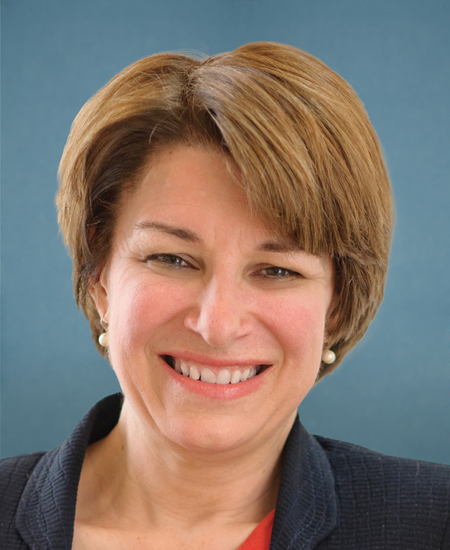
Amy Klobuchar
0% support rate
Ranked legislators
10
5 support · 5 oppose
Key legislators

Who's moving courts in United States

Legislators moving courts in United States
Legislator Party Stance Support rate Votes
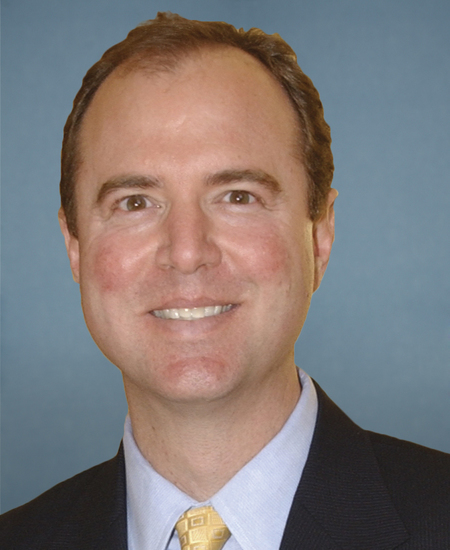
Adam B. Schiff
Adam B. Schiff Senate
D
Strong +
100% 3
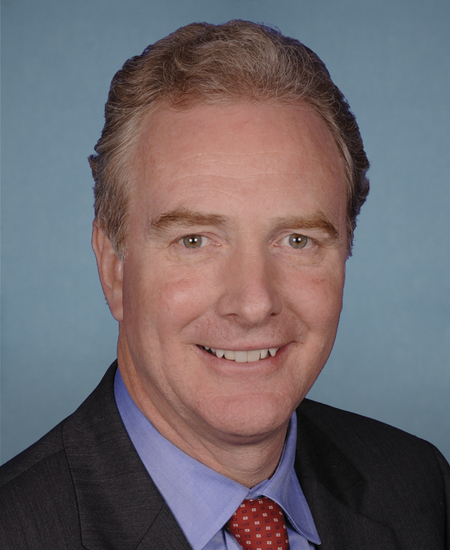
Chris Van Hollen
Chris Van Hollen Senate
D
Strong +
100% 3
Christopher Murphy
Christopher Murphy Senate
D
Strong +
100% 3
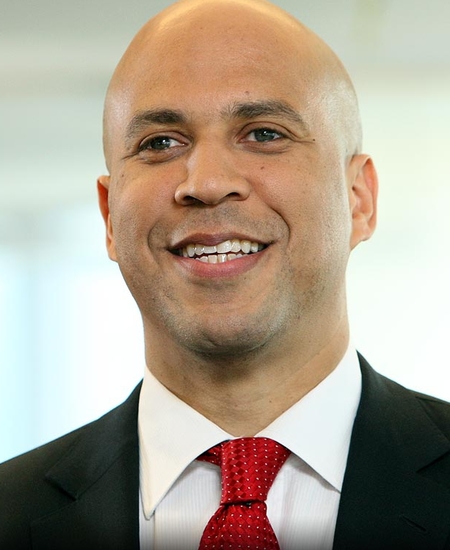
Cory A. Booker
Cory A. Booker Senate
D
Strong +
100% 3
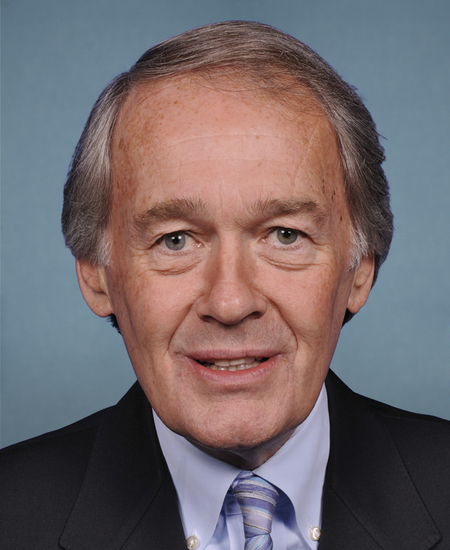
Edward J. Markey
Edward J. Markey Senate
D
Strong +
100% 3
Amy Klobuchar
Amy Klobuchar Senate
D
Strong −
0% 3
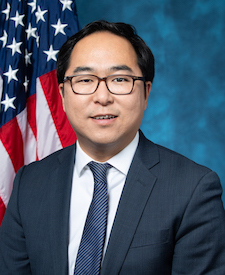
Andy Kim
Andy Kim Senate
D
Strong −
0% 3
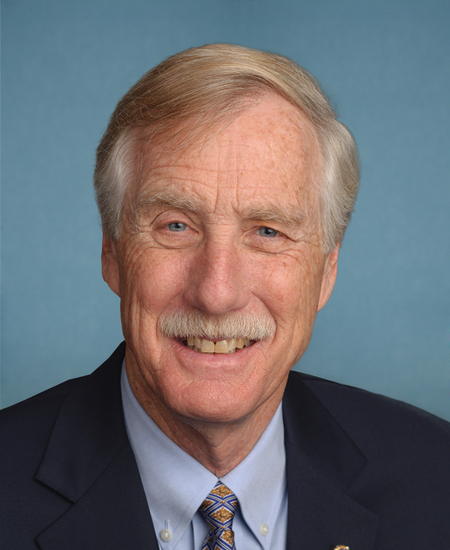
Angus S. King, Jr.
Angus S. King, Jr. Senate
I
Strong −
0% 3
Ashley Moody
Ashley Moody Senate
R
Strong −
0% 3
Ben Ray Luján
Ben Ray Luján Senate
D
Strong −
0% 3
Showing 21–30 of 146 bills

All criminal justice bills

in committee · United States · House Jun 11, 2026

HR 9298: Stopping Harmful and Outrageous Torts Act

This bill, known as the Stopping Harmful and Outrageous Torts Act, expands legal protections for firearm manufacturers and sellers by strengthening their immunity from civil lawsuits. It requires courts to immediately dismiss any pending cases against these companies that are based on the criminal or unlawful misuse of a gun by a third party, while also clarifying that sellers are not liable for negligence in entrusting products to others. The legislation further restricts who can file such suits by prohibiting foreign governments from bringing these claims and adding a specific exception for victims under the age of 17, though it maintains immunity for cases involving design or manufacturing defects. Additionally, the bill allows companies to move these cases to federal court and grants them the right to appeal dismissal orders immediately, along with the ability to recover legal fees if they win. Finally, it preempts state and local laws that attempt to impose liability on these entities for the same types of misuse-related harms.
Sub-Topics Courts Firearms
in committee · United States · Senate Jun 9, 2026

S 4713: Preventing Payouts for Insurrectionists Act

This bill, known as the Preventing Payouts for Insurrectionists Act, bars individuals convicted of specific crimes related to the January 6 Capitol attack or election interference from receiving future federal compensation. It also requires people who received such payments between January 20, 2025, and the date the law is enacted to return the money to the U.S. Treasury. State attorneys general are authorized to sue these individuals in federal court to enforce the repayment and collect an additional 25% penalty to cover legal costs. The rules apply to any claim filed on or after January 20, 2025, regardless of when the underlying incident occurred.
Sub-Topics Courts
in committee · United States · Senate Jun 8, 2026

S 4695: CONSENT Act

The CONSENT Act establishes a federal civil remedy for individuals who receive unsolicited intimate visual depictions, including those created using artificial intelligence or deepfake technology, without their consent. It defines consent as a voluntary and conscious authorization and prohibits the transmission of such images when the sender knows or should know the recipient has not agreed to receive them. Victims can sue for damages up to $1,000 or compensation for emotional distress, along with court orders to stop the distribution, while minors can file suit through guardians with their identities kept private. The law explicitly excludes good faith transmissions for medical, educational, or law enforcement purposes and clarifies that it does not override existing criminal laws or First Amendment rights.
in committee · United States · Senate Jun 2, 2026

S 4667: Open Courts Act of 2026

The Open Courts Act of 2026 creates a single, modernized online system to store and display public records for most federal courts in the United States. This centralized platform will automatically make court documents, audio recordings, and opinions available to the public immediately upon filing, while also offering features like searchable databases, email notifications for case updates, and permanent links for easy access. To help fund the development and maintenance of this new system, the bill introduces a fee structure that charges higher rates for high-volume users and government agencies while keeping basic access free for everyone. Additionally, the law sets strict standards for digital accessibility, cybersecurity, and data privacy, and requires regular audits to ensure the system meets user needs and remains secure.
Sub-Topics Courts Cybersecurity Data Privacy Tags Government Transparency
in committee · United States · House Jul 7, 2026

HR 9294: Oversight of Temporary ICE Holding Cells Act

The Oversight of Temporary ICE Holding Cells Act limits how long U.S. Immigration and Customs Enforcement can hold individuals in temporary secure areas before formal processing. Specifically, it prohibits detaining anyone in these holding rooms for longer than 12 hours. The law defines holding rooms as secure spaces used for short-term confinement before intake, court appointments, or transfer to another facility. This restriction directly affects the Department of Homeland Security's operations regarding the temporary detention of immigrants.
in committee · United States · House May 21, 2026

HR 8966: Subpoena Abuse Prevention Act

The Subpoena Abuse Prevention Act restricts how federal agencies can use administrative subpoenas to obtain phone and app records from service providers. It requires agencies to identify a specific person or account before requesting data, bans subpoenas aimed at investigating or retaliating against constitutionally protected activities like free speech, and mandates that agencies certify the subpoena's legitimate purpose. The law also allows service providers to notify customers about the subpoena and consult with lawyers, unless a court order specifically prevents such notification. Additionally, federal agencies must publicly report annually on the number of subpoenas issued and the total accounts affected.
Sub-Topics Courts Data Privacy Tags Civil Liberties
in committee · United States · House Jun 4, 2026

HR 9155: CONSENT Act

The CONSENT Act establishes a federal civil remedy for individuals who receive unsolicited intimate visual depictions, such as non-consensual deepfakes, sent via interstate commerce. It defines consent as a voluntary authorization free from coercion and specifically prohibits the transmission of intimate digital forgeries created using artificial intelligence or other technological means. Victims can sue senders for up to $1,000 in statutory damages, emotional distress compensation, and court-ordered injunctions to stop the behavior, while also allowing minors to file under a pseudonym for privacy. The law explicitly excludes good faith transmissions for medical, educational, or law enforcement purposes and states that it does not override existing criminal laws or First Amendment rights.
in committee · United States · House May 29, 2026

HR 9069: KIDS Act

The KIDS Act restricts U.S. immigration authorities from detaining children, individuals with cognitive disabilities, and their primary caregivers, with limited exceptions for criminal warrants. It also prohibits law enforcement from conducting immigration actions within 1,000 feet of sensitive locations such as schools, hospitals, places of worship, and disaster relief sites. If a violation occurs, the bill mandates the immediate release of wrongfully detained individuals and bars the use of information gathered during illegal enforcement actions in future court cases. Additionally, the law requires that any necessary detentions be reported to Congress within 24 hours and prioritizes placing children with parents or designated guardians.
in committee · United States · Senate Apr 16, 2026

S 4324: Federal Prosecutorial Accountability Act

The Federal Prosecutorial Accountability Act modifies existing Department of Justice rules to address misconduct by government attorneys. It mandates that any federal prosecutor sanctioned under Rule 11 of the Federal Rules of Civil Procedure will be barred from representing the government in court for one year. The Office of Professional Responsibility within the Department of Justice is tasked with enforcing this ban. This change directly affects attorneys working for the federal government who face specific legal penalties for improper litigation conduct.
Sub-Topics Courts
in committee · United States · House May 29, 2026

HR 9076: Postal Data Privacy Act of 2026

The Postal Data Privacy Act of 2026 restricts the use of mail covers by requiring governmental entities to obtain a court order before accessing postal records for criminal investigations. To qualify for such an order, authorities must provide specific facts demonstrating that the requested data is relevant and material to an ongoing case, while state laws prohibiting mail covers would override federal requirements. Additionally, the bill mandates that postal officials preserve relevant records for up to 180 days while a court order is being sought or renewed. These provisions directly affect federal and state law enforcement agencies as well as the United States Postal Inspection Service by establishing new procedural safeguards for accessing mail data.
Showing 21 to 30 of 146 bills
Previous 1 2 3 4 15 Next