Issue · Criminal Justice

Criminal Justice (Drug Policy)

Every criminal justice bill, vote, and legislator stance in United States, automatically classified by Maddy, our AI policy reader.

Total bills
35
119th Congress
Top supporter
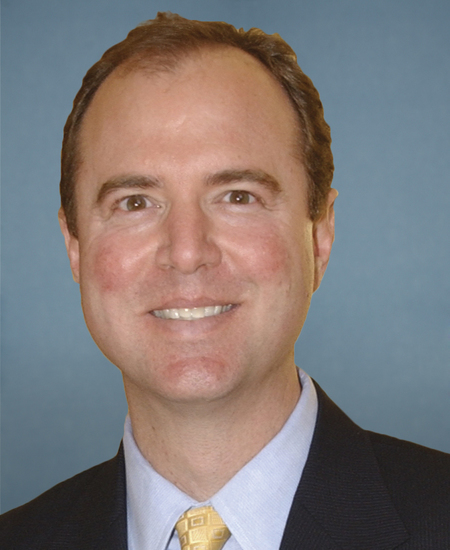
Adam B. Schiff
100% support rate
Top opponent
Amy Klobuchar
0% support rate
Ranked legislators
10
5 support · 5 oppose
Key legislators

Who's moving drug policy in United States

Legislators moving drug policy in United States
Legislator Party Stance Support rate Decisive votes
Adam B. Schiff
Adam B. Schiff Senate
D
Strong +
100% 3
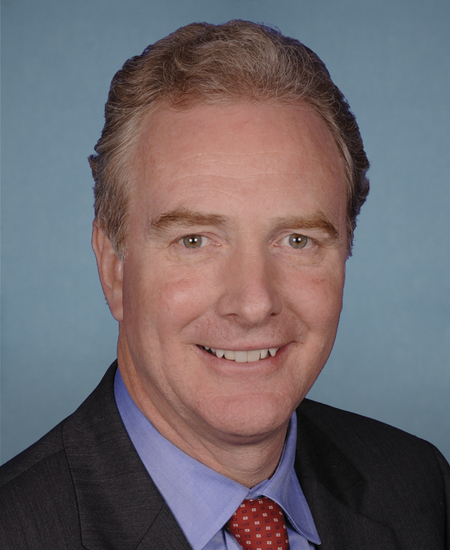
Chris Van Hollen
Chris Van Hollen Senate
D
Strong +
100% 3
Christopher Murphy
Christopher Murphy Senate
D
Strong +
100% 3
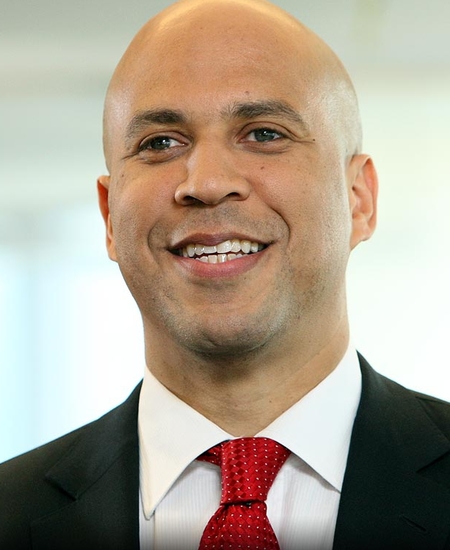
Cory A. Booker
Cory A. Booker Senate
D
Strong +
100% 3
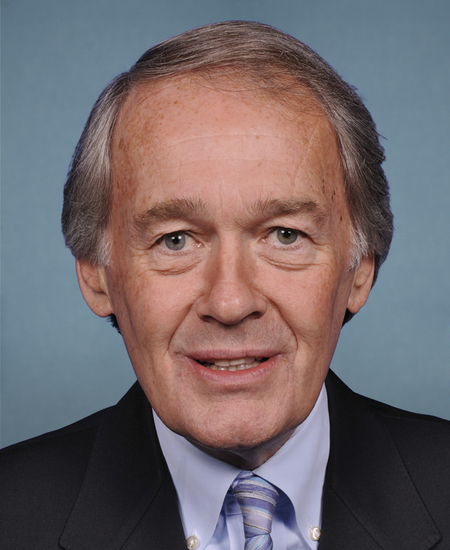
Edward J. Markey
Edward J. Markey Senate
D
Strong +
100% 3
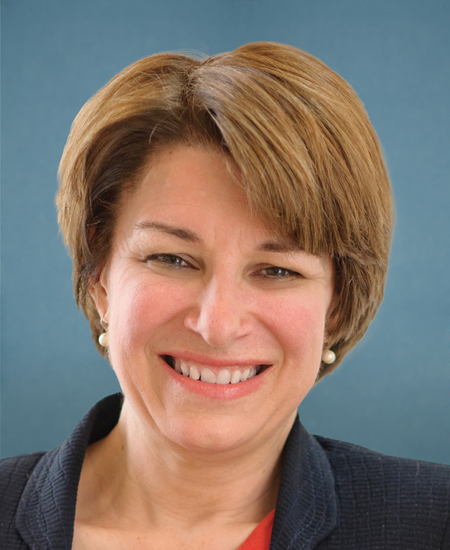
Amy Klobuchar
Amy Klobuchar Senate
D
Strong −
0% 3
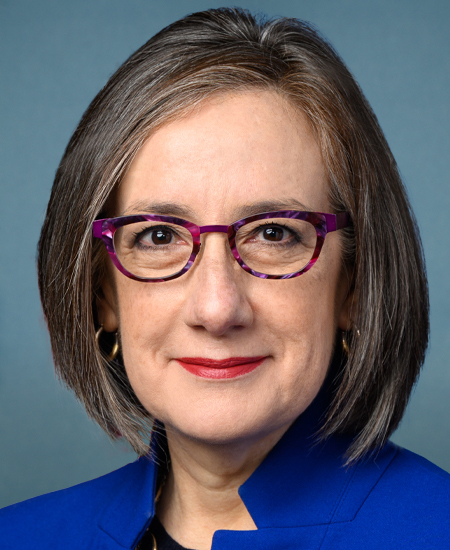
Andrea Salinas
Andrea Salinas House · District 6
D
Strong −
0% 3
Andy Kim
Andy Kim Senate
D
Strong −
0% 3
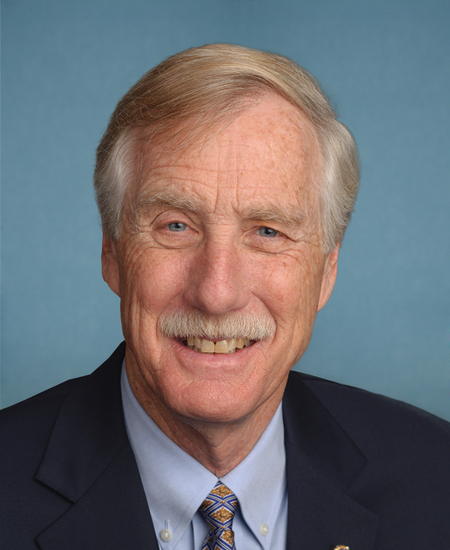
Angus S. King, Jr.
Angus S. King, Jr. Senate
I
Strong −
0% 3
April McClain Delaney
April McClain Delaney House · District 6
D
Strong −
0% 3
Showing 21–30 of 35 bills

All criminal justice bills

passed · United States · House Sep 16, 2026

HR 1266: Combating Illicit Xylazine Act

HR 1266, the Combating Illicit Xylazine Act, adds xylazine - a veterinary sedative increasingly found in illicit drug mixtures - to Schedule III of the Controlled Substances Act, regulating its use and trafficking. It directly affects veterinarians, animal owners, and manufacturers by allowing xylazine to be legally dispensed for animal use under specific veterinary prescriptions, while prohibiting non-veterinary human use. The bill includes transition periods (60 days for practitioners, 1 year for labeling) to ease compliance for manufacturers and practitioners, and requires the DEA and FDA to expedite necessary applications. It also mandates two congressional reports on xylazine's illicit use and trafficking patterns, and directs the Sentencing Commission to review penalties for offenses involving xylazine.
Sub-Topics Drug Policy Sentencing
in committee · United States · House Aug 29, 2025

HR 5066: Safe Students Act

This bill repeals the Gun-Free School Zones Act of 1990 and makes technical amendments to Title 18 of the U.S. Code, specifically removing references to school zones in firearm offense provisions. It revises sections governing firearm restrictions (Section 922), definitions (Section 921), and penalties (Section 924) by renumbering and deleting specific paragraphs related to the repealed law. The bill directly affects federal firearm law enforcement and legal interpretations concerning school zones, but does not create new restrictions or protections. As a procedural repeal, it removes outdated language without altering current firearm regulations.
passed · United States · House Feb 10, 2025

HR 27: HALT Fentanyl Act

The HALT Fentanyl Act (HR 27) creates a new category of Schedule I controlled substances for "fentanyl-related substances" defined by specific chemical modifications to fentanyl. This law directly affects researchers, medical professionals, and law enforcement by expanding the legal definition of fentanyl-related substances to include many structurally similar compounds. Key provisions include streamlined registration processes for research on these substances, allowing researchers to conduct studies with expedited procedures if related to FDA-approved drug development or government-funded research. The bill requires the Attorney General to issue implementing rules within six months and includes penalties for violations involving these substances.
in committee · United States · House Feb 6, 2025

HR 1064: Stopping Overdoses of Fentanyl Analogues Act

HR 1064, the "Stopping Overdoses of Fentanyl Analogues Act," adds all fentanyl-related substances to the federal Schedule I list of controlled substances without requiring separate listing. It defines these substances broadly as any chemical structure similar to fentanyl - such as modifications to its phenyl, piperidine, or aniline rings - to automatically cover new synthetic fentanyl analogues created by drug manufacturers. This change treats these substances as illegal fentanyl analogues under existing penalties, meaning law enforcement can prosecute them without proving they meet the current legal definition of a "controlled substance analogue." The bill directly affects drug manufacturers, distributors, and law enforcement by streamlining the regulation of new fentanyl-like compounds designed to evade current laws.
in committee · United States · House Jan 31, 2025

HR 830: SAFE Act

The SAFE Act creates a new category of "fentanyl-related substances" that would automatically be controlled under Schedule I of the Controlled Substances Act based on specific chemical modifications to fentanyl. This affects anyone involved in the production, distribution, or use of substances meeting this broad definition. The bill establishes a process for removing or rescheduling these substances if they're determined to have less potential for abuse than Schedule I substances, and allows courts to review past convictions involving substances that have since been removed from this category. It also creates new research procedures for Schedule I substances and requires a GAO report analyzing the law's implementation and impact within four years.
Sub-Topics Drug Policy Sentencing
in committee · United States · Senate May 7, 2025

S 1652: Protecting Communities and Preserving the Second Amendment Act of 2025

The Protecting Communities and Preserving the Second Amendment Act of 2025 improves the National Instant Criminal Background Check System (NICS) by requiring federal agencies to share mental health records and implementing accountability measures for grant recipients. It increases penalties for illegal firearm purchases, establishes new programs to prosecute gun violence in high-violence jurisdictions (including a "Nationwide Project Exile Expansion"), and creates regional task forces to combat firearms trafficking. The bill clarifies definitions related to mental health restrictions on firearm possession and modifies rules for interstate transportation of firearms under certain conditions. It also mandates a study on the causes of mass shootings and requires reports on ammunition purchases by federal agencies.
Sub-Topics Drug Policy Firearms
in committee · United States · House Nov 18, 2025

HR 6104: Dark Web Interdiction Act of 2025

HR 6104, the Dark Web Interdiction Act of 2025, creates a new federal offense for knowingly distributing controlled substances via the dark web and establishes the Joint Criminal Opioid and Darknet Enforcement Task Force. The bill mandates a 2-level sentencing increase for such violations and directs the new task force - comprising agencies like the FBI, DEA, and Customs - to disrupt dark web drug marketplaces through coordinated investigations, forensic training, and international collaboration. It requires annual reports on the task force’s activities and a separate report on virtual currency use in drug trafficking. The law applies directly to law enforcement agencies and targets individuals operating or using dark web marketplaces for illicit drug sales, with a 5-year sunset provision.
signed · United States · Senate Jul 16, 2025

S 331: HALT Fentanyl Act

Halt All Lethal Trafficking of Fentanyl Act or the HALT Fentanyl Act This act permanently places fentanyl-related substances as a class into schedule I of the Controlled Substances Act. A schedule I controlled substance is a drug, substance, or chemical that has a high potential for abuse; has no currently accepted medical value; and is subject to regulatory controls and administrative, civil, and criminal penalties under the Controlled Substances Act. Under the act, offenses involving fentanyl-related substances are triggered by the same quantity thresholds and subject to the same penalties as offenses involving fentanyl analogues (e.g., offenses involving 100 grams or more trigger a 10-year mandatory minimum prison term). Additionally, the act establishes a new, alternative registration process for certain schedule I research. The act also makes several other changes to registration requirements for conducting research with controlled substances, including permitting a single registration for related research sites in certain circumstances, waiving the requirement for a new inspection in certain situations, and allowing a registered researcher to perform certain manufacturing activities with small quantities of a substance without obtaining a manufacturing registration. Finally, the act expresses the sense that Congress agrees with the interpretation of the Controlled Substances Act in United States v. McCray , a 2018 case decided by the U.S. District Court for the Western District of New York. In that case, the court held that butyryl fentanyl, a controlled substance, can be considered an analogue of fentanyl even though, under the Controlled Substances Act, the term controlled substance analogue specifically excludes a controlled substance.
in committee · United States · Senate Oct 30, 2025

S 3076: Nitazene Control Act

S 3076, the Nitazene Control Act, permanently classifies nitazenes and related 2-benzylbenzimidazole opioids as Schedule I controlled substances under the federal Controlled Substances Act. This affects anyone possessing, distributing, or researching these substances, as it bans them without specific exemptions. The bill broadly defines the prohibited substances to cover all structural analogs (including modifications to the molecular structure) and those that activate the mu-opioid receptor. It also removes temporary scheduling for these compounds, making their Schedule I status permanent upon enactment. This policy change aims to prevent new illicit analogs from entering the drug supply and reduce overdose risks linked to these potent synthetic opioids.
Sub-Topics Drug Policy
in committee · United States · Senate Jan 21, 2025

S 165: Stopping Overdoses of Fentanyl Analogues Act

This bill amends the federal Controlled Substances Act to automatically classify all fentanyl-related substances as Schedule I drugs. It defines "fentanyl-related substances" to include any compound structurally similar to fentanyl through specific chemical modifications (like changes to rings or groups), covering isomers, salts, and derivatives. This means any new fentanyl analogues created by manufacturers would be immediately illegal without needing separate scheduling. The law directly affects drug manufacturers, distributors, and anyone possessing these substances, aiming to prevent new fentanyl variants from entering the market and causing overdoses.
Sub-Topics Drug Policy
Showing 21 to 30 of 35 bills
Previous 1 … 2 3 4 Next