Issue · Criminal Justice

Criminal Justice (Law Enforcement)

Every criminal justice bill, vote, and legislator stance in United States, automatically classified by Maddy, our AI policy reader.

Total bills
380
119th Congress
Top supporter
James Gallagher
100% support rate
Top opponent
Aisha Wahab
0% support rate
Ranked legislators
10
5 support · 5 oppose
Key legislators

Who's moving law enforcement in United States

Legislators moving law enforcement in United States
Legislator Party Stance Support rate Decisive votes
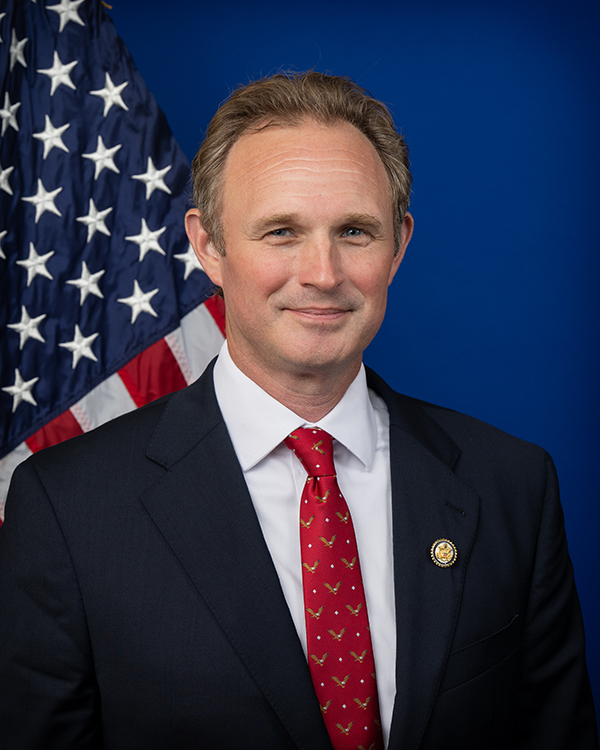
James Gallagher
James Gallagher House · District 1
R
Strong +
100% 3
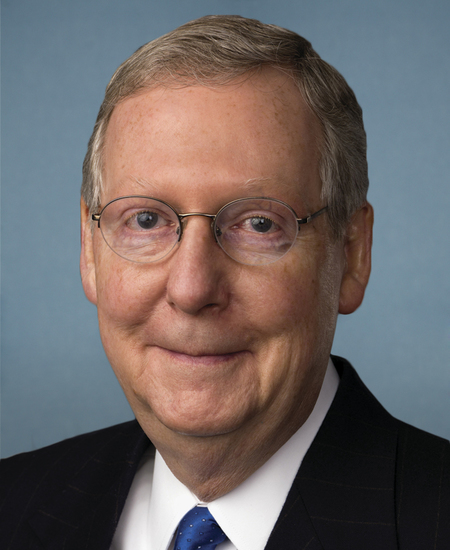
Mitch McConnell
Mitch McConnell Senate
R
Strong +
93% 28
AA
Alan Armstrong Senate
R
Strong +
86% 28
Bernie Moreno
Bernie Moreno Senate
R
Strong +
86% 28
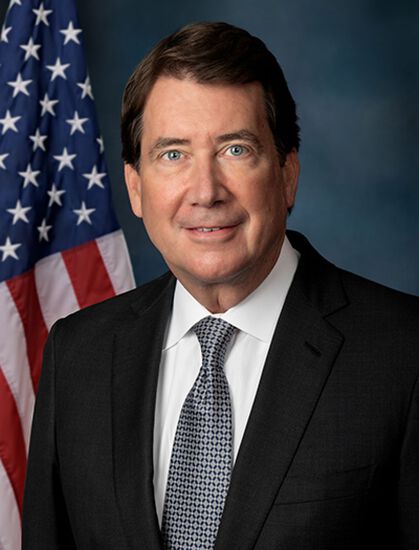
Bill Hagerty
Bill Hagerty Senate
R
Strong +
86% 28
Aisha Wahab
Aisha Wahab House · District 14
D
Strong −
0% 3
Everton Blair Jr.
Everton Blair Jr. House · District 13
D
Strong −
0% 3
Dave Min
Dave Min House · District 47
D
Strong −
13% 15
Marcy Kaptur
Marcy Kaptur House · District 9
D
Strong −
13% 15
Amy Klobuchar
Amy Klobuchar Senate
D
Strong −
14% 28
Showing 251–260 of 380 bills

All criminal justice bills

in committee · United States · House Feb 11, 2026

HR 7490: Tribal Warrant Fairness Act

The Tribal Warrant Fairness Act updates federal law to ensure Indian tribes have equal standing with local and state governments in specific law enforcement contexts. It amends the U.S. Marshals Service statute to explicitly include "Tribal fugitive matters" when requested by an Indian Tribe, and revises the Presidential Threat Protection Act to add "Indian Tribes" and "Tribal law" to relevant provisions. These changes directly affect tribal governments by requiring federal agencies to recognize tribal requests and jurisdiction in warrant-related matters and threat protection. The bill makes no new policy but clarifies existing federal procedures to include tribal authorities on par with local and state entities.
Sub-Topics Law Enforcement Tags Tribal Nations
in committee · United States · Senate Feb 9, 2026

S 2544: GUARD Act

The GUARD Act allows state, local, and tribal law enforcement agencies to use existing federal grant funds to investigate elder financial fraud (targeting elderly or disabled individuals), "pig butchering" scams (where victims are tricked into investing in fake crypto schemes), and general financial fraud. It requires agencies to hire specialized staff, use technology tools for tracking scams, and report annually on how funds were used and their impact on fraud statistics. The bill also mandates two key federal reports: one to Congress on scam trends and enforcement actions, and another detailing annual consumer losses and government spending on fraud prevention. These provisions aim to improve coordination between law enforcement, financial institutions, and federal agencies to combat evolving fraud schemes.
Sub-Topics Law Enforcement
in committee · United States · House Jun 3, 2025

HR 3683: FBI Animal Cruelty Taskforce Act of 2025

The FBI Animal Cruelty Taskforce Act of 2025 establishes a dedicated FBI unit to investigate federal animal cruelty crimes, specifically targeting dogfighting, cockfighting, and "crush videos." This taskforce will create training materials for local law enforcement to help them detect and investigate these offenses. It also requires the taskforce to coordinate with agencies like the Department of Agriculture and U.S. Customs, and to submit annual reports to Congress detailing filed charges, convictions, and unresolved investigations. The bill directly affects local police departments through new training resources and federal agencies through mandated coordination and reporting.
in committee · United States · House Jul 23, 2025

HR 4712: Parity for Tribal Law Enforcement Act

The Parity for Tribal Law Enforcement Act enables tribal law enforcement officers who have contracted federal law enforcement duties under the Indian Self-Determination Act to enforce federal law on tribal lands. To qualify, officers must complete training comparable to Bureau of Justice Services employees, pass a background check, and receive certification from the Bureau. The bill also designates these officers as federal law enforcement officers for legal protections under the Federal Tort Claims Act and retirement benefits. Additionally, it requires the Attorney General to coordinate Department of Justice efforts to improve public safety in tribal communities through better data collection, training, and reporting.
Sub-Topics Firearms Law Enforcement Tags Tribal Nations
in committee · United States · Senate Jun 10, 2025

S 2000: Mitigating Extreme Lawlessness and Threats Act

This bill amends federal law (18 U.S.C. §2101) governing riots by increasing penalties for violent riot-related conduct. It directly affects individuals who participate in riots, particularly those involving violence or assault on federal law enforcement officers. Key provisions establish three penalty tiers: up to 10 years in prison for basic riot violations, 1-10 years for those involving violence, and 1+ years or life for assaulting officers. The changes restructure existing subsections to clarify these enhanced punishments without creating new offenses.
in committee · United States · House Jul 29, 2025

HR 4783: COP Act of 2025

HR 4783, the COP Act of 2025, prohibits federal funding for any law enforcement agency that employs a non-citizen as a law enforcement officer. This directly affects state and local police departments or agencies that receive federal grants, requiring them to ensure all sworn officers are U.S. citizens to maintain funding eligibility. The key mechanism is a strict funding cutoff: agencies violating this rule would lose access to federal financial support. The bill focuses solely on altering federal funding eligibility based on officer citizenship status, with no additional provisions or exceptions described.
in committee · United States · House Jan 6, 2026

HR 6954: January 6th Truth and Transparency Act

HR 6954, the January 6th Truth and Transparency Act, requires the Congressional Research Service to issue regular reports tracking individuals pardoned for January 6, 2021, Capitol-related offenses under Presidential Proclamation 10887. The reports, submitted every 180 days starting 60 days after enactment, must list pardoned individuals and document any subsequent arrests, convictions, or law enforcement encounters involving force. These reports will be made publicly available on the Library of Congress website and provided to specific congressional committees, including House Administration and Senate Rules committees. The bill directly affects those granted pardons under the specified proclamation by establishing a transparency mechanism to monitor their post-pardon conduct.
Sub-Topics Law Enforcement
in committee · United States · House Nov 18, 2025

HR 6092: Constitutional Accountability Act

HR 6092, the Constitutional Accountability Act, amends Section 1983 of federal law (42 U.S.C. 1983) to expand liability for constitutional violations by law enforcement. It directly affects local governments, police departments, and private entities contracting with law enforcement by removing the current barrier that requires proving a "municipal policy" under the *Monell* doctrine. The bill makes these entities liable for officers' actions - similar to how private employers are held responsible for employees - without needing to show policy or custom, and waives state sovereign immunity under the 14th Amendment. This change aims to strengthen accountability for police misconduct by enabling lawsuits against the employing entity itself.
in committee · United States · Senate May 22, 2025

S 1897: A bill to amend the Omnibus Crime Control and Safe Streets Act of 1968 to establish the Adverse Childhood Experiences Response Team grant program, and for other purposes.

This bill creates a federal grant program to help communities address adverse childhood experiences (ACEs), such as exposure to trauma or violence, affecting children. It provides $10 million annually (2026-2029) for grants to states, local governments, tribes, and community organizations to establish "Adverse Childhood Experiences Response Teams." These teams would develop protocols for trauma-informed care, build partnerships with mental health providers, integrate law enforcement with crisis services, and train first responders - focusing on preventing harm and improving access to support for affected children. The program directly supports communities working to mitigate trauma impacts through coordinated, cross-system collaboration.
in committee · United States · House Feb 27, 2025

HR 1698: Law Enforcement Protection and Privacy Act of 2025

This bill protects firearm trace data maintained by the ATF's National Trace Center and related licensee information from public disclosure under FOIA. It directly affects licensed firearms dealers, state/local governments, and other entities that handle this data. Key provisions include adding a new FOIA exemption for this data, imposing fines of $10,000-$25,000 for unauthorized disclosures, and allowing licensed dealers to sue for triple damages or $25,000 per disclosure. The law also prevents sovereign immunity from blocking such lawsuits and specifies that fines apply per individual disclosure.
Showing 251 to 260 of 380 bills
Previous 1 … 25 26 27 … 38 Next