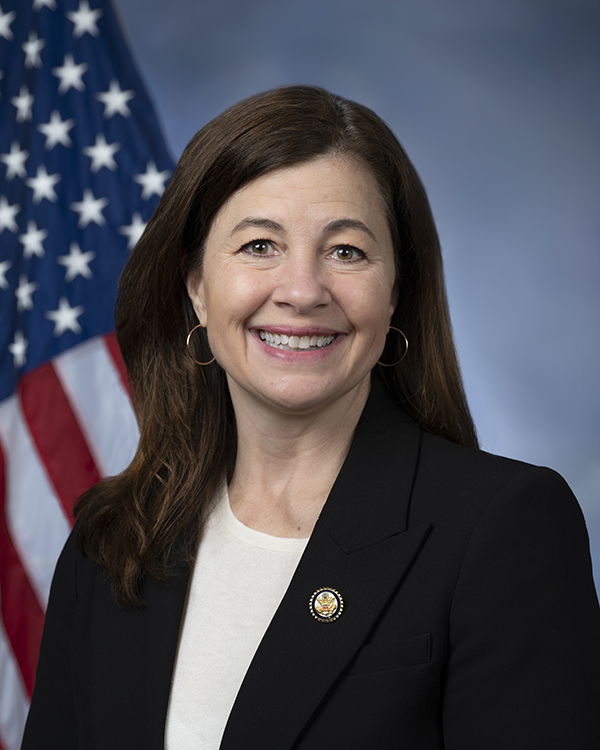
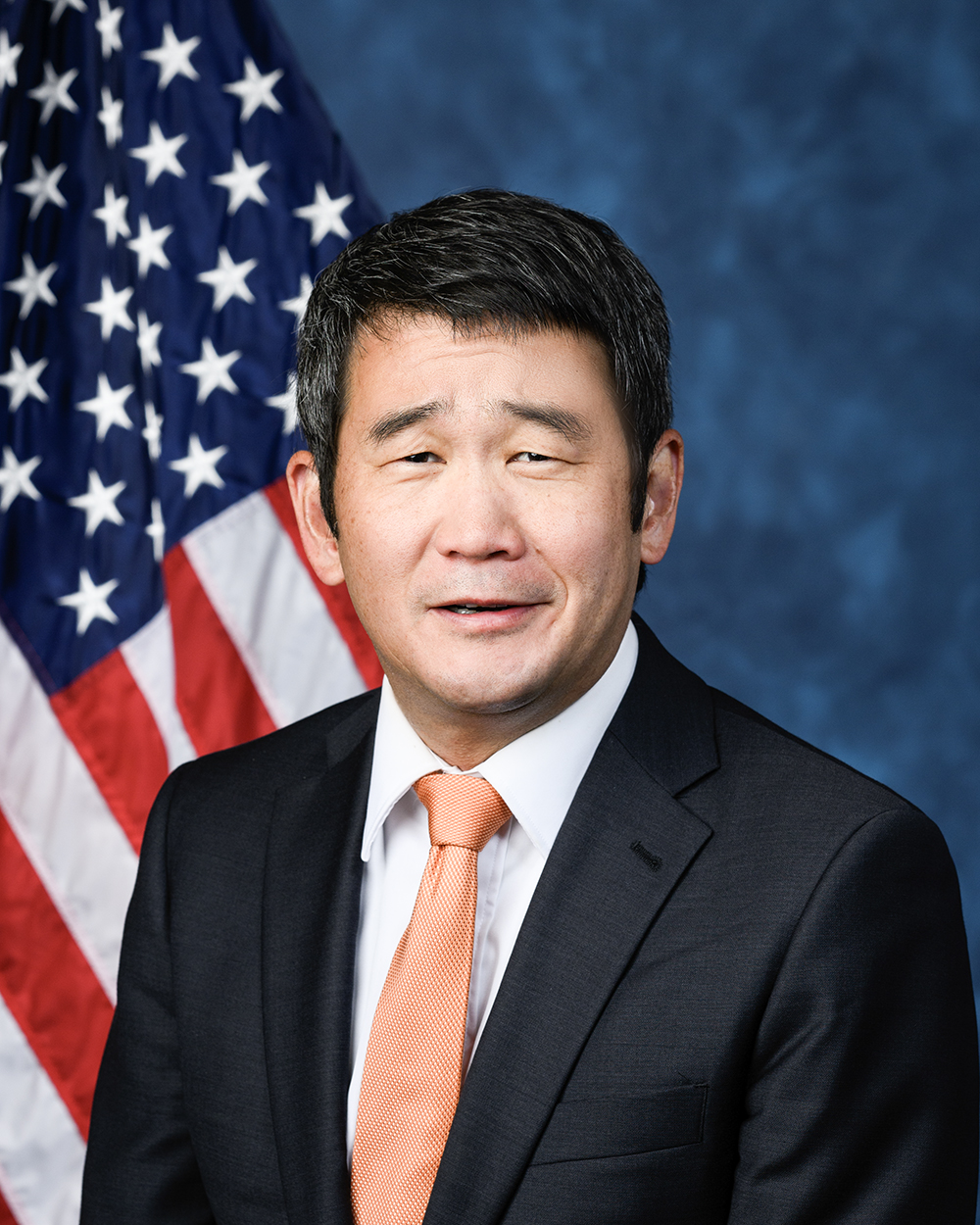
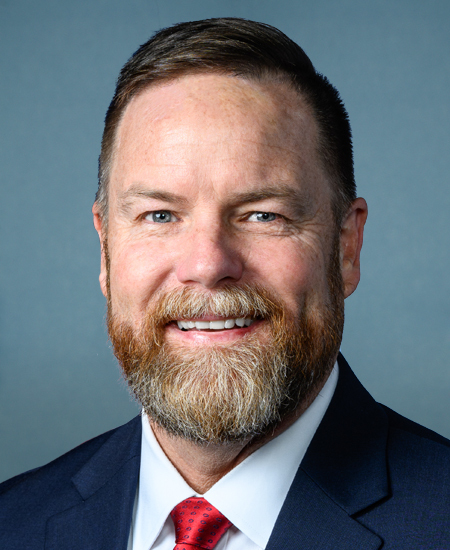
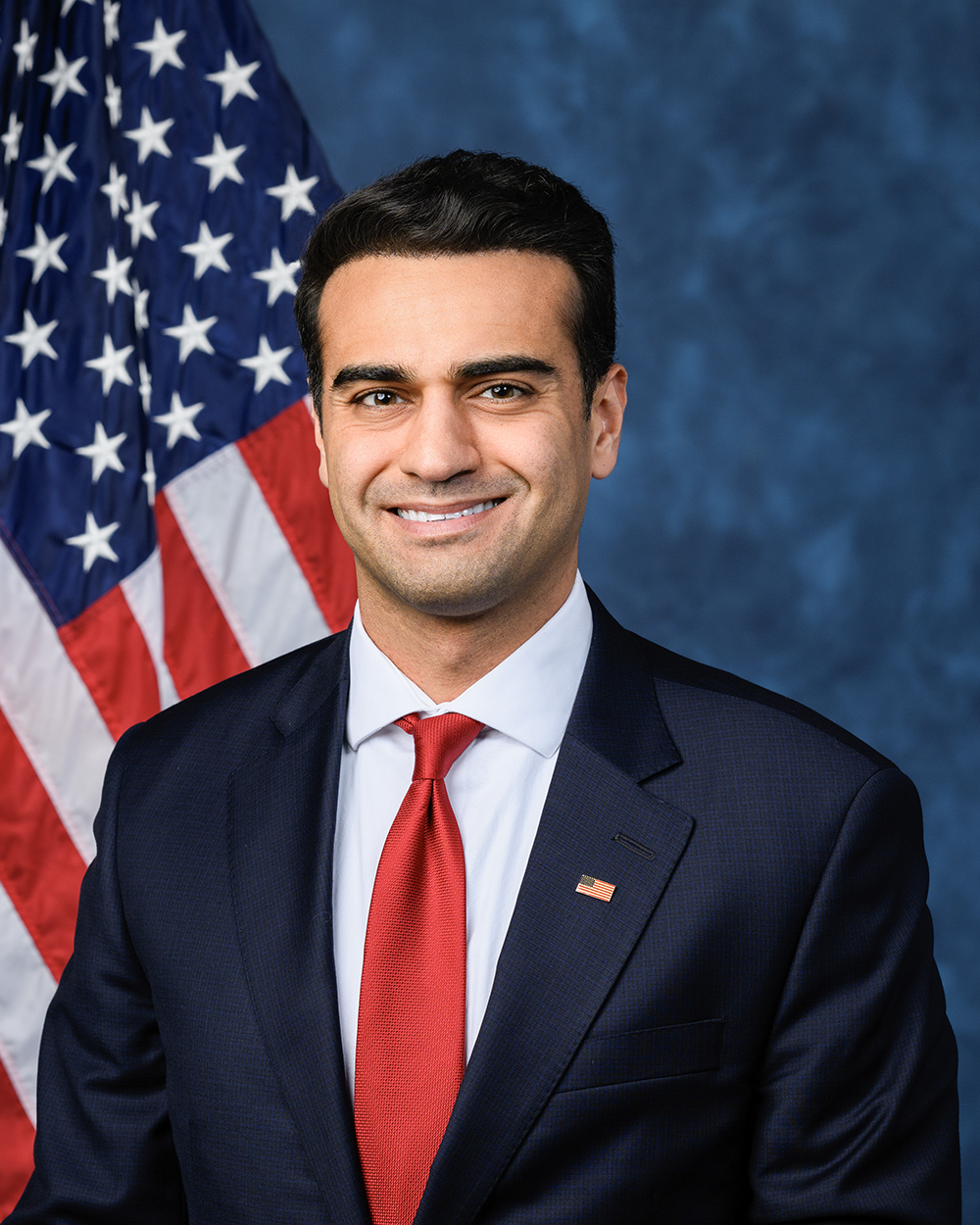
The Officer Wellness and Peer Support Act of 2026 directs the Attorney General to submit a report on strategies for improving mental health support for law enforcement officers. This report, due within 270 days of enactment, will outline best practices for reducing mental health stigma, encouraging access to counseling and screening, and ensuring the confidentiality of these services. The requirement involves consulting with various law enforcement agencies, professional organizations, and mental health groups to gather input. Additionally, the bill defines "law enforcement officer" broadly to include police, corrections, probation, parole, and judicial officers. Ultimately, the legislation mandates the collection of information and recommendations rather than establishing new federal programs or funding.
The Federal Accountability for Felony Obstruction Act expands the legal definition of domestic terrorism to include acts that obstruct law enforcement officers or individuals seeking medical attention. By amending existing federal statutes, the bill ensures that property damage occurring during such obstructions is counted as part of the terrorist classification. This change directly affects individuals who engage in violent resistance against police or emergency responders, potentially increasing the severity of charges they face. The legislation focuses on tightening the criteria for what constitutes domestic terrorism rather than altering the underlying penalties for the acts themselves.
The Promoting Police Leadership Act directs the Attorney General to create and certify specialized training programs for police commanders, focusing on leadership, community trust, and data-driven policing. This initiative requires the training to be primarily in-person and include practical problem-solving exercises where officers develop and refine solutions for real-world challenges. The bill mandates that the Attorney General consult with local agencies and universities to design these curricula and publish a list of law enforcement units that successfully complete the courses. Additionally, the legislation requires periodic reports to Congress and a review by the Government Accountability Office to assess the program's effectiveness and implementation barriers. Importantly, the act does not override state or local authority to set their own certification standards for law enforcement officers.
The Promoting Police Leadership Act directs the Attorney General to create training programs for mid-level law enforcement leaders, such as those managing specific geographic areas. These curricula will focus on practical skills like strategic thinking, community trust-building, data analysis, and officer wellness, delivered primarily through in-person instruction and peer learning. The bill establishes a certification system for courses that meet these standards and requires the Attorney General to publish a list of agencies that have successfully trained their command staff. Additionally, the legislation mandates periodic reports to Congress and a review by the Government Accountability Office to assess the program's effectiveness. Importantly, the law explicitly states that it does not override state or local authority to set their own training and certification standards for police officers.
The No Illegal Captivity and Extensions Act of 2026 prohibits the Department of Homeland Security from issuing or enforcing immigration detainers, which are requests for local law enforcement to hold individuals beyond their scheduled release. This change directly affects federal immigration authorities and local police departments by removing the legal basis for holding people based solely on immigration status. The bill achieves this by amending the Immigration and Nationality Act to strike specific detention provisions and adding a general ban on detainers, including those used through agreements with other government agencies. Consequently, local law enforcement agencies would no longer be legally required to detain individuals after their criminal sentences are completed if the federal government requests it.
The Local Law Enforcement Support Act of 2026 expands funding opportunities for local police departments through the Byrne JAG and COPS programs. These funds can be used to recruit and train officers, purchase protective gear, and acquire specific tools like digital forensics equipment, drone technology, and ballistics analysis systems. The bill also allows for investments in software for cyber investigations and victim services. By adding these categories to the list of eligible expenses, the legislation provides law enforcement agencies with more options for addressing modern crime challenges.
The Supporting Mental Assistance Responder Teams Community Policing Act authorizes federal COPS funds to help local police departments create specialized teams that include mental health professionals and paramedics. These teams are designed to respond to crisis calls involving individuals with mental health issues, homelessness, or substance use disorders, aiming to de-escalate situations and connect people with necessary treatment instead of relying solely on law enforcement. The legislation also supports co-responder programs where officers work alongside clinicians, as well as outreach teams that follow up with individuals to help them access services and maintain stability. By funding these initiatives, the bill seeks to improve community safety outcomes and reduce the burden on emergency services through better coordination between police and health providers.
The Training Rural Law Enforcement Officers Act of 2026 allows nonprofit organizations to receive federal grants to provide free training to small rural police departments and sheriff's offices with fewer than 50 officers. This change aims to help smaller agencies access funding that they often cannot navigate due to complex application processes and reporting requirements. The bill authorizes these grants only if the training aligns with Department of Justice priorities and is delivered at no cost to the recipient agencies. Eligible nonprofits must have recognized expertise in law enforcement training as determined by the Attorney General.
This concurrent resolution expresses Congress's support for law enforcement officers and honors those who have died or been injured while performing their duties. The document highlights the dangers officers face, noting high rates of assaults and suicide, as well as current staffing shortages compared to pre-2020 levels. It calls for increased measures to improve officer safety, including more personnel, better training and equipment, stricter penalties for assaulting officers, and expanded mental health resources. This non-binding measure does not create new laws or allocate funding but serves to formally recognize the contributions of police professionals and urge government bodies to provide necessary support.
This resolution expresses support for police officers and other law enforcement personnel. The resolution further recognizes law enforcement officers across the United States in the pursuit of preserving safe and secure communities; the need to ensure that such officers have the equipment, training, and resources necessary to protect their health and safety while they are protecting the public; and the law enforcement community for acts of sacrifice and heroism. The resolution expresses condolences and appreciation to the loved ones of each law enforcement officer who has made the ultimate sacrifice in the line of duty.