Issue · Criminal Justice

Criminal Justice (Law Enforcement)

Every criminal justice bill, vote, and legislator stance in United States, automatically classified by Maddy, our AI policy reader.

Total bills
318
119th Congress
Top supporter
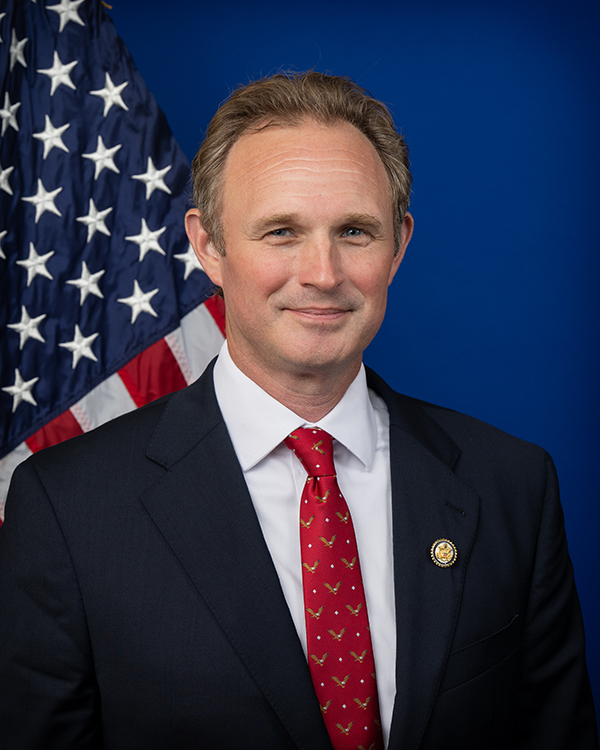
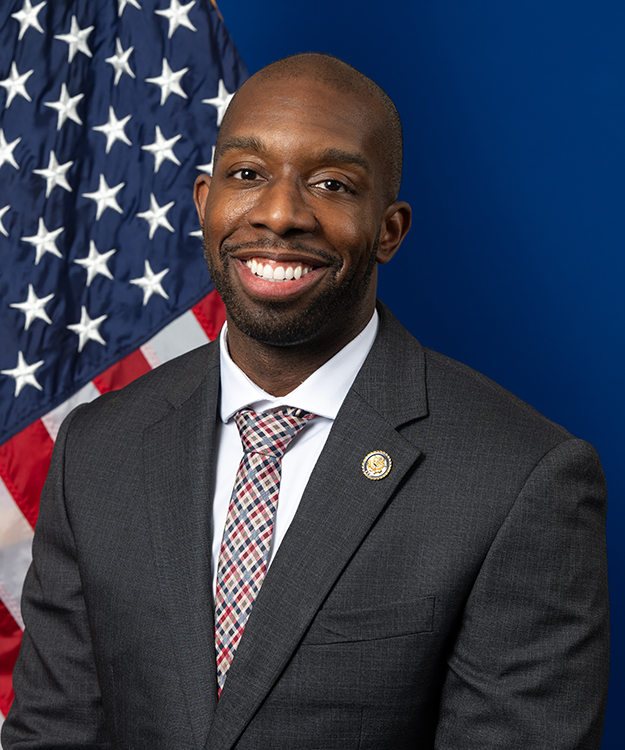
James Gallagher
100% support rate
Top opponent
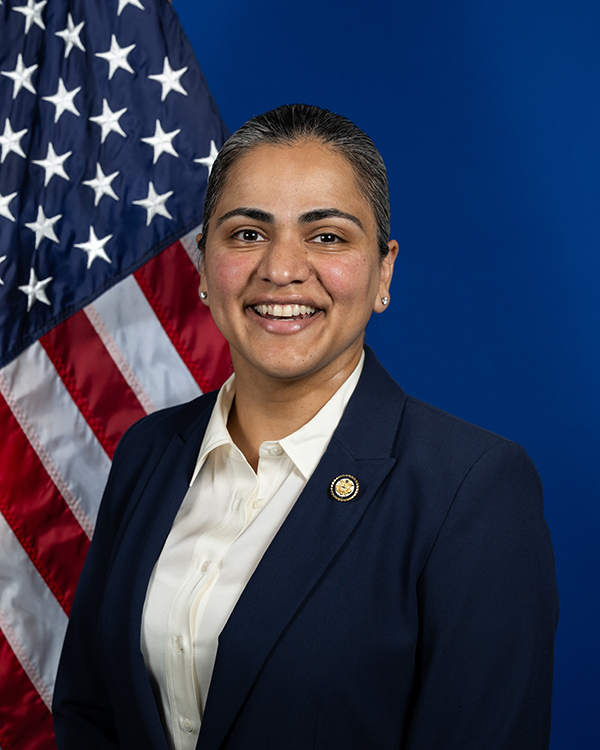
Aisha Wahab
0% support rate
Ranked legislators
10
5 support · 5 oppose
Key legislators

Who's moving law enforcement in United States

Legislators moving law enforcement in United States
Legislator Party Stance Support rate Decisive votes
James Gallagher
James Gallagher House · District 1
R
Strong +
100% 3
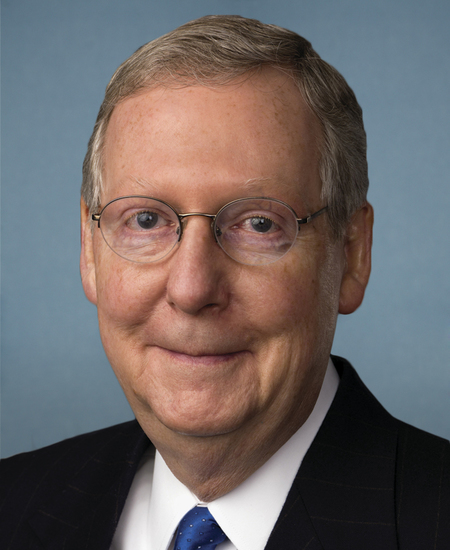
Mitch McConnell
Mitch McConnell Senate
R
Strong +
93% 28
AA
Alan Armstrong Senate
R
Strong +
86% 28
Bernie Moreno
Bernie Moreno Senate
R
Strong +
86% 28
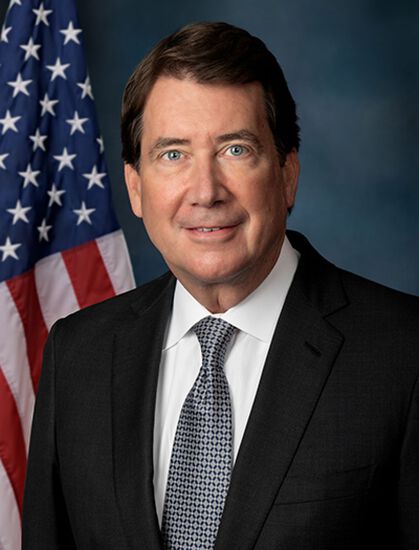
Bill Hagerty
Bill Hagerty Senate
R
Strong +
86% 28
Aisha Wahab
Aisha Wahab House · District 14
D
Strong −
0% 3
Everton Blair Jr.
Everton Blair Jr. House · District 13
D
Strong −
0% 3
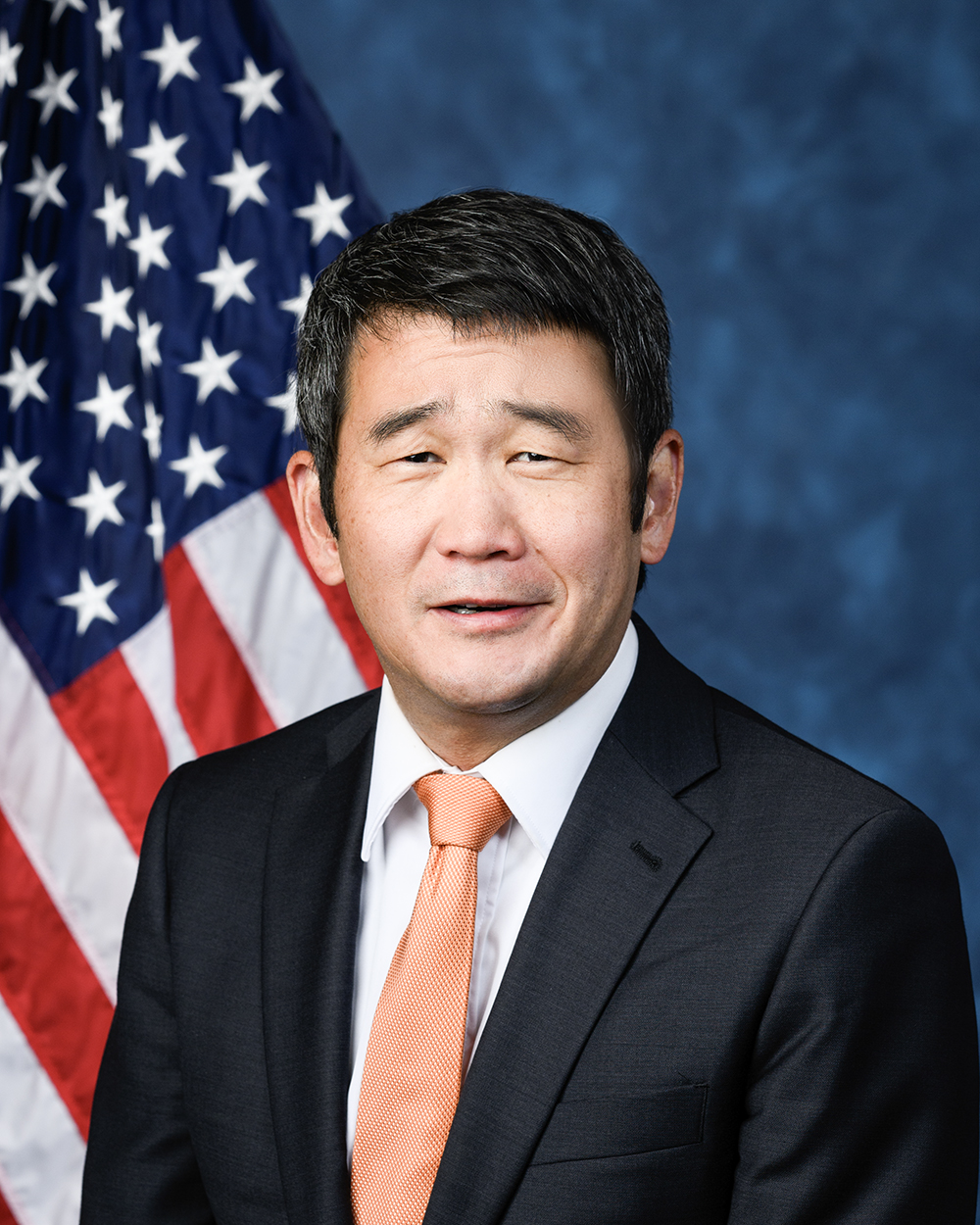
Dave Min
Dave Min House · District 47
D
Strong −
13% 15
Marcy Kaptur
Marcy Kaptur House · District 9
D
Strong −
13% 15
Amy Klobuchar
Amy Klobuchar Senate
D
Strong −
14% 28
Showing 11–20 of 318 bills

All criminal justice bills

in committee · United States · Senate Aug 7, 2026

S 5376: FITNESS Act

The FITNESS Act establishes uniform eligibility standards and mandatory training requirements for all federal law enforcement officers, prohibiting agencies from deploying personnel who have not completed specific academic and use-of-force programs. The bill creates a centralized National Law Enforcement Accountability Database to track officer misconduct and requires agencies to conduct background checks against this database before hiring or promoting candidates. Additionally, it imposes a hiring freeze on U.S. Immigration and Customs Enforcement until all current officers meet the new standards, while also mandating that federal agencies obtain accreditation from the Commission on Accreditation for Law Enforcement Agencies.
in committee · United States · Senate Aug 3, 2026

S 5214: Protect and Serve Act of 2026

The Protect and Serve Act of 2026 creates a new federal crime for willfully attempting to kill a law enforcement officer solely because of their status, provided the act involves interstate travel, commerce, weapons, or affects economic activity. This law applies to both state and federal officers and mandates that any federal prosecution must be certified by the Attorney General, who must determine if state charges were insufficient or if federal intervention serves the public interest. The bill defines a law enforcement officer as anyone authorized to prevent, detect, or investigate crimes, or to detain individuals, and sets specific prison terms ranging from years to life depending on whether the attempt results in serious bodily injury.
in committee · United States · Senate Jul 15, 2026

S 4983: Harry Reid Immigration Stabilization Act

This bill, the Harry Reid Immigration Stabilization Act, establishes a comprehensive framework to reduce overall immigration numbers, reform asylum procedures, increase penalties for criminal behavior, and enhance border security measures. It directly affects immigrants, refugees, asylum seekers, employers, and law enforcement agencies by setting strict caps on family and employment-based visas, requiring a 30-day filing deadline for asylum applications, and expanding the definition of aggravated felonies to include a wider range of crimes. Key mechanisms include mandating that employers verify work eligibility through a telephone verification system, creating a new border crossing fee, and requiring states to verify immigration status to receive certain federal benefits. Additionally, the legislation introduces stricter rules for criminal aliens facing expedited deportation, increases penalties for alien smuggling, and clarifies citizenship requirements for children born to non-citizen parents.
in committee · United States · House Jul 22, 2026

HR 9860: Pardon Transparency and Accountability Act of 2026

The Pardon Transparency and Accountability Act of 2026 requires the President to publicly explain the reasons for any pardon, commutation, reprieve, or fine remission in the Federal Register and on the official White House website. It also mandates that the Pardon Attorney prepare a Justice Impact Statement within 30 days, which must include victim statements and input from law enforcement officials regarding the potential impact on ongoing investigations. Additionally, the bill expands lobbying disclosure rules to require immediate registration and reporting for any lobbying efforts related to seeking executive clemency, regardless of the amount of money involved. Finally, the Pardon Attorney will conduct annual studies on how well the government follows these new transparency requirements and report the findings to Congress.
Sub-Topics Law Enforcement Tags Government Transparency
in committee · United States · House Jul 22, 2026

HR 9887: Swatting Registry Best Practices Act

This bill directs the Attorney General to create guidance for local and state governments on establishing voluntary registries for individuals at risk of receiving false emergency calls, commonly known as swatting. The guidance will outline best practices for data privacy, secure technology integration, and training law enforcement to use registry information to de-escalate dangerous situations without mandating a federal registry. Additionally, the bill allows the Justice Department to provide technical assistance and funding to help communities implement these safety measures while ensuring that participation remains optional and that officer safety is not compromised.
in committee · United States · Senate Jul 23, 2026

S 5109: Training Rural Law Enforcement Officers Act of 2026

This bill allows rural law enforcement agencies with fewer than 50 officers to receive free training grants from the Department of Justice. Instead of applying directly, these agencies can pool their funding with neighboring departments to hire accredited nonprofit organizations to deliver the training. The program specifically covers topics such as de-escalation, officer wellness, leadership, and handling situations involving mental health crises or domestic violence. By simplifying the application process and removing reporting burdens, the legislation aims to help smaller agencies access resources they previously lacked.
Sub-Topics Domestic Violence Law Enforcement Mental Health Tags Rural Communities
in committee · United States · Senate Jul 15, 2026

S 5005: Epstein Files Transparency Act II

This bill, known as the Epstein Files Transparency Act II, strengthens the ability of state attorneys general, district attorneys, and victims to legally challenge the U.S. Attorney General for withholding or redacting records related to the Jeffrey Epstein investigation. It grants these parties the right to sue in federal court to force the release of unredacted documents, including classified materials, while requiring courts to expedite these cases. The legislation clarifies that federal agencies cannot use standard legal privileges to hide relevant evidence and explicitly defines who qualifies as a victim for the purposes of accessing these files. Additionally, it ensures that state and local law enforcement can use the released information in their own investigations without being restricted by federal privacy regulations.
Sub-Topics Courts Law Enforcement Tags Government Transparency
in committee · United States · House Jul 16, 2026

HR 9759: Turn the Tide Act

The Turn the Tide Act primarily increases federal funding for substance use disorder treatment, prevention, and recovery services, directing billions of dollars to states, tribes, and local organizations for the years 2027 through 2030. Key provisions include expanding Medicaid coverage for mental health and behavioral health services, removing insurance barriers to medication-assisted treatment, and limiting cost-sharing requirements for opioid overdose reversal medications. The bill also establishes new grant programs to support recovery housing, train first responders, and assist law enforcement with mental health and wellness initiatives. Additionally, it targets funding toward states with the highest rates of drug overdose deaths and extends existing waivers to improve Medicaid delivery systems in those areas.
in committee · United States · House Aug 31, 2026

HRES 1430: Providing for consideration of the bill (H.R.185) to advance responsible policies.

This resolution allows the House of Representatives to immediately consider and pass H.R. 185, known as the Epstein Files Transparency Act II, which strengthens rules for releasing government documents related to the Jeffrey Epstein case. The bill empowers state attorneys general and victims to sue the U.S. Attorney General in federal court if they believe records are being unlawfully withheld, redacted, or delayed, while also requiring courts to expedite these legal cases. It mandates that victims receive unredacted copies of records pertaining to them and grants state law enforcement full access to previously sealed or classified materials for their investigations. Additionally, the law imposes criminal penalties on federal officials who conceal or falsify records and requires Members of Congress to receive unredacted documents within seven days of requesting them.
Sub-Topics Courts Law Enforcement
in committee · United States · House Jul 22, 2026

HR 9665: VA Police Security Enhancement Act

The VA Police Security Enhancement Act expands the authority of Department of Veterans Affairs police officers to include protection of property and ensuring facility security, while also defining the specific areas where they have jurisdiction. To support these expanded duties, the bill requires the VA to create memoranda of understanding with local, state, and federal law enforcement agencies to facilitate coordination and allows officers to operate off VA property only in specific circumstances like hot pursuit or under a written agreement. The legislation mandates modernization of security measures, including access controls and surveillance systems, and establishes a dedicated funding account for officer employment, training, and security infrastructure that expires after three years. Additionally, the bill strengthens oversight by requiring the VA Secretary to provide Congress with regular reports on staffing, training, and enforcement activities, as well as data on arrests and use of force.
Showing 11 to 20 of 318 bills