Issue · Criminal Justice

Criminal Justice (Courts)

Every criminal justice bill, vote, and legislator stance in United States, automatically classified by Maddy, our AI policy reader.

Total bills
123
119th Congress
Top supporter
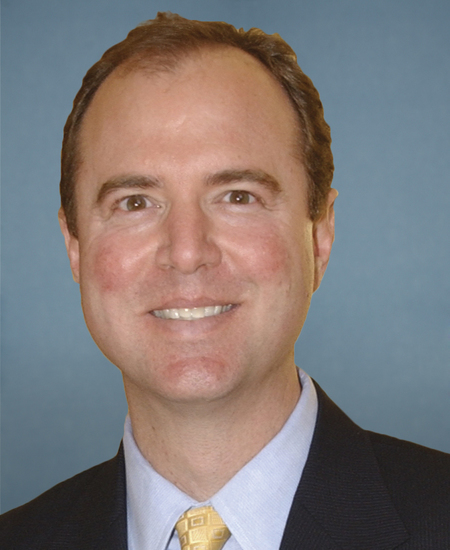
Adam B. Schiff
100% support rate
Top opponent
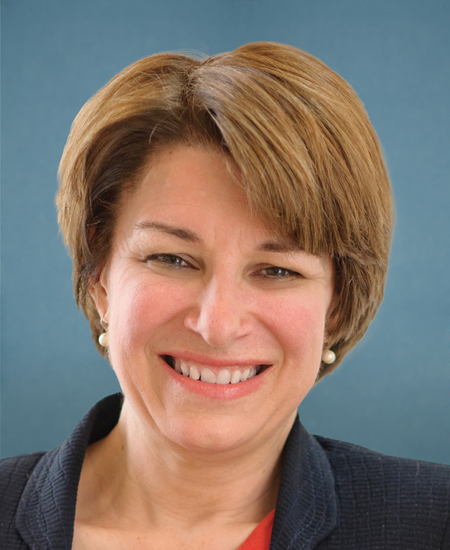
Amy Klobuchar
0% support rate
Ranked legislators
10
5 support · 5 oppose
Key legislators

Who's moving courts in United States

Legislators moving courts in United States
Legislator Party Stance Support rate Decisive votes
Adam B. Schiff
Adam B. Schiff Senate
D
Strong +
100% 3
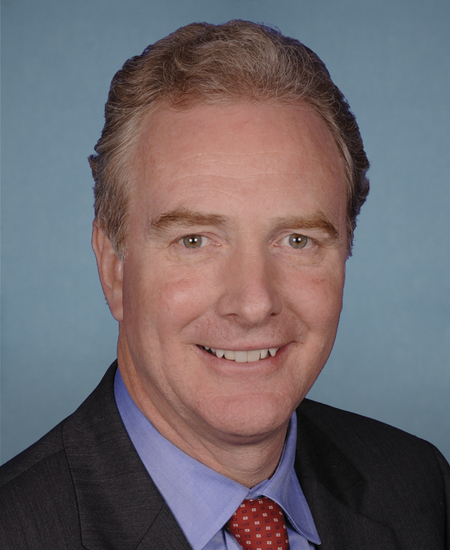
Chris Van Hollen
Chris Van Hollen Senate
D
Strong +
100% 3
Christopher Murphy
Christopher Murphy Senate
D
Strong +
100% 3
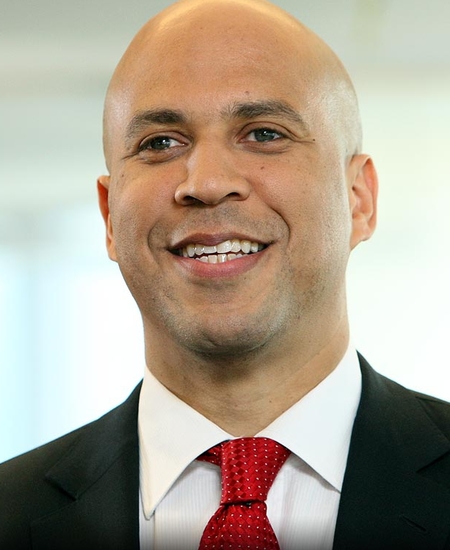
Cory A. Booker
Cory A. Booker Senate
D
Strong +
100% 3
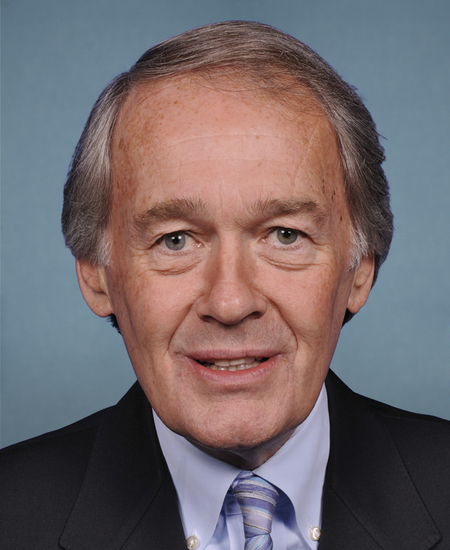
Edward J. Markey
Edward J. Markey Senate
D
Strong +
100% 3
Amy Klobuchar
Amy Klobuchar Senate
D
Strong −
0% 3
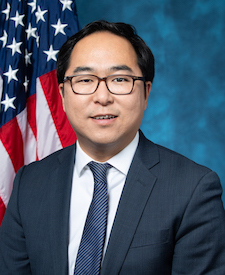
Andy Kim
Andy Kim Senate
D
Strong −
0% 3
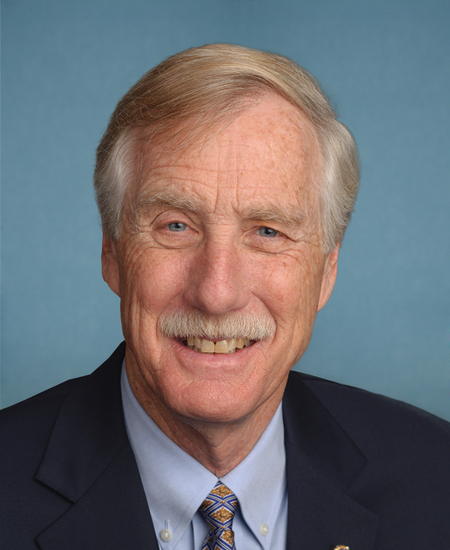
Angus S. King, Jr.
Angus S. King, Jr. Senate
I
Strong −
0% 3
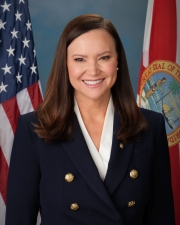
Ashley Moody
Ashley Moody Senate
R
Strong −
0% 3
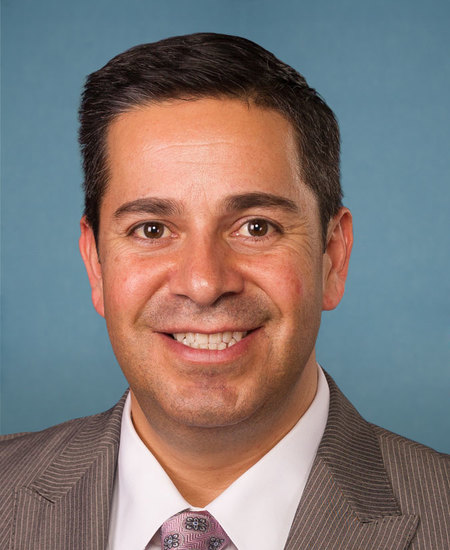
Ben Ray Luján
Ben Ray Luján Senate
D
Strong −
0% 3
Showing 11–20 of 123 bills

All criminal justice bills

in committee · United States · House Jul 27, 2026

HR 9961: No Campaign Funded Cover-Ups Act

This bill, known as the No Campaign Funded Cover-Ups Act, restricts how candidates and federal officials can use campaign money or legal expense funds when facing accusations of sexual assault, abuse, or harassment. Under the new rules, these funds cannot pay for legal fees, settlements, court judgments, or private investigations aimed at discrediting the accuser. The legislation also requires detailed reporting of any legal expenses paid from these sources and applies retroactively to payments made in the two years before the law takes effect.
Sub-Topics Courts Violent Crime
in committee · United States · Senate Jul 20, 2026

S 5033: Judicial FOIA Expansion Act

The Judicial FOIA Expansion Act requires federal courts to release specific records to the public under the Freedom of Information Act. This law mandates the disclosure of attorney disciplinary actions, complaints against judges, meeting minutes, jury selection forms, and performance reports, while explicitly excluding information about ongoing cases. The bill also directs courts to provide this data in machine-readable formats and authorizes $10 million in funding to establish an office within the Administrative Office of the United States Courts to manage these requirements.
Sub-Topics Courts Tags Government Transparency
in committee · United States · Senate Jul 15, 2026

S 5005: Epstein Files Transparency Act II

This bill, known as the Epstein Files Transparency Act II, strengthens the ability of state attorneys general, district attorneys, and victims to legally challenge the U.S. Attorney General for withholding or redacting records related to the Jeffrey Epstein investigation. It grants these parties the right to sue in federal court to force the release of unredacted documents, including classified materials, while requiring courts to expedite these cases. The legislation clarifies that federal agencies cannot use standard legal privileges to hide relevant evidence and explicitly defines who qualifies as a victim for the purposes of accessing these files. Additionally, it ensures that state and local law enforcement can use the released information in their own investigations without being restricted by federal privacy regulations.
Sub-Topics Courts Law Enforcement Tags Government Transparency
in committee · United States · House Jul 21, 2026

HR 9800: Protection Against Mass Surveillance Act

The Protection Against Mass Surveillance Act prohibits federal agencies from buying, using, or contracting for automated surveillance systems that rely on license plate recognition, facial recognition, biometric identification, or other technologies designed for mass tracking. It also prevents state, local, and tribal governments from using federal funds to acquire or operate these same surveillance tools. If federal agencies obtain data in violation of these rules, the law requires them to delete the information within 30 days and bars its use as evidence in any court or administrative proceeding.
in committee · United States · House Aug 31, 2026

HRES 1430: Providing for consideration of the bill (H.R.185) to advance responsible policies.

This resolution allows the House of Representatives to immediately consider and pass H.R. 185, known as the Epstein Files Transparency Act II, which strengthens rules for releasing government documents related to the Jeffrey Epstein case. The bill empowers state attorneys general and victims to sue the U.S. Attorney General in federal court if they believe records are being unlawfully withheld, redacted, or delayed, while also requiring courts to expedite these legal cases. It mandates that victims receive unredacted copies of records pertaining to them and grants state law enforcement full access to previously sealed or classified materials for their investigations. Additionally, the law imposes criminal penalties on federal officials who conceal or falsify records and requires Members of Congress to receive unredacted documents within seven days of requesting them.
Sub-Topics Courts Law Enforcement
in committee · United States · Senate Jul 14, 2026

S 4966: High Court Gift Ban Act

The High Court Gift Ban Act prohibits federal judges from accepting gifts from individuals or entities that have a current or potential interest in cases before them. Under this law, judges can only accept items of value from prohibited sources if the gift is worth less than $50 and the total value from that source in a calendar year does not exceed $100. The bill includes specific exceptions for gifts from relatives, other judges, honorary degrees, public events, and certain professional organization benefits. Violations of the ban can result in civil penalties of up to $50,000 or criminal charges including fines and imprisonment. The Supreme Court and the Judicial Conference are required to create regulations within 180 days to enforce these new restrictions.
Sub-Topics Courts
in committee · United States · Senate Jul 14, 2026

S 4977: REDACT Act

The REDACT Act allows individuals whose private information was improperly disclosed in documents released under the Epstein Files Transparency Act to sue the federal government. This law creates a private right of action that lets victims file civil lawsuits against federal officers or agencies if they fail to redact personally identifiable information or medical files that would constitute an unwarranted invasion of privacy. If a victim wins the lawsuit, they can receive damages of at least $50,000 for each violation, plus reimbursement for legal fees and court costs. The act also waives the United States' sovereign immunity for these specific cases and sets a five-year deadline for filing such claims, with the provisions taking effect on November 19, 2025.
Sub-Topics Courts
in committee · United States · House Jul 15, 2026

HRES 1435: Expressing the sense of the House of Representatives that the United States should ratify the Rome Statute and join the International Criminal Court.

This resolution expresses the House of Representatives' support for the United States ratifying the Rome Statute to become a full member of the International Criminal Court. The bill calls for lifting current sanctions and visa restrictions on ICC personnel and encourages the U.S. to persuade other nations to join the court. It frames joining the court as a way to uphold American values of justice and accountability while allowing the U.S. to influence the court's priorities.
Sub-Topics Courts
in committee · United States · House Jul 14, 2026

HR 9688: High Court Gift Ban Act

The High Court Gift Ban Act prohibits federal judicial officers from accepting gifts from sources likely to appear before them, unless the gift is under $50, the total annual value from that source remains $100 or less, or it falls under specific exceptions like gifts from relatives or public events. The law defines a "gift" broadly to include items, services, and reimbursements, while allowing exceptions for personal hospitality within IRS limits and certain professional benefits available to the general public. Enforcement mechanisms include referrals to the Attorney General for violations, which can result in civil or criminal penalties similar to those for other federal ethics breaches. The bill requires the Supreme Court and the Judicial Conference to create implementing regulations within 180 days of enactment to ensure compliance.
Sub-Topics Courts
in committee · United States · Senate Jun 24, 2026

S 4891: Preventing Fugitive Fraudsters Act

The Preventing Fugitive Fraudsters Act modifies federal bail rules to restrict international travel for individuals charged with specific financial crimes. Under this legislation, people indicted for offenses such as bank fraud, wire fraud, money laundering, or money laundering proceeds must surrender their passports and stay within the country unless a judge explicitly determines that travel restrictions are unnecessary to ensure they appear in court. This change directly affects defendants facing these charges by adding a new condition to their release that prioritizes preventing them from fleeing the nation. The bill does not alter the underlying criminal laws but instead tightens the requirements for pretrial release to address concerns about fugitives escaping justice.
Sub-Topics Courts Judges
Showing 11 to 20 of 123 bills