Issue · Criminal Justice

Criminal Justice (Sentencing)

Every criminal justice bill, vote, and legislator stance in United States, automatically classified by Maddy, our AI policy reader.

Total bills
63
119th Congress
Top supporter
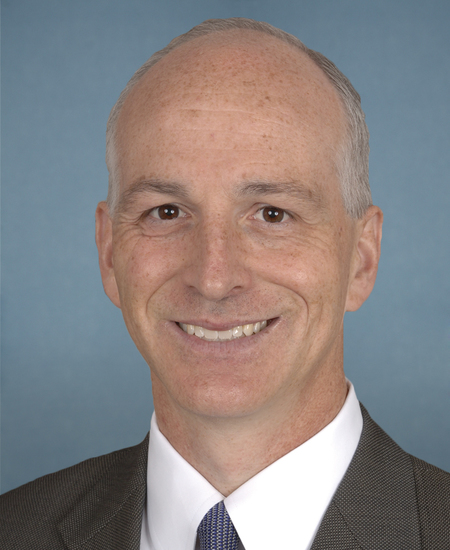
Adam Smith
100% support rate
Top opponent
Aaron Bean
0% support rate
Ranked legislators
10
5 support · 5 oppose
Key legislators

Who's moving sentencing in United States

Legislators moving sentencing in United States
Legislator Party Stance Support rate Decisive votes
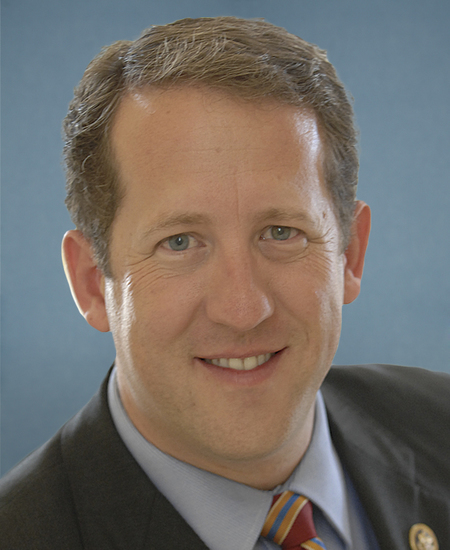
Adam Smith
Adam Smith House · District 9
D
Strong +
100% 3
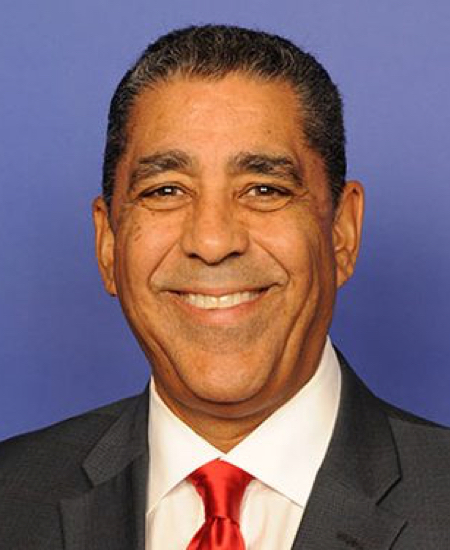
Adriano Espaillat
Adriano Espaillat House · District 13
D
Strong +
100% 3
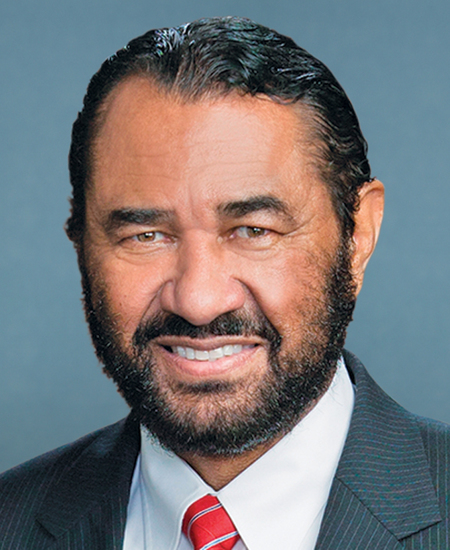
Al Green
Al Green House · District 9
D
Strong +
100% 3
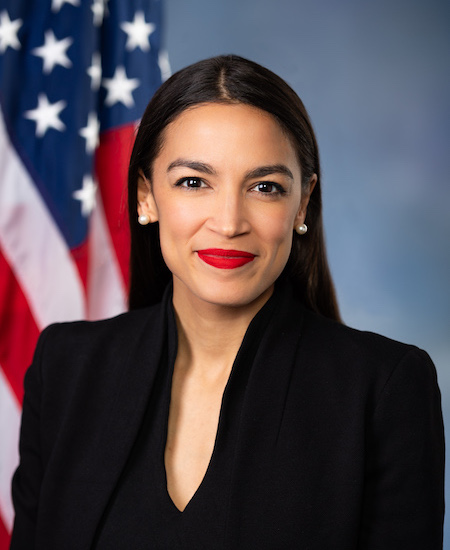
Alexandria Ocasio-Cortez
Alexandria Ocasio-Cortez House · District 14
D
Strong +
100% 3
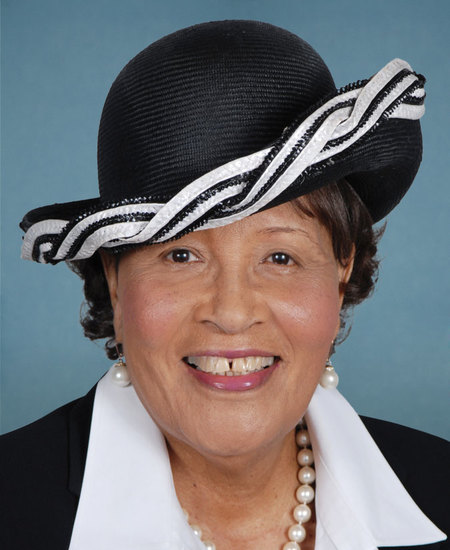
Alma S. Adams
Alma S. Adams House · District 12
D
Strong +
100% 3
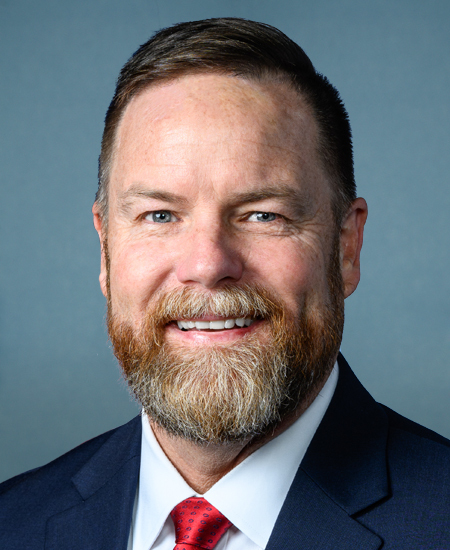
Aaron Bean
Aaron Bean House · District 4
R
Strong −
0% 3
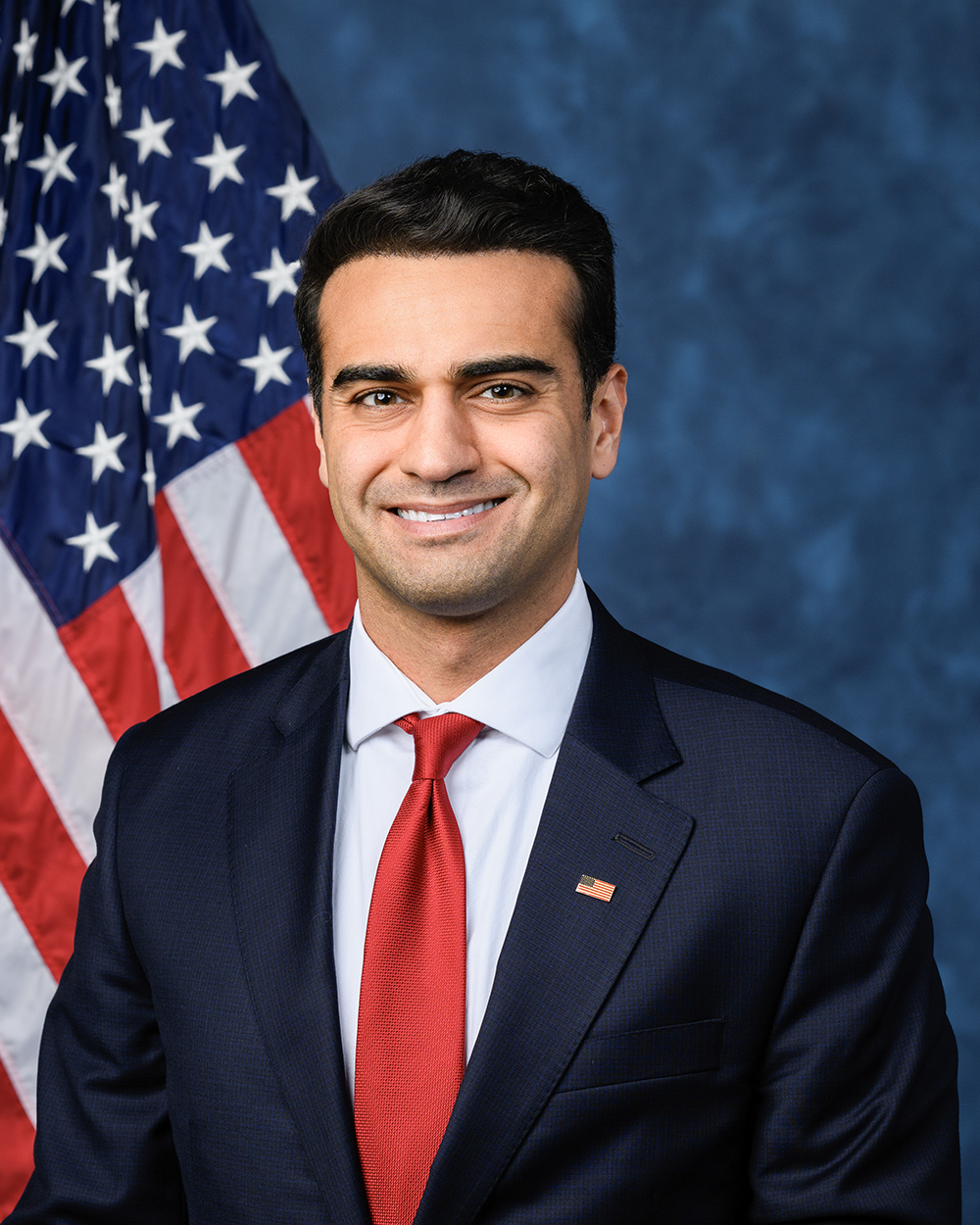
Abraham J. Hamadeh
Abraham J. Hamadeh House · District 8
R
Strong −
0% 3
Adrian Smith
Adrian Smith House · District 3
R
Strong −
0% 3
Andrew Ogles
Andrew Ogles House · District 5
R
Strong −
0% 3
Andrew R. Garbarino
Andrew R. Garbarino House · District 2
R
Strong −
0% 3
Showing 11–20 of 63 bills

All criminal justice bills

in committee · United States · House Mar 24, 2026

HR 8064: Career Criminal Accountability Act of 2026

This bill creates a federal "three-strikes" sentencing system that mandates longer prison terms for repeat offenders based on the severity of their prior convictions. It directly affects defendants convicted of federal crimes by requiring judges to calculate "strikes" from past misdemeanor and felony convictions, with violent felonies and firearm offenses counting as full strikes while lesser offenses count as partial strikes. Under the new rules, offenders with three or more strikes face consecutive sentences of 10 to life years in prison depending on whether their current offense involves violence or firearms, while preventing enhancements from being triggered solely by misdemeanor convictions. The law also limits how juvenile convictions count toward strike totals and excludes strikes from a single continuous criminal episode to prevent harsh penalties for related crimes committed at once.
in committee · United States · House Feb 25, 2026

HR 7719: SOS Act of 2026

This bill, titled the Securing Our Streets Act of 2026, directs the Attorney General to distribute federal grants to states that implement specific criminal justice policies aimed at reducing repeat offenses. To qualify for funding, states must adopt laws requiring repeat offenders to serve at least 85 percent of their sentences, mandate pretrial detention for violent offenders posing a clear threat to public safety, and impose life imprisonment for individuals convicted of three distinct violent crimes. The grants, totaling up to $10 billion over five years, can only be used to build secure correctional facilities, expand incarceration capacity for violent offenders, and train correctional staff.
in committee · United States · House Jan 28, 2025

HR 779: Stop Sexually Violent Predators Act

This bill requires states to submit annual lists of individuals convicted of sexually violent offenses and deemed "sexually dangerous" under existing law to the Attorney General. The Attorney General must then review these lists to determine if federal prosecution is warranted. It also blocks Medicaid and Medicare funding for these individuals (unless receiving involuntary treatment in a hospital or nursing facility), directly affecting their access to healthcare coverage. The law targets a specific subset of offenders already classified under current federal standards, with no broader changes to sentencing or general sex offender registration.
in committee · United States · House May 8, 2025

HR 3278: Protecting Critical Infrastructure Act

HR 3278, the Protecting Critical Infrastructure Act, increases criminal penalties for attacks on critical infrastructure and authorizes sanctions against foreign individuals or entities that knowingly access such infrastructure to harm U.S. national security or citizen safety. The bill adds a mandatory minimum 30-year prison term or life imprisonment for offenses involving critical infrastructure (defined in existing law) and requires the President to impose sanctions - including freezing assets and blocking U.S. entry - on foreign persons determined to have accessed infrastructure for harmful purposes. These sanctions apply to foreign individuals or entities, with limited exceptions for U.N. personnel and a 180-day waiver option for national security reasons. The law mandates regulations within 90 days and defines key terms like "critical infrastructure," "foreign person," and "knowingly" to clarify implementation.
Sub-Topics Corrections Sentencing
passed · United States · House Sep 15, 2025

HR 3486: Stop Illegal Entry Act of 2025

HR 3486, the Stop Illegal Entry Act of 2025, increases penalties for certain immigration violations under the Immigration and Nationality Act. It raises the mandatory prison term for unlawful entry (Section 275) from 2 to 5 years and adds new provisions for aliens who commit crimes after entry. For reentry after removal (Section 276), it increases the base penalty to up to 10 years imprisonment, with enhanced penalties of up to 15 years for those with prior drug or violent crime convictions, and mandatory minimums of 10 years or more for those with prior aggravated felonies, multiple removals, or prior convictions for serious crimes. The bill directly affects noncitizens who enter the U.S. illegally or reenter after being removed, with penalties applying to specific categories of prior criminal conduct.
passed · United States · Senate Jun 11, 2025

S 1136: DETERRENCE Act

S 1136, the DETERRENCE Act, adds sentencing enhancements for certain federal crimes when committed "knowingly at the direction of or in coordination with a foreign government or an agent of a foreign government." It applies to existing offenses including kidnapping (up to 10 additional years), murder-for-hire (up to 10 years), stalking (up to 10 years for serious cases), attacks on federal officials (up to 10 years), and threats against presidential staff (up to 10 years). The bill does not create new crimes but increases penalties for specific violations where foreign government coordination is proven. It directly affects individuals convicted under these provisions who are found to have acted with foreign government involvement.
in committee · United States · House Jun 23, 2025

HR 4081: Foreign Adversary Federal Offense Act of 2025

HR 4081, the Foreign Adversary Federal Offense Act of 2025, increases penalties for economic espionage and defense information offenses committed to benefit nations designated as adversaries by the U.S. government. It adds mandatory minimum 10-year prison terms (up to 20 years for severe harm) and fines up to $5 million for individuals, while imposing organizational fines of up to $20 million or 5 times the value of stolen trade secrets. The law specifically targets offenses involving critical infrastructure data - such as security vulnerabilities of systems covered under the USA PATRIOT Act - that could cause significant harm if exploited. This directly affects individuals and organizations convicted of sharing U.S. economic or defense secrets with foreign adversaries.
Sub-Topics Corrections Sentencing
in committee · United States · House Apr 29, 2025

HR 3065: Felony Murder for Deadly Fentanyl Distribution Act of 2025

This bill amends federal murder law to treat distributing fentanyl that causes death as felony murder, directly affecting individuals who distribute fentanyl in specified quantities resulting in fatalities. It defines "distributing fentanyl" as distributing at least 2 grams of a mixture containing fentanyl or 0.5 grams of its analogues, knowing it contains the substance and causing death. The key provision adds a new felony murder category under Section 1111(b)(2), imposing the death penalty or life imprisonment for such acts. The bill explicitly ties the penalty to the specific fentanyl quantities and the causal link to death, without altering other murder definitions.
Sub-Topics Drug Policy Sentencing
in committee · United States · Senate Jun 4, 2025

S 1949: Combating Violent and Dangerous Crime Act

This bill (S 1949) creates new penalties for manufacturing or distributing candy-flavored drugs marketed to minors. It specifically targets producers who combine schedule I or II controlled substances with candy/beverage products, market them to appear like candy, or modify them with candy-like flavors/coloring, knowing they’ll be sold to people under 18. First offenses carry up to 10 additional years in prison, while repeat offenses carry up to 20 additional years. Exceptions apply for FDA-approved medications sold as prescribed and products altered under a doctor’s direction for legitimate medical use.
passed · United States · House Sep 16, 2026

HR 1266: Combating Illicit Xylazine Act

HR 1266, the Combating Illicit Xylazine Act, adds xylazine - a veterinary sedative increasingly found in illicit drug mixtures - to Schedule III of the Controlled Substances Act, regulating its use and trafficking. It directly affects veterinarians, animal owners, and manufacturers by allowing xylazine to be legally dispensed for animal use under specific veterinary prescriptions, while prohibiting non-veterinary human use. The bill includes transition periods (60 days for practitioners, 1 year for labeling) to ease compliance for manufacturers and practitioners, and requires the DEA and FDA to expedite necessary applications. It also mandates two congressional reports on xylazine's illicit use and trafficking patterns, and directs the Sentencing Commission to review penalties for offenses involving xylazine.
Sub-Topics Drug Policy Sentencing
Showing 11 to 20 of 63 bills
Previous 1 2 3 … 7 Next