Issue · Criminal Justice

Criminal Justice (Courts)

Every criminal justice bill, vote, and legislator stance in United States, automatically classified by Maddy, our AI policy reader.

Total bills
146
119th Congress
Top supporter
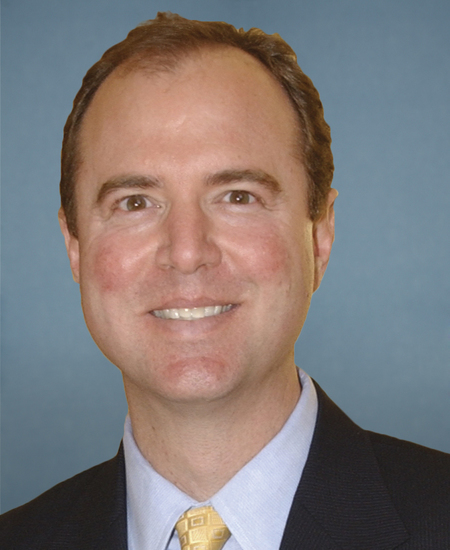
Adam B. Schiff
100% support rate
Top opponent
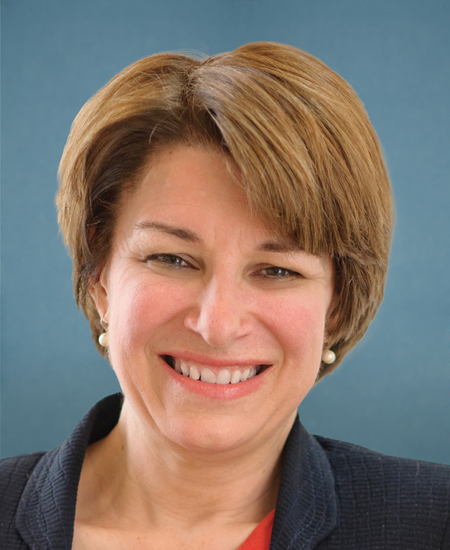
Amy Klobuchar
0% support rate
Ranked legislators
10
5 support · 5 oppose
Key legislators

Who's moving courts in United States

Legislators moving courts in United States
Legislator Party Stance Support rate Votes
Adam B. Schiff
Adam B. Schiff Senate
D
Strong +
100% 3
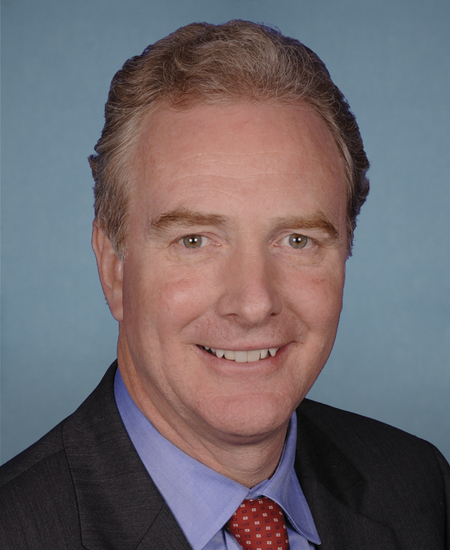
Chris Van Hollen
Chris Van Hollen Senate
D
Strong +
100% 3
Christopher Murphy
Christopher Murphy Senate
D
Strong +
100% 3
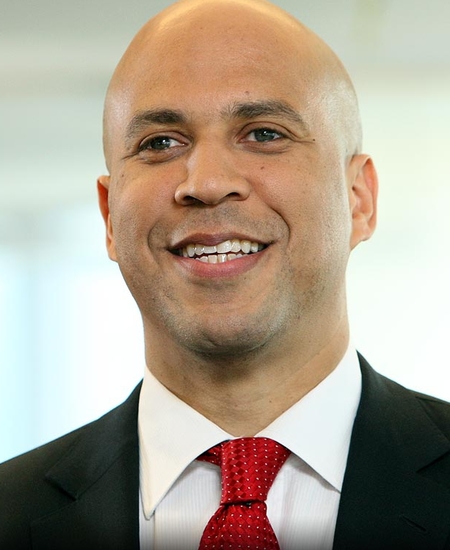
Cory A. Booker
Cory A. Booker Senate
D
Strong +
100% 3
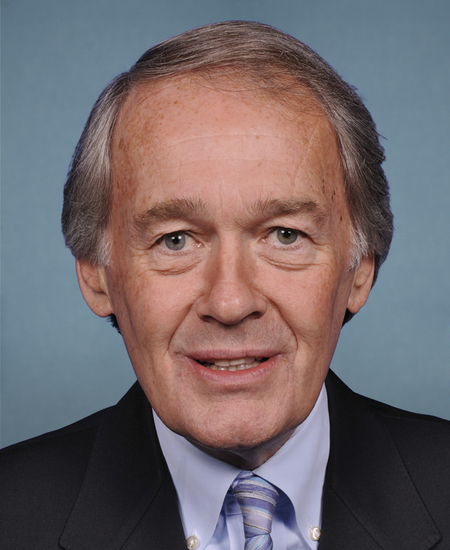
Edward J. Markey
Edward J. Markey Senate
D
Strong +
100% 3
Amy Klobuchar
Amy Klobuchar Senate
D
Strong −
0% 3
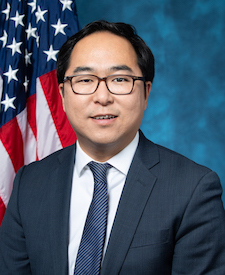
Andy Kim
Andy Kim Senate
D
Strong −
0% 3
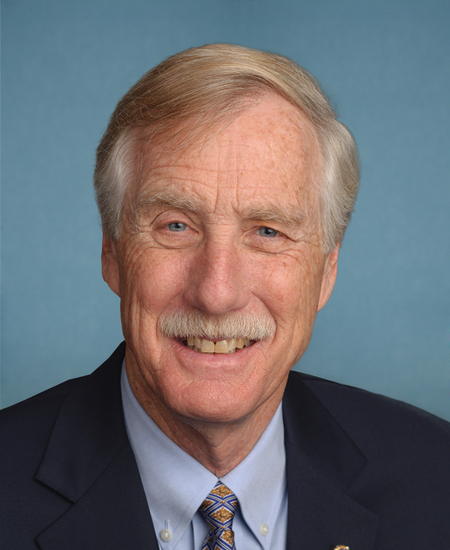
Angus S. King, Jr.
Angus S. King, Jr. Senate
I
Strong −
0% 3
Ashley Moody
Ashley Moody Senate
R
Strong −
0% 3
Ben Ray Luján
Ben Ray Luján Senate
D
Strong −
0% 3
Showing 131–140 of 146 bills

All criminal justice bills

in committee · United States · Senate Feb 10, 2026

S 3824: State Authority to Protect Civil Rights

This bill amends federal laws (Sections 241 and 242 of Title 18, U.S. Code) to allow state attorneys general to file civil lawsuits in federal court when residents suffer harm from rights violations. Specifically, it permits state AGs to sue on behalf of affected residents (as "parens patriae") if they believe someone experienced bodily injury, serious injury, or death due to conspiracy or deprivation of rights under color of law. The bill enables courts to grant relief like injunctions or damages if the defendant acted maliciously, oppressively, or recklessly. It directly affects state attorneys general and residents who experience such rights violations. The changes expand state enforcement authority under existing federal civil rights laws.
Sub-Topics Civil Rights Courts Tags Civil Liberties
in committee · United States · House Feb 14, 2025

HR 1379: Trafficking Survivors Relief Act of 2025

This bill allows survivors of human trafficking to seek court orders to vacate convictions or expunge arrests related to non-violent crimes they committed while being trafficked. Survivors can file motions supported by affidavits from anti-trafficking service providers, and courts must determine if the crime was directly caused by trafficking. It applies to all past and future cases, including retroactive relief for convictions, and adds a new "human trafficking defense" in criminal trials. The law requires annual reports tracking how many survivors use this relief and the outcomes of their cases.
in committee · United States · House Apr 8, 2025

HR 2724: Protecting Our Supreme Court Justices Act of 2025

HR 2724, the "Protecting Our Supreme Court Justices Act of 2025," amends federal law to increase penalties for obstructing justice through picketing or parading near Supreme Court justices. It changes Section 1507 of Title 18 U.S. Code to raise the maximum prison sentence for such obstruction from one year to five years. This bill directly affects individuals who engage in protests or demonstrations that physically block, harass, or impede Supreme Court justices or their property, making the criminal penalty more severe. The key provision is the specific increase in the maximum sentence for these actions.
in committee · United States · Senate Jul 10, 2025

S 2248: Juvenile Justice and Delinquency Prevention Reauthorization Act of 2025

This bill reauthorizes federal juvenile justice funding through 2030 with key changes to reduce youth incarceration. It prohibits states from using secure detention for juveniles violating status offenses (like truancy) after 2028, except under strict court orders requiring written findings and a 7-day maximum stay. It also mandates court hearings within 48 hours for juveniles held for violating court orders, limits holding juveniles with adults in jails to 180 days with regular reviews, and requires states to collect data on racial disparities and socioeconomic status. These provisions directly affect all states receiving federal juvenile justice funds and their juvenile justice systems.
in committee · United States · Senate Feb 11, 2026

S 3850: Effective Assistance of Counsel in the Digital Era Act

This bill protects communications between incarcerated people in federal custody (Bureau of Prisons or U.S. Marshals Service) and their attorneys by requiring a new system to block monitoring of protected messages. It mandates that all electronic messages stay private unless authorities obtain a court warrant approved by a U.S. attorney, with strict rules preventing prosecutors from using accessed information in related cases. The system must retain all messages until release, and the government can only access them for system maintenance or with a warrant. It applies only to federal facilities, not state prisons, and does not affect non-protected communications.
Sub-Topics Corrections Courts
in committee · United States · House Oct 17, 2025

HRES 818: Impeaching Deborah Boardman, Judge of the United States District Court for the District of Maryland, for high crimes and misdemeanors.

This resolution proposes impeaching Judge Deborah Boardman of the U.S. District Court for the District of Maryland, alleging she violated judicial standards by sentencing Nicholas John Roske - a man who attempted to assassinate Supreme Court Justice Brett Kavanaugh - to eight years (instead of the 30-year recommendation) - based on Roske’s transgender identity. The resolution claims Judge Boardman’s decision, which cited Roske as a "transgender woman" in sentencing, undermined the law and impartiality required of federal judges. It argues this conduct constitutes "high crimes and misdemeanors" by violating the constitutional standard for judicial "good behavior." The resolution is now referred to the House Judiciary Committee for further review.
Sub-Topics Courts Judges Sentencing
in committee · United States · House Nov 10, 2025

HR 6003: Justice Involved Veterans Support Act

This bill establishes a pilot program to help prisons and jails identify incarcerated veterans by improving their documentation systems. It directs the Attorney General and VA to provide grants and technical assistance to state/local facilities, aiming to connect veterans in the justice system with VA benefits and veterans treatment courts. The program prioritizes facilities in states with high veteran populations, high veteran poverty rates, or existing veterans court programs. This directly affects over 180,000 incarcerated veterans who face barriers to accessing mental health care, substance abuse treatment, and reentry support.
in committee · United States · House Aug 22, 2025

HR 5016: Keep Offenders Off Our Streets Act.

HR 5016, the "Keep Offenders Off Our Streets Act," requires that anyone charged with a crime in the District of Columbia must post a secured bail bond with reliable third parties (not just promise to appear) before being released before trial. This bill directly affects individuals facing pretrial release decisions in DC courts by eliminating the option of release on personal recognizance. The key mechanism replaces existing rules with a requirement that defendants execute a bail bond in an amount reasonably needed to ensure their court appearance. The law applies to all defendants appearing before a DC judicial officer, both before and after the bill's enactment.
Sub-Topics Courts
in committee · United States · Senate Feb 25, 2026

S 3918: Government Surveillance Transparency Act of 2026

The Government Surveillance Transparency Act of 2026 requires federal, state, and tribal courts to publicly disclose criminal surveillance orders, applications, and inventories after a maximum 180-day sealing period, with strict requirements for extensions. The bill mandates courts to publish detailed public reports about surveillance requests, including the nature of investigations and the agencies involved, and requires electronic filing of all surveillance documents. It creates a unique case numbering system for surveillance orders and requires automatic unsealing of documents after the sealing period expires. The law applies to all courts conducting surveillance, with implementation phased to allow time for system upgrades, and aims to increase transparency around government surveillance activities while balancing legitimate law enforcement needs.
Sub-Topics Courts Law Enforcement Tags Government Transparency
in committee · United States · Senate Sep 4, 2025

S 2723: Treatment Court, Rehabilitation, and Recovery Act of 2025

The Treatment Court, Rehabilitation, and Recovery Act of 2025 creates a federal grant program to fund specialized courts addressing substance use disorders. It provides funding for juvenile drug courts, family treatment courts, tribal healing courts, impaired driving courts, and adult drug courts that meet national standards. The bill requires evidence-based treatment - including medication-assisted treatment - and prohibits discrimination based on race, gender, or other protected characteristics. Eligible participants must have a diagnosed substance use disorder, meet safety criteria, and demonstrate potential benefit from the program, with costs based on ability to pay. The program mandates annual reporting on outcomes and ensures grants cover up to 75% of program costs, administered through the Department of Justice.
Showing 131 to 140 of 146 bills