Issue · Criminal Justice

Criminal Justice (Firearms)

Every criminal justice bill, vote, and legislator stance in United States, automatically classified by Maddy, our AI policy reader.

Total bills
140
119th Congress
Top supporter
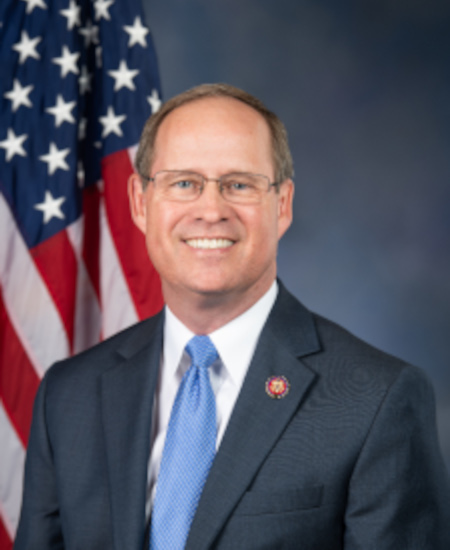
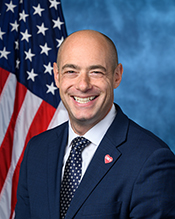
Gregory F. Murphy
75% support rate
Top opponent
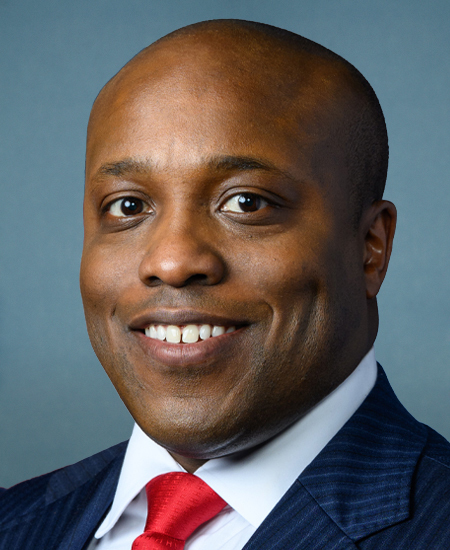
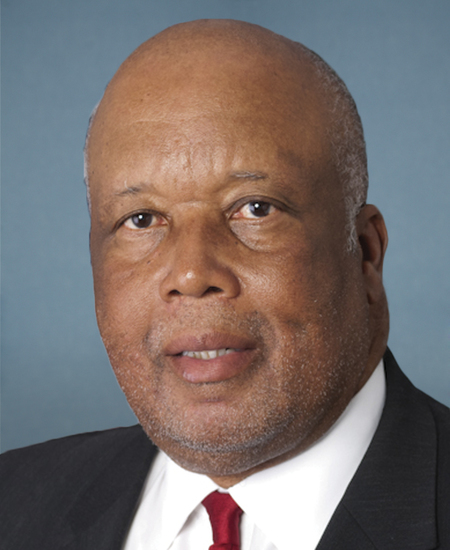
Bennie G. Thompson
20% support rate
Ranked legislators
10
5 support · 5 oppose
Key legislators

Who's moving firearms in United States

Legislators moving firearms in United States
Legislator Party Stance Support rate Votes
Gregory F. Murphy
Gregory F. Murphy House · District 3
R
Support
75% 4
Mike Johnson
Mike Johnson House · District 4
R
Support
75% 4
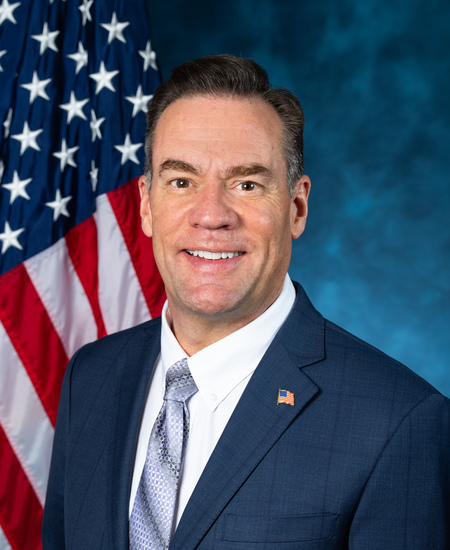
Russ Fulcher
Russ Fulcher House · District 1
R
Support
75% 4
Wesley Hunt
Wesley Hunt House · District 38
R
Support
75% 4
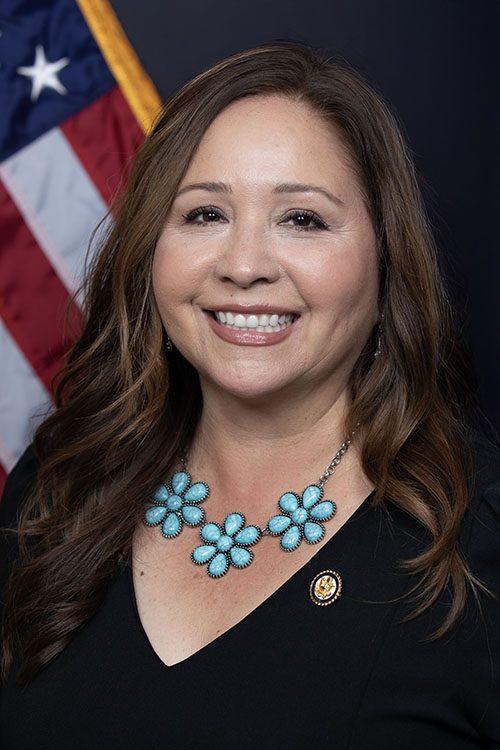
Adelita S. Grijalva
Adelita S. Grijalva House · District 7
D
Support
67% 3
Bennie G. Thompson
Bennie G. Thompson House · District 2
D
Strong −
20% 5
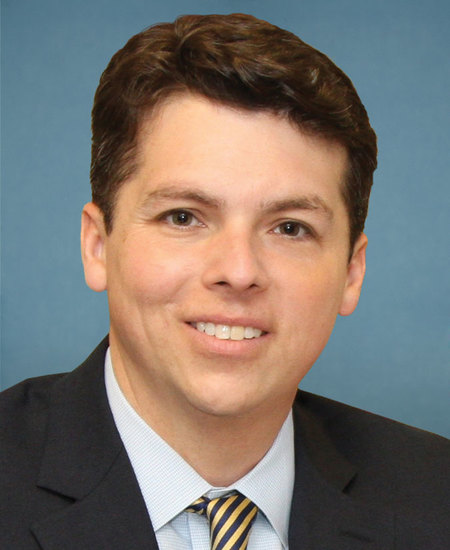
Brendan F. Boyle
Brendan F. Boyle House · District 2
D
Strong −
20% 5
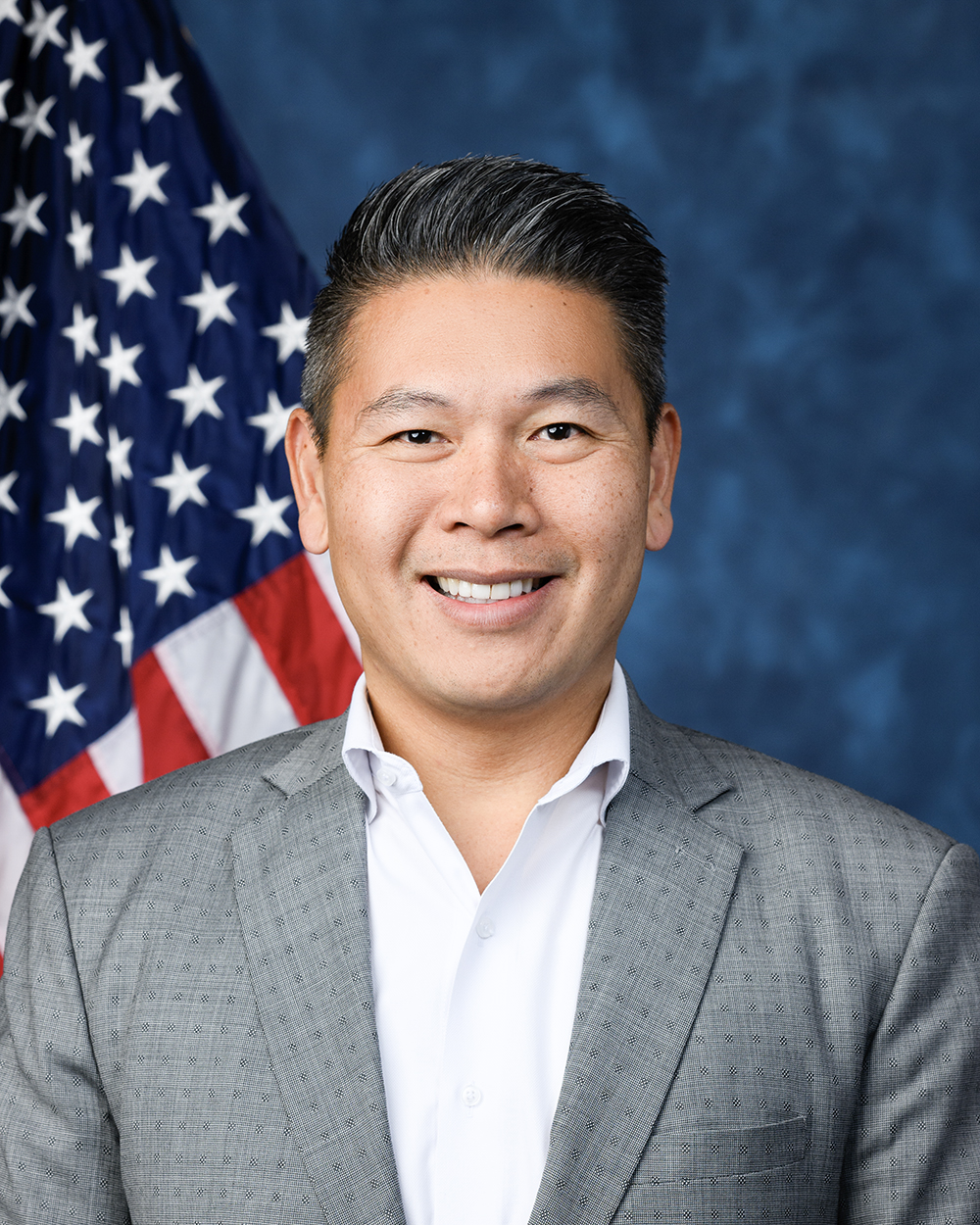
Derek Tran
Derek Tran House · District 45
D
Strong −
20% 5
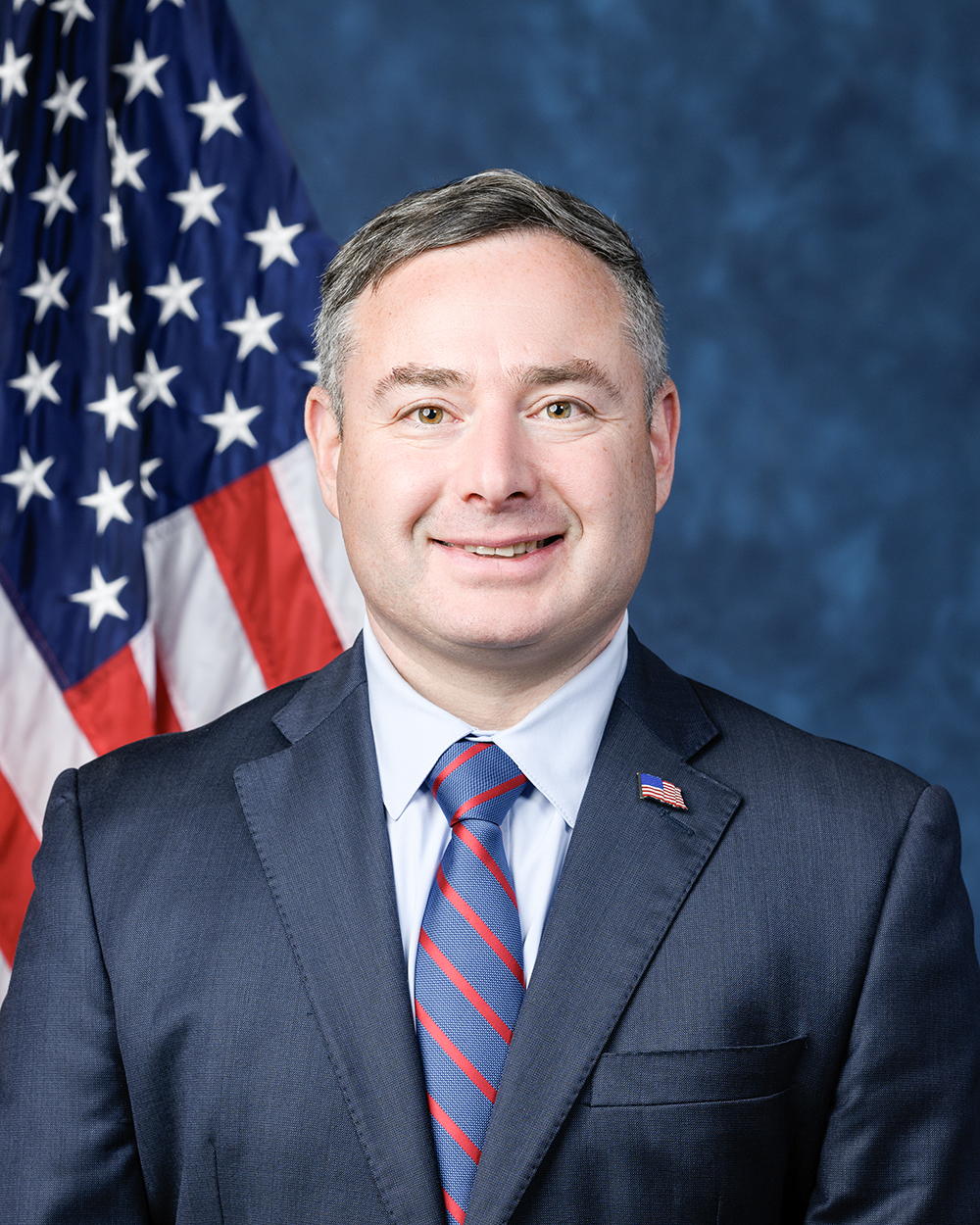
Eugene Simon Vindman
Eugene Simon Vindman House · District 7
D
Strong −
20% 5
Greg Landsman
Greg Landsman House · District 1
D
Strong −
20% 5
Showing 1–10 of 140 bills

All criminal justice bills

in committee · United States · House Sep 3, 2026

HR 10249: Kids Safety on Set Act of 2026

The Kids Safety on Set Act of 2026 mandates that adults with supervisory roles or frequent private contact with minors on entertainment productions must pass a criminal background check within 90 days before starting work. This check, which costs no more than $100 and is paid by the production company, specifically screens for offenses involving sex, violence, stalking, or minors. If a production employs someone who fails to meet this requirement, the Attorney General can seek a civil penalty of up to twice the cost of that person's project involvement. Additionally, the law requires an immediate halt to all production activities involving the non-compliant employee until they are terminated and stripped of any ownership interest greater than 2 percent in the project.
in committee · United States · Senate Jul 30, 2026

S 5201: Lori Jackson-Nicolette Elias Domestic Violence Survivor Protection Act

The Lori Jackson-Nicolette Elias Domestic Violence Survivor Protection Act expands federal firearm restrictions to include individuals subject to any domestic violence restraining order, including temporary or emergency orders issued without the abuser's presence. It broadens the legal definition of an "intimate partner" to cover dating partners and other relationships protected by state laws, closing previous loopholes that allowed some abusers to keep guns. The bill also creates a federal grant program for states and tribes to fund the removal, storage, and return of firearms from individuals subject to these orders, requiring them to partner with local domestic violence service providers to ensure victim safety.
in committee · United States · House Jul 30, 2026

HR 9983: Lori Jackson-Nicolette Elias Domestic Violence Survivor Protection Act

The Lori Jackson-Nicolette Elias Domestic Violence Survivor Protection Act aims to reduce intimate partner homicides by strengthening federal laws that prevent abusers from accessing firearms while restraining orders are active. It expands the definition of "intimate partner" to include dating partners and clarifies that emergency or temporary restraining orders must also trigger gun restrictions. The bill requires courts to automatically issue firearm surrender orders when a protection order is granted, mandating that abusers turn in their guns within 24 hours and prohibiting them from buying new ones for the duration of the order. Additionally, the legislation creates a new grant program to help states and local governments implement these surrender procedures and partner with domestic violence service providers.
in committee · United States · Senate Jun 24, 2026

S 4921: Blair Holt Firearm Owner Licensing and Record of Sale Act of 2026

The Blair Holt Firearm Owner Licensing and Record of Sale Act of 2026 requires most individuals to obtain a federal firearm owner license to possess handguns or semiautomatic rifles, with specific exemptions for licensed dealers, law enforcement, and minors under supervision. To get this license, applicants must submit detailed personal information, including fingerprints and mental health records, and undergo a background check administered by the Attorney General. The bill also mandates that licensed dealers record every sale or transfer of these firearms in a federal database and report the transaction details within 14 days. Additionally, the law prohibits unlicensed individuals from transferring firearms to other unlicensed people without the involvement of a licensed dealer and imposes strict penalties for failing to report lost or stolen guns or failing to notify authorities of address changes.
in committee · United States · Senate Jun 24, 2026

S 4926: State Firearms Dealer Licensing Enhancement Act

This bill creates a federal grant program to help states and tribal governments improve their licensing systems for firearms dealers. To qualify for funding, a state or tribe must already require dealers to hold a license, pass an application process, renew their license every three years, and submit to inspections. If a dealer breaks the rules, the state must be able to suspend or revoke their license and impose fines or criminal charges. The Attorney General will award up to $2.5 million per year in competitive grants to eligible applicants who submit plans for developing or improving these programs. Recipients must report annually on the number of inspections, violations, and licenses issued, renewed, or revoked, while the Attorney General will provide a public report on all grants awarded and denied.
Sub-Topics Firearms
in committee · United States · House Jun 23, 2026

HR 9399: Juvenile Firearms Safety Act of 2026

The Juvenile Firearms Safety Act of 2026 makes it illegal for adults to give non-handgun firearms to minors who intend to use them for self-harm or crimes, and it also restricts adults from storing firearms in places where minors can easily access them. The law allows adults to avoid penalties if they keep guns locked up or on their person, and it considers factors like prior knowledge of a minor's mental health or violent behavior when determining liability. Penalties range from one year in prison for simple violations to up to ten years if a minor causes injury or death after receiving a prohibited firearm.
in committee · United States · House Feb 4, 2025

HR 923: Stop Arming Cartels Act of 2025

The Stop Arming Cartels Act of 2025 prohibits civilian possession, sale, or transfer of rifles capable of firing .50 caliber ammunition, with exceptions for government use and rifles lawfully owned before the bill's enactment. It requires owners of such rifles to register them with the federal government within 12 months, without fees, and adds these rifles to the National Firearms Act registry. The bill also creates new federal firearm restrictions for significant foreign narcotics traffickers identified under the Foreign Narcotics Kingpin Designation Act and expands reporting requirements for rifle sales to include all rifles. This directly affects civilian rifle owners, sellers, and individuals designated as foreign narcotics traffickers.
in committee · United States · House Jun 24, 2026

HR 9440: State Firearms Dealer Licensing Enhancement Act

This bill creates a federal grant program to help states and tribal governments improve their licensing systems for firearms dealers. To qualify for funding, a state must have laws requiring dealers to hold licenses valid for no more than three years, complete an application process, and allow for inspections with penalties for noncompliance. The Attorney General will award up to $2.5 million per year on a competitive basis to eligible applicants who submit detailed plans for developing or improving their programs. Recipients must provide annual reports on inspection numbers, violations, and license status, while the Attorney General must report grant details and denial reasons to Congress.
Sub-Topics Firearms
in committee · United States · Senate Jun 11, 2026

S 4775: Stopping Harmful and Outrageous Torts Act

The Stopping Harmful and Outrageous Torts Act expands legal protections for firearm manufacturers and sellers by immediately dismissing any lawsuits currently pending against them that allege harm caused by the criminal or unlawful misuse of their products. The bill defines these protected cases as those where the injury resulted from a third party's illegal actions rather than a defect in the product itself, while explicitly excluding claims involving negligent entrustment, specific federal violations, or design defects. To enforce these protections, the law allows defendants to remove such cases from state courts to federal court and grants them the right to appeal dismissal orders immediately. Additionally, the legislation preempts state and local laws that attempt to hold these companies liable for product misuse and provides for attorney's fees for defendants who successfully assert their immunity.
Sub-Topics Courts Firearms
in committee · United States · House Jun 11, 2026

HR 9298: Stopping Harmful and Outrageous Torts Act

This bill, known as the Stopping Harmful and Outrageous Torts Act, expands legal protections for firearm manufacturers and sellers by strengthening their immunity from civil lawsuits. It requires courts to immediately dismiss any pending cases against these companies that are based on the criminal or unlawful misuse of a gun by a third party, while also clarifying that sellers are not liable for negligence in entrusting products to others. The legislation further restricts who can file such suits by prohibiting foreign governments from bringing these claims and adding a specific exception for victims under the age of 17, though it maintains immunity for cases involving design or manufacturing defects. Additionally, the bill allows companies to move these cases to federal court and grants them the right to appeal dismissal orders immediately, along with the ability to recover legal fees if they win. Finally, it preempts state and local laws that attempt to impose liability on these entities for the same types of misuse-related harms.
Sub-Topics Courts Firearms
Showing 1 to 10 of 140 bills
1 2 3 14 Next