Issue · Criminal Justice

Criminal Justice (Law Enforcement)

Every criminal justice bill, vote, and legislator stance in United States, automatically classified by Maddy, our AI policy reader.

Total bills
318
119th Congress
Top supporter
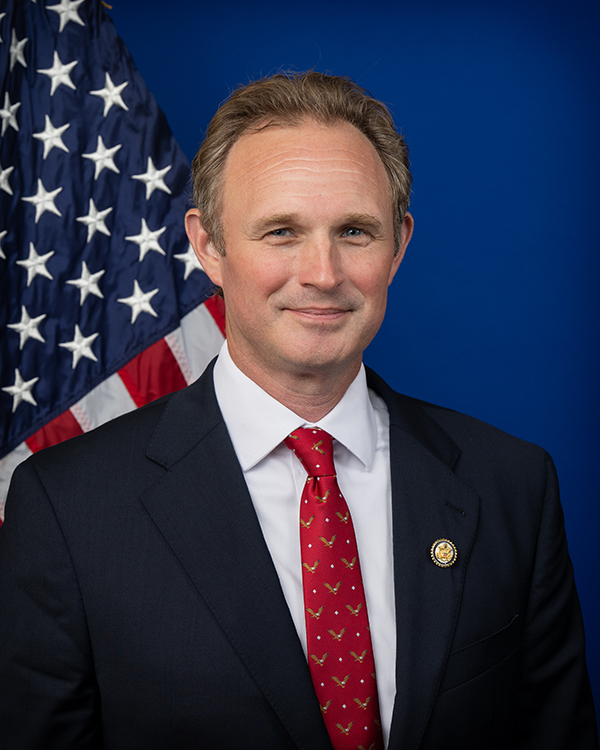
James Gallagher
100% support rate
Top opponent
Aisha Wahab
0% support rate
Ranked legislators
10
5 support · 5 oppose
Key legislators

Who's moving law enforcement in United States

Legislators moving law enforcement in United States
Legislator Party Stance Support rate Decisive votes
James Gallagher
James Gallagher House · District 1
R
Strong +
100% 3
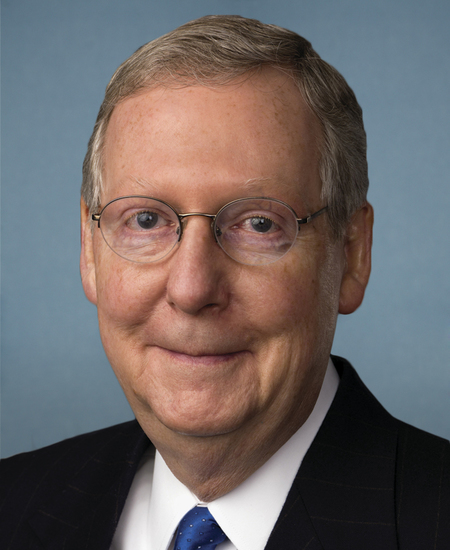
Mitch McConnell
Mitch McConnell Senate
R
Strong +
93% 28
AA
Alan Armstrong Senate
R
Strong +
86% 28
Bernie Moreno
Bernie Moreno Senate
R
Strong +
86% 28
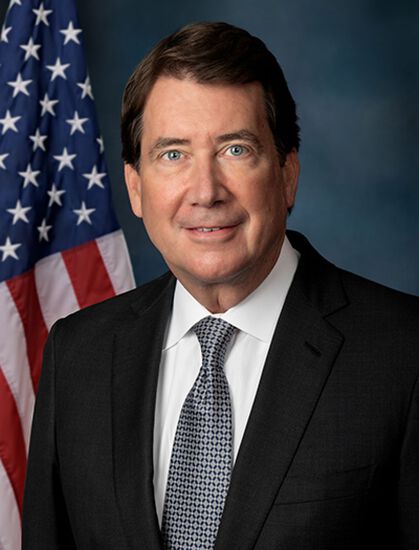
Bill Hagerty
Bill Hagerty Senate
R
Strong +
86% 28
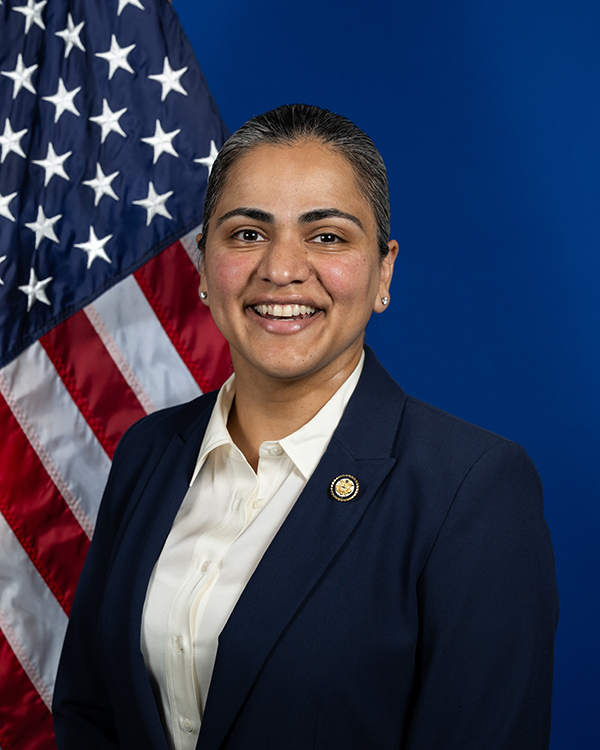
Aisha Wahab
Aisha Wahab House · District 14
D
Strong −
0% 3
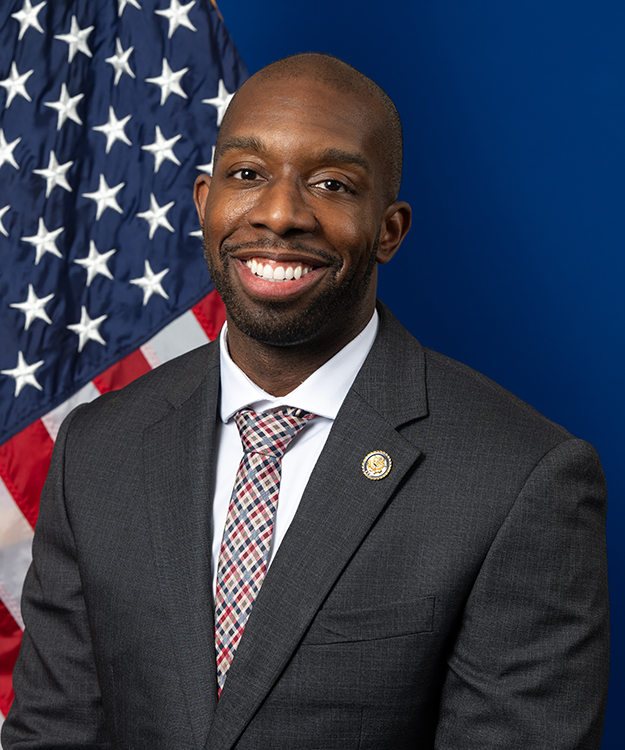
Everton Blair Jr.
Everton Blair Jr. House · District 13
D
Strong −
0% 3
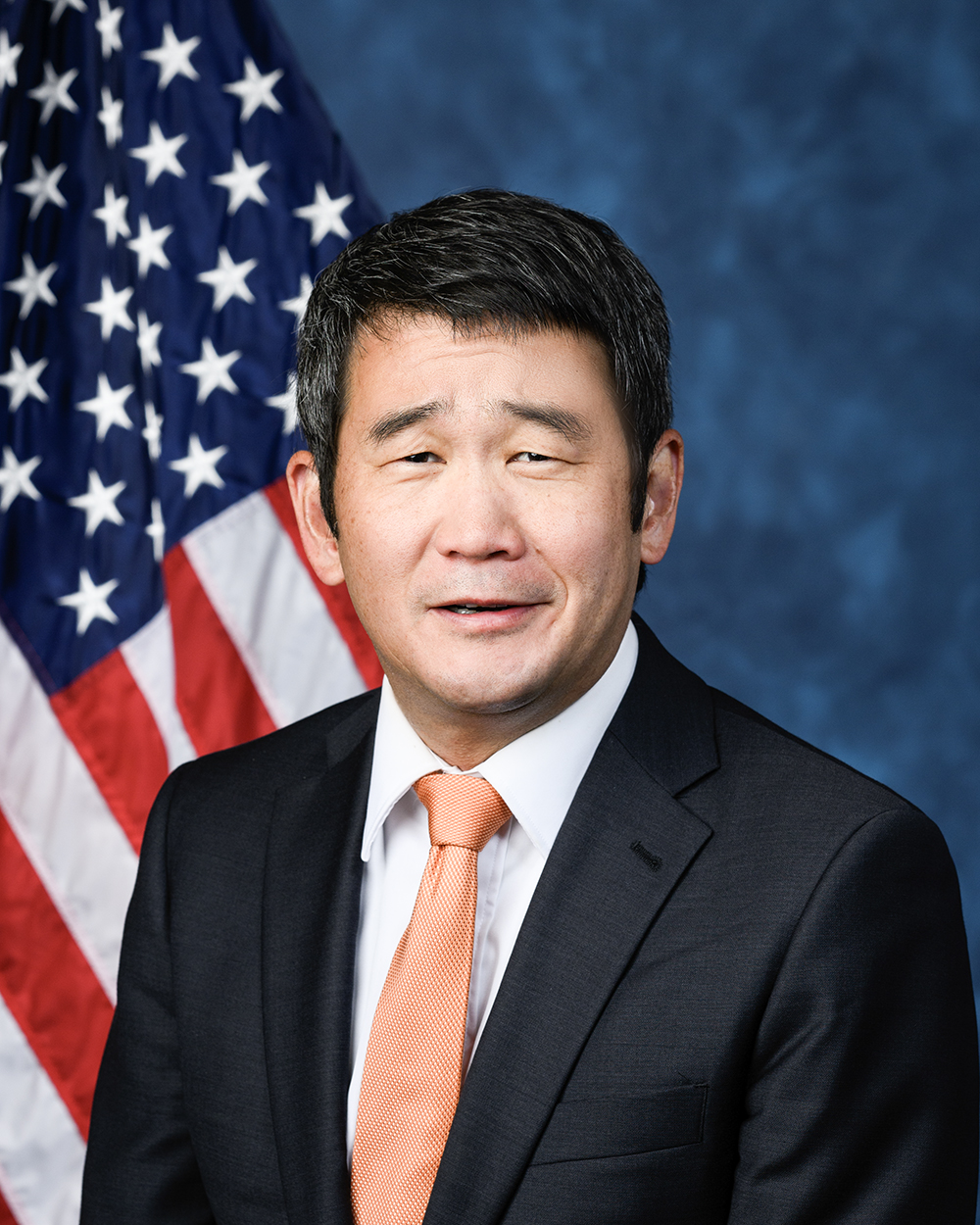
Dave Min
Dave Min House · District 47
D
Strong −
13% 15
Marcy Kaptur
Marcy Kaptur House · District 9
D
Strong −
13% 15
Amy Klobuchar
Amy Klobuchar Senate
D
Strong −
14% 28
Showing 1–10 of 318 bills

All criminal justice bills

in committee · United States · House Sep 16, 2026

HR 10470: SHIELD for Victims Act of 2026

The SHIELD for Victims Act of 2026 directs the Attorney General to develop and publish an evidence-based lethality assessment tool within one year, designed to help law enforcement identify domestic violence victims at high risk of serious injury or death and connect them with support services. The bill requires Federal Law Enforcement Training Centers to provide initial training on this tool to covered federal officers, along with mandatory refresher courses every three years. Additionally, the Secretary of Homeland Security must submit a report to Congress within 180 days outlining a plan to ensure federal officers are linked to local domestic violence resources when using the assessment program.
passed · United States · Senate Sep 23, 2026

SRES 895: A resolution designating the week of October 4, 2026, through October 10, 2026, as "National Community Policing Week".

This Senate resolution designates the week of October 4 through October 10, 2026, as National Community Policing Week. It aims to highlight the importance of building trust between law enforcement officers and the communities they serve. The bill encourages citizens, police agencies, and elected officials to identify ways to improve public safety and strengthen these relationships.
in committee · United States · House Sep 14, 2026

HRES 1534: Expressing support for the designation of the week of September 13 to 19, 2026, as "National Co-Responder and Crisis Clinician Week".

This resolution expresses support for designating the week of September 13 to 19, 2026, as "National Co-Responder and Crisis Clinician Week." It highlights the importance of pairing law enforcement and emergency medical staff with behavioral health professionals to better handle mental health crises. The bill aims to recognize these teams for their role in de-escalating situations and connecting individuals with community resources such as counseling and housing.
passed · United States · House Sep 15, 2026

HRES 1530: Providing for consideration of the bill (H.R. 9576) to establish the National Fraud Enforcement Division of the Department of Justice; providing for consideration of the bill (H.R. 10326) to enhance information-sharing capabilities between Federal law enforcement and State agencies to detect, investigate, and prosecute fraud in certain Federal programs, and to protect individual privacy; providing for consideration of the joint resolution (H.J. Res. 210) providing for congressional disapproval under chapter 8 of title 5, United States Code, of the rule submitted by the Environmental Protection Agency relating to ‘‘California State Nonroad Engine Pollution Control Standards; Ocean-Going Vessels At-Berth; Notice of Decision''; providing for consideration of the joint resolution (H.J. Res. 213) providing for congressional disapproval under chapter 8 of title 5, United States Code, of the rule issued by the Environmental Protection Agency relating to the ‘‘California State Nonroad Engine Pollution Control Standards; Commercial Harbor Craft Regulations; Notice of Decision''; and providing for consideration of the Senate amendments to the bill (H.R. 5334) to amend the Internal Revenue Code of 1986 to allow early childhood educators to take the educator expense deduction, and for other purposes.

H.Res. 1530 is a procedural resolution that sets specific rules for the House of Representatives to consider five separate legislative items in a single session. It allows the House to vote on bills establishing a National Fraud Enforcement Division and enhancing federal-state information sharing, as well as joint resolutions aimed at overturning two Environmental Protection Agency regulations regarding California engine pollution standards. Additionally, it provides for a vote on Senate amendments to a tax bill that would allow early childhood educators to claim an expense deduction. The resolution limits debate time for each item and waives certain procedural objections to expedite the legislative process.
Sub-Topics Law Enforcement
passed · United States · House Sep 17, 2026

HR 10326: PROOF Act

The PROOF Act requires state agencies to provide specific records to the Attorney General when requested for investigating fraud in major federal assistance programs, such as Medicaid, food stamps, unemployment benefits, and disaster relief funds. This information sharing covers data like identity verification records, payment logs, and provider billing statements directly related to active investigations. To protect privacy, the bill mandates that the Justice Department handle all transferred data under existing privacy laws, use encryption for security, and destroy the information once legal proceedings are complete. Additionally, federal agencies may only use this data for fraud-related law enforcement purposes and must submit an annual report to Congress detailing the number of requests made and resulting convictions.
Sub-Topics Law Enforcement
in committee · United States · House Sep 8, 2026

HR 10317: Inventory Act of 2026

The Digital Asset Inventory and Audit Act of 2026 requires all federal agencies to scan seized electronic devices and data for cryptocurrency private keys and other digital assets within 180 days of enactment. The bill mandates that these assets be securely stored, with the Attorney General responsible for developing technical standards and training programs for law enforcement and forensic examiners. Federal agencies must conduct annual audits to verify secure custody and report their findings to Congress, while the Government Accountability Office will perform broader compliance reviews every three years. Funding for the necessary digital forensic tools is authorized through amendments to existing federal forfeiture funds.
Sub-Topics Law Enforcement
in committee · United States · House Jul 30, 2026

HR 10009: BAD Act

The Bribery Accountability and Discovery Act (BAD Act) extends the time limit for prosecuting bribery or theft crimes involving public officials or federal funds. Under this change, the legal clock for bringing charges does not start until a federal law enforcement agency discovers the crime or receives a report about it. This provision directly affects individuals accused of these specific offenses by potentially allowing prosecutors more time to build cases that were previously hidden.
Sub-Topics Law Enforcement
in committee · United States · House Sep 10, 2026

HR 10328: Badge-to-Business Act

The Badge-to-Business Act amends the Small Business Act to waive guarantee fees for express loans made to qualified career law enforcement officers starting January 1, 2027. To qualify, an officer must have completed at least ten years of service and not be facing a pending criminal investigation or administrative proceeding for misconduct related to their official duties. This fee waiver applies to both currently employed officers and those who have separated from service, provided they meet the conduct requirements at the time of application. The provision includes an exception allowing the Administrator to collect fees if the cost of guaranteeing these loans results in a net loss for the Administration in a given fiscal year.
Sub-Topics Law Enforcement Tags Small Business
in committee · United States · House Aug 20, 2026

HR 10124: Mail Theft and Postal Key Crime Prevention Act of 2026

The Mail Theft and Postal Key Crime Prevention Act of 2026 requires the Attorney General to designate a specific assistant United States attorney in every federal judicial district to coordinate the investigation and prosecution of organized mail theft and related fraud schemes. These coordinators are tasked with working alongside federal, state, and local law enforcement agencies to address crimes involving stolen postal keys, identity theft, and financial fraud facilitated by intercepted mail. The bill also mandates that the Attorney General submit an annual report to Congress for five years detailing trends in these offenses and the effectiveness of inter-agency coordination efforts. Additionally, it directs the United States Sentencing Commission to review and update federal sentencing guidelines to ensure harsher penalties for crimes involving postal access devices, large-scale theft operations, or violence against postal workers.
in committee · United States · House Sep 3, 2026

HR 10245: 9–8–8 and 9–1–1 Integration Act

The 9-8-8 and 9-1-1 Integration Act directs the Secretary of Health and Human Services to establish a multidisciplinary panel that will develop recommendations for training and protocols for emergency dispatchers. The primary goal is to ensure that individuals experiencing behavioral health or substance use crises are connected to appropriate care services rather than being met solely by law enforcement. The panel must consider integrating the 9-8-8 crisis line with the 9-1-1 system, utilizing standardized assessment tools to evaluate caller needs, and implementing training on cultural competency and implicit bias. Additionally, the legislation requires the creation of data collection standards to track response outcomes and disparities while protecting caller privacy, with reports submitted to Congress upon the release of recommendations and every five years thereafter.
Sub-Topics Law Enforcement Mental Health Tags Public Safety
Showing 1 to 10 of 318 bills
1 2 3 … 32 Next