Issue · Criminal Justice

Criminal Justice (Courts)

Every criminal justice bill, vote, and legislator stance in United States, automatically classified by Maddy, our AI policy reader.

Total bills
123
119th Congress
Top supporter
Adam B. Schiff
100% support rate
Top opponent
Amy Klobuchar
0% support rate
Ranked legislators
10
5 support · 5 oppose
Key legislators

Who's moving courts in United States

Legislators moving courts in United States
Legislator Party Stance Support rate Decisive votes
Adam B. Schiff
Adam B. Schiff Senate
D
Strong +
100% 3
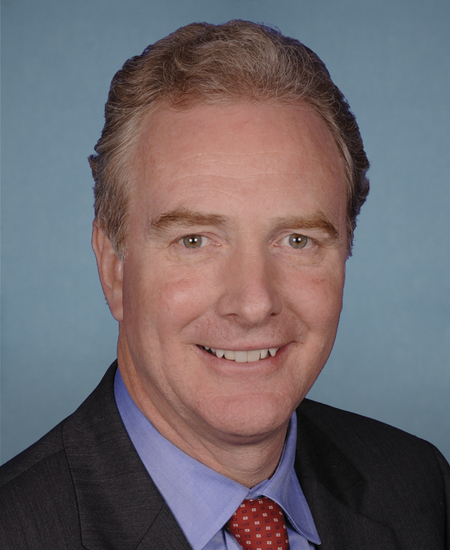
Chris Van Hollen
Chris Van Hollen Senate
D
Strong +
100% 3
Christopher Murphy
Christopher Murphy Senate
D
Strong +
100% 3
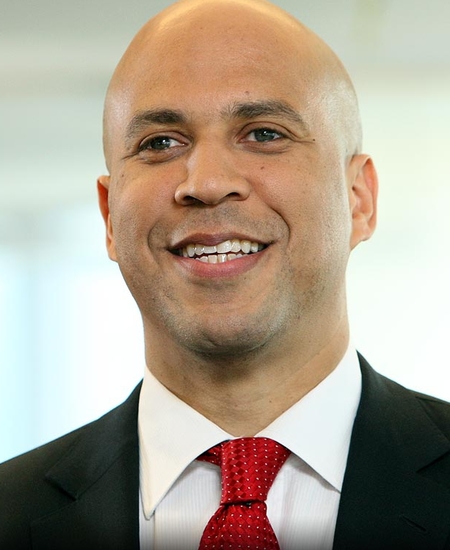
Cory A. Booker
Cory A. Booker Senate
D
Strong +
100% 3
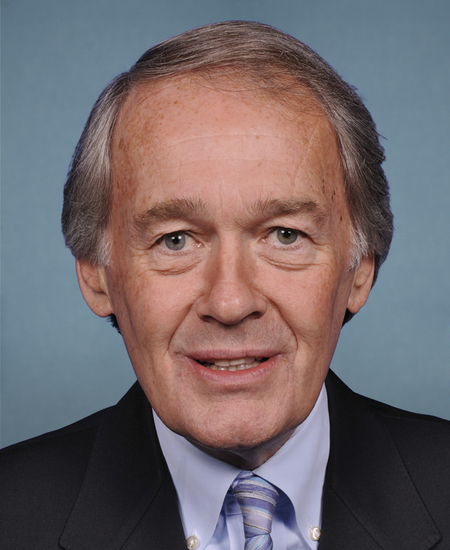
Edward J. Markey
Edward J. Markey Senate
D
Strong +
100% 3
Amy Klobuchar
Amy Klobuchar Senate
D
Strong −
0% 3
Andy Kim
Andy Kim Senate
D
Strong −
0% 3
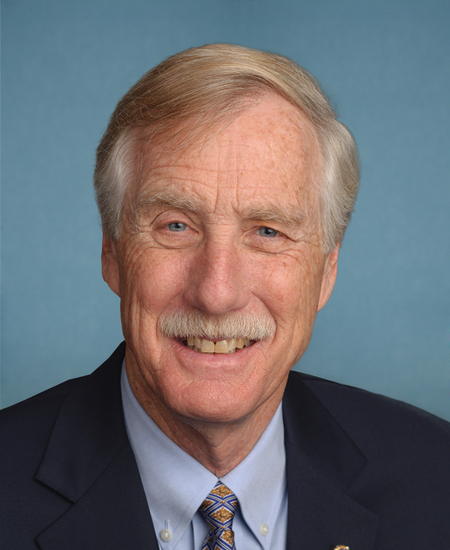
Angus S. King, Jr.
Angus S. King, Jr. Senate
I
Strong −
0% 3
Ashley Moody
Ashley Moody Senate
R
Strong −
0% 3
Ben Ray Luján
Ben Ray Luján Senate
D
Strong −
0% 3
Showing 1–10 of 123 bills

All criminal justice bills

in committee · United States · Senate Sep 23, 2026

SRES 880: A resolution requesting information on the Commonwealth of Dominica's human rights practices pursuant to section 502B(c) of the Foreign Assistance Act of 1961.

This Senate resolution requests that the Secretary of State provide a detailed report to congressional committees within 30 days regarding human rights practices in the Commonwealth of Dominica. The report must specifically address the treatment of non-citizens who have been removed from the United States to Dominica, including allegations of arbitrary detention, torture, and trafficking. It also requires an assessment of U.S. government actions taken to promote human rights, evaluate security assistance risks, and ensure compliance with court orders for the return of individuals.
in committee · United States · House Sep 17, 2026

HR 10502: To direct the Director of National Intelligence to submit to Congress a report on the use of artificial intelligence systems to acquire, analyze, query, disseminate, or otherwise access information under section 702 of the Foreign Intelligence Surveillance Act of 1978.

This bill requires the Director of National Intelligence to submit a report to Congress within 180 days detailing how artificial intelligence systems are used to access information under Section 702 of the Foreign Intelligence Surveillance Act. The report must include an overview of these AI applications, an evaluation of safeguards ensuring compliance with the law and the Fourth Amendment, and a list of the specific AI models in use. Additionally, it requires disclosure of any related information previously submitted to the Foreign Intelligence Surveillance Court by the Department of Justice or intelligence agencies. The Director of National Intelligence must coordinate this effort with the heads of major intelligence agencies, including the FBI, CIA, and NSA.
in committee · United States · House Sep 15, 2026

HR 10389: Survivor’s Voice Protection Act

The Survivor's Voice Protection Act makes nondisclosure clauses unenforceable if they prevent victims of sexual abuse or others from disclosing facts related to such abuse, a rule that applies retroactively to contracts signed before the law is enacted. The bill also requires fiduciaries, such as guardians or trustees, to report suspected grooming behavior to law enforcement within 90 to 180 days of learning about it. Victims who suffer harm due to a fiduciary's failure to report can sue for damages in federal court, and state attorneys general may also bring civil actions on behalf of their residents.
in committee · United States · House Sep 10, 2026

HR 10335: Restoring Civil Rights Attorney’s Fees Act of 2026

The Restoring Civil Rights Attorney’s Fees Act of 2026 amends federal law to broaden the definition of a "prevailing party" in civil rights lawsuits, which directly affects plaintiffs and defendants in these cases. Under this bill, a plaintiff is considered prevailing if they obtain relief through a judicial order, an enforceable written agreement or consent decree, or a voluntary change in position by the defendant that makes the case moot or grants the requested relief. This includes situations where a court issues an injunction that is later vacated on mootness grounds, provided it materially altered the legal relationship between the parties. The new provisions take effect immediately upon enactment and apply to both pending cases and any new cases filed after that date.
Sub-Topics Civil Rights Courts
in committee · United States · Senate Jul 30, 2026

S 5205: Turkey Human Rights Promotion Act of 2026

The Turkey Human Rights Promotion Act of 2026 conditions U.S. security assistance on Turkey's release of political prisoners and its repeal of laws used to suppress free expression. It requires the Secretary of State to certify that Turkey has taken sustained steps to reduce the number of detainees held for exercising their human rights and to comply with European Court of Human Rights rulings before any military funds can be spent. If these conditions are not met, the bill mandates sanctions against specific Turkish officials, visa restrictions, and a ban on exporting surveillance technology to the country. Additionally, the legislation directs funding toward civil society groups and independent media outlets while requiring annual reports on human rights conditions in Turkey.
Sub-Topics Courts
in committee · United States · House Jul 31, 2026

HR 10011: No PREJUDICE Act

The No PREJUDICE Act prohibits Department of Homeland Security officers from detaining, arresting, or investigating individuals based on their race, ethnicity, job, or use of a non-English language or an accented English. It specifically bans profiling at locations like bus stops or agricultural sites and forbids targeting people for hobbies or careers. If someone in immigration removal proceedings claims they were stopped for these reasons, they can request a court hearing to prove the violation. A judge who finds the profiling unlawful must dismiss the removal case, while the case continues only if no violation is found.
in committee · United States · House Jul 20, 2026

HR 9778: Judicial FOIA Expansion Act

This bill expands the Freedom of Information Act to require federal courts to release specific records upon public request. It mandates the disclosure of attorney disciplinary actions, complaints against judges, meeting minutes, jury selection forms, and performance reports, while explicitly excluding information related to ongoing cases. The legislation also requires that released data be in a machine-readable format and authorizes funding to establish an office within the Administrative Office of the United States Courts to manage these new requirements.
Sub-Topics Courts Tags Government Transparency
in committee · United States · House Jul 22, 2026

HR 9883: Private Detention Corporate Accountability Act of 2026

This bill establishes financial liability for private detention centers and their employees if they cause the wrongful death of a person held there. It allows families of deceased individuals to sue in federal court for at least $5 million in statutory damages plus economic and punitive damages. The law removes the ability of detention staff to use immunity defenses to avoid responsibility and holds the facility itself responsible for the actions of its workers. These rules apply specifically to private companies contracted by the federal government to detain people accused of breaking civil, criminal, or immigration laws.
in committee · United States · Senate Jul 21, 2026

S 5058: Staged Accident Fraud Prevention Act of 2026

The Staged Accident Fraud Prevention Act of 2026 adds new federal penalties for intentionally causing collisions with commercial motor vehicles. It directly affects drivers who stage these accidents and those who arrange for others to do so. Under the bill, a driver who intentionally crashes into a commercial truck faces up to 20 years in prison, while causing serious injury or death in such a staged event carries a minimum sentence of 20 years. The law also holds organizers of these staged crashes criminally liable under the same sentencing guidelines. Prosecution under this federal statute is barred if the individual has already been convicted or acquitted for the same act in state court.
in committee · United States · House Jul 30, 2026

HR 10008: Turkey Human Rights Promotion Act of 2026

The Turkey Human Rights Promotion Act of 2026 establishes a formal policy to support democracy and human rights in Turkey while directly affecting U.S. security assistance and diplomatic engagement with the Turkish government. The bill conditions the release of U.S. security funds on the Turkish government certifying that it has reduced the number of political prisoners, stopped using counterterrorism laws to suppress free expression, and complied with European Court of Human Rights rulings. Additionally, the legislation mandates annual reports on human rights conditions in Turkey and authorizes the provision of funding to civil society organizations working to secure the release of detained individuals. If the Turkish government fails to take effective steps to address these violations, the bill directs the President to impose sanctions, restrict visas for responsible officials, and prohibit the export of surveillance technologies to Turkey.
Sub-Topics Courts
Showing 1 to 10 of 123 bills
1 2 3 … 13 Next