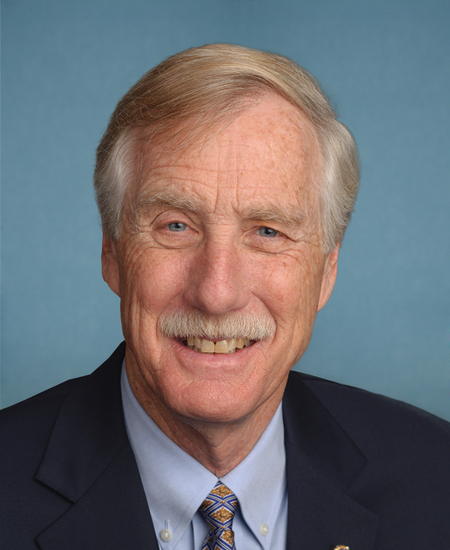
Key legislators
Who's moving criminal justice in United States
Showing 11–14 of 14
bills
All criminal justice bills
This bill amends Washington, D.C.'s policing law to change rules for police vehicle pursuits. It removes previous restrictions on pursuits and requires officers to only pursue a suspect if they reasonably believe it won't create unacceptable risk to others or be futile, or if another method would be more effective. The bill also mandates a Department of Justice report within three years evaluating technology like PursuitAlert that alerts the public during police pursuits. These changes directly affect D.C. police officers making real-time decisions during vehicle chases. The law updates existing policy without altering other policing standards.
This bill lowers the age at which minors in Washington, D.C. can be tried as adults for certain crimes from 16 to 14 years old. It amends two key sections of D.C. law: changing the age for exclusion from juvenile court jurisdiction (from 16 to 14) and lowering the age for transfer to criminal court (from 15-18 to 14 across multiple scenarios). The policy directly affects minors aged 14 or older who commit specified serious offenses in D.C., removing them from the juvenile justice system. The changes apply to offenses committed on or after the bill's effective date.
HR 3486, the Stop Illegal Entry Act of 2025, increases penalties for certain immigration violations under the Immigration and Nationality Act. It raises the mandatory prison term for unlawful entry (Section 275) from 2 to 5 years and adds new provisions for aliens who commit crimes after entry. For reentry after removal (Section 276), it increases the base penalty to up to 10 years imprisonment, with enhanced penalties of up to 15 years for those with prior drug or violent crime convictions, and mandatory minimums of 10 years or more for those with prior aggravated felonies, multiple removals, or prior convictions for serious crimes. The bill directly affects noncitizens who enter the U.S. illegally or reenter after being removed, with penalties applying to specific categories of prior criminal conduct.
This bill requires the Federal Protective Service to improve oversight of contract security guards protecting buildings owned or secured by the General Services Administration. It mandates standardized collection and analysis of covert testing data (simulated security breaches), quarterly reviews to identify recurring issues, and mandatory corrective training for guards who fail tests. The bill also directs an evaluation of the current personnel tracking system within 180 days, requiring a decision on replacement or upgrades with a public implementation plan. Annual reports to Congress will detail progress, system effectiveness, and tenant communication protocols for security coverage gaps.