Issue · Budget & Taxes

Budget & Taxes (State Budget)

Every budget & taxes bill, vote, and legislator stance in United States, automatically classified by Maddy, our AI policy reader.

Total bills
40
119th Congress
Top supporter
Anna Paulina Luna
100% support rate
Top opponent
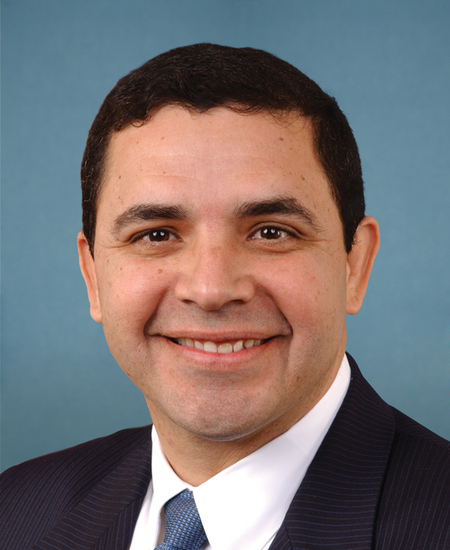
Henry Cuellar
0% support rate
Ranked legislators
10
5 support · 5 oppose
Key legislators

Who's moving state budget in United States

Legislators moving state budget in United States
Legislator Party Stance Support rate Votes
Anna Paulina Luna
Anna Paulina Luna House · District 13
R
Strong +
100% 3
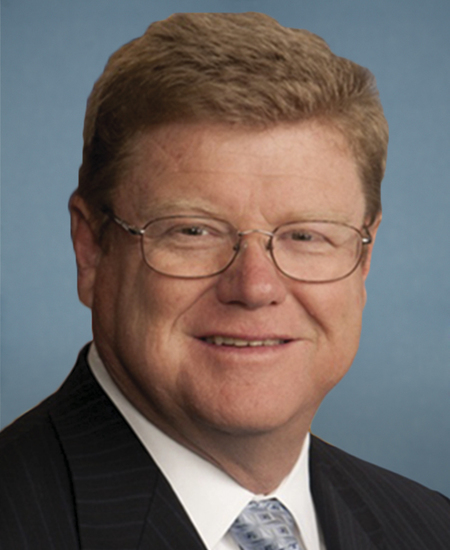
Mark E. Amodei
Mark E. Amodei House · District 2
R
Strong +
100% 3
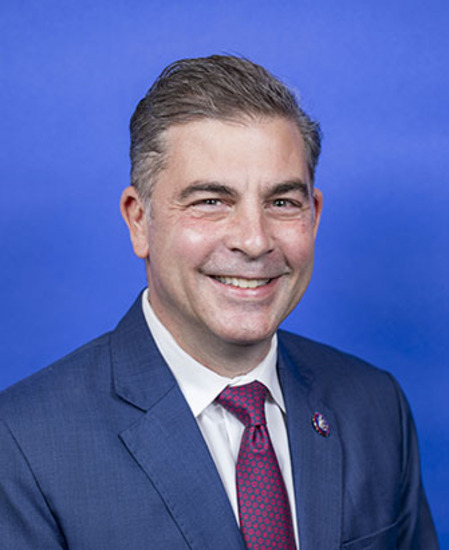
Mike Carey
Mike Carey House · District 15
R
Strong +
100% 3
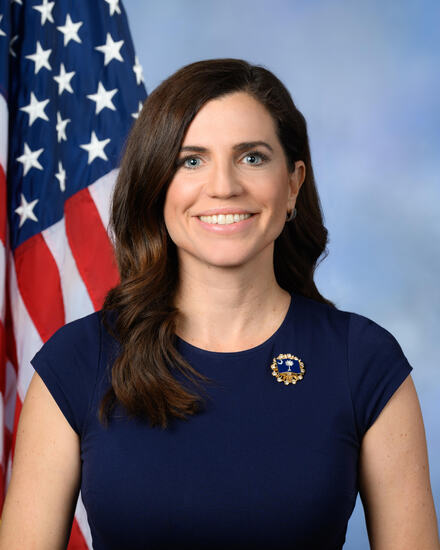
Nancy Mace
Nancy Mace House · District 1
R
Strong +
100% 3
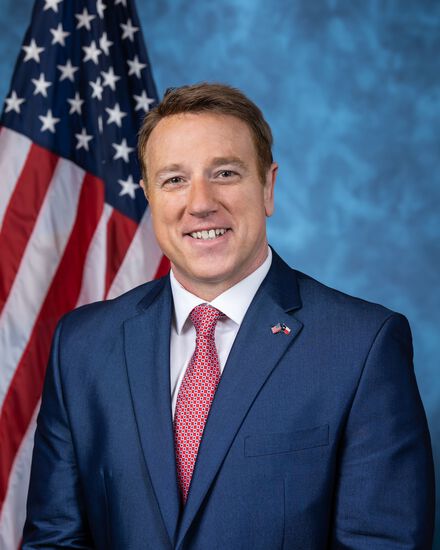
Pat Fallon
Pat Fallon House · District 4
R
Strong +
100% 3
Henry Cuellar
Henry Cuellar House · District 28
D
Strong −
0% 4
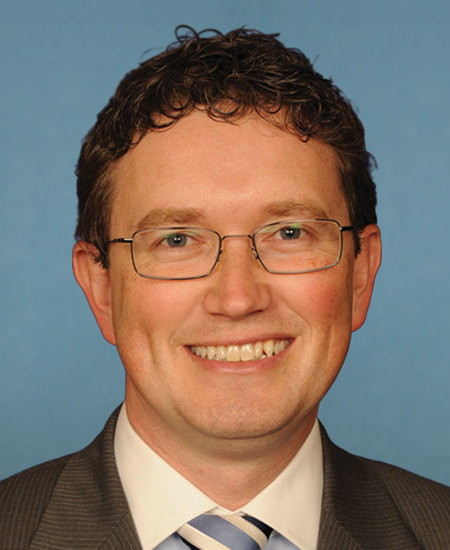
Thomas Massie
Thomas Massie House · District 4
R
Strong −
0% 4
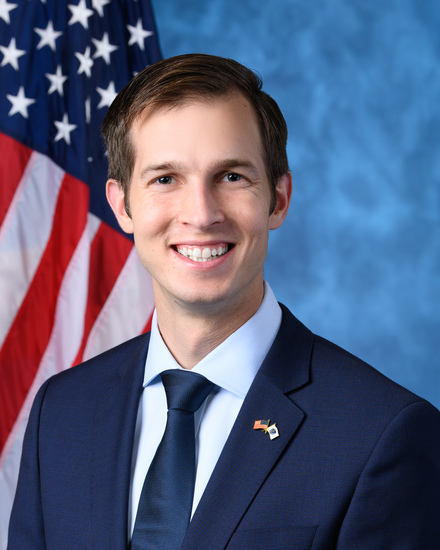
Jake Auchincloss
Jake Auchincloss House · District 4
D
Strong −
0% 3
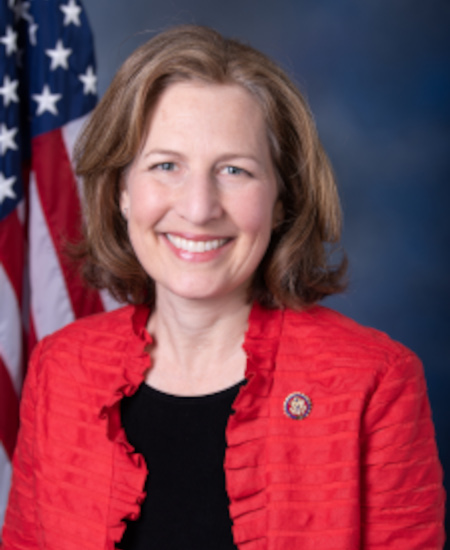
Kim Schrier
Kim Schrier House · District 8
D
Strong −
0% 3
Raja Krishnamoorthi
Raja Krishnamoorthi House · District 8
D
Strong −
0% 3
Showing 1–10 of 40 bills

All budget & taxes bills

in committee · United States · Senate Aug 7, 2026

S 5377: A bill to amend the Congressional Budget and Impoundment Control Act of 1974 to establish certain procedures for consideration of appropriation bills, and for other purposes.

This bill amends the Congressional Budget and Impoundment Control Act of 1974 to impose stricter time limits on the legislative process for annual spending bills. In the Senate, debate on any annual appropriation bill is capped at 20 hours, including all related amendments and motions. In the House of Representatives, members are prohibited from voting to adjourn for more than three days during July until all new budget authority for the upcoming fiscal year has been approved. These provisions directly affect the scheduling and procedural rules governing how Congress passes its annual spending legislation.
in committee · United States · House Jul 22, 2026

HR 9879: Super Pay-As-You-Go Act of 2026

The Super Pay-As-You-Go Act of 2026 strengthens existing budget rules by requiring that any new government spending or tax cuts be offset by savings equal to twice the cost of those changes. This stricter standard aims to ensure that legislation directly reduces the federal deficit rather than merely maintaining the current level of debt accumulation. The bill also tightens the process for designating emergency spending, mandating a two-thirds congressional vote to waive these stricter budget rules and requiring specific justifications for such designations. Additionally, it mandates that the Office of Management and Budget publish detailed reports on how new laws affect the federal deficit and that Congress cannot bundle these budgetary restrictions with other unrelated legislation.
passed · United States · House Jul 23, 2026

HCONRES 113: Establishing the congressional budget for the United States Government for fiscal year 2027 and setting forth the appropriate budgetary levels for fiscal years 2028 through 2036.

This concurrent resolution establishes the congressional budget for the federal government for FY2027, sets forth budgetary levels for FY2028-FY2036, and provides reconciliation instructions for legislation that increases the deficit.  The resolution recommends levels and amounts for FY2027-FY2036 for federal revenues, new budget authority, budget outlays, deficits (on-budget), debt subject to limit, debt held by the public, and the major functional categories of spending. The resolution includes reconciliation instructions that direct the House Agriculture Committee, the House Armed Services Committee, the House Permanent Select Committee on Intelligence, and the House Administration Committee to submit recommendations for legislation that will increase the deficit over FY2027-FY2036 by not more than specified amounts. Each committee must submit the recommendations to the House Budget Committee by September 11, 2026.  (Under current law, reconciliation bills are considered by Congress using expedited legislative procedures that prevent a filibuster and restrict amendments in the Senate.) In addition, the resolution establishes a reserve fund that allows certain adjustments to committee allocations and other budgetary levels to accommodate reconciliation legislation. Finally, the resolution sets forth budget enforcement procedures that address issues such as adjustments to committee allocations and other budgetary levels; the budgetary treatment of the discretionary administrative expenses for the Social Security Administration and the U.S. Postal Service; emergency spending; and additional adjustments for disaster relief, wildfire suppression, health care fraud and abuse control, continuing disability reviews and redeterminations, and reemployment services and eligibility assessments.
in committee · United States · House Jun 24, 2026

HR 9452: Budgeting for a Better America Act

This bill, the Budgeting for a Better America Act, fundamentally changes how the federal government plans its spending by shifting the congressional budget process from an annual cycle to a biennial one, covering two consecutive fiscal years. It establishes a new National Commission on Fiscal Responsibility and Reform composed of 18 members from both political parties to propose specific policies that would reduce the federal deficit to 3% of the gross domestic product within a decade. The legislation also mandates that any joint resolution implementing the commission's recommendations be given expedited floor consideration in both the House and Senate without the possibility of amendment. Additionally, the bill requires the President to submit supplemental budget estimates annually, mandates a hearing on the nation's fiscal state, and ensures new members of Congress receive budgetary training before taking their seats.
Sub-Topics State Budget
in committee · United States · House May 12, 2026

HR 8772: Diesel Prices Relief Act of 2026

The Diesel Prices Relief Act of 2026 eliminates the federal excise tax on diesel fuel for a period ending on January 1, 2027, directly affecting drivers and businesses that use diesel. To offset the lost revenue, the bill requires the Treasury Secretary to transfer money from the general fund to the Highway Trust Fund and the Leaking Underground Storage Tank Trust Fund. The legislation also mandates that fuel producers and dealers pass these savings immediately to consumers and gives the Treasury authority to enforce this requirement.
in committee · United States · House Apr 29, 2026

HR 8572: Gas Prices Relief Act of 2026

The Gas Prices Relief Act of 2026 temporarily eliminates the federal excise tax on gasoline for fuel sold between the date of enactment and January 1, 2027. To maintain funding for highway and environmental projects, the Treasury Department will transfer money from the general fund to replace the lost tax revenue. The bill also directs the Treasury to enforce measures ensuring that fuel producers and dealers pass these tax savings directly to consumers through lower prices.
in committee · United States · House Mar 12, 2026

HR 7919: Gas Prices Relief Act of 2026

The Gas Prices Relief Act of 2026 would temporarily suspend federal gasoline taxes and the Leaking Underground Storage Tank Trust Fund financing rate from its enactment until October 1, 2026, aiming to reduce costs for consumers who purchase gasoline. Specifically, it sets the federal excise tax on gasoline to zero during this period. To prevent funding shortfalls, the bill directs the Treasury to transfer equivalent amounts from the general fund to the Highway Trust Fund and the Leaking Underground Storage Tank Trust Fund. It also includes a policy that the tax reduction should be passed on to consumers and empowers the Secretary of the Treasury to ensure this, potentially through monetary penalties for producers and dealers who do not reduce prices.
in committee · United States · House Jan 16, 2025

HR 506: Security First Act

HR 506, the "Security First Act," allocates $110 million annually (2025-2028) for border security grants to state/local law enforcement through the Operation Stonegarden program, funded by a new trust fund using seized monetary instruments at the border. It requires the State Department to assess whether major Mexican cartels (like Sinaloa and Jalisco New Generation) and gangs (like Tren de Aragua) meet criteria for foreign terrorist organization designation. The bill mandates a detailed technology needs analysis by DHS within one year, evaluating border security tech gaps, new surveillance systems, and infrastructure to address threats like drug trafficking and human smuggling. This analysis must be updated biannually and includes assessing privacy impacts, staffing needs, and coordination with Mexican law enforcement.
in committee · United States · Senate Mar 20, 2026

SRES 654: A resolution expressing the sense of the Senate that the United States should reduce and maintain the Federal unified budget deficit at or below 3 percent of gross domestic product.

This resolution expresses the sense of the Senate that (1) Congress should adopt a fiscal target to reduce the federal budget deficit to 3% of gross domestic product or less as soon as possible and no later than the end of FY2030; and (2) after the target is achieved, Congress should continue to pursue further deficit reduction with the goal of achieving a balanced federal budget.
in committee · United States · Senate Feb 26, 2026

S 3951: Balanced Budget Responsibility Act of 2026

This bill, titled the Balanced Budget Responsibility Act of 2026, would give the President the authority to reduce government spending to eliminate a projected budget deficit. It allows the President to decline to spend certain discretionary funds, excluding Medicare and Social Security benefits, if a deficit is anticipated for a fiscal year. The decision to withhold these funds would be made in consultation with the Treasury Secretary and the Office of Management and Budget. This provision would operate outside the usual rules governing how the President handles unspent government funds.
Showing 1 to 10 of 40 bills
1 2 3 4 Next