Issue · Budget & Taxes

Budget & Taxes (Appropriations)

Every budget & taxes bill, vote, and legislator stance in United States, automatically classified by Maddy, our AI policy reader.

Total bills
148
119th Congress
Top supporter
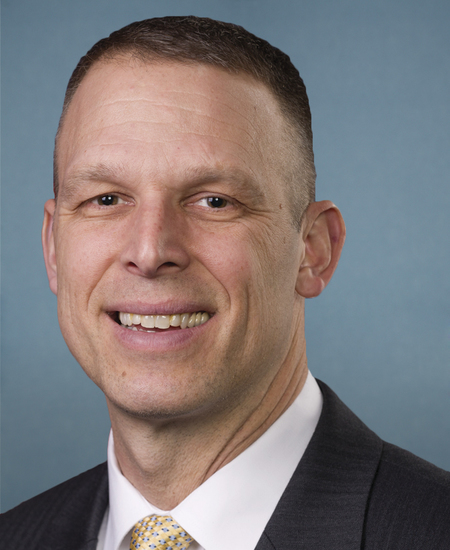
Scott Perry
90% support rate
Top opponent
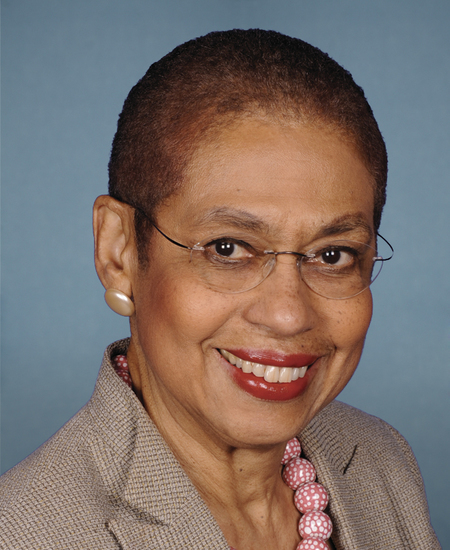
Eleanor Holmes Norton
0% support rate
Ranked legislators
10
5 support · 5 oppose
Key legislators

Who's moving appropriations in United States

Legislators moving appropriations in United States
Legislator Party Stance Support rate Votes
Scott Perry
Scott Perry House · District 10
R
Strong +
90% 40
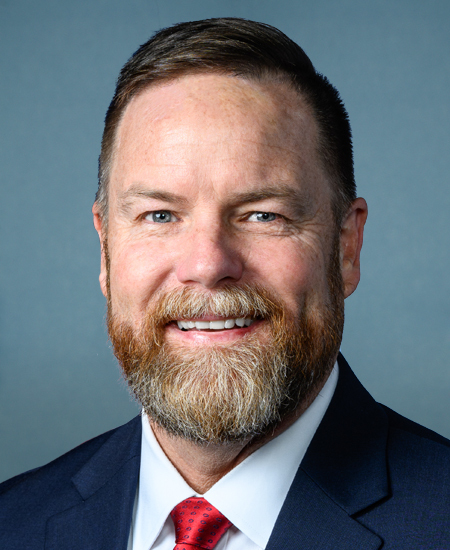
Aaron Bean
Aaron Bean House · District 4
R
Strong +
89% 46
Ben Cline
Ben Cline House · District 6
R
Strong +
89% 46
Diana Harshbarger
Diana Harshbarger House · District 1
R
Strong +
89% 46
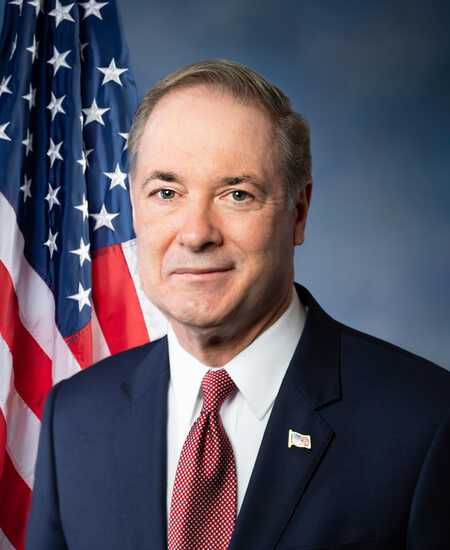
John Joyce
John Joyce House · District 13
R
Strong +
89% 46
Eleanor Holmes Norton
Eleanor Holmes Norton House · District At-Large
D
Strong −
0% 26
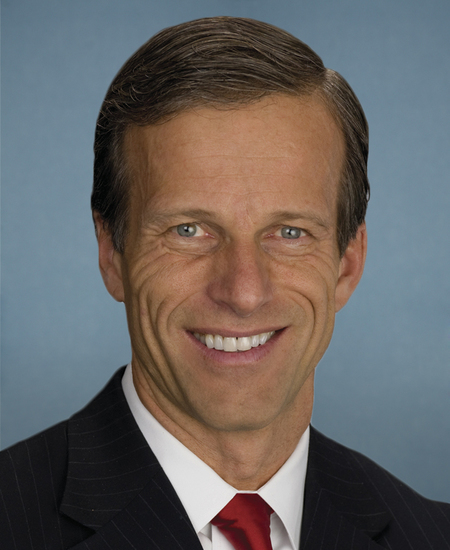
John Thune
John Thune Senate
R
Strong −
0% 10
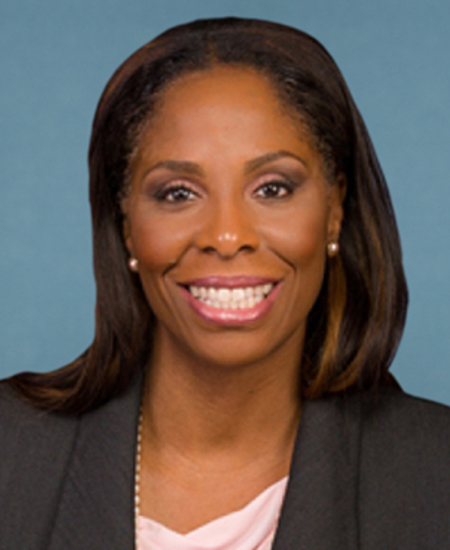
Stacey E. Plaskett
Stacey E. Plaskett House · District At-Large
D
Strong −
0% 4
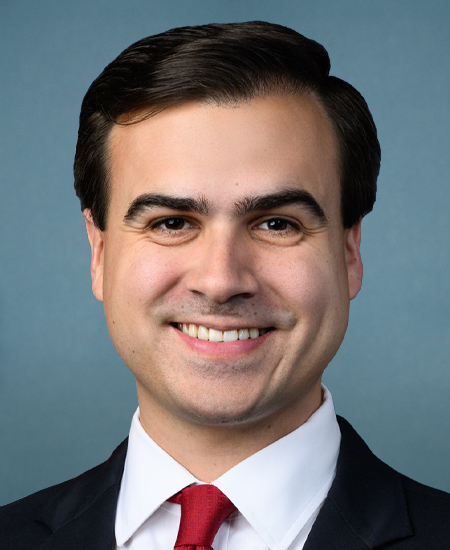
Pablo José Hernández
Pablo José Hernández House · District At-Large
D
Strong −
7% 28
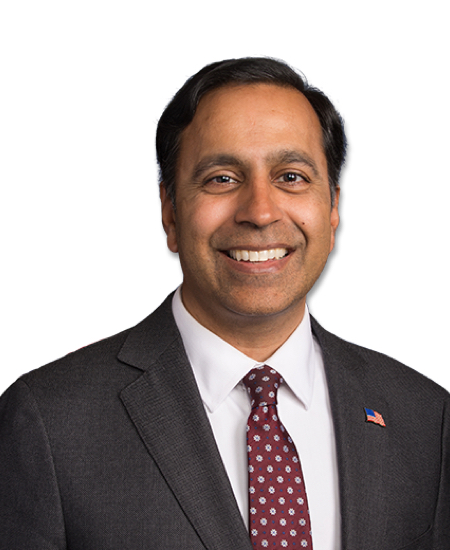
Raja Krishnamoorthi
Raja Krishnamoorthi House · District 8
D
Strong −
9% 45
Showing 131–140 of 148 bills

All budget & taxes bills

in committee · United States · Senate Oct 29, 2025

S 3071: Keep SNAP and WIC Funded Act of 2025

This bill ensures uninterrupted access to SNAP (food stamps) and WIC benefits during government funding gaps in fiscal year 2026. It authorizes the Treasury to provide emergency funds if Congress fails to pass full-year appropriations for the Department of Agriculture by September 30, 2025, covering all missed benefits retroactively from September 30, 2025. State agencies administering these programs would be reimbursed for costs incurred during the funding lapse. The funding automatically terminates once Congress passes 2026 appropriations or by September 30, 2026.
Sub-Topics Appropriations
in committee · United States · Senate Mar 11, 2025

S 936: WEST Act of 2025

This bill imposes a 6% annual tax on the total value of endowments exceeding $11.9 billion for most private universities (or $10.5 billion for state-operated colleges), effective for 2025 taxable years. It directly affects large non-religious private universities meeting these asset thresholds, excluding religious institutions and assets used for their core educational purposes. The tax applies to the end-of-year value of endowment assets not directly supporting the institution's exempt educational mission. This is a direct tax change with no mention of funding allocation or policy outcomes in the bill text.
in committee · United States · House Apr 7, 2025

HR 2666: CBO Scoring Accountability Act

HR 2666, the CBO Scoring Accountability Act, requires the Congressional Budget Office (CBO) to annually analyze and publicly report on the actual costs and revenue impacts of major federal legislation for the first 10 years after it becomes law. It mandates that the CBO compare actual spending/revenue results against prior estimates, and if discrepancies exceed 10% for costs or revenue, the CBO must explain the causes in a report to Congress. This applies to bills projected to affect at least 0.25% of U.S. GDP in spending or revenue (defined as "major legislation"), and federal agencies must provide data to support these analyses. The bill aims to improve transparency around budget estimates without altering legislative processes.
in committee · United States · Senate Jan 22, 2025

S 181: A bill to require agencies submit zero-based budgets.

S 181 requires most federal agencies to submit zero-based budgets every six years, analyzing current operations, exploring alternatives, and ranking programs by importance. These budgets must cover the next fiscal year and the following four years, submitted to the Office of Management and Budget and congressional budget committees. Agencies (excluding Defense and the National Nuclear Security Administration) must also recommend specific program cuts totaling at least a 2% reduction in non-defense discretionary spending from the prior year. The bill directly affects how federal agencies plan and justify their funding, aiming to improve budget efficiency through systematic review.
in committee · United States · Senate Nov 3, 2025

S 3094: Pay Our Capitol Police Act

This bill ensures Capitol Police officers, employees, and qualifying contractors receive regular pay during a government shutdown starting October 1, 2025. It appropriates funds to cover standard pay, benefits, and contractor support for work performed during the shutdown period, retroactively effective from September 30, 2025. Funds will be charged to future Capitol Police appropriations once regular funding is enacted or by September 30, 2026. The bill directly affects Capitol Police staff and contractors whose work continued during the shutdown, guaranteeing compensation without waiting for new budget bills.
Sub-Topics Appropriations
in committee · United States · House Jan 31, 2025

HR 829: Fighting Budget Waste Act

The Fighting Budget Waste Act requires the President and the Office of Management and Budget (OMB) to consider the most recent Government Accountability Office (GAO) report on reducing government waste when preparing the annual federal budget. Specifically, it mandates review of the GAO's findings about cutting fragmentation, duplication, and overlap in federal programs - such as the report titled *Additional Opportunities to Reduce Fragmentation, Overlap, and Duplication and Achieve Billions of Dollars in Financial Benefits* - to identify potential savings. The OMB must also submit a separate report to Congress detailing how it incorporated the GAO's recommendations into the budget submission. This law aims to make the budget process more transparent by formally integrating the GAO's waste-reduction analysis into federal fiscal planning.
in committee · United States · Senate Feb 3, 2025

S 360: A bill to provide for across-the-board rescissions of nonsecurity discretionary spending.

S 360 would automatically reduce nonsecurity federal spending by specific percentages each fiscal year: 1% for 2026, 2% for 2027, and 5% annually starting in 2028. It directly affects nonsecurity discretionary programs like education, transportation, and scientific research (excluding defense and intelligence), as defined by the bill. The reductions apply pro rata across all such programs funded through annual appropriations. The Office of Management and Budget must report these cuts to Congress annually after each fiscal year ends.
in committee · United States · Senate Oct 21, 2025

S 3025: Fund Farm Programs Act of 2025

This bill ensures uninterrupted support for farmers by providing emergency funding during government funding gaps. It authorizes the Treasury to cover Farm Service Agency (FSA) program costs - including farm loans - if Congress hasn’t passed full fiscal year 2026 appropriations by September 30, 2025. The funding also covers retroactive costs for services missed from September 30, 2025, through the bill’s enactment date. It ends automatically once regular appropriations for the Department of Agriculture are enacted. The bill directly affects farmers relying on FSA programs during fiscal year 2026 funding delays.
Sub-Topics Appropriations Tags Agriculture
in committee · United States · Senate Feb 27, 2025

S 810: No Cuts to Public Schools Act

The No Cuts to Public Schools Act (S 810) prevents funding reductions for specific federal education programs by requiring the government to provide additional funds to offset any shortfall compared to 2024 levels. It applies to critical programs like those under the Individuals with Disabilities Education Act and the Elementary and Secondary Education Act (including Title I, Title III, and other ESEA components). For fiscal years 2025-2027, if a program’s annual budget allocation falls below its 2024 funding level, the bill mandates an equal additional appropriation to restore the full amount. This ensures these programs maintain their 2024 funding levels without changing overall budget authority. The bill directly affects federal budget allocations for these education programs, protecting existing resources from cuts.
in committee · United States · House Jun 11, 2025

HR 3912: Stop the Baseline Bloat Act of 2025

HR 3912, the Stop the Baseline Bloat Act of 2025, changes how the federal budget baseline is calculated by excluding emergency funding and supplemental appropriations. This affects the annual budget process by removing these funds from the baseline figure used to measure spending limits under the Budget Control Act. The key provision amends the Balanced Budget and Emergency Deficit Control Act to specify that emergency requirements and supplemental funding are not counted in the baseline calculation. As a result, future budget targets will reflect only regular appropriations, not additional emergency or supplemental spending.
Showing 131 to 140 of 148 bills