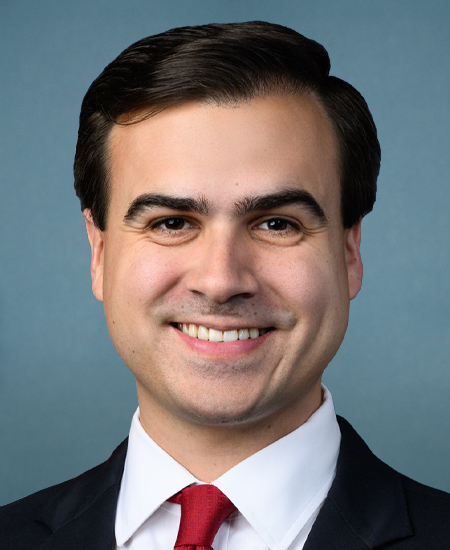
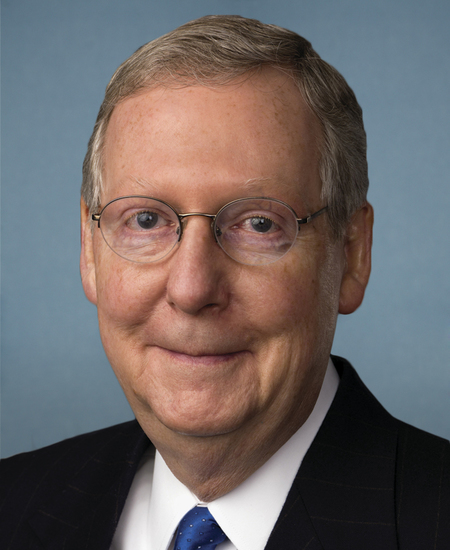
The Native American Housing Assistance and Self-Determination Modernization Act of 2026 reauthorizes federal housing assistance for Indian tribes and Native Hawaiians through fiscal year 2033 while expanding eligibility to include families with incomes up to 120 percent of the area median. The bill grants tribes greater autonomy by allowing them to set their own rent, procurement, and environmental review policies, and it streamlines regulatory processes by consolidating environmental reviews and exempting certain small-scale projects from specific federal requirements. Additionally, the legislation establishes new grant programs for homeless American Indians, Alaska Natives, and Native Hawaiians, creates a rental assistance program for homeless Indian veterans, and extends leasehold interests on trust lands to 99 years to improve financing options.
The FORK Act of 2026 creates a pilot program to provide grants for purchasing, retrofitting, or repairing vehicles used to deliver summer meals to children. These grants are intended for service institutions, such as schools or community organizations, and will prioritize applicants in areas with high poverty, outside major metropolitan regions, or serving many students from disadvantaged backgrounds. Each eligible recipient can receive up to $100,000 for a one-year term, with a limit of 10% of funds allowed for administrative costs. The program authorizes $1 million per year for fiscal years 2027 through 2029 and requires recipients to report on the number of sites served and children fed, with a final report due to Congress four years after the program begins.
The Cleaner Transportation Access for All Act extends federal tax credits for purchasing clean vehicles and installing charging equipment through 2031, while also allowing a higher credit amount for home charging installations. It establishes a new Joint Office of Energy and Transportation to coordinate federal efforts on electric vehicle infrastructure and creates an Electric Vehicle Commission to study industry needs and safety issues. The legislation authorizes billions in funding to expand charging networks, with specific requirements that states prioritize underserved communities and medium- and heavy-duty vehicles. Additionally, the bill mandates that electric vehicle charging stations be permitted on public curbsides and expands access to high-occupancy vehicle lanes for clean vehicles.
The FORK Act of 2026 creates a pilot program to provide grants for purchasing, retrofitting, or repairing vehicles used to deliver summer meals to children. These grants, totaling up to $100,000 per recipient, are intended for service institutions in areas with high poverty, outside major metropolitan regions, or serving many socially disadvantaged students. The program authorizes $1 million annually for fiscal years 2027 through 2029 and requires recipients to report on the number of sites and children served. Additionally, the bill mandates that grant recipients limit administrative expenses to 10% of the funds and directs the Secretary of Agriculture to submit a final report to Congress within four years of the program's start.
The TURBO Act expands tax-exempt financing options for specific transportation projects to encourage investment in urban transit and freight infrastructure. It directly affects state and local governments issuing bonds to fund these initiatives by raising the maximum borrowing limit for highway and freight transfer facilities from $30 billion to $45 billion. Additionally, the bill allows tax-exempt bonds to be used for purchasing rolling stock like trains and permits high-speed intercity rail projects to have a maximum speed limit of 110 miles per hour instead of 150. These changes apply to any bonds issued after the law is enacted.
The American Dream Accounts Act of 2026 creates a new type of tax-advantaged trust designed to help U.S. citizens save for purchasing their first home. This account allows individuals to contribute up to $7,500 annually, or $10,000 if they are over 35, with a lifetime limit of $250,000, and the funds must be managed by a bank or a qualified administrator. Money withdrawn from the account remains tax-free only if used to buy a first home, provided the buyer has not previously claimed this benefit and the home is kept for at least three years. The bill also permits rolling over distributions into other American Dream Accounts or Roth IRAs and imposes taxes on excess contributions or withdrawals used for non-qualified expenses.
The Veteran's Surviving Spouse Parity Act of 2026 expands eligibility for specific mortgage tax benefits to include spouses and surviving spouses of veterans who are legally treated as veterans themselves. This change allows these individuals to qualify for the three-year ownership look-back exception when purchasing qualified mortgage bonds or using mortgage credit certificates. To support this, the Department of the Treasury will work with the Department of Veterans Affairs to issue clear guidance on how to determine veteran status for these programs, including rules regarding remarriage. The new provisions will take effect for any bonds or certificates issued after December 31, 2026.
The ONSHORE Manufacturing Act creates three new tax credits to financially encourage the domestic production of essential medical supplies and equipment. The first credit provides a percentage of a company's taxable income based on wages paid to workers manufacturing specific drugs, devices, and ingredients listed as critical for national security or defense. The second and third credits offer tax breaks for businesses that purchase and install advanced machinery or environmental compliance equipment used to produce these same medical products within the United States. These incentives are designed to support companies that manufacture specified medical goods in whole or significant part domestically, with the benefits applying to taxable years beginning after December 31, 2026. Additionally, the bill requires several federal agencies to submit annual reports to Congress starting in 2027 to track how these credits affect supply chain resiliency and adherence to domestic procurement laws.
The Delivering Priority Legislation Act is a comprehensive bill that amends several existing federal laws to address a wide range of policy areas, including small business innovation, outdoor education, nuclear security, family leave, housing, and national security. It extends funding for small business research programs, reauthorizes the Every Kid Outdoors initiative, and establishes a new National Nuclear Forensics Center to combat nuclear terrorism. The legislation also modifies the Family and Medical Leave Act to allow more flexible leave schedules, creates a tax credit for purchasing hearing aids, and requires an intelligence report on artificial intelligence systems developed in China. Additionally, it adds a criminal penalty for using corporations to hide election contributions from foreign nationals and provides specific funding for various government agencies.
This bill appropriates funding for the Department of Defense for fiscal year 2027 to cover military personnel pay, operation and maintenance costs, procurement of weapons and equipment, and research and development activities. It directly affects active duty and reserve members of the Army, Navy, Marine Corps, Air Force, and Space Force, as well as their respective National Guard units, by providing specific dollar amounts for salaries, benefits, training, and the purchase of new hardware like ships, aircraft, and missiles. The legislation also includes numerous provisions that restrict how these funds can be used, such as prohibiting support for certain foreign entities, limiting the procurement of foreign-made steel and supercomputers, and banning the use of funds for specific research topics or social initiatives. Additionally, the bill contains a unique provision that amends federal law to rename the Department of Defense as the Department of War and the Secretary of Defense as the Secretary of War.
Topics
✓ Budget & TaxesSupports Budget & TaxesBill appropriates funding for Department of Defense operations, personnel, and procurement, directly supporting budget allocation for essential government services.95% confidence
✓ Labor & EmploymentSupports Labor & EmploymentBill appropriates funding for military personnel pay, salaries, and benefits, directly supporting worker compensation and employment standards.85% confidence
✓ VeteransSupports VeteransThe bill appropriates funding for the Department of Defense, which directly supports active duty and reserve members, including their salaries, benefits, and training, thereby advancing veteran-related services.85% confidence