Issue · Technology

Technology

Every technology bill, vote, and legislator stance in Texas, automatically classified by Maddy, our AI policy reader.

Total bills
267
119th Congress
Top supporter
Julie Johnson
84% support rate
Top opponent
Michael Cloud
18% support rate
Ranked legislators
10
5 support · 5 oppose
Key legislators

Who's moving technology in Texas

Legislators moving technology in Texas
Legislator Party Stance Support rate Votes
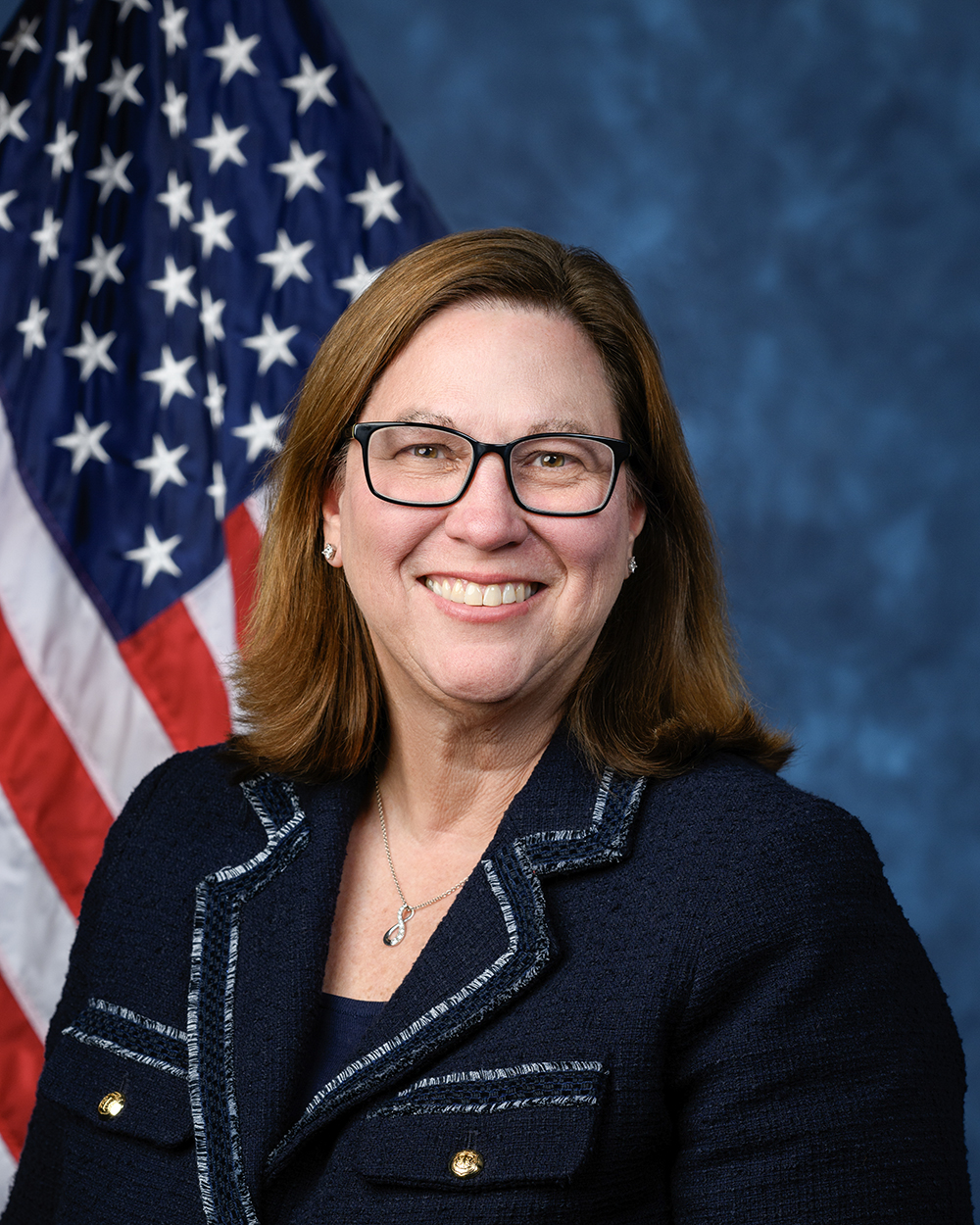
Julie Johnson
Julie Johnson House · District 32
D
Strong +
84% 257
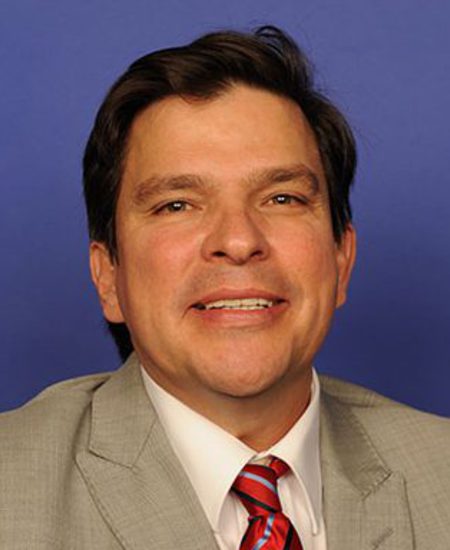
Vicente Gonzalez
Vicente Gonzalez House · District 34
D
Strong +
82% 252
Jasmine Crockett
Jasmine Crockett House · District 30
D
Support
79% 245
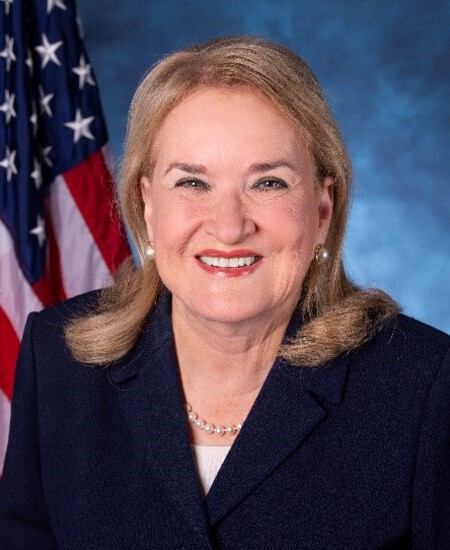
Sylvia R. Garcia
Sylvia R. Garcia House · District 29
D
Support
77% 251
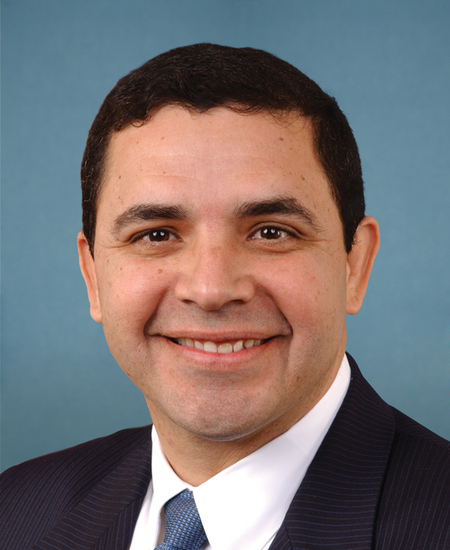
Henry Cuellar
Henry Cuellar House · District 28
D
Support
77% 258
Michael Cloud
Michael Cloud House · District 27
R
Strong −
18% 261
Chip Roy
Chip Roy House · District 21
R
Oppose
23% 258
Morgan Luttrell
Morgan Luttrell House · District 8
R
Oppose
27% 261
Ronny Jackson
Ronny Jackson House · District 13
R
Oppose
27% 255
Brandon Gill
Brandon Gill House · District 26
R
Oppose
29% 260
Showing 1–10 of 267 bills

All technology bills

in committee · United States · House Sep 10, 2026

HR 10329: Combating Foreign Threats to Main Street Act of 2026

The Combating Foreign Threats to Main Street Act of 2026 directs the Small Business Administration to create and distribute educational materials that help small businesses identify and protect against harmful activities by foreign adversaries. These materials must cover topics such as intellectual property theft, cybersecurity risks, forced labor in supply chains, and the dangers of specific commercial relationships with foreign-controlled entities. The bill requires the agency to review and update these resources annually starting in 2027 to ensure they reflect current threats and best practices. Additionally, if the agency determines that a specific activity poses a significant risk to national or economic security, it must notify the relevant congressional committees about the finding and its justification.
Sub-Topics Cybersecurity Tags Small Business
in committee · United States · House Sep 8, 2026

HR 10309: HOMEFRONT Act of 2026

The HOMEFRONT Act of 2026 prohibits U.S. courts from recognizing or enforcing foreign judgments based on censorship laws if the underlying conduct would be protected by the First Amendment in the United States. The bill places the burden of proof on the party seeking enforcement to demonstrate that the foreign court's jurisdiction and the specific judgment comply with U.S. constitutional standards and Section 230 of the Communications Act. It also bars federal, state, and local government officials from assisting foreign governments in enforcing such laws against U.S. persons and prevents the extradition of individuals for speech protected domestically. Additionally, the legislation grants affected individuals a private right of action to seek damages and requires the Attorney General to submit annual reports on foreign censorship impacts while directing the Federal Trade Commission to maintain a database of targeted speech instances.
in committee · United States · House Jul 9, 2026

HR 9619: People-First Chatbot Act

The People-First Chatbot Act imposes strict privacy and safety regulations on companies that create or distribute AI chatbots, requiring them to obtain explicit user consent before using personal data for training or advertising purposes. The bill mandates that providers clearly disclose when users are interacting with an AI rather than a human, prohibit the sale of chat logs, and limit data retention to five years unless required by law. Additionally, companies must conduct monthly risk assessments for potential harms such as emotional dependence or compulsive usage, with specific safeguards required to protect minors from features that could cause significant injury. Enforcement is handled by the Federal Trade Commission, while state attorneys general and private individuals are granted the right to file lawsuits against providers who violate these provisions.
in committee · United States · House Sep 2, 2026

HR 10238: Cybersecurity for Small Businesses Act of 2026

The Cybersecurity for Small Businesses Act of 2026 directs the Small Business Administration, in partnership with federal cybersecurity agencies, to create and distribute resources that help small businesses improve their digital security practices. The bill specifically requires the administration to provide guidance on federal cybersecurity compliance standards to small companies seeking government contracts or subcontracting opportunities. This information must be made available through small business development centers, district offices, and the agency's website. Additionally, the Office of Advocacy is required to submit an annual report to Congress detailing how many small businesses have contacted them regarding cybersecurity issues.
Sub-Topics Consumer Data Protection Cybersecurity Tags Small Business
in committee · United States · House Aug 4, 2026

HR 10040: No TSA Data for ICE Act

This bill, titled the No TSA Data for ICE Act, prohibits the Transportation Security Administration from sharing passenger data with U.S. Customs and Border Protection or U.S. Immigration and Customs Enforcement. It specifically bars these agencies from using TSA information or data from private brokers to perform immigration enforcement functions. Additionally, the legislation prevents the denial, suspension, or early termination of Trusted Traveler programs like PreCheck and Global Entry if an individual's participation in First Amendment-protected activities is the reason. The law defines the restricted data as personally identifiable information about flight passengers obtained from the TSA or private sector entities.
in committee · United States · House Jul 22, 2026

HR 9858: STRATA Act of 2026

The STRATA Act of 2026 establishes a new program within the Department of State to foster international partnerships focused on advancing critical minerals technologies, aiming to strengthen U.S. supply chains and national security. This initiative allows the Secretary of State to form alliances with allied and partner nations, universities, and private companies while explicitly prohibiting collaborations with designated countries of concern such as China and Russia. Key provisions include the creation of International Centers of Excellence for research and training, the development of a digital platform to connect stakeholders with funding opportunities, and the establishment of clear guidelines for intellectual property and data security within these partnerships. The program authorizes the use of specific funding sources to support joint projects in extraction, recycling, and manufacturing, with a requirement that all activities conclude within ten years of the bill's enactment.
in committee · United States · Senate Jul 23, 2026

S 5130: Human Dignity and Emerging Technologies Act

This bill creates the United States Commission on Human Dignity, an independent advisory group within the federal government tasked with examining the ethical and policy impacts of emerging technologies like artificial intelligence, robotics, and biotechnology. The 17-member commission will be appointed by the President, congressional leaders, and committee chairs, with a focus on selecting experts in ethics, law, and science to ensure diverse perspectives. Its primary duties include developing ethical guidelines, monitoring federal programs for threats to human dignity, holding public hearings, and issuing annual reports to Congress and the President. The commission is explicitly limited to an advisory role and cannot issue regulations or enforce laws, and it will receive $2 million annually starting in 2027 until it dissolves in October 2032.
in committee · United States · House Jul 23, 2026

HR 9922: AI Transparency in Elections Act of 2026

The AI Transparency in Elections Act of 2026 requires political advertisements containing content substantially generated by artificial intelligence to include clear and conspicuous disclaimers. These labels must appear on images, audio, and video ads that advocate for or against candidates, solicit contributions, or refer to candidates within 120 days of an election. The bill mandates that visual disclaimers be as large as the main text, while audio disclaimers must be spoken for at least four seconds at the beginning or end of the recording. Violations of these disclosure rules could result in civil money penalties of up to $50,000 per ad, and the Federal Election Commission is tasked with creating specific regulations to enforce the law.
Tags Artificial Intelligence
in committee · United States · Senate Jul 16, 2026

S 5024: Stop PRC Economic Espionage Act of 2026

The Stop PRC Economic Espionage Act of 2026 expands the definition of a foreign instrumentality under U.S. law to include entities domiciled in covered nations, in addition to those substantially owned by foreign governments. This change directly affects investigations into economic espionage by broadening the scope of organizations that can be legally classified as foreign agents for the purpose of criminal prosecution. By amending the United States Code, the bill ensures that companies based in specific foreign countries are treated with the same scrutiny as those owned by foreign governments when accused of stealing trade secrets. The provision relies on existing definitions of covered nations found in the National Defense Authorization Act to determine which countries are included in this expanded category.
in committee · United States · Senate Jun 18, 2026

S 4827: POWER ON Act of 2026

The POWER ON Act of 2026 extends the funding authorization for the Department of Energy's Grid Resilience and Innovation Partnerships program. Originally set to expire in 2026, the bill updates the timeline so that this funding will now run through 2031. This legislative change directly affects the Department of Energy and the private sector partners that receive grants to improve the reliability of the electric grid. By reauthorizing these specific provisions, the bill ensures continued financial support for projects aimed at strengthening the nation's power infrastructure without altering the program's existing scope or requirements.
Showing 1 to 10 of 267 bills
1 2 3 27 Next