

Issue · Healthcare
Healthcare (Mental Health)
Every healthcare bill, vote, and legislator stance in Tennessee, automatically classified by Maddy, our AI policy reader.
Total bills
74
114th Regular Session (2025-2026)
Top supporter
Shane Reeves
100% support rate
Top opponent
Bryan Terry
33% support rate
Ranked legislators
10
5 support · 5 oppose
Key legislators
Who's moving mental health in Tennessee
| Legislator | Party | Stance | Support rate | Decisive votes |
|---|---|---|---|---|

Shane Reeves
Senate · District 14
|
R |
Strong +
|
100% | 3 |

Lee Reeves
House · District 65
|
R |
Strong +
|
80% | 5 |
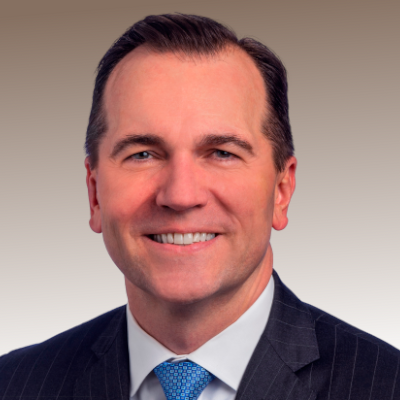
John Clemmons
House · District 55
|
D |
Support
|
67% | 6 |

Shaundelle Brooks
House · District 60
|
D |
Support
|
67% | 6 |
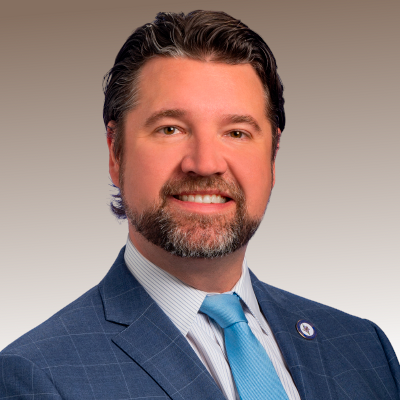
Andrew Farmer
House · District 17
|
R |
Support
|
67% | 3 |
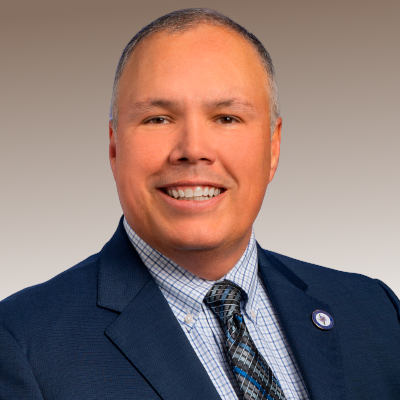
Bryan Terry
House · District 48
|
R |
Oppose
|
33% | 6 |
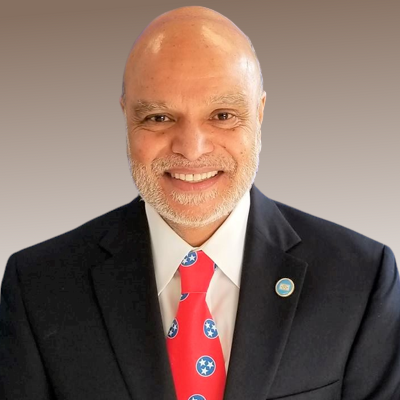
Doc Kumar
House · District 66
|
R |
Oppose
|
33% | 6 |

Esther Helton-Haynes
House · District 30
|
R |
Oppose
|
33% | 6 |

Iris Rudder
House · District 39
|
R |
Oppose
|
33% | 6 |

Michele Carringer
House · District 16
|
R |
Oppose
|
33% | 6 |
Showing 61–70 of 74
bills
All healthcare bills
SB 1200: Veterans Services, Dept. of - As introduced, allocates 1 percent of the revenue from sports gaming in this state to the department to be used to support veterans services in this state. - Amends TCA Title 4; Title 49; Title 58; Title 68 and Title 71.
Topics
✓ Budget & TaxesSupports Budget & TaxesRedirects 1% of sports gaming revenue to fund veterans services, supporting essential programs without tax increases or defunding.
✓ HealthcareSupports HealthcareAllocates sports gaming revenue to veterans services including counseling and support initiatives, directly funding mental health and healthcare programs for veterans.
✓ HousingSupports HousingBill explicitly allocates sports gaming revenue for veterans' housing assistance, directly funding a housing program as part of veterans services.
✓ VeteransSupports VeteransAllocates 1% of sports gaming revenue to fund veterans services including counseling and housing assistance, directly advancing state veterans programs.
SB 1199: Mental Health & Substance Abuse Services, Dept. of - As introduced, adds legislative librarian to the list the department of mental health and substance abuse services must submit its quarterly report to on the implementation and impact of available suitable accommodations, including the number and length of any delayed admissions, in state-owned or -operated hospitals or treatment resources. - Amends TCA Title 4; Title 16; Title 17; Title 18; Title 20; Title 21; Title 24; Title 29; Title 30; Title 32; Title 33; Title 34; Title 36; Title 37; Title 39; Title 40; Title 49; Title 63; Title 68 and Title 71.
HB 68: Education, Dept. of - As introduced, changes the date, from October 15 to October 1, by which the department must notify local education agencies (LEAs) of all state and federal grants available to assist the LEA in expanding mental health services and resources in schools. - Amends TCA Title 49.
Topics
✓ EducationSupports EducationMoves grant notification deadline earlier (Oct 1 vs Oct 15), enabling schools to access mental health funding faster for expanded services, directly advancing educational support.
✓ HealthcareSupports HealthcareBill accelerates grant notification timeline (Oct 1 vs Oct 15) for school mental health services, enabling earlier access to existing funding to expand care.
SB 437: Insurance, Health, Accident - As enacted, revises certain protocols for mental health and substance abuse services. - Amends TCA Title 56 and Title 71.
SB 613: Expunction - As introduced, allows an eligible petitioner to have the records of a conviction for driving under the influence of an intoxicant expunged if the person has no other criminal convictions and 20 years have elapsed since the completion of the sentence imposed; requires the petitioner to pay an additional $50.00 fee to be used by the county for certain alcohol, drug, and mental health treatment purposes. - Amends TCA Title 40, Chapter 32 and Title 55, Chapter 10, Part 4.
Topics
✓ Criminal JusticeSupports Criminal JusticeBill enables expungement of DUI records after 20 years, reducing barriers to reintegration, and directs $50 fees to alcohol/drug treatment programs - core criminal justice reform elements.
✓ HealthcareSupports HealthcareBill directs $50 expungement fees to county alcohol, drug, and mental health treatment programs, explicitly funding healthcare services.
Sub-Topics
Mental Health
HB 617: Education - As introduced, designates October as "Fentanyl Poisoning Awareness Month" in all public schools; requires local education agencies and public charter schools to provide age-appropriate, research-based instruction related to fentanyl abuse prevention and drug poisoning awareness to students in grades six through 12. - Amends TCA Title 15 and Title 49.
Topics
✓ EducationSupports EducationMandates K-12 curriculum on fentanyl prevention, advancing student health education programs through required instruction.
✓ HealthcareSupports HealthcareMandates school-based fentanyl abuse prevention and suicide awareness education, directly advancing public health initiatives and substance use prevention under healthcare policy.
Sub-Topics
Mental Health
HB 954: Law Enforcement - As introduced, requires each law enforcement agency to develop and implement an alternative crisis response unit; requires the Tennessee peace officer standards and training commission to establish uniform training standards for alternative crisis response units in all law enforcement agencies. - Amends TCA Title 33 and Title 38.
Topics
✓ Criminal JusticeSupports Criminal JusticeRequires mental health professionals in crisis response units, reducing police involvement in non-violent mental health emergencies - aligns with criminal justice reform goals.
✓ HealthcareSupports HealthcareMandates mental health professionals in crisis response units, directly supporting mental health services by improving emergency care access and integration with law enforcement.