

Issue · Environment
Environment
Every environment bill, vote, and legislator stance in Tennessee, automatically classified by Maddy, our AI policy reader.
Total bills
102
114th Regular Session (2025-2026)
Top supporter
Jeff Yarbro
100% support rate
Top opponent
Steve Southerland
0% support rate
Ranked legislators
10
5 support · 5 oppose
Key legislators
Who's moving environment in Tennessee
| Legislator | Party | Stance | Support rate | Votes |
|---|---|---|---|---|
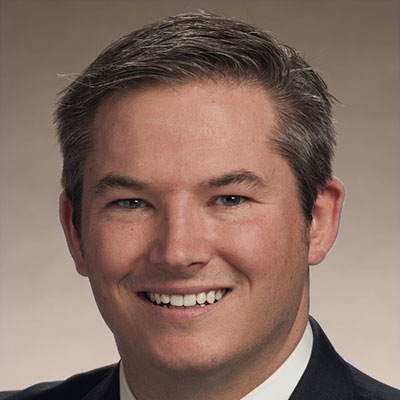
Jeff Yarbro
Senate · District 21
|
D |
Strong +
|
100% | 12 |

London Lamar
Senate · District 33
|
D |
Strong +
|
91% | 15 |

Raumesh Akbari
Senate · District 29
|
D |
Strong +
|
89% | 13 |

Charlane Oliver
Senate · District 19
|
D |
Strong +
|
88% | 22 |

Sara Kyle
Senate · District 30
|
D |
Strong +
|
88% | 13 |

Steve Southerland
Senate · District 9
|
R |
Strong −
|
0% | 13 |
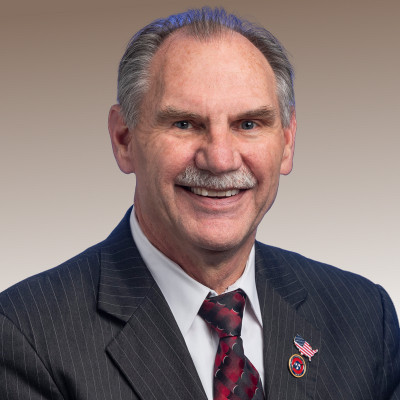
Mark Pody
Senate · District 17
|
R |
Strong −
|
7% | 19 |
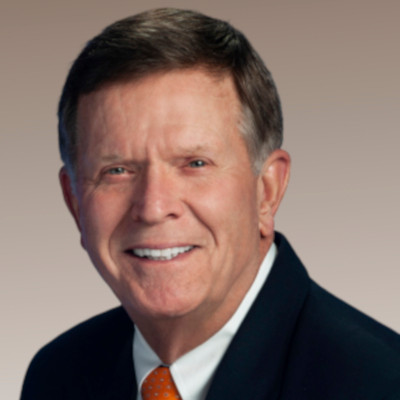
Paul Rose
Senate · District 32
|
R |
Strong −
|
8% | 17 |
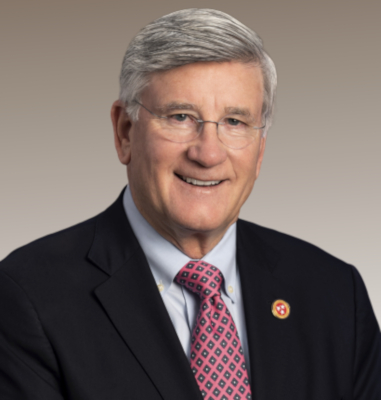
Todd Gardenhire
Senate · District 10
|
R |
Strong −
|
9% | 15 |
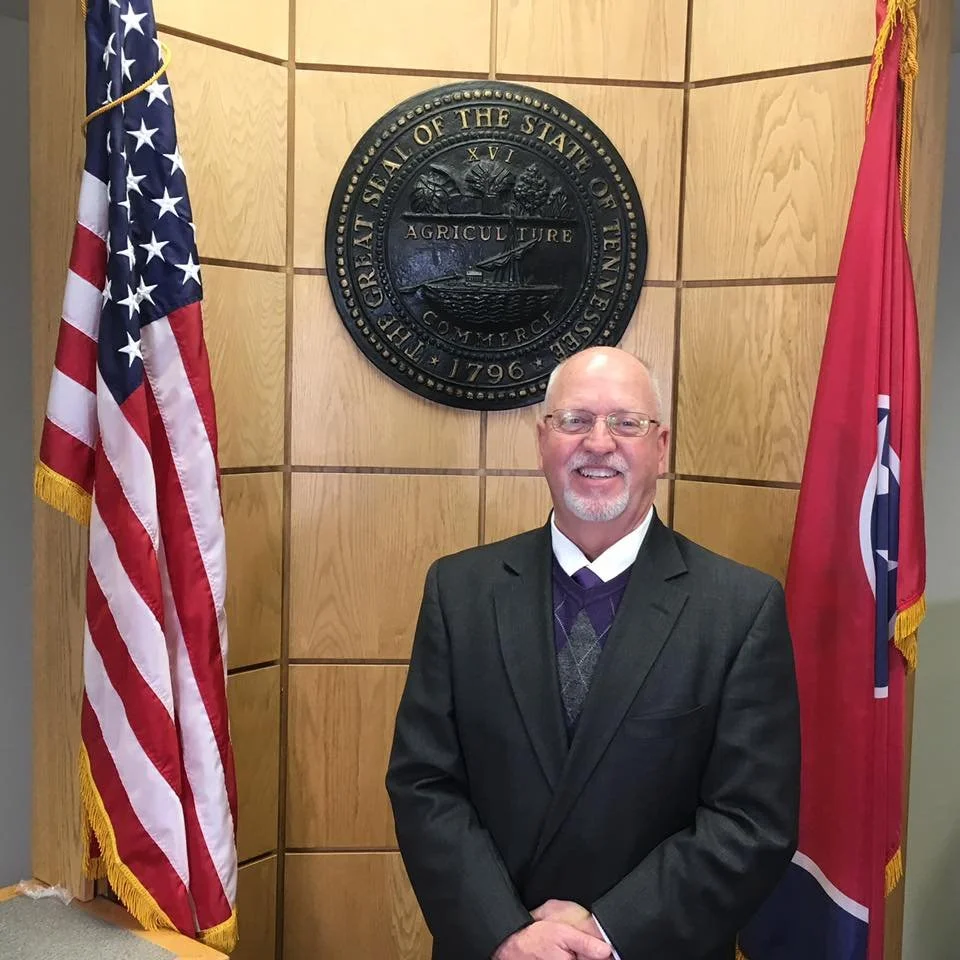
Tom Hatcher
Senate · District 2
|
R |
Strong −
|
10% | 12 |
Showing 71–80 of 102
bills
All environment bills
HB 1112: Air Pollution - As introduced, designates the intentional injection, release, or dispersion, by any means, of chemicals, chemical compounds, substances, or apparatus within the borders of this state into the atmosphere with the express purpose of affecting temperature, weather, or the intensity of the sunlight, or supplying or otherwise providing the chemicals, chemical compounds, substances, or apparatus required for the conduct, as a Class A misdemeanor; makes other changes related to investigations and enforcement related to weather modification. - Amends TCA Title 58, Chapter 2 and Title 68, Chapter 201.
Sub-Topics
Air Quality
HB 1139: Water - As enacted, clarifies that if a point-of-entry treatment device is installed in a facility solely to soften hard water and, because of the installation of such a device, the house, building, or complex of buildings meets the definition of a public water system under the Tennessee Safe Drinking Water Act of 1983, then the facility constitutes a consecutive system, and is required to monitor the influent and finished water for hardness, alkalinity, and pH on a quarterly basis, and sodium on an annual basis, and report the results to the department of environment and conservation within 15 days of the end of the reporting period. - Amends TCA Title 68.
Topics
✓ EnvironmentSupports EnvironmentMandates quarterly/annual water quality testing (hardness, alkalinity, pH, sodium) and reporting for facilities meeting public water system standards, strengthening environmental monitoring under Safe Drinking Water Act.
✓ HealthcareSupports HealthcareBill mandates water quality monitoring under Safe Drinking Water Act, supporting public health programs within healthcare topic.
HB 149: Energy - As introduced, establishes a regulatory framework for solar energy facilities in this state. - Amends TCA Title 5; Title 6; Title 7, Chapter 51 and Title 65, Chapter 17.
Topics
✓ EnergySupports EnergyEstablishes regulatory framework for solar energy facilities, enabling development by defining rules, excluding small systems, and updating codes to support solar infrastructure deployment.
✓ EnvironmentSupports EnvironmentEstablishes regulatory framework for solar energy facilities, promoting clean energy adoption and aligning with environmental protection goals by clarifying rules for solar development.
SB 574: Taxes, Privilege - As introduced, reduces the rate of tax on bottled soft drinks and barrels of beer; changes the distribution of the revenue from such taxes; provides for the eventual repeal of such taxes. - Amends TCA Title 57, Chapter 5 and Title 67, Chapter 4.
Topics
✓ Budget & TaxesSupports Budget & TaxesReduces beer/soft drink tax rates and allocates revenue to litter prevention/recycling programs, providing tax relief and funding public services.
✓ EnvironmentSupports EnvironmentAllocates 50% of soft drink tax revenue to highway litter prevention and 40% to recycling grants for aluminum/plastic, directly funding pollution control and conservation efforts.
✓ TransportationSupports TransportationBill allocates 50% of soft drink tax revenue to highway litter prevention programs, directly funding transportation infrastructure maintenance.
SB 438: Solid Waste Disposal - As enacted, creates the advisory task force on solid waste to examine and review issues related to solid waste; authorizes the department of environment and conservation to accept voluntary contributions, and to apply for grants, from private companies for grants for recycling infrastructure, recycling projects, and composting. - Amends TCA Title 4; Title 5; Title 6; Title 7; Title 8; Title 11; Title 13; Title 20; Title 28; Title 39; Title 49; Title 54; Title 55; Title 59; Title 62; Title 64; Title 65; Title 66; Title 67; Title 68 and Title 69.
SB 132: Energy - As introduced, establishes a regulatory framework for solar energy facilities in this state. - Amends TCA Title 5; Title 6; Title 7, Chapter 51 and Title 65, Chapter 17.
Topics
✓ EnergySupports EnergyEstablishes regulatory framework for commercial solar facilities, enabling renewable energy infrastructure development while exempting pre-2025 projects and allowing local siting rules.
✓ EnvironmentSupports EnvironmentBill establishes regulatory framework for commercial solar energy (clean energy), promoting renewable infrastructure and reducing fossil fuel reliance, aligning with environmental protection goals.
Sub-Topics
Solar
HB 1397: Environment and Conservation, Department of - As introduced, requires the department to create and maintain an informational tool on the department's website that provides data related to the presence of facilities that are required to submit toxic release inventory data to the environmental protection agency. - Amends TCA Title 4; Title 59; Title 60; Title 68 and Title 69.
Sub-Topics
Conservation
SB 702: Environmental Preservation - As introduced, enacts the "Climate Resiliency Fund Act." - Amends TCA Title 4, Chapter 3, Part 5; Title 9; Title 60; Title 67 and Title 68.
Topics
✓ Budget & TaxesSupports Budget & TaxesImposes emissions-based fees on fossil fuel businesses to fund climate projects, creating new state revenue for budget allocation and climate adaptation programs.
✓ EnvironmentSupports EnvironmentCreates Climate Resiliency Fund financed by fossil fuel emissions fees to fund climate adaptation projects prioritizing environmental justice communities.
HB 521: Taxes, Privilege - As introduced, reduces the rate of tax on bottled soft drinks and barrels of beer; changes the distribution of the revenue from such taxes; provides for the eventual repeal of such taxes. - Amends TCA Title 57, Chapter 5 and Title 67, Chapter 4.
Topics
✓ Budget & TaxesSupports Budget & TaxesBill reduces tax rates on beer and soft drinks (tax relief) and redirects revenue to public programs, aligning with tax relief indicators.
✓ EnvironmentSupports EnvironmentRedirects beer and soft drink tax revenue to recycling grants and highway litter prevention programs, directly funding environmental initiatives.
✓ TransportationSupports TransportationRedirects 50% of beer tax revenue to highway litter prevention programs, directly funding transportation infrastructure maintenance and protection.