

Issue · Environment
Environment
Every environment bill, vote, and legislator stance in Tennessee, automatically classified by Maddy, our AI policy reader.
Total bills
102
114th Regular Session (2025-2026)
Top supporter
Jeff Yarbro
100% support rate
Top opponent
Steve Southerland
0% support rate
Ranked legislators
10
5 support · 5 oppose
Key legislators
Who's moving environment in Tennessee
| Legislator | Party | Stance | Support rate | Votes |
|---|---|---|---|---|
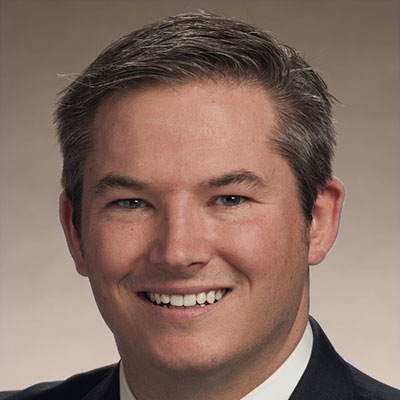
Jeff Yarbro
Senate · District 21
|
D |
Strong +
|
100% | 12 |

London Lamar
Senate · District 33
|
D |
Strong +
|
91% | 15 |

Raumesh Akbari
Senate · District 29
|
D |
Strong +
|
89% | 13 |

Charlane Oliver
Senate · District 19
|
D |
Strong +
|
88% | 22 |

Sara Kyle
Senate · District 30
|
D |
Strong +
|
88% | 13 |

Steve Southerland
Senate · District 9
|
R |
Strong −
|
0% | 13 |

Mark Pody
Senate · District 17
|
R |
Strong −
|
7% | 19 |

Paul Rose
Senate · District 32
|
R |
Strong −
|
8% | 17 |
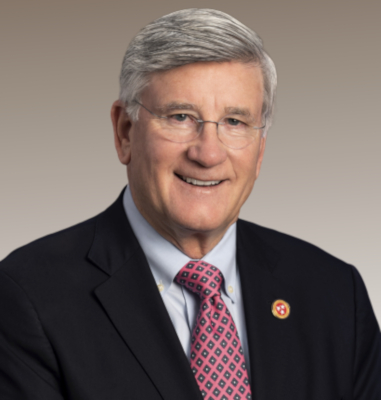
Todd Gardenhire
Senate · District 10
|
R |
Strong −
|
9% | 15 |
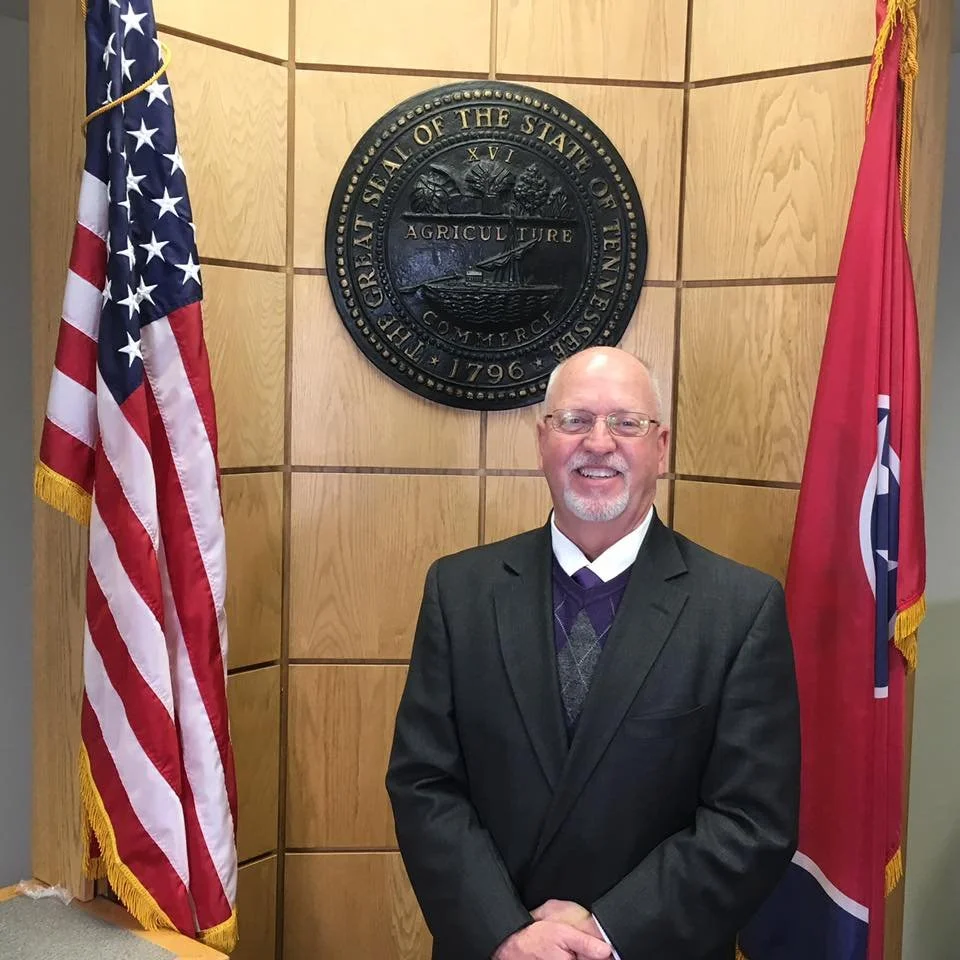
Tom Hatcher
Senate · District 2
|
R |
Strong −
|
10% | 12 |
Showing 61–70 of 102
bills
All environment bills
HB 1325: Agriculture, Dept. of - As enacted, establishes a fund for the development and implementation of programs that benefit Tennesseans by preserving farmland and forestland, including a grant program for conservation easements. - Amends TCA Title 43, Chapter 1, Part 1.
Topics
✓ Budget & TaxesSupports Budget & TaxesCreates dedicated state fund within general fund for farmland conservation grants, increasing budget allocation for agricultural preservation programs.
✓ EnvironmentSupports EnvironmentEstablishes Tennessee's Farmland Preservation Fund for conservation easements to protect farmland/forestland, directly conserving natural resources through dedicated grants and permanent land preservation requirements.
HJR 171: General Assembly, Confirmation of Appointment - Michael Bittel, Heritage Conservation Trust Fund Board of Trustees -
Sub-Topics
Conservation
SB 51: Sunset Laws - As enacted, extends the air pollution control board to June 30, 2031. - Amends TCA Title 4, Chapter 29 and Title 68, Chapter 201, Part 1.
Sub-Topics
Air Quality
HB 586: Taxes, Privilege - As introduced, increases from 2.4 to 5 percent, the amount of realty transfer tax and mortgage tax collections retained as commission by county registers for collecting and reporting those taxes; requires 50 percent of such collections to be deposited in the county general fund; allocates the remaining balance to the wetland acquisition fund, local parks land acquisition fund, state lands acquisition fund, agricultural resources conservation fund, and state general fund. - Amends TCA Section 67-4-409.
Topics
✓ Budget & TaxesSupports Budget & TaxesIncreases county tax collection retention, mandates 50% to county general fund, allocates remaining to state programs including conservation and parks. Directly funds government budgets and programs.
✓ EnvironmentSupports EnvironmentAllocates funds to wetland acquisition, agricultural conservation, and state lands programs, directly funding environmental protection initiatives per bill's specific fund allocations.
SB 1274: Environment and Conservation, Department of - As enacted, makes various changes related to fees set by the department for environmental regulatory programs; makes changes to the regulation of coal combustion residuals disposal units. - Amends TCA Title 68, Chapter 203, Part 1 and Title 68, Chapter 211, Part 1.
HB 667: Solid Waste Disposal - As enacted, creates the advisory task force on solid waste to examine and review issues related to solid waste; authorizes the department of environment and conservation to accept voluntary contributions, and to apply for grants, from private companies for grants for recycling infrastructure, recycling projects, and composting. - Amends TCA Title 4; Title 5; Title 6; Title 7; Title 8; Title 11; Title 13; Title 20; Title 28; Title 39; Title 49; Title 54; Title 55; Title 59; Title 62; Title 64; Title 65; Title 66; Title 67; Title 68 and Title 69.
SB 1206: Environmental Preservation - As introduced, creates a grant program to facilitate green spaces in urban areas; authorizes the technical secretary of the air pollution control board to establish a program to encourage community-led programs that reduce air pollution. - Amends TCA Title 4, Chapter 3, Part 5; Title 5; Title 6; Title 7; Title 11; Title 43, Chapter 24 and Title 68, Chapter 201.
HB 402: Taxes, Exemption and Credits - As introduced, creates tax exemption for portions of property that provide tree canopy cover in counties whose local governing bodies elect to create the exemption. - Amends TCA Title 5; Title 6 and Title 67, Chapter 5.
Topics
✓ Budget & TaxesSupports Budget & TaxesBill creates property tax exemption for tree canopy areas, providing targeted tax relief to qualifying property owners, aligning with tax relief indicators.
✓ EnvironmentSupports EnvironmentTax exemption for tree canopy coverage incentivizes urban forestry and carbon sequestration, directly supporting environmental conservation and pollution control through natural infrastructure.
SB 1246: Energy - As introduced, enacts the "Clean Energy and Jobs Act"; creates the Clean Energy Workforce Training Grant Fund; establishes a tax credit for certain systems, methods, improvements, structures, devices, or appliances used by renewable energy businesses, and small businesses to implement or improve the business's sustainable practices. - Amends TCA Title 4, Chapter 3, Part 5 and Title 67.
Topics
✓ Budget & TaxesSupports Budget & TaxesCreates 30% tax credit for renewable energy/small businesses and funds clean energy workforce training, providing tax relief and new budget allocation.
✓ EnergySupports EnergyCreates Clean Energy Workforce Training Fund and 30% tax credit for renewable energy businesses, directly advancing clean energy adoption and job creation.
✓ EnvironmentSupports EnvironmentCreates Clean Energy Workforce Training Fund and 30% tax credit for renewable energy businesses to promote clean energy adoption and sustainable practices
✓ Labor & EmploymentSupports Labor & EmploymentCreates Clean Energy Workforce Training Fund for job training in renewable energy fields, directly funding employment development in emerging sectors.
Sub-Topics
Sales Tax
Tax Credits
Renewable Energy
Solar
Conservation
Recycling
Workforce Development