

Issue · Environment
Environment
Every environment bill, vote, and legislator stance in Tennessee, automatically classified by Maddy, our AI policy reader.
Total bills
102
114th Regular Session (2025-2026)
Top supporter
Jeff Yarbro
100% support rate
Top opponent
Steve Southerland
0% support rate
Ranked legislators
10
5 support · 5 oppose
Key legislators
Who's moving environment in Tennessee
| Legislator | Party | Stance | Support rate | Votes |
|---|---|---|---|---|
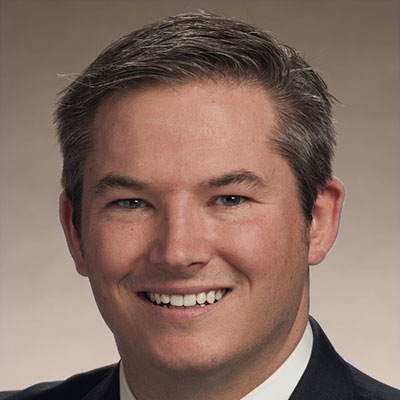
Jeff Yarbro
Senate · District 21
|
D |
Strong +
|
100% | 12 |

London Lamar
Senate · District 33
|
D |
Strong +
|
91% | 15 |

Raumesh Akbari
Senate · District 29
|
D |
Strong +
|
89% | 13 |

Charlane Oliver
Senate · District 19
|
D |
Strong +
|
88% | 22 |

Sara Kyle
Senate · District 30
|
D |
Strong +
|
88% | 13 |

Steve Southerland
Senate · District 9
|
R |
Strong −
|
0% | 13 |

Mark Pody
Senate · District 17
|
R |
Strong −
|
7% | 19 |

Paul Rose
Senate · District 32
|
R |
Strong −
|
8% | 17 |
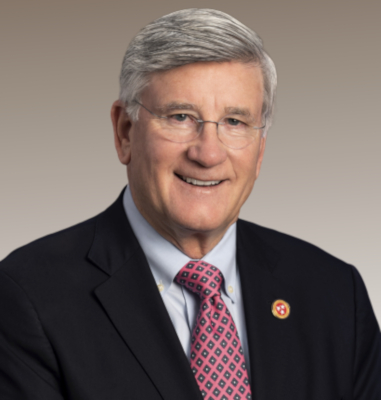
Todd Gardenhire
Senate · District 10
|
R |
Strong −
|
9% | 15 |
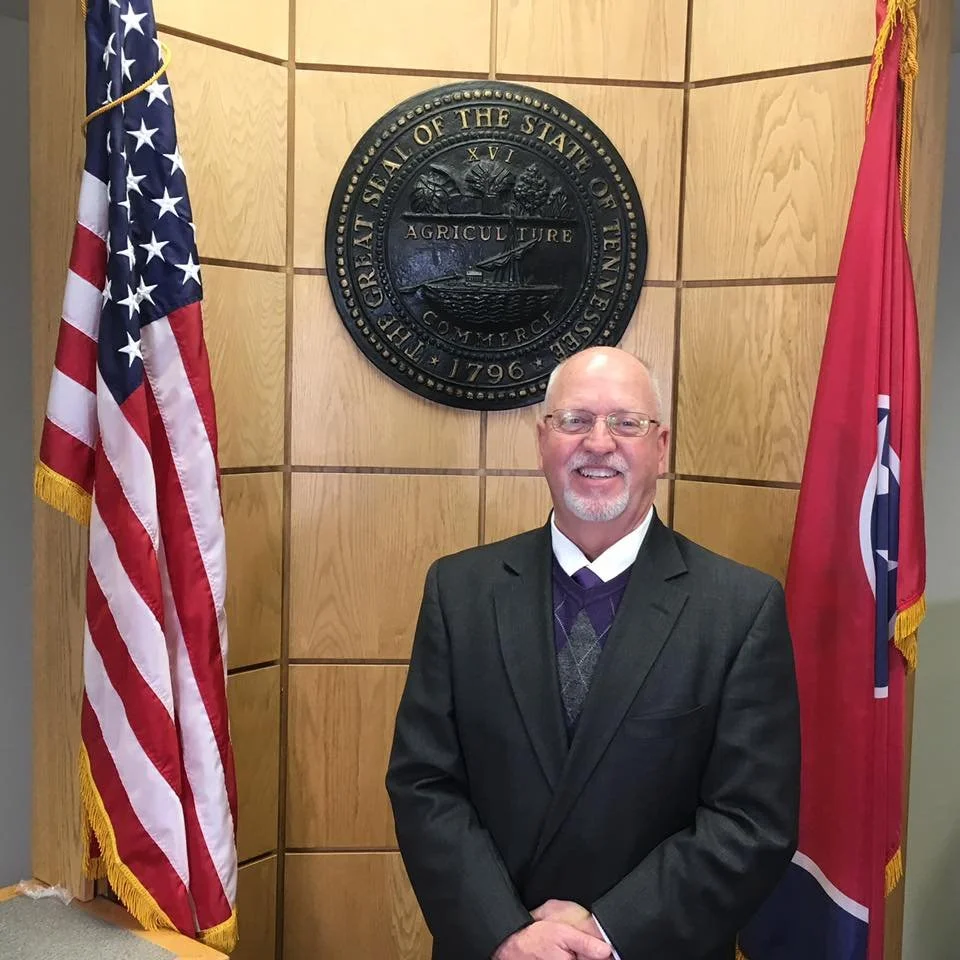
Tom Hatcher
Senate · District 2
|
R |
Strong −
|
10% | 12 |
Showing 31–40 of 102
bills
All environment bills
HB 1746: Food and Food Products - As introduced, prohibits the sale, delivery for sale, holding for sale, or offering for sale of food that contains forever chemicals, unless the food is labeled as containing forever chemicals and discloses the known or possible health effects of the chemical; defines forever chemicals as per- and polyfluoroalkyl substances (PFAS). - Amends TCA Title 47, Chapter 18 and Title 53.
Sub-Topics
Drinking Water
SB 2006: Sewage - As introduced, increases, from a Class C to Class B misdemeanor, the classification of offenses involving unlawful disposal of sewage if the person commits the offense while engaged in the business of removing accumulated wastes from subsurface sewage disposal systems. - Amends TCA Title 39 and Title 68, Chapter 221.
SB 1818: Food and Food Products - As introduced, prohibits the sale, delivery for sale, holding for sale, or offering for sale of food that contains forever chemicals, unless the food is labeled as containing forever chemicals and discloses the known or possible health effects of the chemical; defines forever chemicals as per- and polyfluoroalkyl substances (PFAS). - Amends TCA Title 47, Chapter 18 and Title 53.
Sub-Topics
Drinking Water
SB 1824: Taxes, Real Property - As introduced, eliminates liability for rollback taxes on agricultural, forest, or open space land with a greenbelt classification when the land is sold; requires that a buyer of property with a greenbelt classification submit a new application to renew the property's greenbelt classification. - Amends TCA Section 11-14-307; Section 11-14-406; Section 11-7-109; Title 66; Section 67-4-409; Title 67, Chapter 5, Part 10 and Section 67-5-2402.
Topics
✓ Budget & TaxesSupports Budget & TaxesEliminates rollback tax liability for sellers of greenbelt land, providing tax relief for agricultural landowners.
✓ EnvironmentSupports EnvironmentMaintains tax incentives for conservation land (agricultural/forest/open space), preventing development by removing seller rollback tax liability and requiring buyer renewal of greenbelt status.
SB 1832: Computers and Electronic Processing - As introduced, requires high performance computing (HPC) facility operators to devote 50 percent of the computing and data processing output of the facility for a public benefit; requires HPC facility operators to produce an annual report of the facility's energy consumption and carbon footprint; requires such operators to conduct an annual internal compliance audit and submit to an audit upon request by certain governmental entities. - Amends TCA Title 4; Title 8 and Title 68.
SB 1999: Energy - As introduced, enacts the "Data Center, Artificial Intelligence, and Clean Transition Tariff Accountability Act." - Amends TCA Title 7 and Title 65.
Topics
✓ Budget & TaxesSupports Budget & TaxesBill imposes targeted tariff on large energy users to fund clean grid infrastructure, preventing residential/small business rate hikes, promoting fiscal responsibility in budget allocation.
✓ EnergySupports EnergyRequires large energy users to fund clean energy infrastructure via CTT, preventing residential rate hikes; directly advances clean energy investment as per bill summary.
✓ EnvironmentSupports EnvironmentRequires large data centers/AI facilities to fund clean energy infrastructure via CTT, directly promoting environmental protection through clean energy investment and grid upgrades.
HB 1724: Water Pollution - As introduced, requires local approval of a tipping fee for application of sludge from water treatment plants onto agricultural lands, with proceeds earmarked for water treatment facilities, as a condition of such applications continuing in a locality; places a moratorium on certain permits in jurisdictions that do not provide such local approval. - Amends TCA Section 1-3-105; Title 5; Title 6; Title 7; Title 13, Chapter 7; Title 43; Title 68 and Title 69.
Topics
✓ Budget & TaxesSupports Budget & TaxesBill establishes tipping fee revenue earmarked for wastewater infrastructure funding, directly advancing public service investment per budget/tax indicators.
✓ EnvironmentSupports EnvironmentMandates local approval for sludge application, funds water treatment infrastructure via tipping fee, and enforces moratorium to prevent pollution from improper sludge disposal.
SB 2008: Environment and Conservation, Department of - As introduced, enacts the "Climate Resiliency Fund Act." - Amends TCA Title 4, Chapter 3, Part 5; Title 9; Title 60; Title 67 and Title 68.
Topics
✓ Budget & TaxesSupports Budget & TaxesBill imposes cost recovery charges on fossil fuel businesses to fund climate adaptation projects, creating a dedicated budget stream for essential environmental services.
✓ EnergySupports EnergyRequires fossil fuel businesses to fund climate adaptation projects including infrastructure upgrades, aligning with clean energy infrastructure investment and reducing fossil fuel reliance.
✓ EnvironmentSupports EnvironmentEstablishes Climate Resiliency Fund financed by fossil fuel businesses to fund climate adaptation projects like flood protection and nature-based solutions, directly advancing environmental protection and climate resilience.
✓ HealthcareSupports HealthcareBill explicitly funds healthcare programs addressing climate impacts like extreme weather and heat waves, aligning with healthcare funding indicators.
Sub-Topics
Coal
Oil & Gas
Coastal & Flood Protection
Conservation
Environmental Justice
Substance Abuse