Issue · Environment

Environment

Every environment bill, vote, and legislator stance in Tennessee, automatically classified by Maddy, our AI policy reader.

Total bills
99
119th Congress
Top supporter
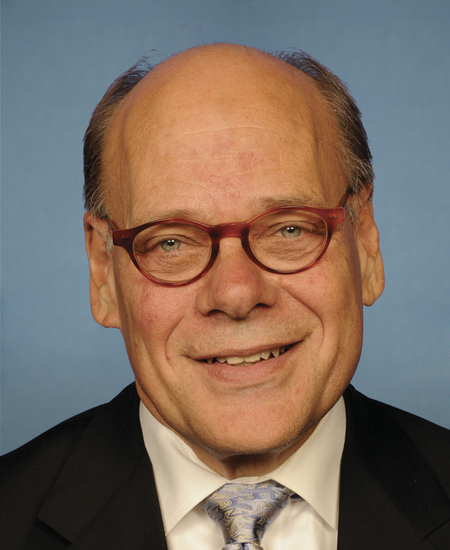
Steve Cohen
62% support rate
Top opponent
Marsha Blackburn
11% support rate
Ranked legislators
6
1 support · 5 oppose
Key legislators

Who's moving environment in Tennessee

Legislators moving environment in Tennessee
Legislator Party Stance Support rate Votes
Steve Cohen
Steve Cohen House · District 9
D
Support
62% 294
Marsha Blackburn
Marsha Blackburn Senate
R
Strong −
11% 211
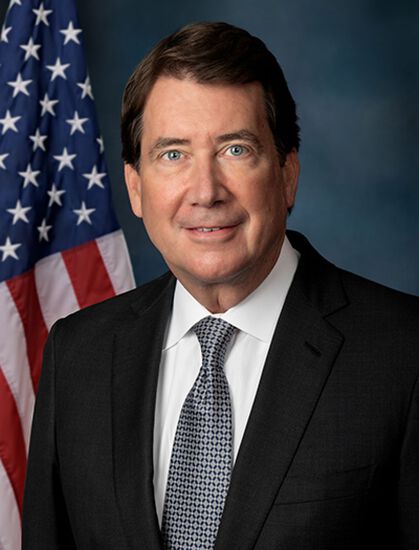
Bill Hagerty
Bill Hagerty Senate
R
Oppose
24% 230
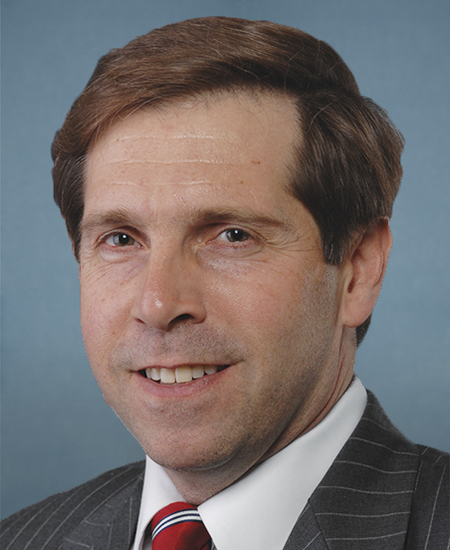
Charles J. "Chuck" Fleischmann
Charles J. "Chuck" Fleischmann House · District 3
R
Oppose
30% 305
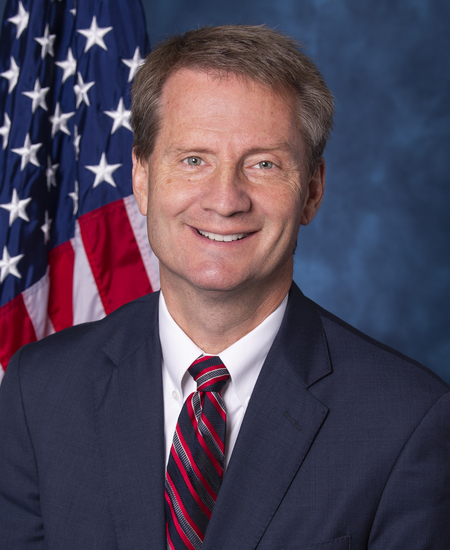
Tim Burchett
Tim Burchett House · District 2
R
Oppose
32% 294
David Kustoff
David Kustoff House · District 8
R
Oppose
34% 306
Showing 1–10 of 99 bills

All environment bills

in committee · United States · House Jul 23, 2026

HR 9901: To provide that the final rule of the United States Fish and Wildlife Service and National Oceanic and Atmospheric Administration titled "Rescinding the Definition of 'Harm' Under the Endangered Species Act" shall have no force or effect.

This bill would invalidate a final rule issued by the U.S. Fish and Wildlife Service and the National Oceanic and Atmospheric Administration that rescinded the definition of "harm" under the Endangered Species Act. By declaring that the 2026 rule has no force or effect, the legislation aims to restore the previous legal interpretation of how actions can harm protected species. This change directly affects entities subject to the Endangered Species Act by reinstating the broader regulatory framework for protecting endangered and threatened wildlife.
in committee · United States · House Sep 3, 2026

HR 10255: Penalties for Polluters Act

The Penalties for Polluters Act significantly increases the maximum civil penalties for violations of federal mineral leasing, oil and gas royalty management, and offshore lands laws to better account for inflation. These higher fines apply to companies and individuals who fail to comply with regulations regarding natural resource extraction and environmental protection. The bill also establishes a Penalty Revenue Reinvestment Fund that collects the additional revenue generated by these increased penalties. Half of this fund is distributed to states, Indian tribes, and local governments harmed by violations, while the other half supports federal agencies in enforcing compliance and safety standards.
in committee · United States · House Jul 21, 2026

HR 9808: No Passes for Polluters Act of 2026

The No Passes for Polluters Act of 2026 requires Congress to explicitly approve any exemptions from Clean Air Act regulations before the President or federal agencies can use them. Under this bill, the President must submit a detailed message to both houses of Congress explaining the reasons and facts behind any proposed exemption, which then triggers a special legislative process. To pass such an exemption, a joint resolution must be approved by a two-thirds vote in both the Senate and the House of Representatives, with limited debate and no amendments allowed. Additionally, the Comptroller General will review these proposals to ensure they have legal authority, and any unauthorized use of exemptions could lead to civil lawsuits. The legislation also mandates that the President reconsider certain executive branch emissions regulations every three years.
Sub-Topics Air Quality
in committee · United States · House Jul 14, 2026

HR 9615: BRACE Act

The BRACE Act updates federal regulations to improve how lithium-ion batteries are managed and recycled in the United States. It requires facilities that store these batteries before recycling them to follow stricter safety and record-keeping rules similar to those for large industrial waste handlers. Additionally, the bill modernizes existing laws by replacing outdated references with current environmental protection standards. These changes directly impact businesses and organizations involved in the collection, storage, and recycling of lithium-ion batteries.
Sub-Topics Recycling
in committee · United States · House Jun 18, 2026

HR 9337: Hydropower Licensing Affordability Act

The Hydropower Licensing Affordability Act amends the Federal Power Act to modify how federal licenses for hydropower projects are issued. Specifically, it requires that license conditions include measures to reasonably mitigate direct adverse effects on federal reservations and fish populations within applicable river systems. These changes aim to ensure that new or existing hydropower projects address environmental impacts on protected lands and aquatic species before a license is granted. The bill directly affects hydropower project developers and federal agencies responsible for licensing and environmental oversight.
Sub-Topics Hydroelectric Tags Licensing
in committee · United States · House Jun 24, 2026

HR 9250: Great American Outdoors Act 250

This bill redesignates the existing National Parks and Public Land Legacy Restoration Fund as the America's Legacy Restoration Fund to address deferred maintenance on federal lands. It directs revenue from recreation fees and a portion of energy development income into the fund, which must be used primarily for repairing critical infrastructure like roads, trails, and buildings managed by agencies such as the National Park Service and the Forest Service. The legislation establishes strict rules requiring that most funds go toward non-transportation projects, mandates transparency through public dashboards tracking project status, and sets aside a small percentage for matching private donations. Additionally, the bill increases entrance fees for foreign visitors to ensure they contribute to the fund, while prohibiting the use of these specific funds for land acquisition or employee bonuses.
in committee · United States · House Jun 8, 2026

HR 9183: Artificial Intelligence Environmental Impacts Act of 2026

The Artificial Intelligence Environmental Impacts Act of 2026 directs the Environmental Protection Agency to study and report on the environmental effects of artificial intelligence, including energy and water use, pollution, and electronic waste. This bill requires large data centers to annually submit detailed public reports on their resource consumption and environmental footprint, with penalties for non-compliance. Additionally, it establishes a stakeholder consortium to develop standardized methods for measuring these impacts and to identify ways to promote beneficial uses of AI while reducing negative effects. The legislation aims to increase transparency and accountability regarding the growing environmental costs associated with AI infrastructure and operations.
Tags Artificial Intelligence
in committee · United States · House Jun 11, 2026

HR 9080: Mass Timber Federal Buildings Act of 2026

This bill directs federal agencies to prioritize the construction of public buildings using domestically sourced mass timber products. It requires the General Services Administration and the Department of Defense to give preference to wood harvested from U.S. forests and produced at facilities located within the country. The legislation further mandates that these wood products come from responsibly managed sources, such as forests undergoing restoration or those managed to prevent wildfires, while also supporting underserved forest owners. Additionally, the bill requires an independent lifecycle assessment of these new buildings to evaluate their environmental impact and a subsequent report to be submitted to Congress.
Sub-Topics Forestry
in committee · United States · House May 26, 2026

HR 9036: American High-Speed Rail Act

The American High-Speed Rail Act expands federal funding and streamlines regulations to support the development of high-speed and higher-speed rail projects across the United States. It authorizes billions of dollars in grants for corridor planning, technology improvements, and construction, while allowing the federal government to cover up to 100% of project costs under specific conditions. The bill also introduces new provisions to facilitate land acquisition, prioritize border projects, and extend labor protections to workers involved in federally funded rail infrastructure. Additionally, the legislation defines higher-speed rail as trains traveling between 110 and 186 miles per hour and includes tax incentives for rail carriers that sell or lease property to support these projects.
Sub-Topics Rail
in committee · United States · House Jun 23, 2026

HR 9022: Energy and Water Development and Related Agencies Appropriations Act, 2027

Energy and Water Development and Related Agencies Appropriations Act, 2027 This bill provides FY2027 appropriations for U.S. Army Corps of Engineers civil works projects, the Department of the Interior's Bureau of Reclamation, the Department of Energy (DOE), and several independent agencies. The bill provides appropriations for U.S. Army Corps of Engineers civil works projects, including for Investigations, Construction, Mississippi River and Tributaries, Operation and Maintenance, the Regulatory Program, Flood Control and Coastal Emergencies, Expenses, the Office of the Assistant Secretary of the Army for Civil Works, and the Water Infrastructure Finance and Innovation Program. The bill provides appropriations to the Department of the Interior for the Central Utah Project and the Bureau of Reclamation. The bill provides appropriations to DOE for energy programs, including Critical Minerals and Energy Innovation; Cybersecurity, Energy Security, and Emergency Response; Electricity; Nuclear Energy; Hydrocarbons and Geothermal Energy; Naval Petroleum and Oil Shale Reserves; the Strategic Petroleum Reserve; the Northeast Home Heating Oil Reserve; the Energy Information Administration; Non-Defense Environmental Cleanup; the Uranium Enrichment Decontamination and Decommissioning Fund; Science; Nuclear Waste Disposal; the Advanced Research Projects Agency—Energy; the Title 17 Innovative Technology Loan Guarantee Program; the Advanced Technology Vehicles Manufacturing Loan Program; the Tribal Energy Loan Guarantee Program; Indian Energy Policy and Programs; Departmental Administration; and the Office of the Inspector General. The bill also provides appropriations to DOE for Atomic Energy Defense Activities of the National Nuclear Security Administration, Environmental and Other Defense Activities, and the Power Marketing Administrations. The bill provides appropriations to several independent agencies, including the Federal Energy Regulatory Commission and the Nuclear Regulatory Commission. The bill also sets forth requirements and restrictions for using funds provided by this and other appropriations acts.
Showing 1 to 10 of 99 bills
1 2 3 10 Next