Issue · Energy

Energy

Every energy bill, vote, and legislator stance in Tennessee, automatically classified by Maddy, our AI policy reader.

Total bills
37
119th Congress
Top supporter
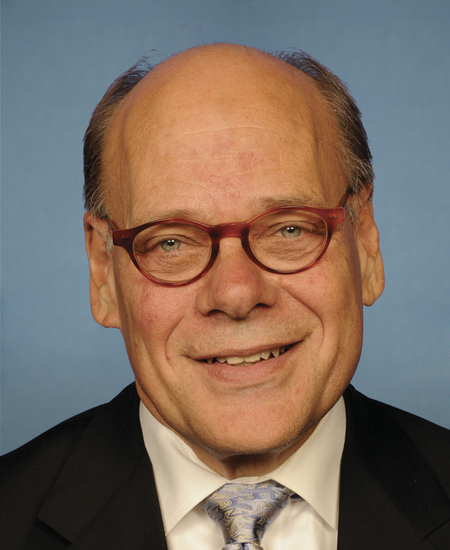
Steve Cohen
64% support rate
Top opponent
Marsha Blackburn
26% support rate
Ranked legislators
6
1 support · 5 oppose
Key legislators

Who's moving energy in Tennessee

Legislators moving energy in Tennessee
Legislator Party Stance Support rate Votes
Steve Cohen
Steve Cohen House · District 9
D
Support
64% 250
Marsha Blackburn
Marsha Blackburn Senate
R
Oppose
26% 186
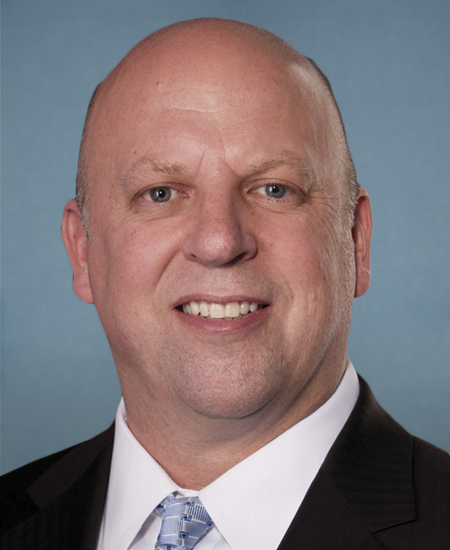
Scott DesJarlais
Scott DesJarlais House · District 4
R
Oppose
29% 256
Diana Harshbarger
Diana Harshbarger House · District 1
R
Oppose
30% 259
Andrew Ogles
Andrew Ogles House · District 5
R
Oppose
30% 244
David Kustoff
David Kustoff House · District 8
R
Oppose
31% 260
Showing 1–10 of 37 bills

All energy bills

in committee · United States · Senate Jul 16, 2026

S 5025: Lindsey O. Graham Sanctioning Russia Act of 2026

This bill establishes a comprehensive sanctions framework targeting the Russian government and its affiliated entities in response to ongoing military actions. It authorizes the President to block assets, revoke visas, and prohibit financial transactions for Russian officials, military leaders, and foreign persons supporting Russia's defense industry or undermining Ukraine. The legislation also bans U.S. investments in Russian energy sectors, prohibits the purchase of Russian sovereign debt, and imposes high tariffs on Russian imports while restricting crude oil purchases by specific foreign nations. Additionally, the bill prevents Russian companies from listing on U.S. stock exchanges and includes mechanisms for terminating sanctions only if Russia signs a peace agreement accepted by Ukraine and ceases hostilities.
Sub-Topics Oil & Gas
in committee · United States · House Jun 25, 2026

HR 9453: End EPA Abuse Act of 2026

The End EPA Abuse Act of 2026 amends the Clean Air Act to limit the Environmental Protection Agency's authority to create new regulations. Specifically, it prohibits the EPA Administrator from issuing rules that restrict the sale or use of internal combustion engine vehicles, force power plants to switch fuel sources, or reduce the reliability of the electric grid. The bill also bars the agency from mandating technologies that are commercially unavailable, too expensive without subsidies, or technically unfeasible due to geographic or infrastructure limitations. Additionally, the law prevents the EPA from expanding its regulatory power beyond what Congress originally intended. These changes directly affect the EPA's ability to enforce environmental standards and impact industries such as automotive manufacturing and energy production.
in committee · United States · House Jun 24, 2026

HR 9442: Artificial Intelligence Data Center Moratorium Act

This bill, titled the Artificial Intelligence Data Center Moratorium Act, halts the construction and upgrading of large-scale artificial intelligence data centers until specific federal laws are passed. It defines these facilities as sites with high power capacity or advanced cooling systems used for developing AI models. The moratorium remains in effect until new legislation ensures federal safety reviews for AI products, mandates that economic benefits reach workers rather than just wealthy owners, prevents increases in utility bills, avoids environmental harm, requires community approval, bans government subsidies, and guarantees union jobs with strong labor standards. Additionally, the bill restricts the export of computing hardware, such as semiconductors and networking equipment, to countries that do not adopt these same protective laws for AI development.
in committee · United States · House Apr 28, 2026

HR 8536: Fuel STAR Act of 2026

The Fuel STAR Act of 2026 amends the Renewable Fuel Standard to limit the volume of non-advanced biofuel required each year to match projected domestic ethanol consumption. It extends the use of credits earned between 2020 and 2022 for compliance through five additional years, while prohibiting the use of electric vehicle credits. The bill also expands exemptions for small refineries by adding specific economic hardship criteria and requiring the EPA to automatically approve exemption requests if it fails to respond within 90 days. Furthermore, the legislation allows for the year-round sale of E15 fuel blends containing 10 to 15 percent ethanol by removing previous restrictions on Reid vapor pressure limitations.
Sub-Topics Electric Vehicles
in committee · United States · House Mar 26, 2026

HR 8108: End Polluter Welfare for Enhanced Oil Recovery Act of 2026

This bill, titled the "End Polluter Welfare for Enhanced Oil Recovery Act of 2026," eliminates federal tax credits related to enhanced oil recovery (EOR). It directly affects oil and gas companies that utilize or plan to utilize EOR methods. Specifically, the bill strikes Section 43 of the Internal Revenue Code, thereby ending the existing Enhanced Oil Recovery Credit. Furthermore, for new facilities constructed after the bill's enactment, it removes eligibility for the carbon capture tax credit (Section 45Q) when captured carbon oxide is used for enhanced oil recovery. These changes discontinue tax incentives that support specific oil extraction techniques.
Sub-Topics Tax Credits Oil & Gas
in committee · United States · House Mar 27, 2025

HR 2467: America's Red Rock Wilderness Act

HR 2467, America's Red Rock Wilderness Act, would designate approximately 1.3 million acres of public land across Utah as wilderness areas, protecting them from development and managing them for conservation. The bill specifically designates 77 wilderness areas in the Great Basin and Colorado Plateau regions, including lands within existing national monuments like Grand Staircase-Escalante and Bears Ears. It includes provisions for water rights protection, allows continued livestock grazing under certain conditions, and withdraws the designated lands from mining and mineral leasing. The bill also ensures Tribal rights are protected and requires the Secretary of the Interior to administer these areas according to wilderness management standards.
in committee · United States · House Jun 11, 2025

HR 3930: Roadless Area Conservation Act of 2025

This bill codifies existing protections for designated roadless areas within the National Forest System by prohibiting new road construction, road reconstruction, and logging in these areas. It directly affects National Forest lands already identified as "inventoried roadless areas" under the current Roadless Rule, which covers roughly 58 million acres. The key mechanism requires the Secretary of Agriculture to enforce these prohibitions, maintaining current protections without expanding restrictions to other lands or altering existing multiple-use management. The bill does not create new protected areas but legally solidifies the existing regulatory framework to preserve ecological and recreational values.
in committee · United States · House Jan 3, 2025

HR 52: Stop Woke Investing Act

HR 52, the Stop Woke Investing Act, limits shareholder proposals on corporate proxy materials based on company size. Public companies must exclude proposals that do not have a "material" financial impact on the business, defined as directly affecting investment returns or risks. This excludes proposals focused on non-financial social, environmental, or political goals (like diversity initiatives or climate action) from being included in voting materials. The bill caps the number of proposals companies must include: 2 for small firms, 4 for mid-sized firms, and 7 for large firms, with companies deciding which proposals meet the financial impact requirement.
signed · United States · House Jun 12, 2025

HJRES 88: Providing congressional disapproval under chapter 8 of title 5, United States Code, of the rule submitted by the Environmental Protection Agency relating to "California State Motor Vehicle and Engine Pollution Control Standards; Advanced Clean Cars II; Waiver of Preemption; Notice of Decision".

H.J.Res. 88 disapproves an Environmental Protection Agency (EPA) rule that would have allowed California to enforce its "Advanced Clean Cars II" vehicle emission standards. This rule, submitted by the EPA on January 6, 2025, sought to grant California a waiver to override federal preemption for its stricter vehicle pollution controls. The resolution, passed by Congress and signed into law on June 12, 2025, formally nullifies the EPA rule, preventing California from implementing its Advanced Clean Cars II program under this specific waiver. The bill directly affects California's ability to set its own vehicle emission standards for passenger cars and light trucks.
in committee · United States · House Apr 29, 2025

HR 3067: Arctic Refuge Protection Act

HR 3067, the Arctic Refuge Protection Act, repeals the existing oil and gas program for the Arctic National Wildlife Refuge (ANWR) and designates approximately 1.56 million acres of the refuge's Coastal Plain as wilderness. This directly affects federal management of the ANWR, halting potential oil drilling in the designated area. The bill requires the Secretary of the Interior to administer the newly designated wilderness area under the Wilderness Act, treating it as part of the existing wilderness within ANWR. The change prevents future oil and gas development on this specific portion of the refuge.
Showing 1 to 10 of 37 bills
1 2 3 4 Next