Issue · Transportation

Transportation (Vehicle Registration)

Every transportation bill, vote, and legislator stance in South Dakota, automatically classified by Maddy, our AI policy reader.

Total bills
4
2026 Regular Session
Top supporter
Amber Arlint
100% support rate
Top opponent
Brandei Schaefbauer
0% support rate
Ranked legislators
10
5 support · 5 oppose
Key legislators

Who's moving vehicle registration in South Dakota

Legislators moving vehicle registration in South Dakota
Legislator Party Stance Support rate Votes
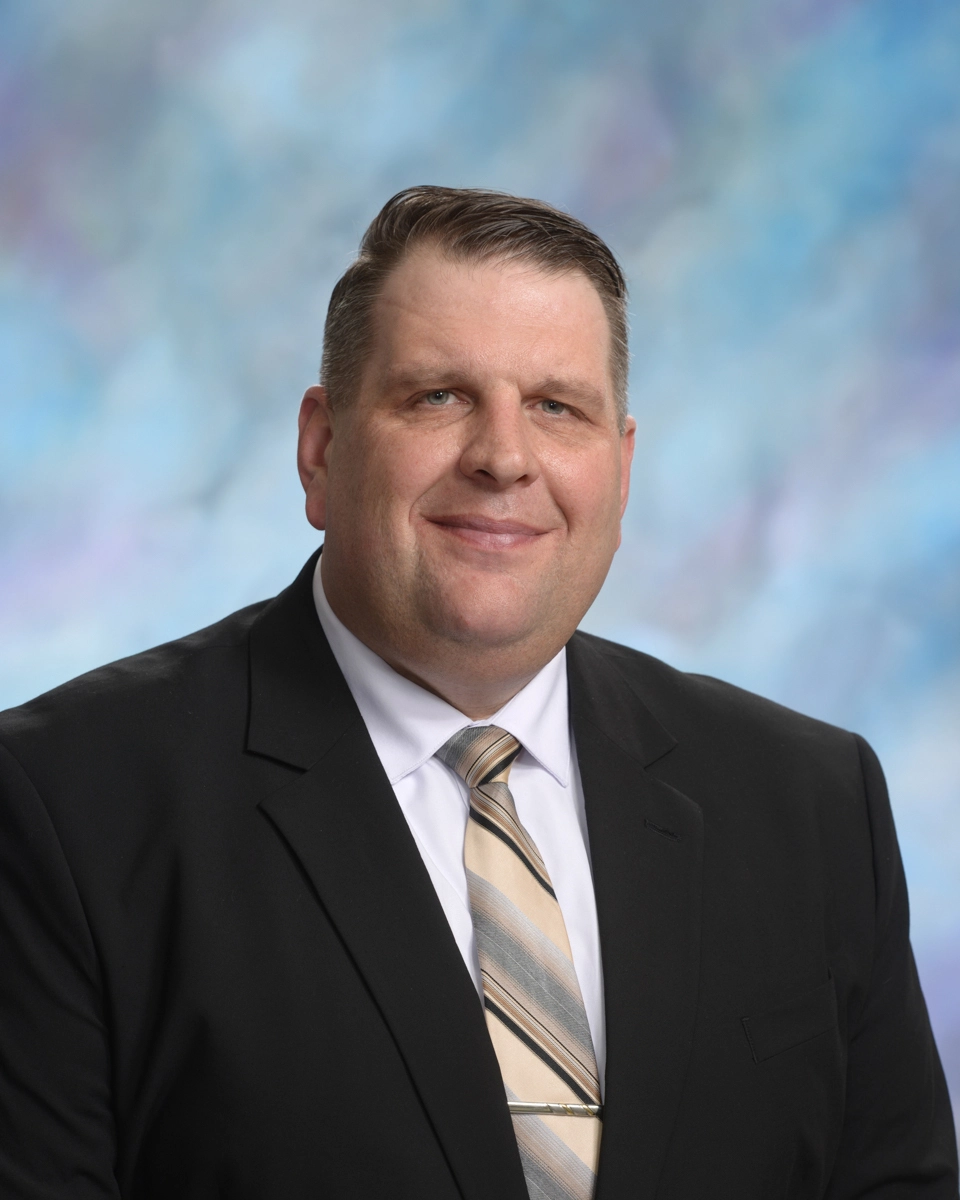
Amber Arlint
Amber Arlint House · District 12
R
Strong +
100% 6
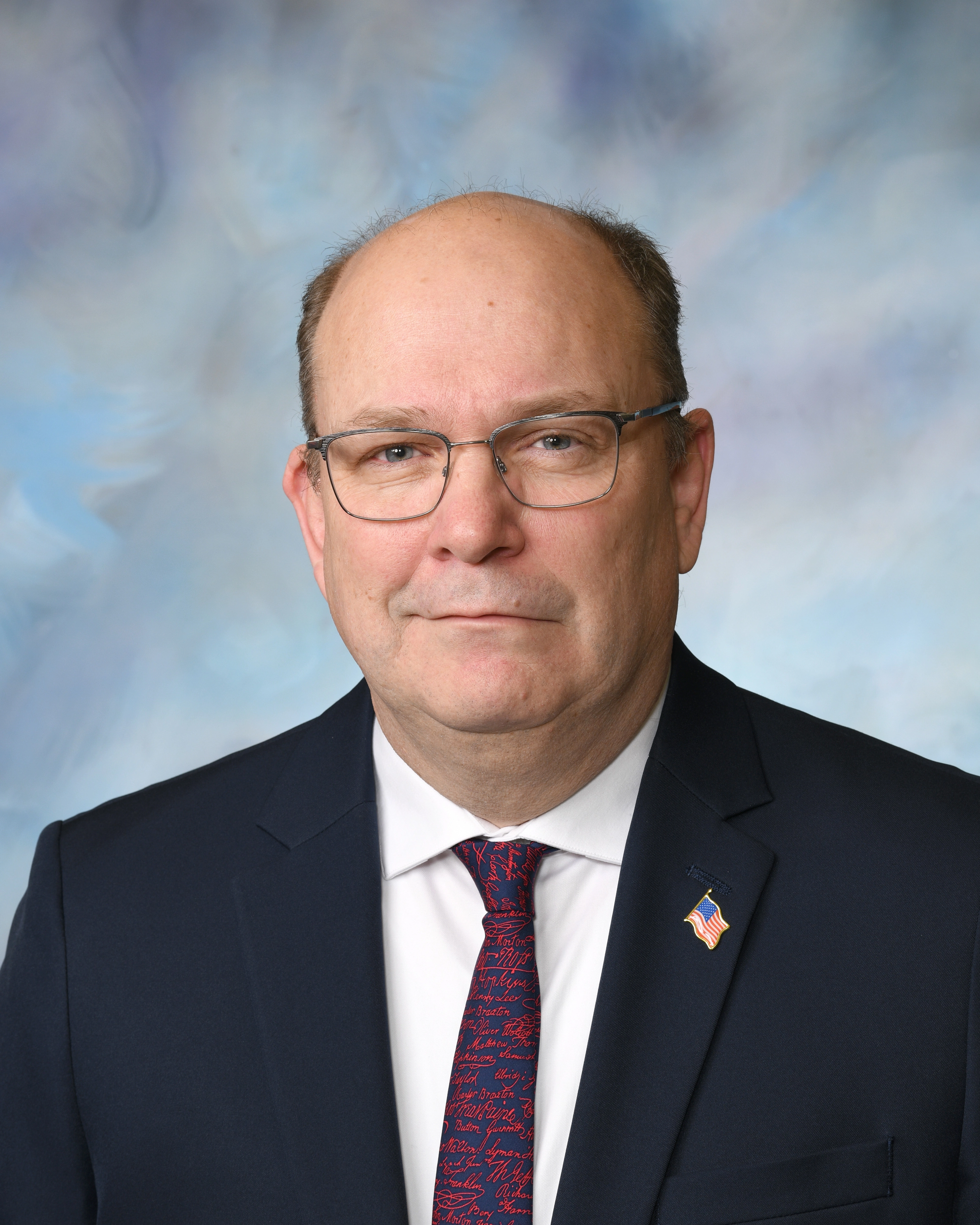
Brian Mulder
Brian Mulder House · District 11
R
Strong +
100% 6
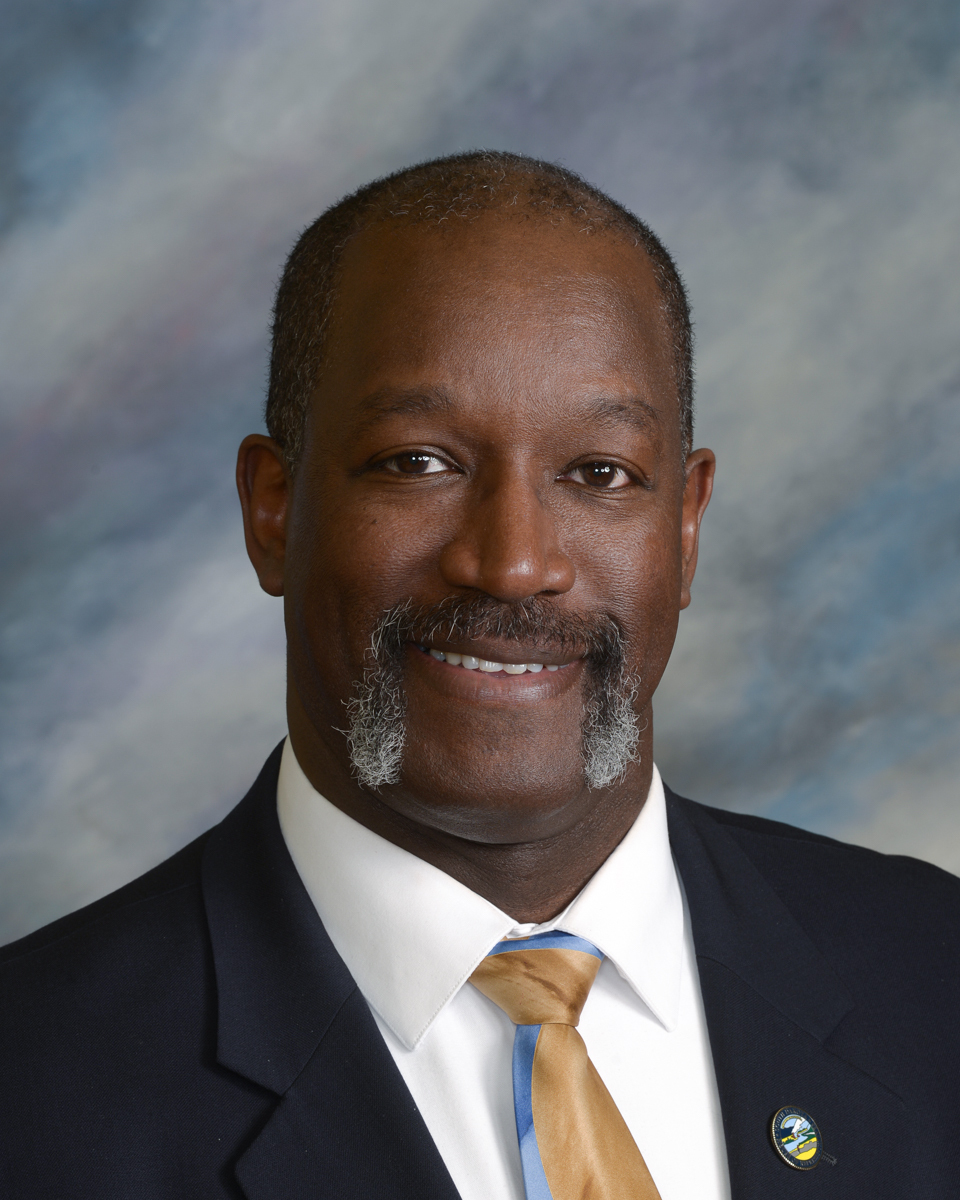
Kent Roe
Kent Roe House · District 4
R
Strong +
100% 6
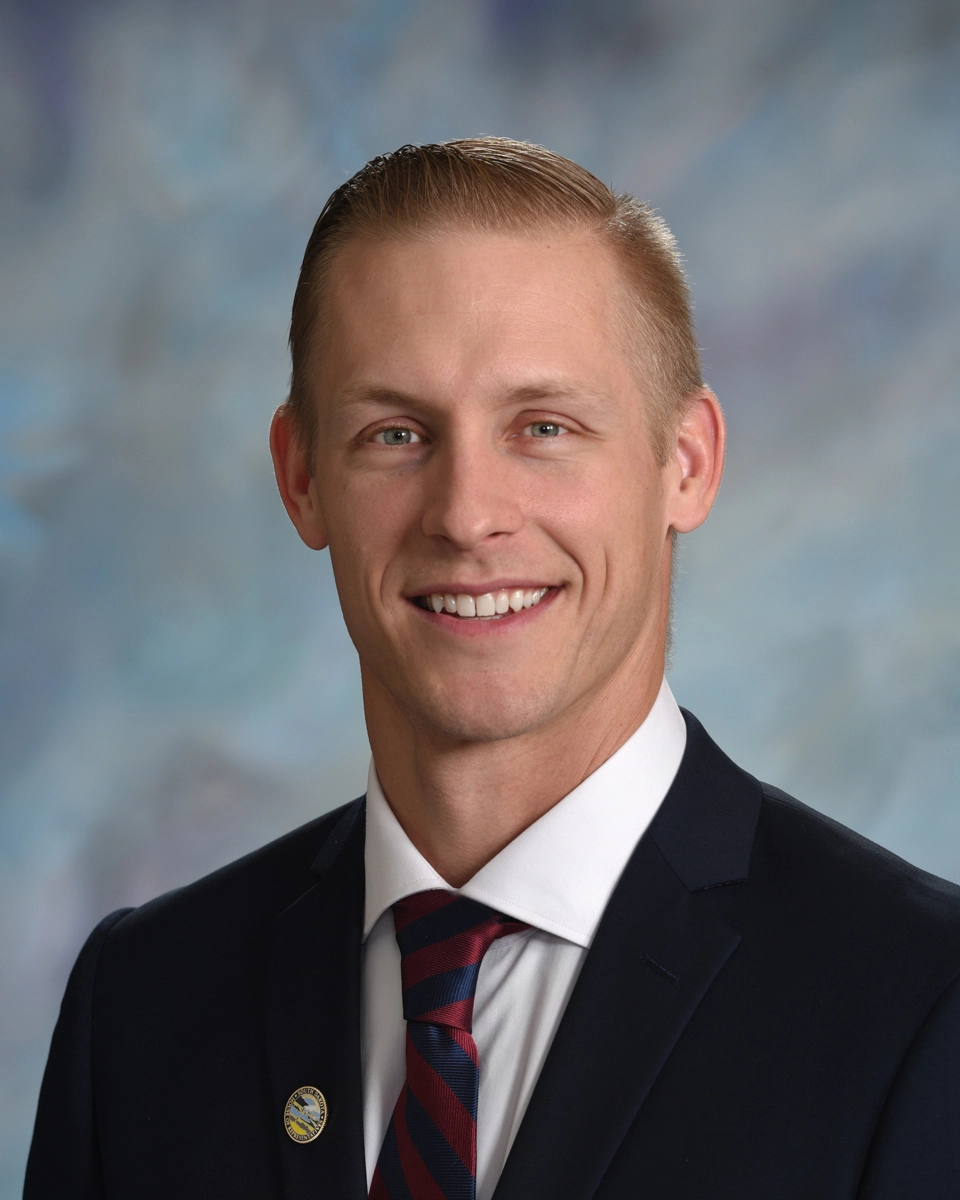
Keri Weems
Keri Weems House · District 11
R
Strong +
100% 6
Taylor Rehfeldt
Taylor Rehfeldt House · District 14
R
Strong +
100% 6
Brandei Schaefbauer
Brandei Schaefbauer House · District 3
R
Strong −
0% 5
Tina Mulally
Tina Mulally House · District 35
R
Strong −
0% 4
Tony Randolph
Tony Randolph House · District 35
R
Strong −
17% 6
Aaron Aylward
Aaron Aylward House · District 6
R
Strong −
20% 5
Heather Baxter
Heather Baxter House · District 34
R
Strong −
20% 5
Showing 4 of 4 bills

All transportation bills

signed · South Dakota · House Mar 9, 2026

HB 1188: limit the liability of law enforcement officers and others when removing a disabled vehicle from a highway, a right of way, or public waters.

HB 1188 clarifies that law enforcement, highway patrols, or authorized personnel must arrange for the removal of disabled vehicles (or spilled cargo) from highways, roadside areas, or public waters if they obstruct traffic or create safety hazards. Vehicle owners are responsible for all removal costs incurred by the state or local agencies. The bill limits liability for officials and removal agencies, stating they cannot be held liable for damages to the vehicle, cargo, or personal property unless there was gross negligence or willful misconduct during removal. This directly affects vehicle owners (who pay costs) and public safety officials (who gain liability protection under defined conditions).
signed · South Dakota · Senate Feb 17, 2026

SB 10: revise a provision related to the adoption of federal motor carrier regulations.

This bill adopts specific federal motor carrier regulations from Title 49 of the Code of Federal Regulations for South Dakota operations, with key modifications. It expands the application of federal rules to most intrastate operations (excluding small vehicles under 26,000 lbs not carrying hazardous materials or over 15 passengers), sets a minimum age of 21 for drivers in interstate commerce or handling hazardous materials, and exempts intrastate drivers from federal medical certification requirements unless required by employers. These changes directly affect commercial motor vehicle operators, drivers, and safety enforcement within South Dakota. The bill updates state law to align with federal standards while clarifying exemptions for smaller, non-hazardous intrastate operations.
failed · South Dakota · Senate Feb 4, 2026

SB 24: create a solid background license plate for South Dakota.

SB 24 creates a new solid black or solid white license plate option for South Dakota residents. It allows owners of eligible vehicles (cars, trucks, vans, motorcycles) with valid licenses to purchase these plates for a $100 annual fee. Of this fee, $25 funds a special revenue account and $75 supports the state highway fund. Personalization is available for an extra $25, and plates can be transferred like existing specialty plates.
signed · South Dakota · House Feb 26, 2026

HB 1227: increase the annual fee required of an owner of an electric motor vehicle.

HB 1227 increases the annual registration fee for owners of electric motor vehicles in South Dakota from $50 to $51 (likely a typo for $50, as "fifty one hundred" is inconsistent with standard fee amounts). The fee applies when renewing vehicle registration and must be paid alongside standard license fees, excluding electric motorcycles covered under separate law. All collected fees are deposited into the state highway fund. The bill specifically defines "electric motor vehicle" as noncommercial, battery-rechargeable vehicles meeting federal safety standards.