



Issue · Transportation

Transportation

Every transportation bill, vote, and legislator stance in South Dakota, automatically classified by Maddy, our AI policy reader.

Total bills
1
2026 Regular Session
Top supporter
Mike Derby
100% support rate
Top opponent
Tina Mulally
0% support rate
Ranked legislators
10
5 support · 5 oppose
Key legislators

Who's moving transportation in South Dakota

Legislators moving transportation in South Dakota
Legislator Party Stance Support rate Votes
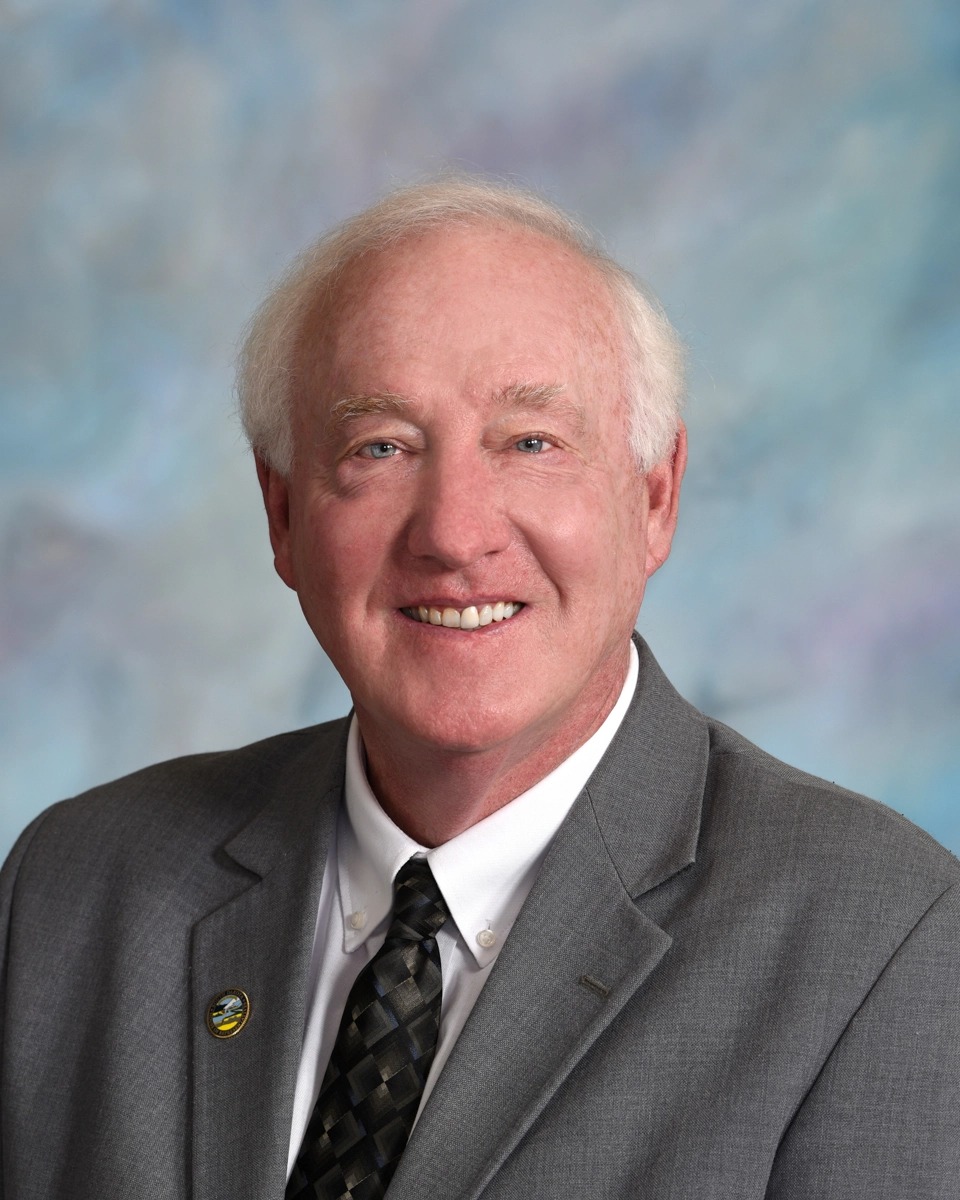
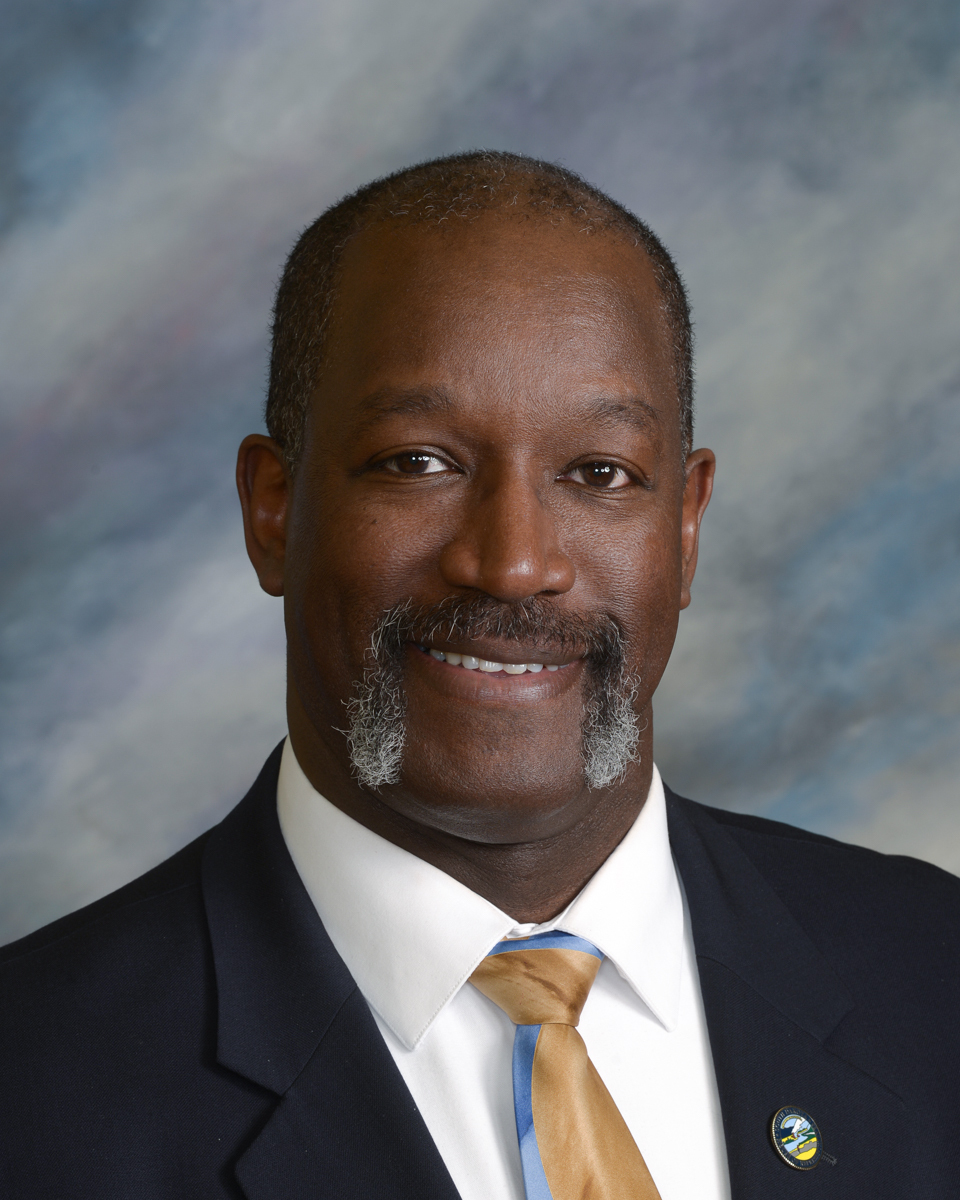
Mike Derby
Mike Derby House · District 34
R
Strong +
100% 39
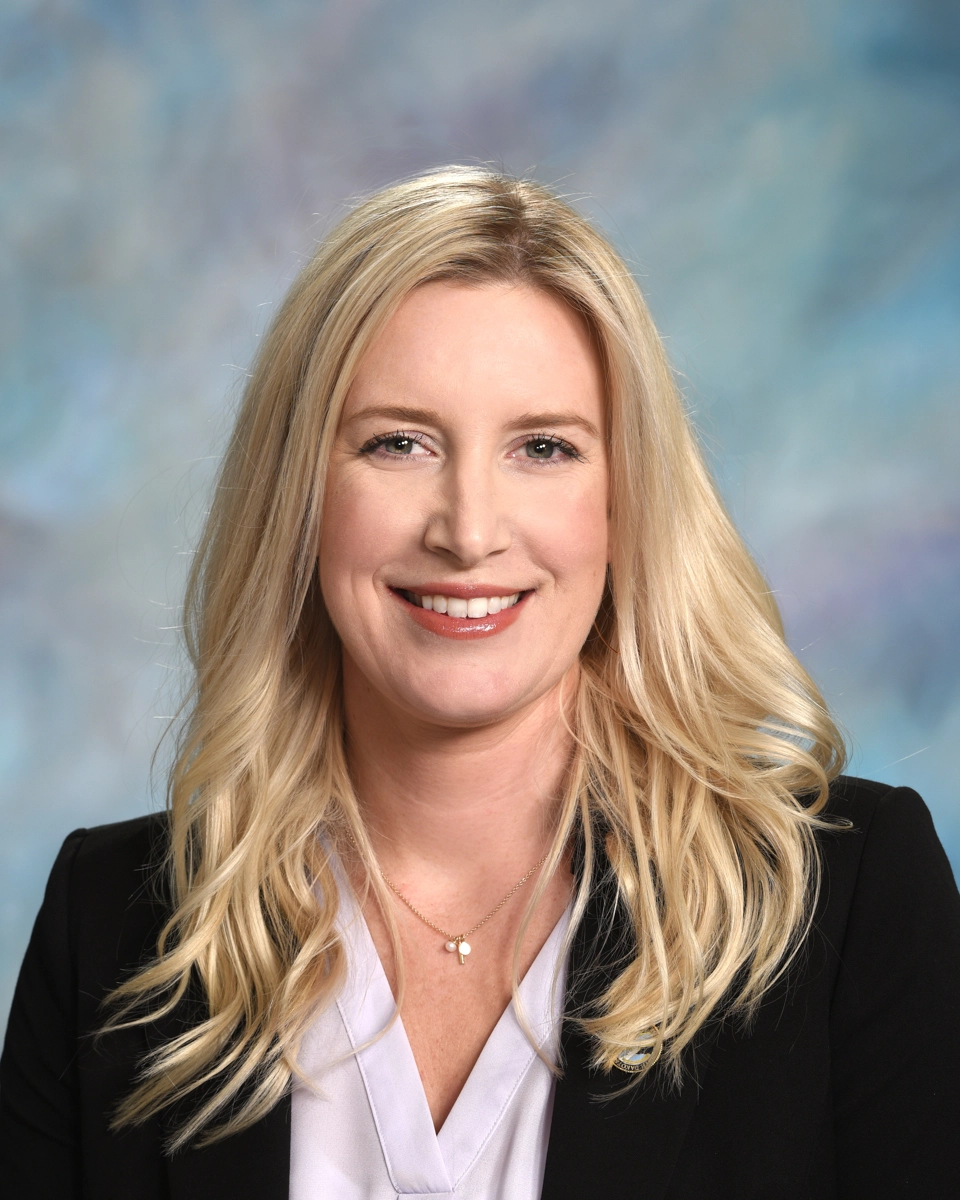
Sydney Davis
Sydney Davis Senate · District 17
R
Strong +
100% 25
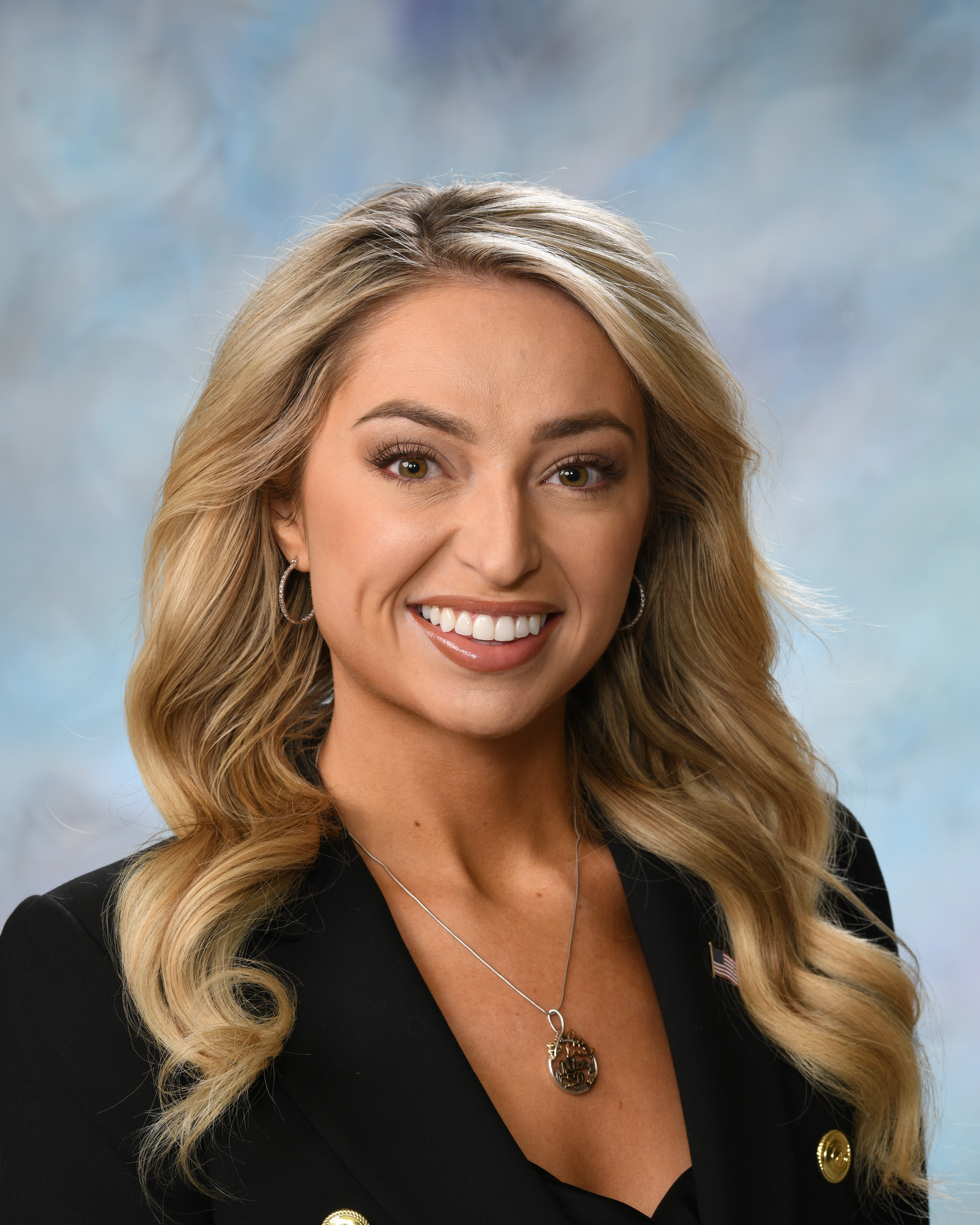
Amber Hulse
Amber Hulse Senate · District 30
R
Strong +
100% 25
Mellissa Heermann
Mellissa Heermann House · District 7
R
Strong +
100% 36
Carl Perry
Carl Perry Senate · District 3
R
Strong +
100% 33
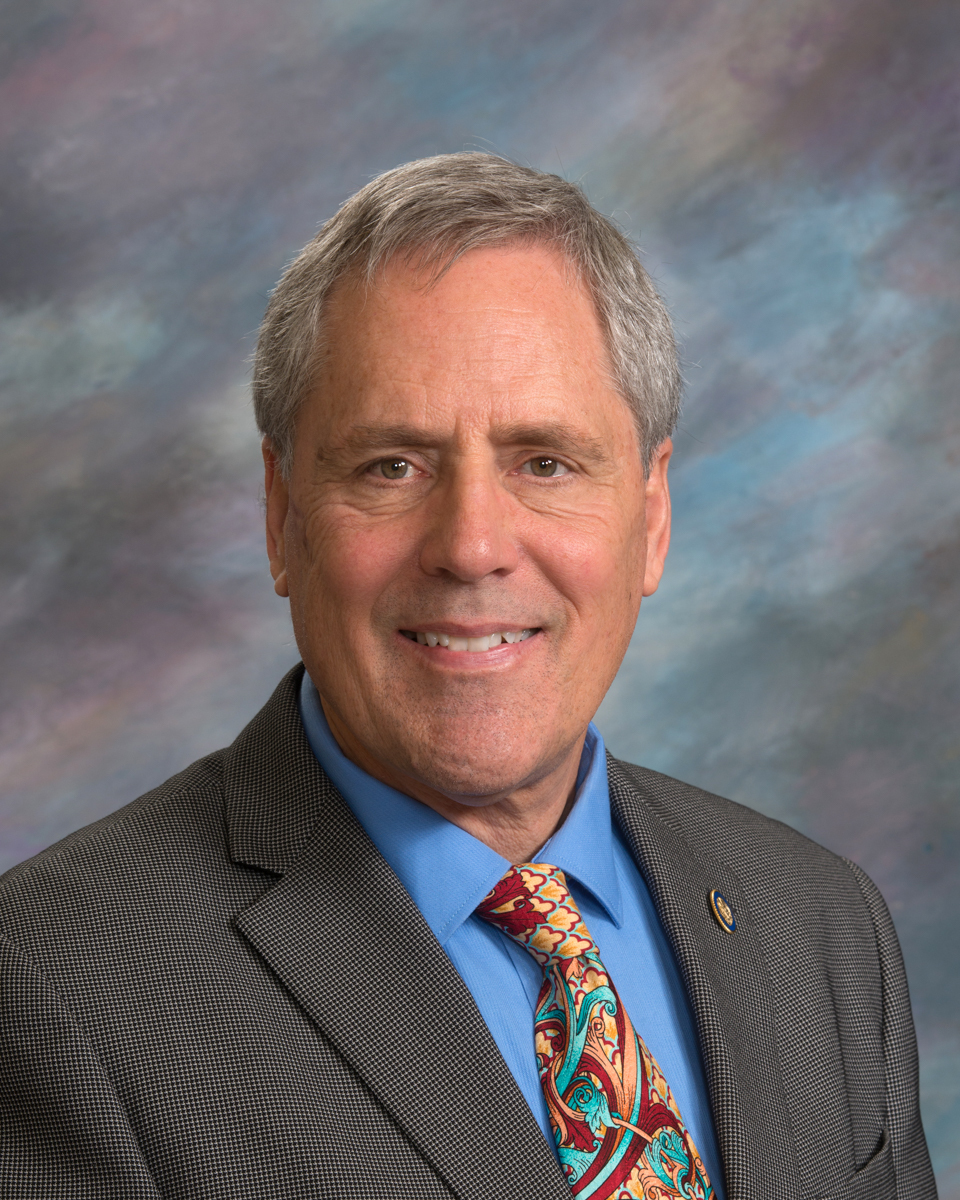
Tina Mulally
Tina Mulally House · District 35
R
Strong −
0% 34
Tony Randolph
Tony Randolph House · District 35
R
Strong −
7% 44
Phil Jensen
Phil Jensen House · District 33
R
Strong −
8% 37
Travis Ismay
Travis Ismay House · District 28B
R
Strong −
9% 37
Aaron Aylward
Aaron Aylward House · District 6
R
Strong −
9% 28
Showing 1 of 1 bills

All transportation bills

signed · South Dakota · Senate Feb 17, 2026

SB 10: revise a provision related to the adoption of federal motor carrier regulations.

This bill adopts specific federal motor carrier regulations from Title 49 of the Code of Federal Regulations for South Dakota operations, with key modifications. It expands the application of federal rules to most intrastate operations (excluding small vehicles under 26,000 lbs not carrying hazardous materials or over 15 passengers), sets a minimum age of 21 for drivers in interstate commerce or handling hazardous materials, and exempts intrastate drivers from federal medical certification requirements unless required by employers. These changes directly affect commercial motor vehicle operators, drivers, and safety enforcement within South Dakota. The bill updates state law to align with federal standards while clarifying exemptions for smaller, non-hazardous intrastate operations.