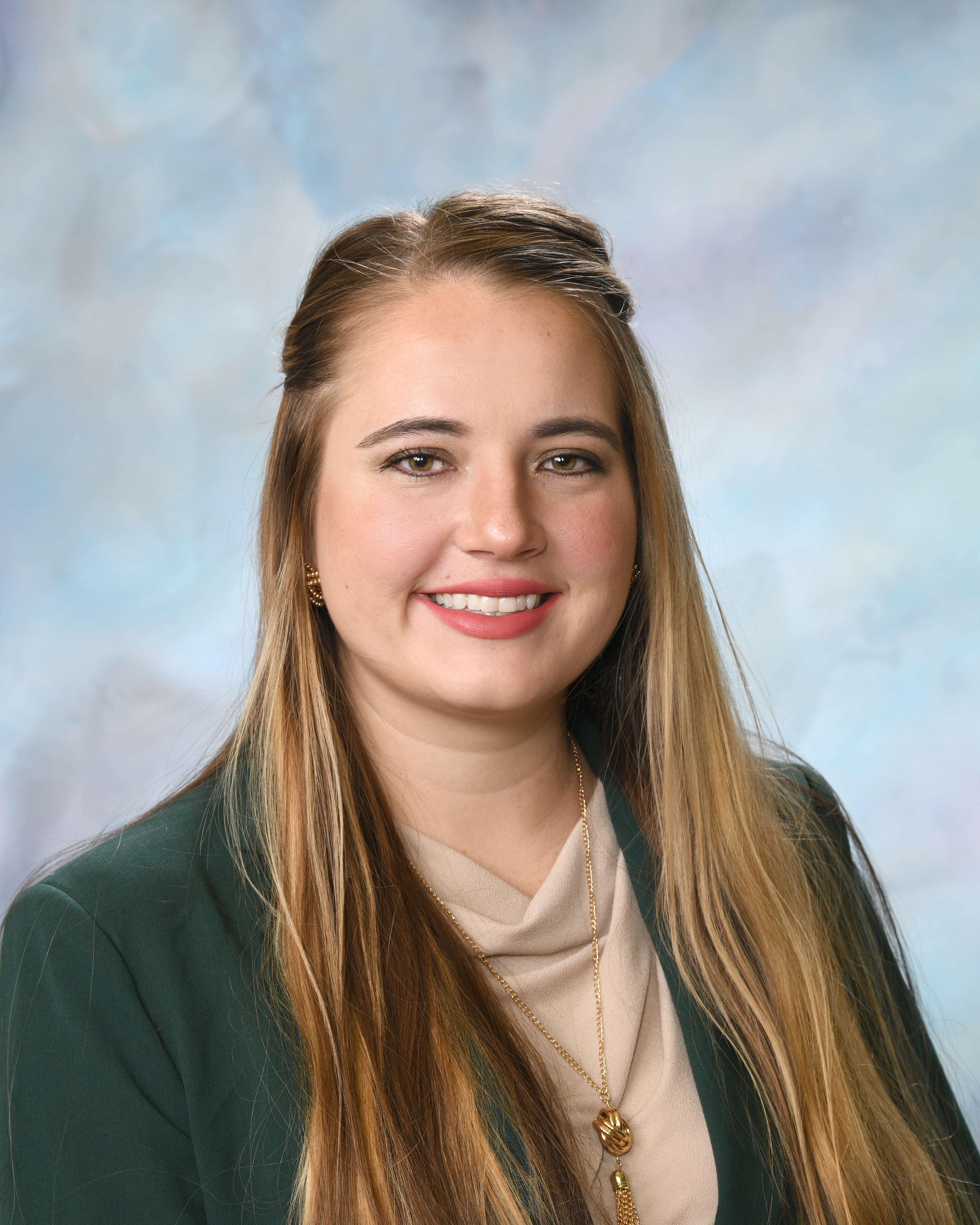
Key legislators
Who's moving education in South Dakota
Showing 4 of 4
bills
All education bills
This bill requires South Dakota public schools to teach prenatal human growth and development in health or science classes using specific materials. It mandates that schools use resources recommended by the state Board of Education, including at least three minutes of high-definition ultrasound videos showing organ development or computer-generated animations of prenatal growth from fertilization to birth. The law prohibits using any materials from entities that perform, promote, or refer to abortion services. This directly affects K-12 public school curricula in South Dakota, altering required health/science content.
HB 1017 allows South Dakota school boards to require students exhibiting aggressive or violent behaviors that disrupt school safety or operations to receive instruction in alternative learning environments. This policy directly affects students whose conduct poses a threat to school safety, providing school districts with a formal mechanism to address such disruptions. The bill explicitly states it does not override existing enrollment options under state law or conflict with federal special education protections (IDEA and Section 504). It focuses solely on school safety responses, with no changes to special education eligibility or placement procedures.
This bill creates the "Building Opportunity Through Out-of-School Time Program" and establishes a dedicated state fund to support after-school and summer programs for students. The program fund, administered by the South Dakota Department of Education, provides grants to eligible providers (like school districts or qualified nonprofits) to cover staffing, materials, and transportation costs for evidence-based out-of-school time programming. Priority is given to programs serving under-served students, fostering community partnerships, and supplementing existing funding. The fund is supported by a new fee and state appropriations, with grants distributed annually based on applications submitted between August 1 and September 30.
SB 225 directs that 4% of the interest earnings from South Dakota's unclaimed property trust fund (without touching the principal) be distributed annually to school districts starting in fiscal year 2026. The funds will be apportioned to school districts based on their student enrollment, following the existing method used for other school funding. This adds a new source of revenue for school districts through the trust fund's interest, calculated using the fund's market value as of December 31 each year. The bill modifies existing statutes to implement this distribution, ensuring the funds are added to the general fund before being allocated to schools under current apportionment rules.