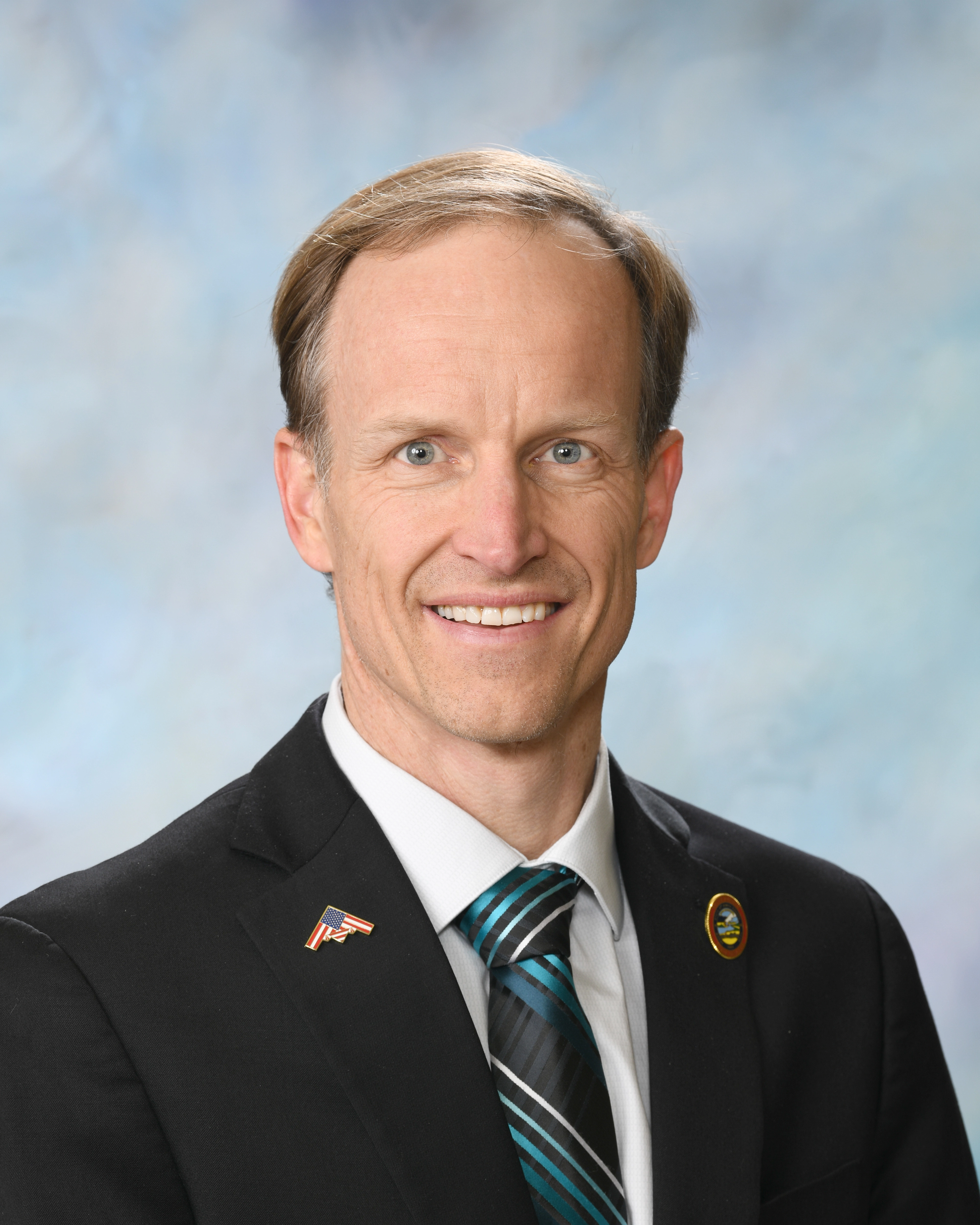
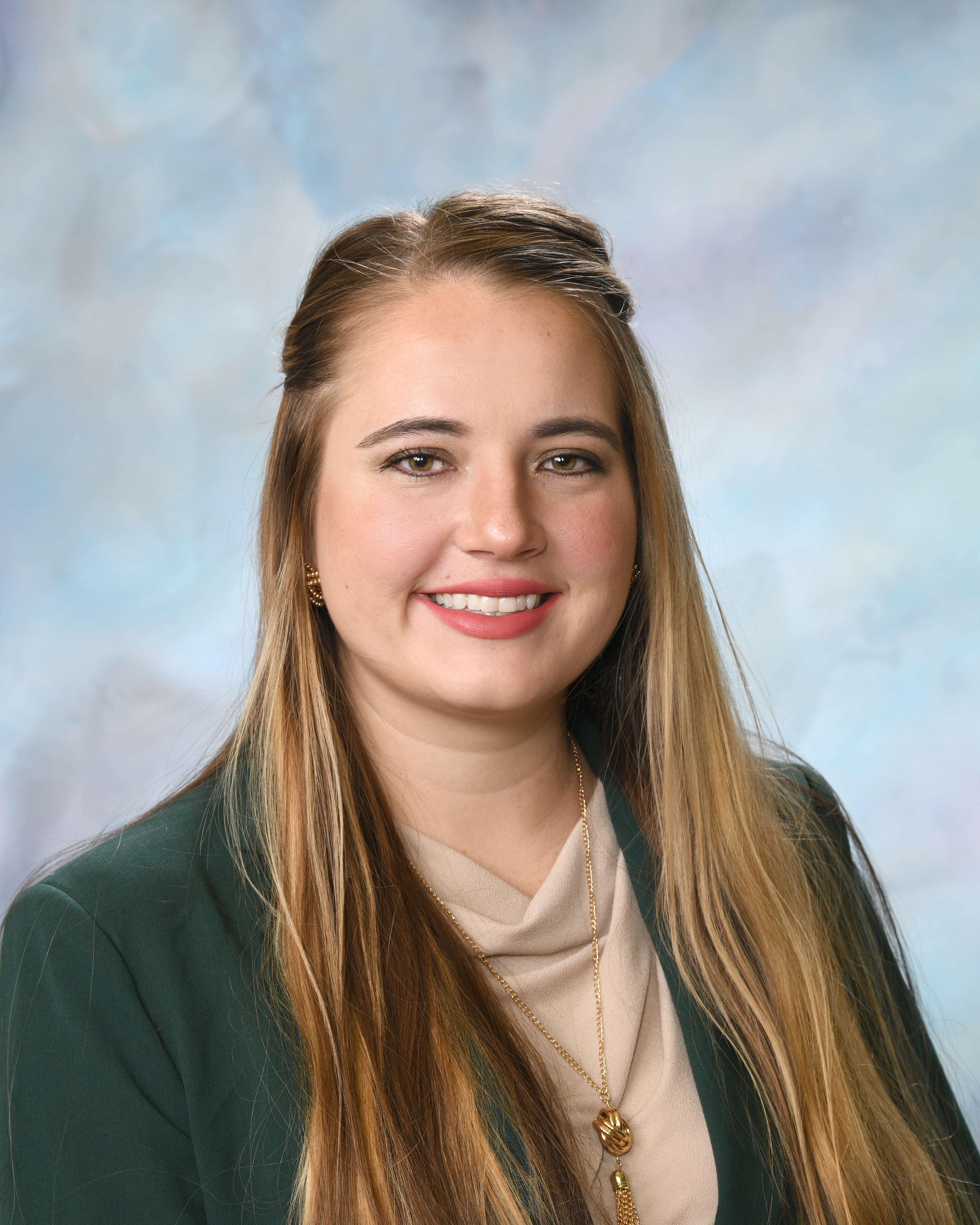
Key legislators
Who's moving education in South Dakota
Showing 21–24 of 24
bills
All education bills
SB 205 revises drone registration fees in South Dakota, charging 1.5% of purchase price for agricultural drones and 2% for all other drones. The collected fees fund a new "drone aviation fund" administered by the Board of Technical Education to support drone training grants at state technical colleges. This bill directly affects drone owners (especially agricultural users) by changing their registration tax rates and creating a dedicated funding source for drone industry workforce development. The fund will receive all drone registration fees and interest, with expenditures requiring annual budget approval. The bill does not apply to small unmanned aircraft systems covered under federal regulations.
SB 225 directs that 4% of the interest earnings from South Dakota's unclaimed property trust fund (without touching the principal) be distributed annually to school districts starting in fiscal year 2026. The funds will be apportioned to school districts based on their student enrollment, following the existing method used for other school funding. This adds a new source of revenue for school districts through the trust fund's interest, calculated using the fund's market value as of December 31 each year. The bill modifies existing statutes to implement this distribution, ensuring the funds are added to the general fund before being allocated to schools under current apportionment rules.
SB 187 defines "nonpublic school" in South Dakota law as an institution operated by individuals or groups (not publicly elected boards) that teaches math and English fundamentals to children of compulsory school age, with English instruction focused on mastery. The bill specifies that such schools may limit enrollment, charge tuition, receive grants or services from school districts, but cannot claim geographic territory for tax revenue or receive state education aid under Chapter 13-13. It also clarifies that nonpublic schools are not required to be accredited or have certified teachers. This definition applies to all nonpublic schools in South Dakota, establishing their legal boundaries for funding and operations.
SB 84 increases the income threshold for students to qualify for South Dakota's Partners in Education scholarship program. It raises the initial income requirement from 152% to a higher percentage of the national free/reduced-price lunch income standard (currently 152% for initial eligibility), directly affecting low-income students seeking tuition assistance at participating nonpublic schools. The bill maintains that students who qualify initially remain eligible for three years or until high school graduation without income checks, but must later meet a 250% income threshold to renew. This change expands access to the scholarship program by allowing more households to qualify under the new higher income cap.