Issue · Budget & Taxes

Budget & Taxes (Revenue)

Every budget & taxes bill, vote, and legislator stance in South Dakota, automatically classified by Maddy, our AI policy reader.

Total bills
10
2026 Regular Session
Top supporter
William Shorma
100% support rate
Top opponent
Tina Mulally
0% support rate
Ranked legislators
10
5 support · 5 oppose
Key legislators

Who's moving revenue in South Dakota

Legislators moving revenue in South Dakota
Legislator Party Stance Support rate Votes
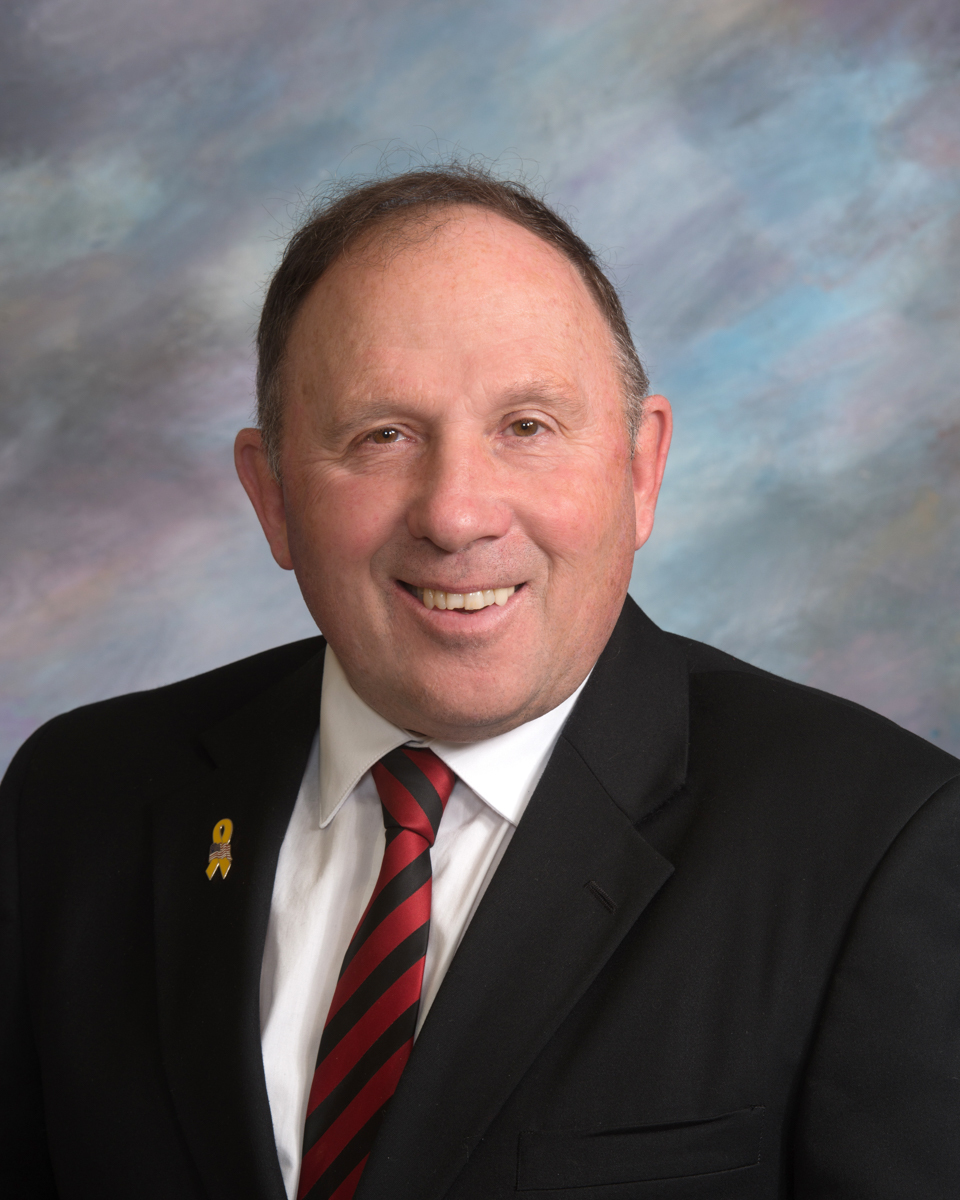
William Shorma
William Shorma House · District 17
R
Strong +
100% 6
Tim Goodwin
Tim Goodwin House · District 30
R
Strong +
100% 3
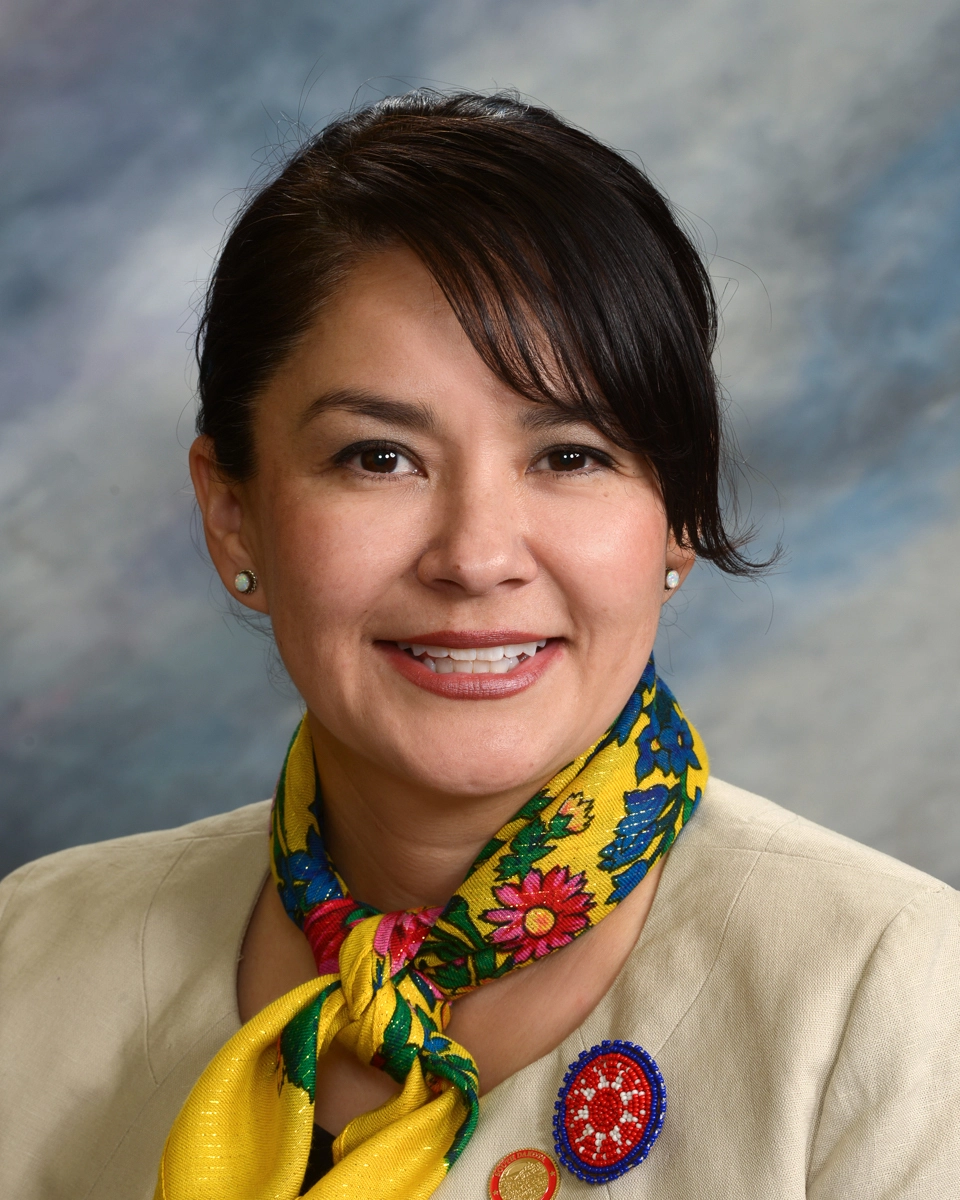
Red Dawn Foster
Red Dawn Foster Senate · District 27
D
Strong +
91% 11
Carl Perry
Carl Perry Senate · District 3
R
Strong +
90% 10
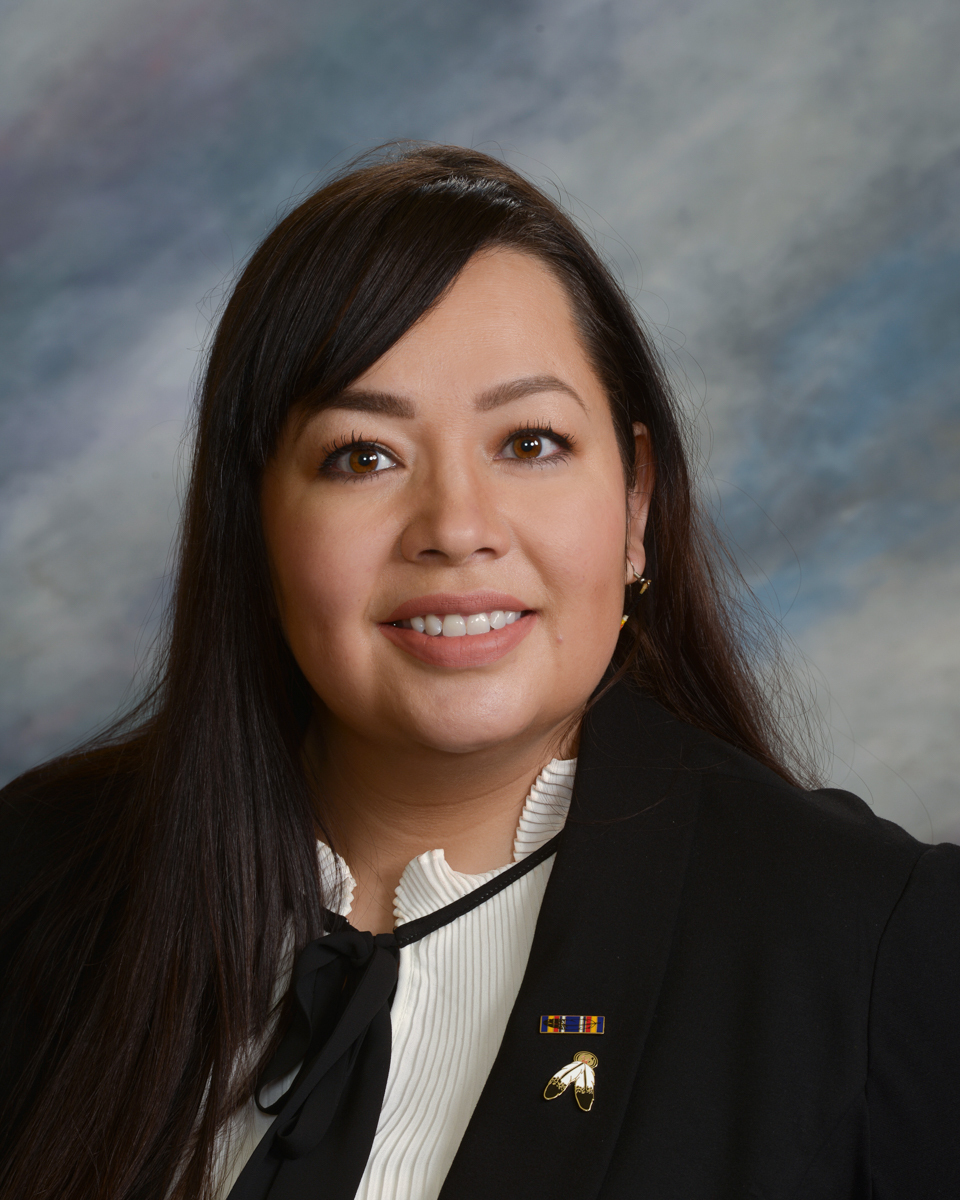
Peri Pourier
Peri Pourier House · District 27
R
Strong +
90% 10
Tina Mulally
Tina Mulally House · District 35
R
Strong −
0% 7
Dylan Jordan
Dylan Jordan House · District 4
R
Strong −
17% 6
Joy Hohn
Joy Hohn Senate · District 9
R
Oppose
25% 12
Sue Peterson
Sue Peterson Senate · District 13
R
Oppose
25% 12
Marty Overweg
Marty Overweg House · District 21
R
Oppose
25% 8
Showing 10 of 10 bills

All budget & taxes bills

passed · South Dakota · Senate Feb 20, 2026

SB 230: make an exception for improvement districts from a limit on revenue growth for purposes of property taxation.

SB 230 creates an exception for "improvement districts" (defined under South Dakota Chapter 7-25A) to the standard 3% annual limit on property tax revenue growth. This allows these districts to collect additional property tax revenue when property values increase due to improvements, annexations, or boundary changes - exceeding the usual cap. The exception specifically applies to revenue generated from property taxes tied to those improvements, not general district taxes. It directly affects improvement districts and property owners within them by enabling higher tax collections during development phases. The bill amends Section 10-13-35 of South Dakota law to clarify this exception for property tax revenue calculations.
Sub-Topics Property Tax Revenue
passed · South Dakota · Senate Feb 20, 2026

SB 212: establish the homeowner tax reduction fund.

SB 212 establishes a new "homeowner tax reduction fund" in the South Dakota state treasury, administered by the Department of Revenue. The fund provides property tax rebates specifically for owner-occupied single-family homes. It is funded through dedicated state revenue (as specified in the bill's text), with interest earning on the fund remaining within it. The fund cannot be transferred to the general state budget, ensuring its dedicated use for homeowner rebates.
passed · South Dakota · House Feb 20, 2026

HB 1317: eliminate a limit on the accumulation of the unused index factor for property taxation.

HB 1317 removes a 10% annual cap on how much South Dakota counties and municipalities can increase property taxes using accumulated unused index factors. Currently, local governments could only raise taxes based on these factors up to the prior three years' total or 10%, whichever was lower. The bill eliminates the 10% limit, allowing them to use all accumulated unused index factors from prior years without this restriction. This directly affects local governments' ability to adjust property tax revenue annually. The change modifies how county auditors calculate annual tax revenue limits under state law.
Sub-Topics Property Tax Revenue
passed · South Dakota · Senate Feb 25, 2026

SJR 504: proposing and submitting to the voters at the next general election an amendment to the Constitution of the State of South Dakota, providing for wagering on sporting events via mobile or electronic platform.

SJR 504 proposes a constitutional amendment to allow South Dakota to authorize mobile and electronic wagering on sporting events. The amendment requires such wagering to be offered only through licensed Deadwood casinos with servers located within Deadwood, and mandates that 90% of tax revenue from these wagers must fund statewide property tax relief or reductions. If approved by voters, this would change the state constitution to permit this new form of betting, which is currently restricted under existing gambling laws. The amendment must be voted on by South Dakota residents at the next general election to take effect.
Sub-Topics Property Tax Revenue
signed · South Dakota · House Mar 30, 2026

HB 1089: modify the distributions of revenues collected from severance taxation on new permits.

HB 1089 modifies how South Dakota distributes severance tax revenue from precious metals mining. It changes the rules for permits issued on or after July 1, 2026: 80% of the tax revenue goes to the state general fund, while 20% is sent to the county where mining occurs. Unlike previous rules, this 20% county share cannot be reduced if a mining company is acquired. The bill also maintains that revenue from mining on state-owned land must go to the common school permanent fund. This directly affects new mining permit holders after 2026 and the counties where they operate.
Sub-Topics Revenue State Budget
passed · South Dakota · Senate Feb 20, 2026

SB 109: modify requirements to create a tax increment financing district.

SB 109 modifies South Dakota's rules for creating tax increment financing (TIF) districts, which are areas where increased property tax revenue from development is used to fund improvements. The bill requires that at least 50% of a district's area must be designated as "blighted" (meeting specific criteria like deteriorated structures or unsafe conditions) or serve economic development purposes. It also adds new consent requirements: counties need municipal approval to create districts within city limits, and municipalities need county approval for districts in unincorporated areas. The bill clarifies the definition of "blighted area" to include factors like substandard structures, inadequate infrastructure, or safety hazards. These changes directly affect local governments (municipalities and counties) seeking to establish TIF districts for redevelopment projects.
Sub-Topics Property Tax Revenue
signed · South Dakota · House Mar 30, 2026

HB 1245: authorize municipalities to establish a local funding mechanism for capital improvement projects.

HB 1245 allows South Dakota municipalities to create a local tax (up to 1% on taxable sales) to fund capital projects like infrastructure repairs, equipment purchases, or building renovations. To implement this, a municipality must form a Capital Improvement Board (with 1 elected official and 4 residents) to review proposals, secure board approval, and then hold a voter referendum requiring 60% support. All tax revenue must be placed in a special fund dedicated exclusively to approved capital projects, with the tax expiring after 60 months or once the targeted revenue amount is met. Municipalities cannot use this tax if they’ve imposed it within the previous 24 months.
Sub-Topics Revenue Sales Tax
signed · South Dakota · House Feb 17, 2026

HB 1058: require licensure for online pari-mutuel wagering pools for horse and dog races, and clarify the application of tax therefor.

HB 1058 requires online betting platforms offering pari-mutuel wagering on horse or dog races to obtain a specific license from South Dakota. It clarifies that both in-state operators (with a physical presence) and out-of-state operators must pay a tax of 1.5% on South Dakota contributions, while multi-jurisdictional hubs pay 0.25% (with portions going to racing and breeding funds). The bill specifies that tax revenue will fund the state, a special racing revolving fund, and a South Dakota-bred racing fund. This applies only to online wagering for authorized horse and dog races, updating existing tax and licensing rules.
Sub-Topics Revenue
signed · South Dakota · Senate Mar 30, 2026

SB 74: transfer moneys to the general fund from the budget reserve fund and the general revenue replacement fund, and to declare an emergency.

This South Dakota bill (SB 74) transfers $56,153,769 from the budget reserve fund and $41,874,757 from the general revenue replacement fund directly into the state's general fund. These transfers are intended to support state government operations and public institutions. The bill declares an emergency to allow these fund movements to take effect immediately upon approval, bypassing standard budget procedures. The action affects the state's budget structure by reallocating existing reserves without creating new taxes or spending programs.
Sub-Topics Revenue State Budget
passed · South Dakota · House Jan 22, 2026

HB 1032: eliminate a limit on the accumulation of the unused index factor for property taxation.

HB 1032 eliminates a 10% cap on how much unused property tax revenue authority counties and municipalities in South Dakota can accumulate from prior years. Currently, local governments could only use up to the prior three years' total of unused tax revenue calculations or 10% of the tax base, whichever was lower. The bill removes the 10% limit, allowing local governments to utilize all accumulated unused tax revenue authority without this restriction. This directly affects South Dakota counties and municipalities that collect property taxes, changing how they calculate annual tax revenue limits. The change modifies specific sections of state tax law (§ 10-13-35.4 and § 10-13-35.5) to remove the percentage cap.
Sub-Topics Property Tax Revenue