Issue · Technology

Technology (Social Media)

Every technology bill, vote, and legislator stance in Pennsylvania, automatically classified by Maddy, our AI policy reader.

Total bills
10
2025-2026 Regular Session
Top supporter
Aerion Abney
100% support rate
Top opponent
Barb Gleim
0% support rate
Ranked legislators
10
5 support · 5 oppose
Key legislators

Who's moving social media in Pennsylvania

Legislators moving social media in Pennsylvania
Legislator Party Stance Support rate Votes
Aerion Abney
Aerion Abney House · District 19
D
Strong +
100% 4
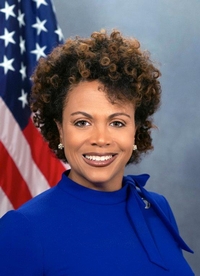
Gina Curry
Gina Curry House · District 164
D
Strong +
100% 4
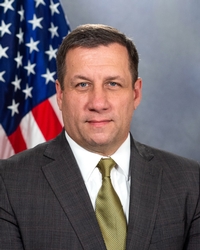
Paul Friel
Paul Friel House · District 26
D
Strong +
100% 4
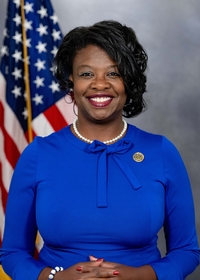
Regina Young
Regina Young House · District 185
D
Strong +
100% 4
Abigail Salisbury
Abigail Salisbury House · District 34
D
Strong +
100% 3
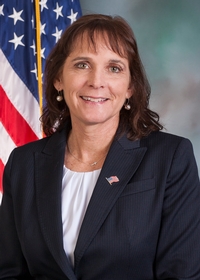
Barb Gleim
Barb Gleim House · District 199
R
Strong −
0% 3
Brian Rasel
Brian Rasel House · District 56
R
Strong −
0% 3
Chad Reichard
Chad Reichard House · District 90
R
Strong −
0% 3
Charity Krupa
Charity Krupa House · District 51
R
Strong −
0% 3
Joe D'Orsie
Joe D'Orsie House · District 47
R
Strong −
0% 3
Showing 10 of 10 bills

All technology bills

in committee · Pennsylvania · Senate Aug 13, 2026

SR 356: A Resolution designating the week of August 17 through 23, 2026, as "Social Media Safety and Parental Awareness Week" in Pennsylvania.

Pennsylvania Senate Resolution 356 designates the week of August 17 through 23, 2026, as "Social Media Safety and Parental Awareness Week." The resolution cites rising statistics on online child exploitation, including sextortion and the use of artificial intelligence for abuse, to highlight the need for greater vigilance. It encourages educational programming and public awareness efforts aimed at protecting minors from these digital threats as students prepare to return to school.
signed · Pennsylvania · House Jul 12, 2026

HB 1505: An Act amending the act of March 10, 1949 (P.L.30, No.14), known as the Public School Code of 1949, in preliminary provisions, providing for standardized testing study; in grounds and buildings, repealing provisions relating to lead testing and providing for lead testing; providing for school facilities; in certification of teachers, further providing for special education certificate grade spans and age levels and duties of department, for program of continuing professional and paraprofessional education, for continuing professional education for school or system leaders and for Pennsylvania school leadership standards, repealing provisions relating to permit for classroom monitors and providing for permit for classroom monitors; in pupils and attendance, further providing for attendance policy at charter, regional charter and cyber charter schools, providing for school district enrollee wellness checks and further providing for procedure when child is truant and for procedure upon filing of citation; in student supports, further providing for policy relating to bullying; in school safety and security, further providing for definitions, for School Safety and Security Grant Program, for school safety and security coordinator and for school safety and security training, providing for school safety and mental health grants for 2026-2027 school year, further providing for school safety and security coordinator training and for reporting and memorandum of understanding and providing for school mapping services; in school health services, further providing for health services and for reports and providing for eating disorder awareness and education; in terms and courses of study, providing for use of funds for implementing later school start times, further providing for flexible instructional days and for physical education, providing for recess periods, further providing for economic education and personal financial literacy programs and providing for social media literacy education; in early learning programs, further providing for definitions and for duties of approved providers; in high schools, further providing for attendance in other districts; in charter schools, further providing for enrollment, for cyber charter school requirements and prohibitions, for enrollment and notification and for enrollee wellness checks; in disability inclusive curriculum, further providing for pilot program; in career and technical education, providing for temporary waiver; in community colleges, further providing for financial program and reimbursement of payments; in Thaddeus Stevens College of Technology, further providing for individuals eligible for admission; in the State System of Higher Education, further providing for definitions and for Grow Pennsylvania Tuition Waiver Program; in institutions of higher education, further providing for definitions and for agency duties, providing for institution duties and further providing for report; in Ready-to-Succeed Scholarship, further providing for agency; in funding for public libraries, providing for State aid for fiscal year 2026-2027; in reimbursements by Commonwealth and between school districts, further providing for student-weighted basic education funding beginning with 2023-2024 school year and for extraordinary special education program expenses, providing for temporary assistance program and further providing for assistance to school districts declared to be in financial recovery status or identified for financial watch status and for Ready-to-Learn Block Grant; and, in construction and renovation of buildings by school entities, further providing for applicability.

HB 1505 amends Pennsylvania's Public School Code of 1949 to clarify definitions related to early learning programs. The bill specifically updates terminology used in the existing law to better define what constitutes early learning programs within the state's educational framework. This change directly affects school districts, early learning providers, and state education agencies by providing clearer standards for program classification and reporting under the Public School Code. The bill focuses solely on refining definitions, not creating new programs or funding mechanisms.
Sub-Topics Social Media
in committee · Pennsylvania · House Mar 13, 2026

HB 2288: An Act amending the act of December 17, 1968 (P.L.1224, No.387), known as the Unfair Trade Practices and Consumer Protection Law, providing for artificial intelligence training disclosure.

This bill requires online platforms in Pennsylvania to inform users when their content may be used to train artificial intelligence systems. It applies to websites and apps that collect user-created content like posts, videos, or images for AI training purposes. The law mandates that platforms must provide a clear, separate disclosure at sign-up and require users to acknowledge receiving this notice before they can post content. The bill defines key terms like "artificial intelligence" and "platform" to ensure consistent application of the disclosure requirement.
in committee · Pennsylvania · House Dec 18, 2025

HB 2108: An Act providing for duties of covered entities to protect the best interests of children that use online services, products or features and for data protection impact assessments; prohibiting certain actions by covered entities; and imposing penalties.

HB 2108 requires online platforms likely accessed by children (e.g., social media, games, educational apps) to conduct data protection impact assessments before launching features. It mandates that companies prioritize children's safety, privacy, and well-being over profits when designing products, prohibits deceptive "dark patterns" that trick kids into sharing data, and bans practices causing physical, psychological, or privacy harms. Covered entities - businesses processing children's personal data - face penalties for violations. The law directly affects digital services targeting minors, focusing on concrete policy changes like mandatory risk assessments and design safeguards.
passed · Pennsylvania · House May 1, 2026

HB 2176: An Act amending the act of March 10, 1949 (P.L.30, No.14), known as the Public School Code of 1949, in terms and courses of study, providing for social media literacy education.

HB 2176 would require Pennsylvania public and nonpublic schools to integrate social media literacy into their curriculum. The bill mandates that state academic standards include specific lessons on social media's mental, psychological, and physical impacts on students, its effects on learning, safe online behavior (including identifying cyberbullying and predatory activity), and personal device security. The Department of Education must develop educational materials and provide professional development for teachers on these topics. This bill directly affects all Pennsylvania schools, including public school districts, charter schools, and nonpublic schools, by adding concrete requirements to student learning standards.
in committee · Pennsylvania · House Jan 14, 2025

HB 62: An Act providing for social media platforms and for limiting censorship.

HB 62, the Social Media Anti-Censorship Act, requires social media platforms with over 50 million active U.S. users to publish clear acceptable use policies explaining content restrictions and appeal processes. If a platform removes content for policy violations, it must immediately notify the user and provide a 14-day appeal option. The bill also mandates biannual transparency reports detailing content moderation decisions. This law directly affects major social media platforms operating in Pennsylvania, aiming to increase transparency in content removal practices.
Sub-Topics Social Media
in committee · Pennsylvania · Senate Apr 9, 2025

SB 603: An Act amending Title 18 (Crimes and Offenses) of the Pennsylvania Consolidated Statutes, in computer offenses, providing for Internet protections for minors.

SB 603 requires commercial websites containing over one-third "material harmful to minors" (such as explicit sexual content or content lacking literary value for minors) to implement reasonable age verification before minors can access that content. It directly affects businesses operating such websites, mandating they use third-party verification methods without retaining users' personal data. The law exempts bona fide news organizations and news-gathering activities, and holds commercial entities liable for damages if minors access harmful content or if they improperly retain user data. Internet service providers are not held liable for simply hosting or connecting to such websites.
in committee · Pennsylvania · House May 8, 2025

HB 1430: An Act amending Title 50 (Mental Health) of the Pennsylvania Consolidated Statutes, providing for protection of minors on social media; and imposing penalties.

HB 1430 would require social media platforms operating in Pennsylvania to protect minors under 16 years old. The bill bans "dark patterns" (deceptive design features that impair user choice) and mandates that platforms allow minors to permanently delete their accounts and personal information so it cannot be retrieved. It also requires platforms to implement a consent process for minors to open accounts. Violations would be subject to penalties under the law.
in committee · Pennsylvania · Senate Apr 4, 2025

SB 568: An Act providing for the removal of nonconsenting intimate depictions from social media platforms.

SB 568 requires social media platforms to remove nonconsensual intimate images of Pennsylvania residents within 48 hours of receiving a valid request. It directly affects individuals whose private images were shared without consent, as defined by Pennsylvania law. Platforms must establish a clear online portal for removal requests and are shielded from liability if they act in good faith. The law applies specifically to social media services that connect users for social interaction, excluding email or cloud services. It takes effect 90 days after enactment.
in committee · Pennsylvania · House Jul 14, 2025

HB 1729: An Act amending Title 18 (Crimes and Offenses) of the Pennsylvania Consolidated Statutes, in miscellaneous offenses, providing for children's online safety.

HB 1729 would require online platforms in Pennsylvania to verify the age of users and set default privacy settings for children under 18, blocking strangers from messaging, viewing profiles, tagging, or transacting with them without parental approval. For children under 13, parents must approve all new connections and financial transactions, and can view their child's activity on the platform. The bill also prohibits platforms from using deceptive design features ("dark patterns") that undermine these protections and bans discrimination against minors in service quality or pricing. This applies to social media, gaming, and other platforms allowing public profiles and user interaction.