Issue · Technology

Technology (Consumer Data Protection)

Every technology bill, vote, and legislator stance in Pennsylvania, automatically classified by Maddy, our AI policy reader.

Total bills
16
2025-2026 Regular Session
Top supporter
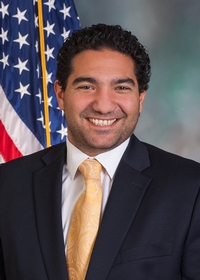
Andre Carroll
100% support rate
Top opponent
Joe Hamm
0% support rate
Ranked legislators
10
5 support · 5 oppose
Key legislators

Who's moving consumer data protection in Pennsylvania

Legislators moving consumer data protection in Pennsylvania
Legislator Party Stance Support rate Votes
Andre Carroll
Andre Carroll House · District 201
D
Strong +
100% 5
Ben Sanchez
Ben Sanchez House · District 153
D
Strong +
100% 5
Chris Pielli
Chris Pielli House · District 156
D
Strong +
100% 5
Chris Rabb
Chris Rabb House · District 200
D
Strong +
100% 5
Emily Kinkead
Emily Kinkead House · District 20
D
Strong +
100% 5
Joe Hamm
Joe Hamm House · District 84
R
Strong −
0% 5
Joe Kerwin
Joe Kerwin House · District 125
R
Strong −
0% 5
Josh Kail
Josh Kail House · District 15
R
Strong −
0% 5
Kate Klunk
Kate Klunk House · District 169
R
Strong −
0% 5
Rob Kauffman
Rob Kauffman House · District 89
R
Strong −
0% 5
Showing 11–16 of 16 bills

All technology bills

in committee · Pennsylvania · Senate Mar 21, 2025

SB 112: An Act providing for consumer data privacy, for duties of controllers and for duties of processors; and imposing penalties.

SB 112, the Consumer Data Privacy Act, establishes new rules for how businesses handle personal data in Pennsylvania. It requires businesses (like online services or retailers meeting revenue or data volume thresholds) to get clear, affirmative consent from Pennsylvania residents before collecting or selling their data, bans deceptive "dark patterns" that trick users into sharing information, and prohibits selling data for targeted advertising without consent. The law defines personal data broadly to include location and biometric information (but excludes de-identified data or publicly available information) and imposes penalties for violations. It directly affects Pennsylvania consumers by giving them more control over their data and businesses that process their information.
in committee · Pennsylvania · House Aug 4, 2025

HB 1779: An Act amending Title 12 (Commerce and Trade) of the Pennsylvania Consolidated Statutes, in preliminary provisions, providing for algorithmic pricing transparency and fairness; and imposing duties on the Office of Attorney General and Bureau of Consumer Protection.

HB 1779 requires businesses using algorithms to set prices (like online retailers or service platforms) to disclose how those algorithms work to consumers. It mandates the Pennsylvania Attorney General and Consumer Protection Bureau to develop rules for transparency and investigate unfair pricing practices. The bill directly affects companies that use dynamic or automated pricing models and aims to give consumers clearer insight into how prices are determined. This is a concrete policy change focused on disclosure, not on regulating specific prices or outcomes.
Sub-Topics Consumer Data Protection Tags Consumer Protection
in committee · Pennsylvania · House Jun 20, 2025

HB 1624: An Act prohibiting certain covered entities and service providers from collecting and processing location information of individuals without consent; providing for enforcement by Attorney General; establishing a private right of action; and prescribing penalties.

HB 1624 would require companies and service providers (like apps or websites) to obtain explicit permission before collecting or using people's location data. It directly affects digital services that track user movements, such as navigation apps or location-based advertisers. The law establishes penalties for violations, allows individuals to sue companies that break the rule, and gives the Attorney General authority to enforce it. Violations could result in fines, with the bill specifying these enforcement mechanisms.
in committee · Pennsylvania · House Sep 10, 2025

HB 1857: An Act requiring business entities to disclose the use of artificial intelligence in certain consumer interactions; establishing the right of consumers to human review in high-impact decisions; and providing for enforcement by Attorney General.

HB 1857 requires businesses to disclose when they use artificial intelligence in specific consumer interactions, such as loan applications or medical consultations. It gives consumers the right to request a human review for decisions that significantly impact them, like denials of services or critical financial actions. The Attorney General would enforce these requirements, including potential penalties for noncompliance. This bill directly affects businesses using AI in consumer-facing services and empowers consumers with transparency and review options.
in committee · Pennsylvania · House Oct 16, 2025

HB 1942: An Act providing for prohibition on surveillance pricing; and imposing penalties.

HB 1942 prohibits businesses from charging higher prices to consumers based on their data collection or surveillance practices. It directly affects consumers who might face discriminatory pricing and businesses that use tracking data to set prices. The bill requires companies to stop using surveillance data (like location or browsing history) to determine price differences, imposing fines for violations. This creates a clear policy change to prevent price discrimination tied to consumer data tracking.
passed · Pennsylvania · House Jun 25, 2026

HB 78: An Act providing for consumer data privacy, for duties of controllers and for duties of processors; and imposing penalties.

HB 78 establishes rules for businesses handling consumer data, requiring them to be transparent about data collection, secure personal information, and allow consumers to access or delete their data. It directly affects companies that collect personal information (like names, addresses, or online activity) from residents of the state. Key provisions include mandating clear privacy notices, implementing security measures, and giving consumers control over their data. Violations would result in fines imposed by the state's consumer protection agency. The bill passed final passage in October 2025 and is now law.
Showing 11 to 16 of 16 bills