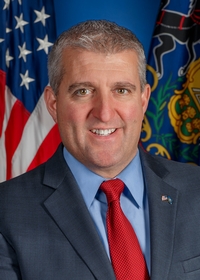
SB 1014 amends Pennsylvania's Public School Code of 1949 to require public schools to adopt a "bell-to-bell phone-free policy" during the entire school day. This policy directly affects all public K-12 schools and students by prohibiting the use of personal electronic devices during instructional time. The key provision mandates that schools establish and enforce this policy, though the bill does not specify exemptions or implementation details. The legislation focuses on reducing distractions in classrooms by limiting student phone access from the start to the end of the school day. It is currently pending in the Education committee.
HB 2176 would require Pennsylvania public and nonpublic schools to integrate social media literacy into their curriculum. The bill mandates that state academic standards include specific lessons on social media's mental, psychological, and physical impacts on students, its effects on learning, safe online behavior (including identifying cyberbullying and predatory activity), and personal device security. The Department of Education must develop educational materials and provide professional development for teachers on these topics. This bill directly affects all Pennsylvania schools, including public school districts, charter schools, and nonpublic schools, by adding concrete requirements to student learning standards.
HB 2177 updates publication requirements for proposed ordinances in Pennsylvania boroughs, cities, and counties. It mandates that when publishing a proposed ordinance, municipalities must include a detailed summary covering tax/fee changes, penalties, and fund-related provisions (like payments or restrictions), along with references to where the full text can be viewed online or at a physical location. This applies to all proposed ordinances before council votes, ensuring the public has clear access to key details. The bill does not change the content of ordinances but standardizes how they are communicated to residents.
HB 1530, the Genetic Information Privacy Act, requires direct-to-consumer genetic testing companies operating in Pennsylvania to protect residents' genetic data. Companies must obtain clear, separate consent for data collection, use, sharing, and retention; implement security measures; and provide consumers with access to or deletion of their data. The bill specifically prohibits sharing genetic data with insurers, employers, or third parties without explicit written consent. Violations could result in $2,500 civil penalties per incident, enforced by the Attorney General’s office. The law applies to Pennsylvania residents and covers genetic data like DNA test results, but excludes research data collected under federal health privacy rules.
HB 1063 amends Pennsylvania's Unfair Trade Practices and Consumer Protection Law to prohibit the use of automated software for purchasing event tickets with intent to resell, bypassing sales limits, or disabling security systems. It directly affects ticket sellers (including venues, event organizers, and rights holders) and individuals or companies using bots to acquire tickets for resale. The bill makes these activities illegal, allows affected parties to sue for $1,000 per ticket sold in violation plus attorney fees, and includes exceptions for security research and enforcement activities. The law takes effect 60 days after enactment.
HB 1512 requires manufacturers of digital electronic devices (like smartphones and computers) to provide owners and independent repair shops with necessary repair documentation, parts, and tools on fair and reasonable terms. The bill mandates that manufacturers make this information accessible to enable repairs outside of official channels. It also imposes penalties for manufacturers who fail to comply with these requirements. This directly affects device manufacturers and expands repair options for consumers and small repair businesses. The bill passed final passage in the legislature on October 27, 2025, and now awaits review by the Consumer Protection & Professional Licensure committee.
HB 1734 amends Pennsylvania's turnpike toll collection laws to modernize electronic payment systems. It updates the legal framework for electronic toll collection (like E-ZPass) on state turnpikes, requiring compatible infrastructure and payment methods. This directly affects drivers using Pennsylvania turnpikes who rely on electronic toll systems for payment. The bill focuses on streamlining toll collection processes without changing toll rates or funding.
HB 997 updates Pennsylvania's data breach notification law, requiring businesses to notify affected individuals more clearly and promptly after a security breach involving personal information. It directly affects businesses that collect or store personal data, such as healthcare providers, retailers, and financial institutions. Key changes include modernizing definitions of personal information, clarifying when notification is required, adding new security protections, and repealing outdated civil relief provisions. The bill also removes certain exemptions that previously allowed businesses to delay or avoid notifying individuals about breaches.
HB 1299 amends Pennsylvania's Unfair Trade Practices and Consumer Protection Law to regulate automatic renewal and continuous service offers. It requires businesses to clearly disclose renewal terms, pricing after trials, and cancellation options in a way consumers can retain, and to allow online cancellation. The law applies to most subscription-based goods/services but excludes health clubs, federally regulated utilities, natural gas/electricity contracts, and insurance entities. Violations would be treated as unfair trade practices under existing enforcement mechanisms.
Pennsylvania's SB 649 (now Act No. 35 of 2025) creates a new criminal offense for "digital forgery," targeting individuals who create and distribute fake digital images or audio recordings of real people without consent, intending to defraud or cause harm. It defines a "forged digital likeness" as a computer-generated representation that materially changes a person's appearance, speech, or behavior to deceive others, with penalties ranging from a misdemeanor to a felony for fraud schemes. The law explicitly excludes satire, political commentary, law enforcement activities, and technology providers from prosecution, and allows a defense if the creator clearly disclosed the content as fake. This law directly affects creators of deceptive digital content and aims to protect individuals from identity-based fraud or harm.